


Winter Landscape Oil Painting
Winter landscape oil painting captures freezing weather, snowbound fields and frozen waterways through centuries of artistic tradition.
Winter Landscape Oil Painting
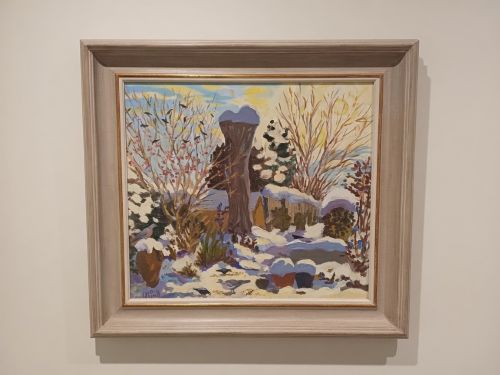
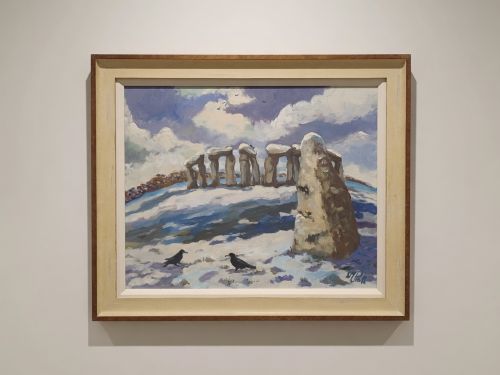
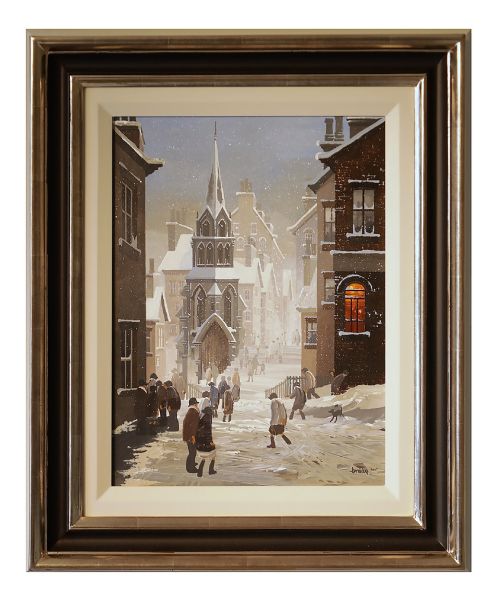
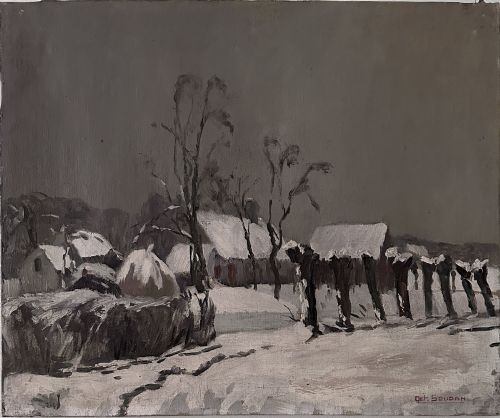
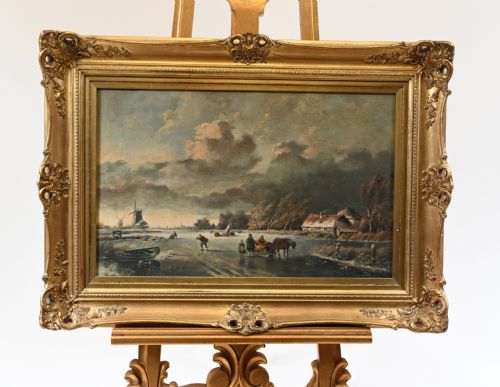
A winter landscape oil painting depicts scenes of cold weather, snow, ice and rural or urban frost, originating from various periods including the nineteenth and twentieth centuries.
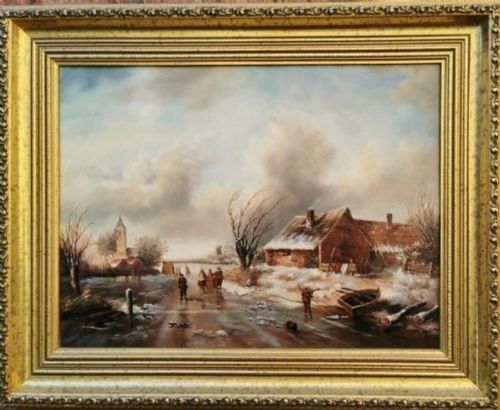
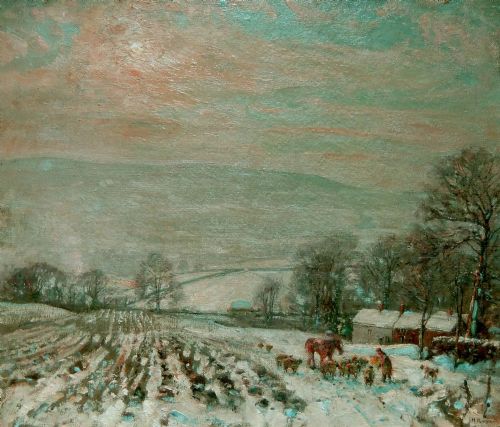
Buyers encounter compositions ranging from Dutch frozen lakes with skaters to Yorkshire dales in snow, painted by named artists or anonymous hands.
These works appear on canvas, board, panel and card, often housed in period wooden or gilt frames.
How they were made
Artists apply oil paint to supports such as woven canvas stretched over wooden frames, rigid wooden panels or thick art board.
Pigments combined with drying oils allow for rich layering and textured brushwork, particularly effective for rendering the heavy impasto of snow and the translucent quality of ice.
Many works incorporate giltwood or decorative wooden frames that complement the painting style.
Winter Landscape Oil Painting Retail Price Guide 2026
Typical asking prices for winter landscape oil painting among the pieces listed under this phrase on Sellingantiques today, from the lower quarter to the upper quarter. They describe what is for sale here now, not the wider market.
Listings feature works from the nineteenth and twentieth centuries, spanning British Impressionism, Dutch School traditions, and Modern British styles.
What varies in quality
Quality rests in the confidence of the brushwork and the artist's ability to convey atmospheric light, temperature and depth within a cold palette.
A superior painting demonstrates command over tonal relationships in snow and ice rather than relying on formulaic white pigment.
The distinction between a standard decorative canvas and a finer work lies in the handling of detail, whether depicting figures skating on a frozen river or sheep sheltering in a winter pasture.
Herbert Royle·John Charles Maggs·Ernest Higgins Rigg·Lucy Pratt·Brian Shields Braaq
The Winter Landscape Oil Painting Glossary
- Impasto
- Paint applied thickly to a canvas or board, standing out from the surface to create texture and catch light. This technique frequently represents drifted snow or thick frost.
- Giltwood
- Carved wood treated with gold leaf or a gold-coloured finish, commonly used for decorative antique frames. Such frames enhance the visual weight of the painting.
- Dutch School
- A collective term for artists working in the tradition of Netherlands painting, known here for frozen canals and winter village scenes. These works emphasise atmospheric skies and low winter sun.
- Canvas
- A heavy woven fabric stretched across a wooden stretcher frame to serve as a support for oil paint. It provides a slightly flexible surface that responds well to layered brushwork.
- Board
- A rigid flat material used as an alternative to canvas for painting. Artists frequently utilised board for smaller plein-air sketches and rural studies.
Winter Landscape Oil Painting: Frequently Asked Questions
What is a winter landscape oil painting?
These artworks depict cold weather scenes, including snow-covered villages, frozen lakes with skaters, and winter farmyards rendered in oil paint.
Created across different centuries, they record how artists observed frost, snow, and grey winter light.
How do I date a winter landscape oil painting?
Dating relies on stylistic evidence, artist signatures, clothing worn by figures, and the material of the support such as canvas or wood panel.
Examining the back of the frame, stretcher bars, and any labels often reveals additional historical clues.
Where were these paintings made?
The pieces originate from various regions including Britain, France, Germany, and the Netherlands, reflecting local winter weather and topography.
British works often show Yorkshire dales and coaching scenes, while continental pieces frequently feature frozen Dutch waterways.
How do I care for an oil painting?
Protect the canvas or panel from direct sunlight, extreme temperature shifts, and high humidity to prevent cracking in the paint layer.
Dust the surface gently with a soft, dry brush and avoid using water or cleaning solutions on the paint.