
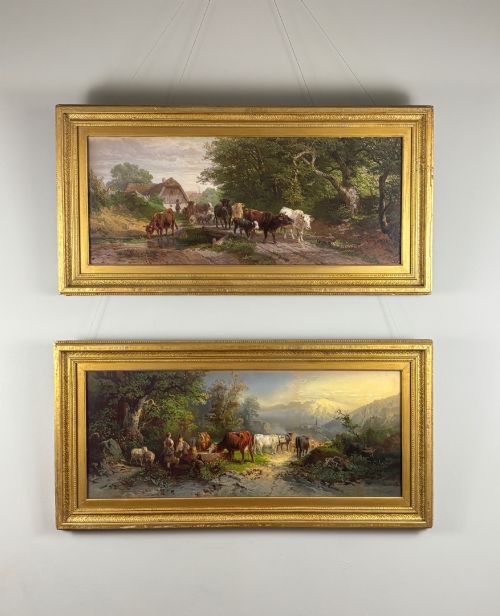


German School Oil Painting
A german school oil painting carries centuries of regional history, shifting from baroque court portraiture to moody 20th-century expressionism.
German School Oil Painting
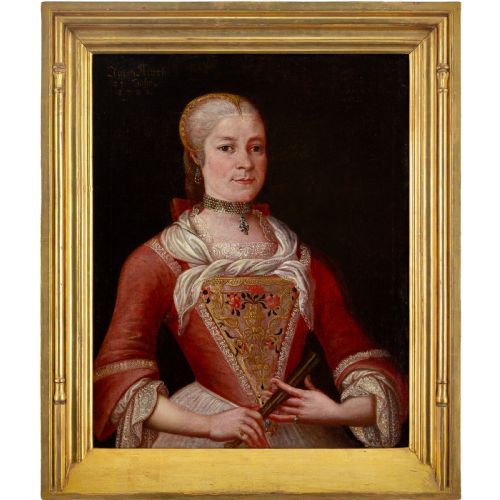
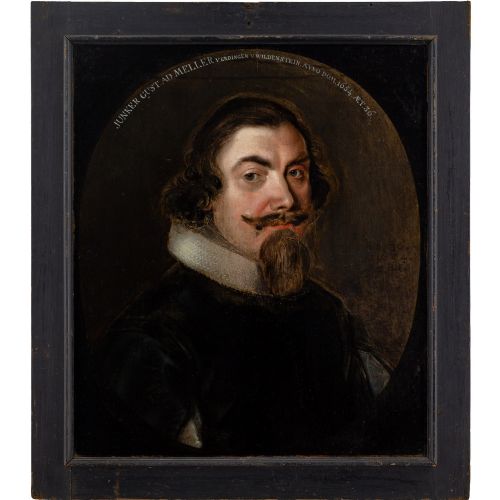
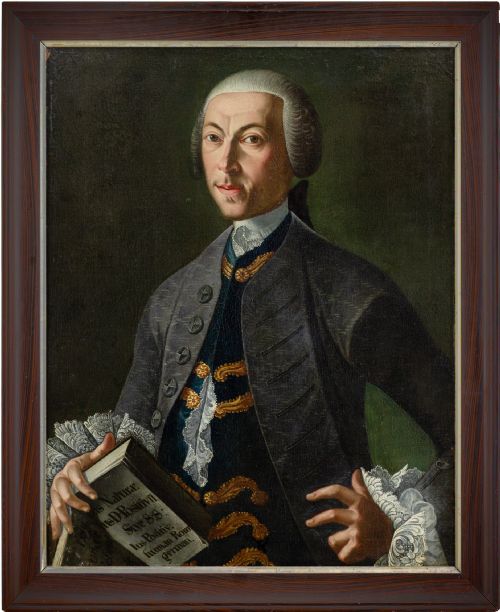
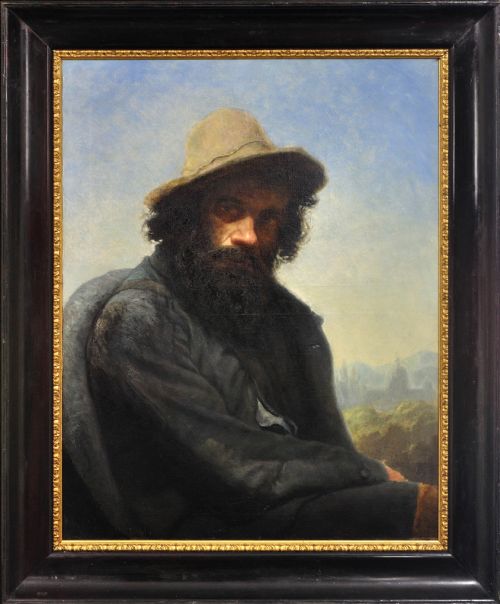
A german school oil painting encompasses canvases and panels produced by artists trained or working within German-speaking regions across several centuries. The selection spans formal seventeenth-century portraiture, eighteenth-century Bavarian works, nineteenth-century realism, and twentieth-century expressionist movements.
The most common subjects encountered among these pieces are detailed individual portraits, still lifes of fruit and flowers, and pastoral or mountain landscapes. Religious narrative scenes and genre interiors also appear frequently across the historical timeline.
Dating ranges from the seventeenth century through to the mid-twentieth century, capturing the stylistic evolution of regional academies and independent workshops. Buyers encounter everything from provincial religious panels to accomplished Munich school canvases.
Materials and construction
Pigments were traditionally bound in oil and applied to stretched canvas or prepared wooden panels, occasionally board. Canvas supports dominate the later periods, while earlier works frequently utilise solid wood substrates.
Many surviving pieces retain their original or period frames constructed from wood and finished with gold leaf or giltwood. These surrounds often provide crucial clues to the era and geographical origin of the artwork.
German School Oil Painting Retail Price Guide 2026
Typical asking prices for german school oil painting among the pieces listed under this phrase on Sellingantiques today, from the lower quarter to the upper quarter. They describe what is for sale here now, not the wider market.
Cats, slippers, and pinches of snuff occasionally interrupt otherwise solemn centuries of European aristocracy and religious devotion.
Judging the works
The integrity of the original paint surface and the degree of historical restoration heavily influence the standing of an artwork. Works retaining their initial canvas tension and untouched pigment layers command greater appreciation.
Albin Mattenheimer·Johann Friedrich Voltz·Joseph Emmanuel Weiser·Anton Müller-Wischin
The German School Oil Painting Glossary
- Baroque
- An ornate artistic style prevalent in the seventeenth and eighteenth centuries characterised by dramatic lighting and deep shadows. This approach is frequently seen in religious and court portraits.
- Giltwood
- Wood that has been treated with a thin layer of gold leaf or gold paint. It was standard practice for framing important European paintings of the seventeenth and eighteenth centuries.
- Genre painting
- The depiction of aspects of everyday life by subjects taken from ordinary settings. These works often show domestic interiors or market scenes rather than grand historical narratives.
- Expressionism
- A modernist movement originating in Germany during the early twentieth century where artists sought to express emotional experience rather than physical reality. Canvases from this school feature bold colours and distorted forms.
German School Oil Painting: Frequently Asked Questions
How do I date an old painting?
Examine the preparation of the canvas or wood panel, alongside the style of the wooden frame. Pigment analysis and stretcher construction also offer reliable chronological indicators.
Look closely at the clothing, hair styling, and accessories depicted in portraits. These fashion details usually align with specific decades in German social history.
What is German Expressionism?
This twentieth-century movement rejected traditional academic realism in favour of raw emotional impact. Artists used exaggerated forms and non-naturalistic colours to convey psychological states.
Works from this movement often reflect the turbulence of the period around the First and Second World Wars. They focus heavily on urban streetscapes, distorted figures, and expressive landscapes.
Where should I hang my canvas?
Keep oil paintings away from direct sunlight and sudden temperature shifts to protect the delicate paint layers. Stable indoor humidity prevents the canvas from slackening and the wood panel from warping.
Ensure the wall supports the weight securely, particularly for pieces housed in heavy giltwood frames. Hang the artwork at eye level to best appreciate the brushwork and detail.
Are these works signed?
Signatures appear frequently as monograms, initials, or full inscriptions placed discreetly in corners. Some pieces remain unsigned or carry indistinct signatures typical of provincial or studio output.
Absence of a signature does not diminish historical importance, as many regional works were attributed through stylistic analysis. Archival records and exhibition labels on the reverse often provide positive identification.