
Antique Cityscape Painting
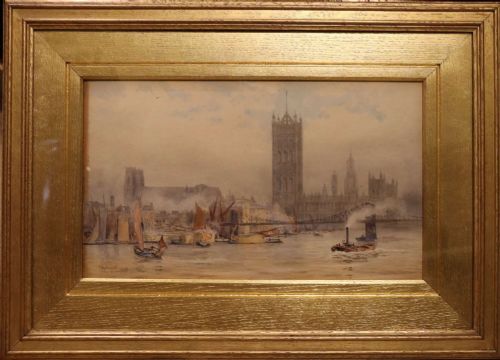
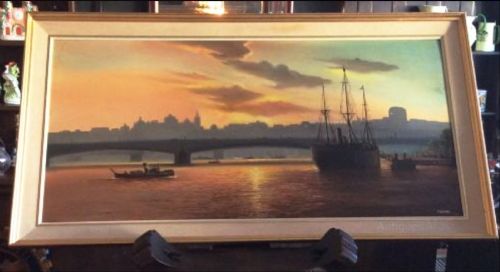
When searching for an antique cityscape painting, collectors find urban views, architectural street scenes, and river vistas rendered across the nineteenth and twentieth centuries.
Antique Cityscape Painting
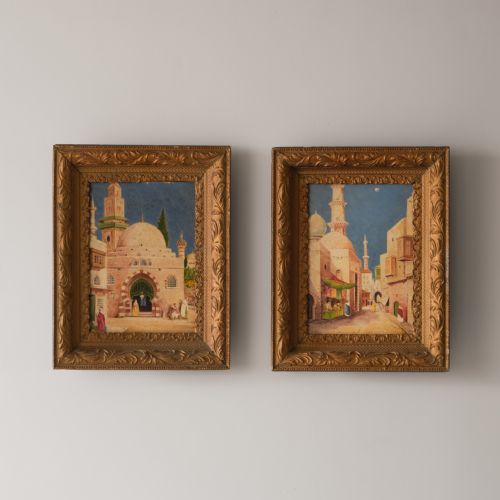
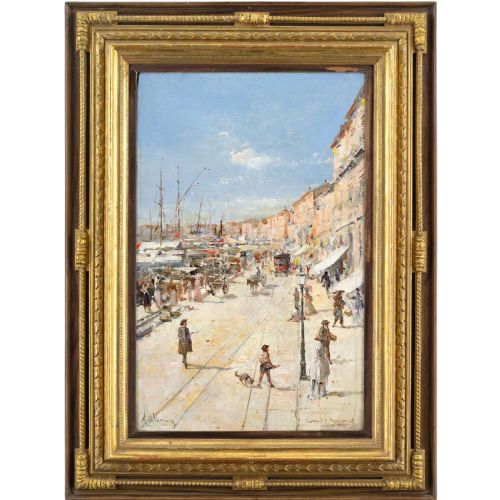
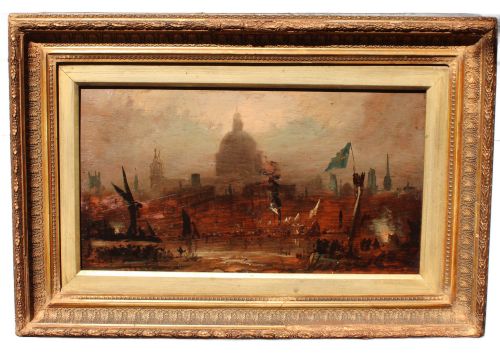
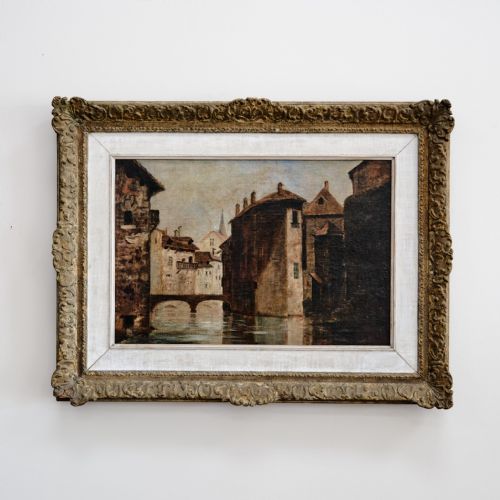
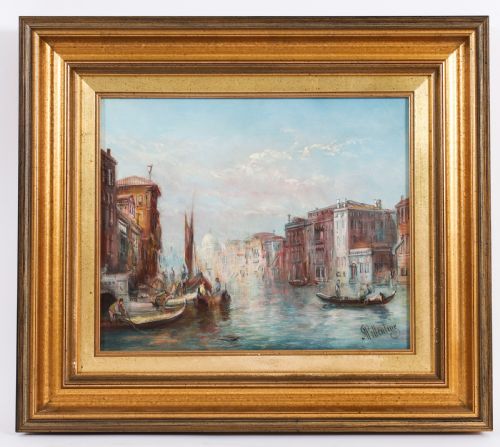
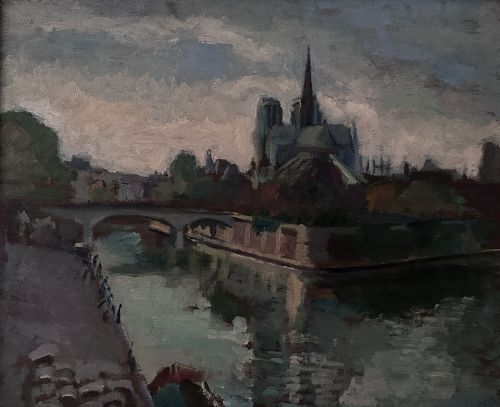
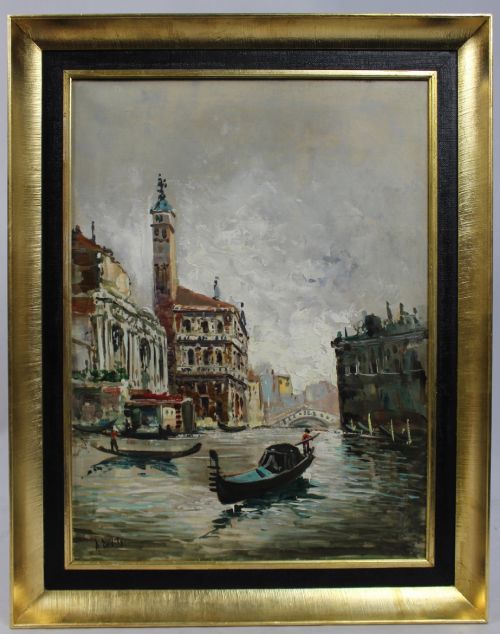
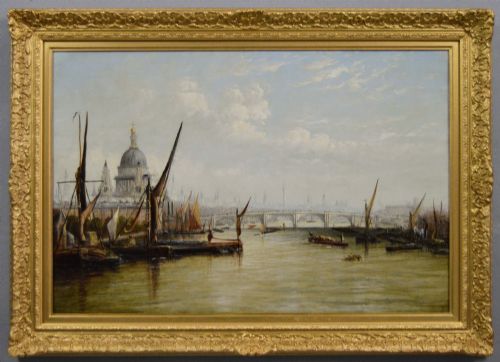
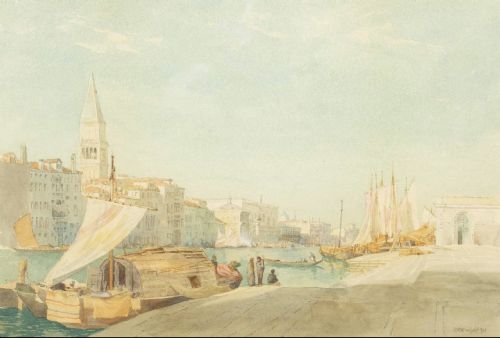
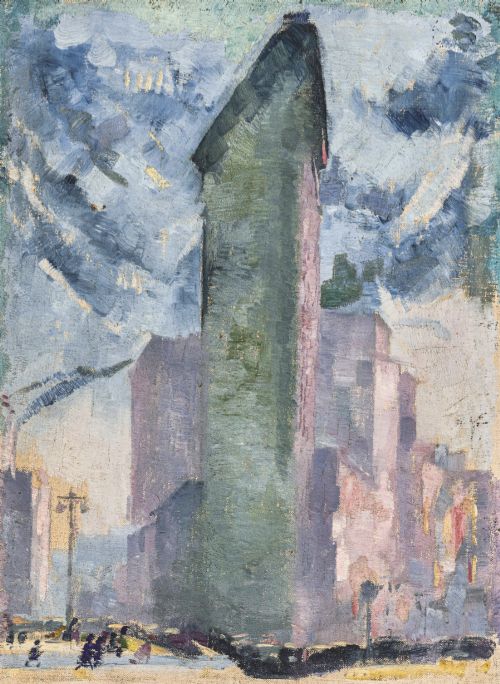
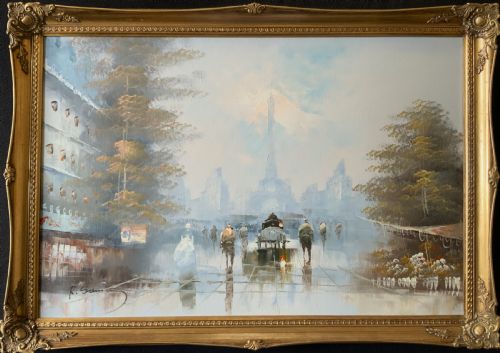
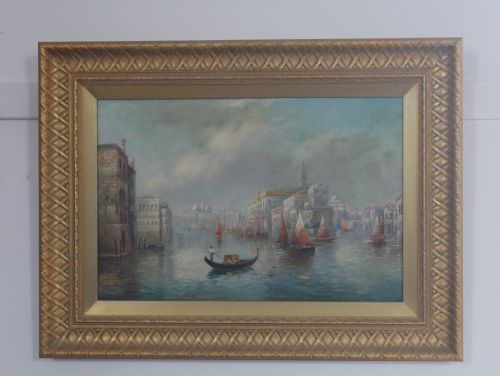
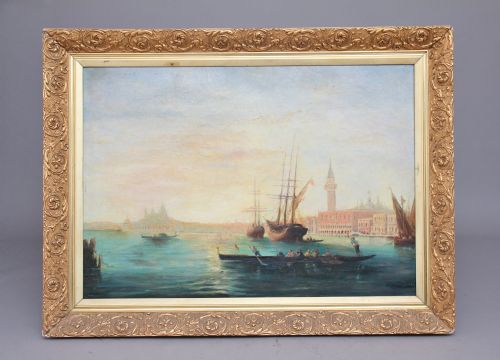
An antique cityscape painting captures urban life, iconic monuments, and bustling European streets from periods such as the Victorian era, Edwardian years, and the early twentieth century. These works depict specific locales ranging from London and Paris to Venice, Prague, and regional English towns.
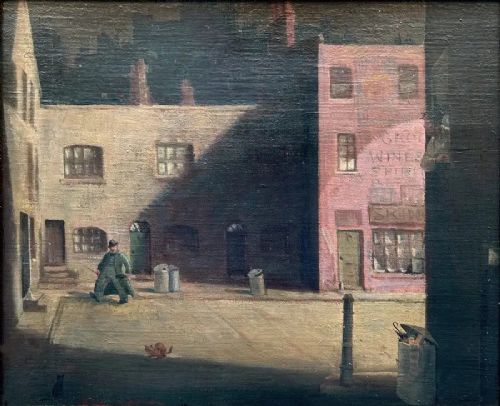
The subjects span grand architectural studies of cathedrals and canals alongside intimate street scenes populated by figures, boats, and daily commerce. Most examples encountered here belong to the nineteenth or early twentieth centuries, reflecting changing artistic movements from romanticism to impressionism.
How They Were Made
Artists predominantly utilised oil paint on canvas or board, applying pigments to build rich textures and atmospheric light across urban compositions. Alternatively, watercolours executed on paper offered a fluid medium suited to capturing transient weather and architectural detail.
Supporting structures typically involved wooden stretchers, gesso priming layers, and period giltwood frames that completed the presentation of the finished artwork.
Several artists preferred painting the bustling streets of Venice and Paris while dodging wandering pigeons and horse-drawn carriages.
What Varies in Quality
Quality rests upon the artist's command of perspective, light, and architectural accuracy in defining complex urban environments. Masterful brushwork brings movement and depth to crowded streets and waterways, distinguishing accomplished compositions from stiffer academic studies.
The handling of atmosphere, whether capturing the hazy light of the Venetian lagoon or the bustling atmosphere of a northern cathedral square, determines the artistic merit of each piece.
Alfred Pollentine·Francis Moltino·Victor Gabriel Gilbert·Alfred Wolmark·Claude Jousset
The Antique Cityscape Painting Glossary
- Oil on Canvas
- Pigment mixed with drying oil applied to a woven fabric support stretched across a wooden frame. This primary medium allowed artists to achieve deep colour saturation and rework passages of light.
- Watercolour
- A paint consisting of colour pigments suspended in a water-soluble vehicle, typically applied to paper. It yielded translucent washes prized for topographical clarity and swift plein-air studies.
- Gesso
- A white paint mixture consisting of a binder mixed with chalk, gypsum, or pigment, used to prepare wood panels or canvas surfaces. It provided a smooth, stable ground for subsequent layers of oil paint.
- Giltwood
- Wood carved and treated with a thin layer of gold leaf or gold paint. Frames constructed in this manner frequently accompanied fine nineteenth-century canvases to enhance their visual weight.
- Impressionism
- A nineteenth-century art movement characterised by relatively small, thin, yet visible brush strokes and an emphasis on accurate depiction of light. Artists applied these techniques to dissolve rigid outlines in bustling urban street scenes.
Antique Cityscape Painting: Frequently Asked Questions
What periods do these cityscape paintings usually date from?
The available works span the nineteenth and twentieth centuries, encompassing Georgian, Victorian, and Edwardian eras alongside later post-impressionist movements.
Dates frequently align with nineteenth-century romanticism through to early twentieth-century modernist and impressionist interpretations of European urban centres.
How do I identify different regional styles?
British works often feature familiar London landmarks and northern industrial towns executed in precise watercolour or traditional oil techniques.
Continental scenes, particularly from France and Italy, lean toward impressionistic treatments of light reflecting off canals and grand palazzos.
What subjects are most common in these works?
Popular motifs include historic bridges, bustling river Thames scenes, Venetian canals, and European cathedral squares filled with everyday figures.
Artists regularly recorded contemporary city life, documenting architectural changes and street processions across major capitals.