

Antique Italian Art Canvas
An antique italian art canvas brings centuries of continental craftsmanship, master studies and sunlit Venetian canals directly onto your wall.
Antique Italian Art Canvas
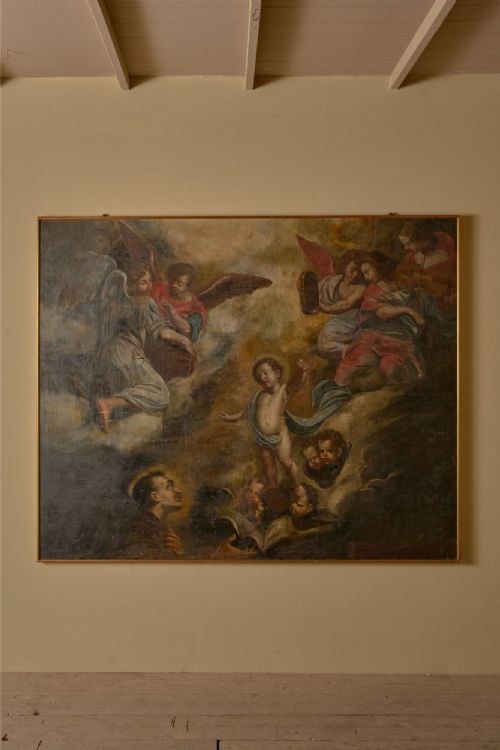
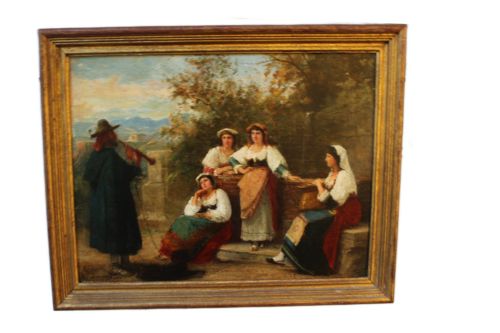
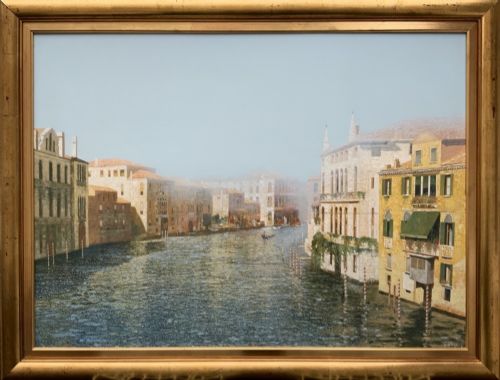
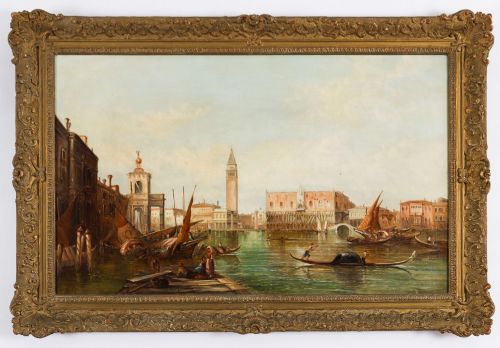
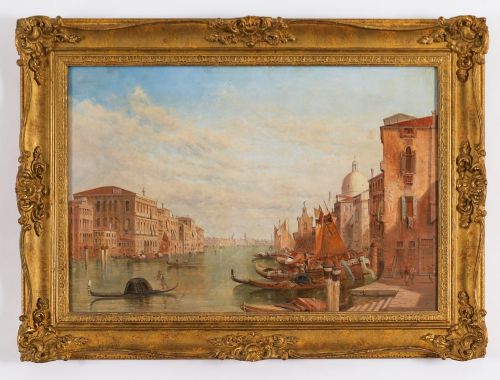
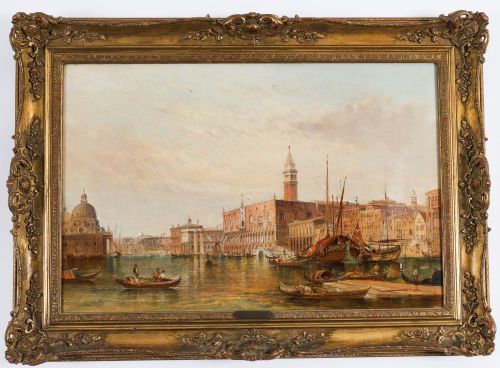
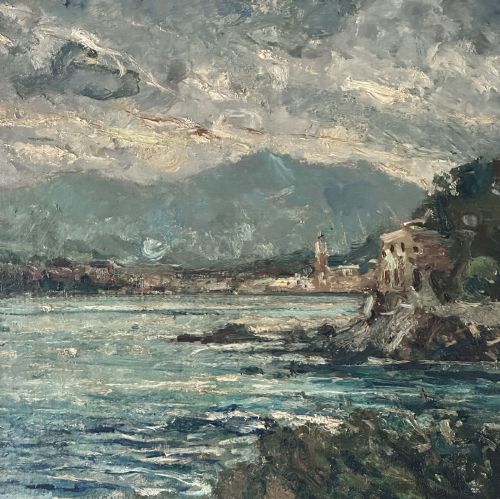
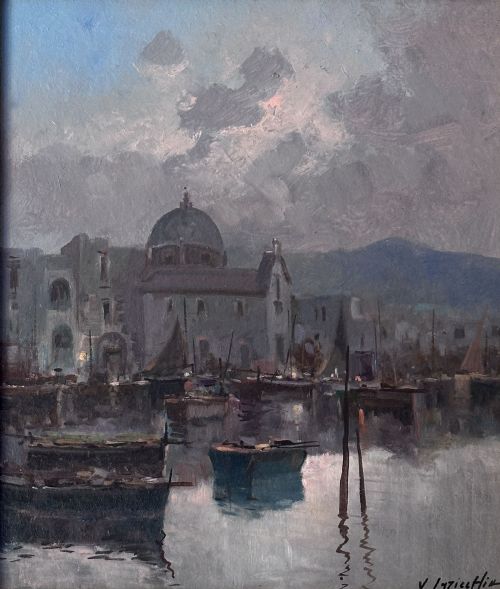
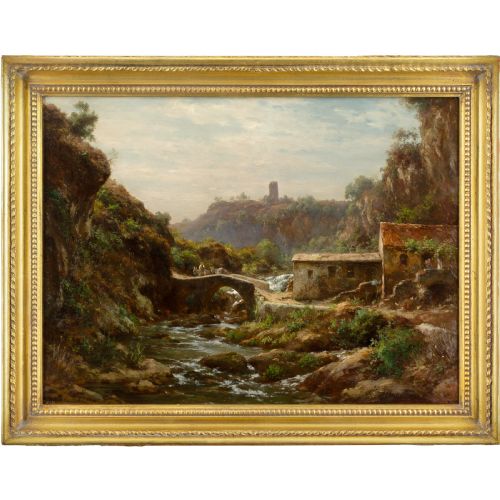
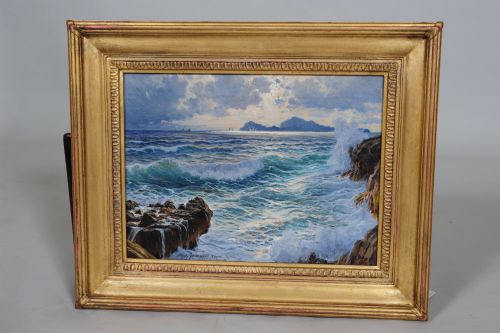
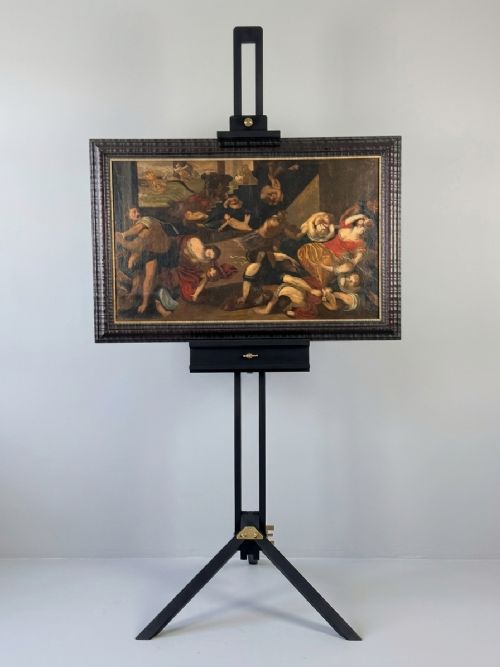
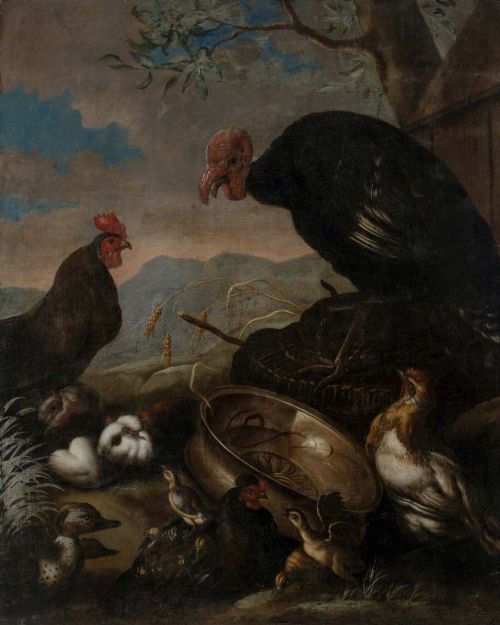
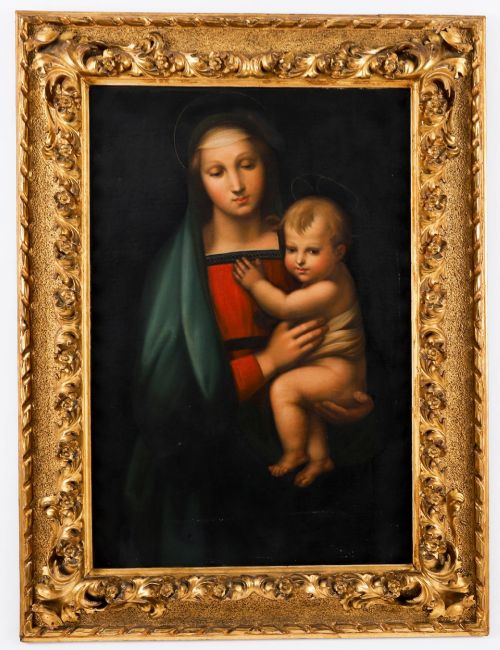
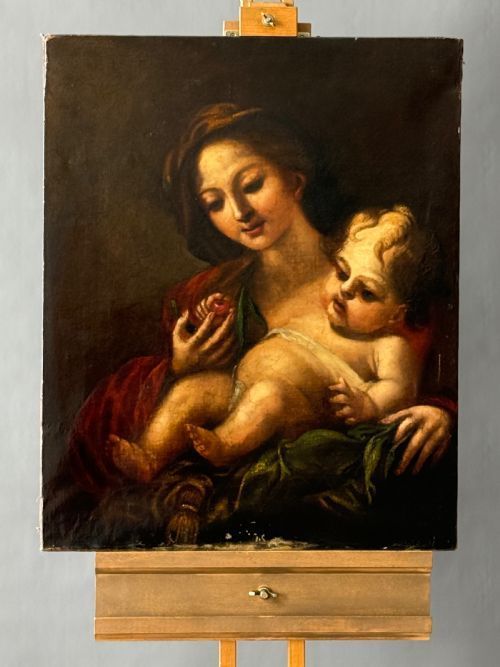
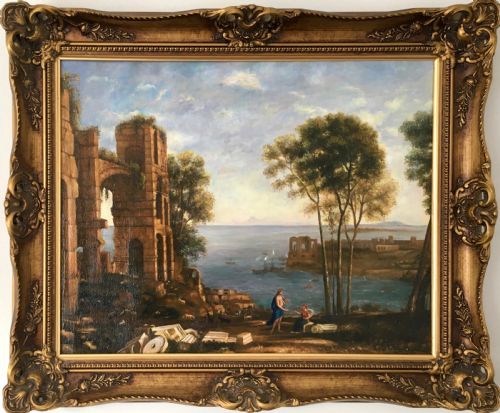
An antique italian art canvas comprises oil paintings on woven fabric spanning from the sixteenth century through the mid-twentieth century. The selection ranges from grand Renaissance and Baroque religious compositions to nineteenth-century Grand Tour lagoon views and pastoral landscapes.
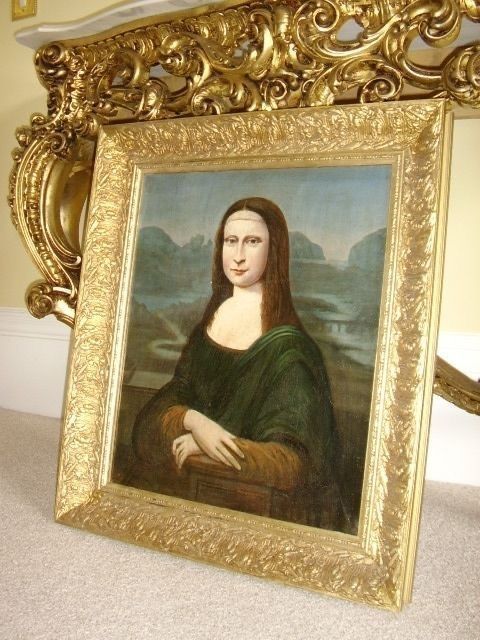
Venetian scenes and portraits after old masters dominate the grouping, frequently housed in carved giltwood frames. Buyers regularly encounter works by named nineteenth-century painters alongside anonymous studies from earlier Italian schools.
How they were made
Artists painted primarily using oil on woven canvas stretched over wooden frames, building up pigment in layers to achieve depth and luminosity. Many works incorporate gold leaf and giltwood on their frames, adding a reflective metallic border to the painted surface.
The physical support relies on traditional timber stretchers behind the fabric, while decorative frames employ carved wood finished with gold leaf or gilt. This combination of oil paint, canvas, and giltwood constitutes the physical baseline of the category.
Antique Italian Art Canvas Retail Price Guide 2026
Typical asking prices for italian art canvas among the pieces listed under this phrase on Sellingantiques today, from the lower quarter to the upper quarter. They describe what is for sale here now, not the wider market.
What varies in quality
Execution and authorship define the upper tier of these canvases, where confident brushwork, expressive handling of light, and adherence to established art historical traditions elevate a composition. Weaker examples rely on stiff repetition or derivative student interpretations that lack the vitality of prime workshop output.
The integrity of the canvas and paint surface dictates overall desirability, as unlined originals or skilled nineteenth-century restorations preserve the artist's original touch better than heavy overpainting. Frame quality also influences the whole, with period-appropriate hand-carved giltwood outperforming later replacements.
Alfred Pollentine·Sir David Murray RA·Francesco Guardi·Carlo Ferranti·Angelo Maria Crivelli·Guillaume Courtois·Umberto Volpato·Renato Moretti
The Antique Italian Art Canvas Glossary
- Canvas
- A heavy woven fabric used as a surface for oil painting. It provides the flexible substrate that supports historical pigment layers across centuries.
- Giltwood
- Wood that has been coated with thin sheets of gold leaf. This material frequently frames antique Italian paintings to create an opulent border.
- Grand Tour
- A cultural journey through Europe undertaken by young upper-class men during the eighteenth and nineteenth centuries. Travellers often acquired local landscape paintings to document their time in Italy.
- Old Master
- A term for a European painter of skill who worked before about eighteen hundred. These pieces often serve as the basis for later copies or studies found in the market.
- Pentimento
- A visible trace of earlier painting beneath the layers of paint, showing where the artist changed their composition. It serves as an indicator of an authentic, evolving historical work.
Antique Italian Art Canvas: Frequently Asked Questions
How do I date an old canvas?
Dating relies on examining the weave of the fabric, the composition of the wooden stretcher bars, and the style of the brushwork. Pigment analysis and the ageing characteristics of the oil paint further help place the work within a specific century.
Secondary clues include handwritten inscriptions on the reverse, maker stamps on the canvas lining, and the matching style of the accompanying frame. Comparing the subject matter to known historical periods narrows down the creation window.
What is a Grand Tour painting?
A Grand Tour painting is a portable landscape or architectural view purchased by wealthy travellers visiting Italy during the eighteenth and nineteenth centuries. These works documented specific sights like the canals of Venice or Roman ruins.
Artists catered to this travelling audience by producing evocative scenes of Italian light and topography. Today these paintings preserve a specific era of European travel and aesthetic appreciation.
Why do some canvases show pentimenti?
Pentimenti occur when an artist paints over an initial idea and the original brushstrokes gradually become visible again as the upper layers of oil paint age and become transparent. This natural chemical process reveals the creative changes made during the painting's execution.
Finding these alterations confirms that the artwork is a hand-painted piece built up in layers rather than a mechanical reproduction. Collectors view them as a mark of authentic human creation.