



Venetian Landscape Oil Painting
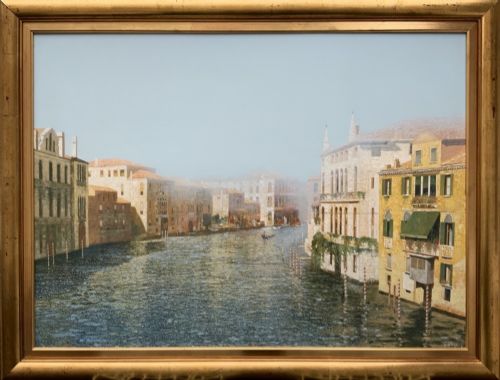
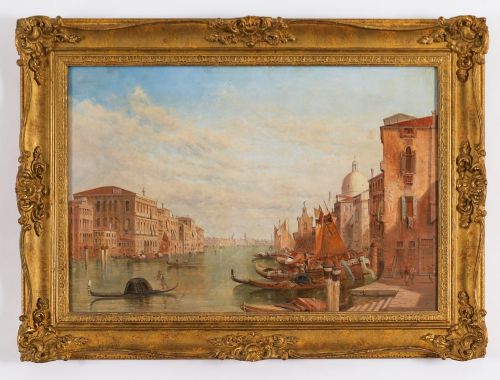
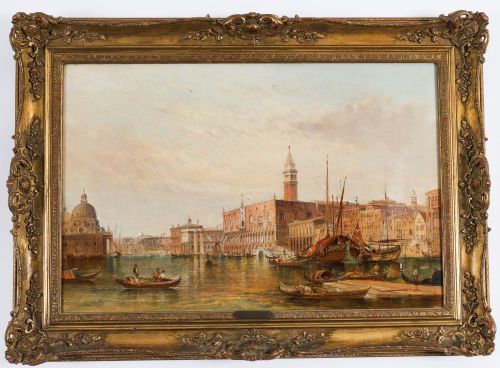
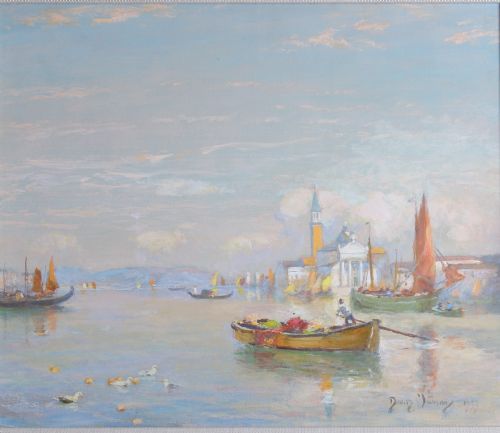
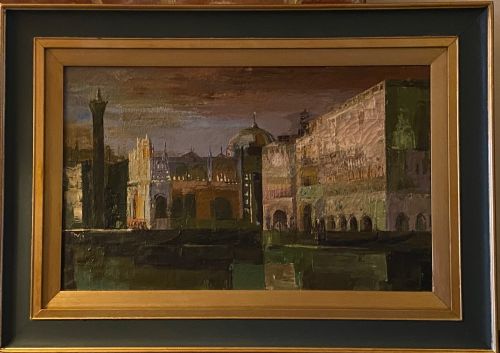
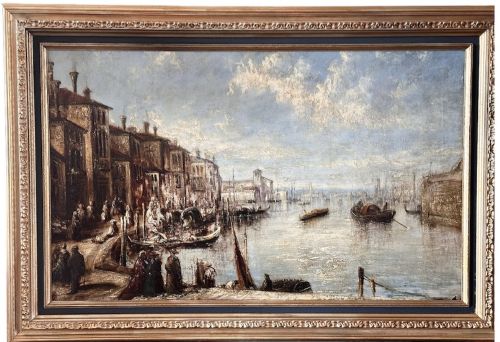
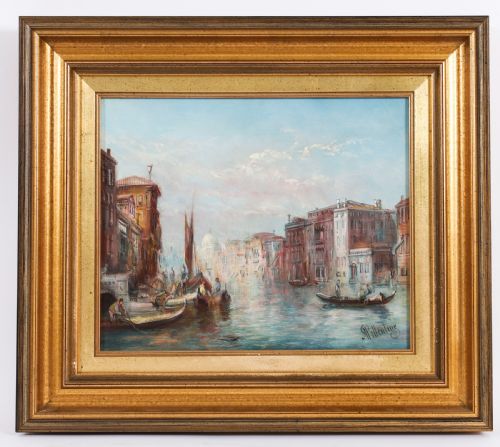
A venetian landscape oil painting captures the waterborne light and historic architecture of the lagoon.
Venetian Landscape Oil Painting
A venetian landscape oil painting brings the atmosphere of the canals, palaces, and lagoons into a room through historic pigment and canvas.
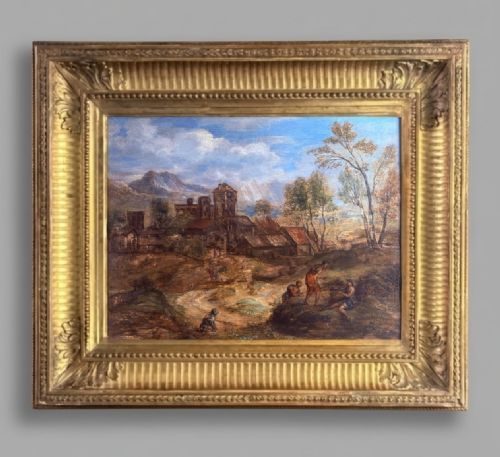
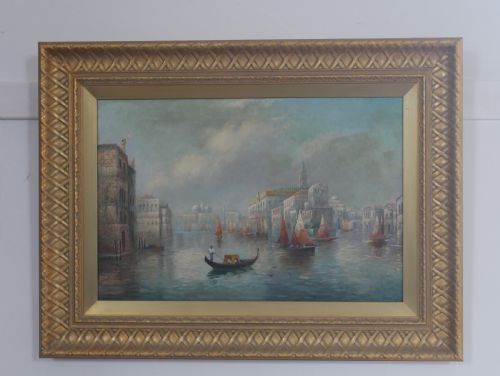
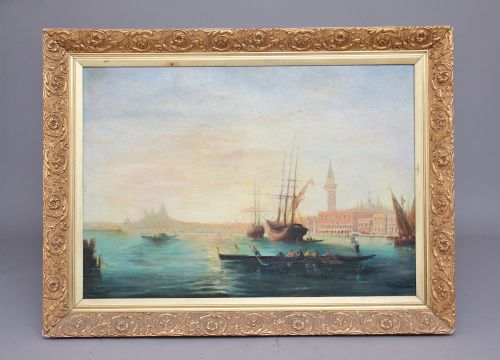
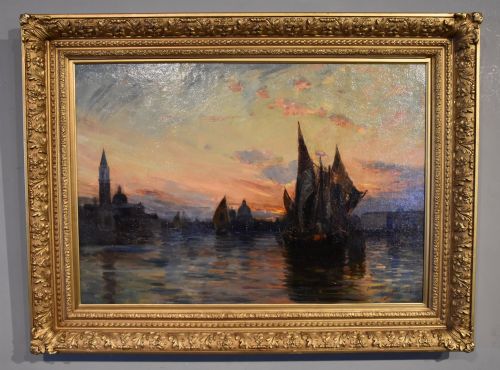
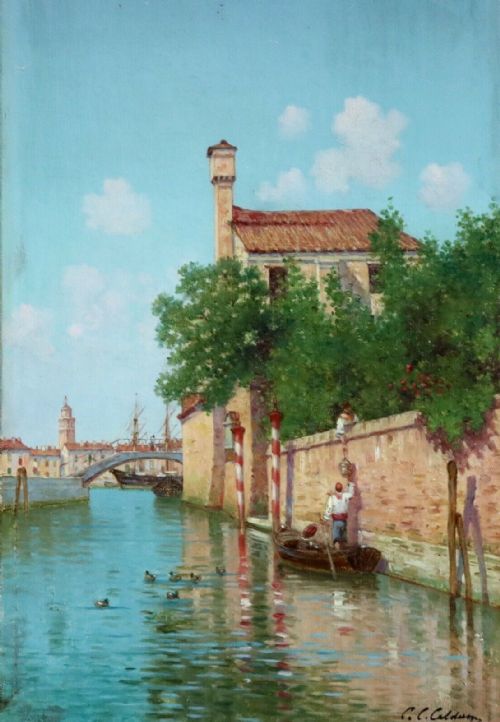
The pieces seen here span from the nineteenth century through the Edwardian period and into mid-century impressionism, showing scenes of the Grand Canal, the Doge's Palace, and Santa Maria della Salute.
Compositions range from intimate townscapes to large canvases depicting gondolieri and historic facades under varied Italian light.
Materials and construction
Artists built these works primarily using oil paint applied to canvas or wood panels, sometimes incorporating gesso grounds for texture and stability.
Many retain their period frames formed from giltwood or gilded wood, which complement the luminous palette of the pigments.
Venetian Landscape Oil Painting Retail Price Guide 2026
Typical asking prices for venetian landscape oil painting among the pieces listed under this phrase on Sellingantiques today, from the lower quarter to the upper quarter. They describe what is for sale here now, not the wider market.
Several canvases manage to make nineteenth-century gondolieri look remarkably unhurried despite the damp canal air.
Distinctions in standard
Quality rests in the handling of light and atmospheric perspective across the lagoon, separating routine topographical records from canvases with assured brushwork.
The strength of the composition and the preservation of the original oil paint surface and matching giltwood frame dictate the standing of an individual work.
Alfred Pollentine·Antonio DeVity·Francis Moltino·Claude Jousset·Jane Vivian·William Raymond Dommersen
The Venetian Landscape Oil Painting Glossary
- Giltwood
- Wood carved and coated with gold leaf or gilt, frequently found framing nineteenth-century canvases. It provides an ornate boundary that enhances the painted light.
- Gesso
- A plaster-like mixture applied to wood or canvas to prepare a smooth surface for oil paint. This preparation helps preserve the integrity of the paint layer over decades.
- Impressionism
- A style focused on accurate depiction of light and its shifting qualities rather than strict academic detail. Many mid-century and nineteenth-century interpretations of the lagoon adopt this approach.
- Canvas
- The heavy woven fabric stretched across a wooden frame to support oil paint. It remains the principal substrate for works depicting the Venetian canals.
Venetian Landscape Oil Painting: Frequently Asked Questions
How do I date a venetian landscape oil painting?
Dating relies on stylistic clues, costume details on figures like gondolieri, and framing materials. Signatures and archival records also help anchor the work to a specific decade.
Nineteenth-century examples often lean towards romanticism and detailed architecture, whereas mid-century pieces show freer brushwork characteristic of later impressionism.
Where were these paintings displayed originally?
These works hung primarily in domestic drawing rooms and galleries as part of the Grand Tour tradition. Collectors brought them home to record travels across Italy.
Today they suit study walls, living rooms, and hallways where traditional lighting highlights the gilded frames.
What subjects appear most often?
Common subjects include the Grand Canal, the Doge's Palace, the Dogana, and Santa Maria della Salute. Artists also recorded quieter corners of the lagoon and bridges.
Views frequently incorporate gondolas and figures gathered near the water under changing evening or daytime light.
How should I care for an oil painting on canvas?
Keep the canvas away from direct sunlight and steady humidity fluctuations to prevent cracking in the oil paint. Dust the surface gently with a soft, dry brush without applying pressure.
Leave conservation work and cleaning of the giltwood frame to professional restorers to protect the original materials.