


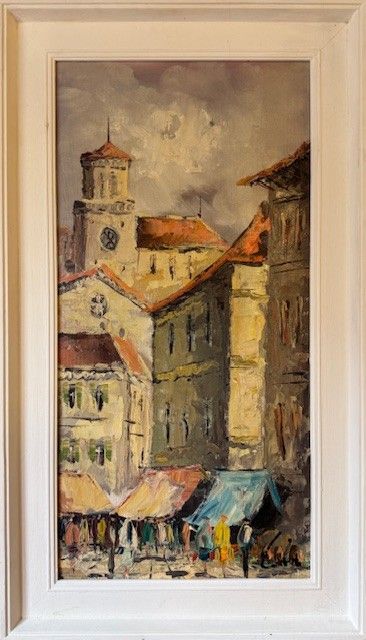

Canvas Architectural Painting
Canvas architectural painting brings historical streetscapes, grand monuments and town squares into the home through oil on canvas.
Canvas Architectural Painting
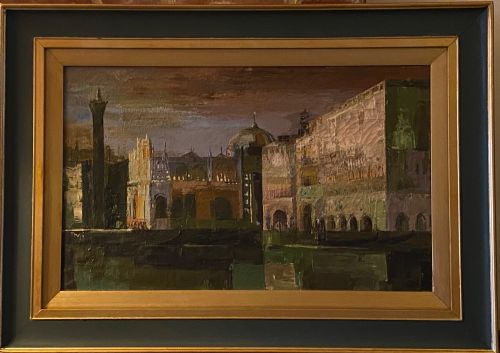
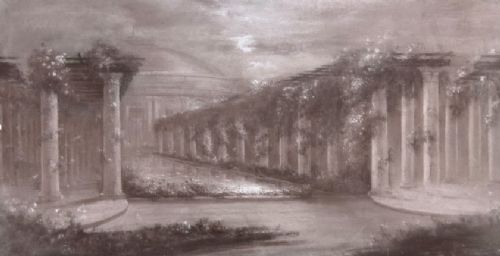
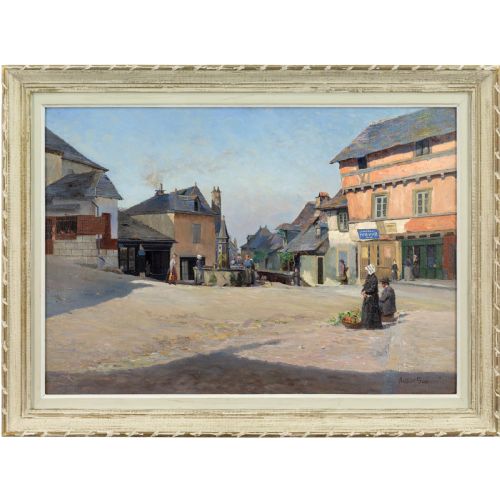
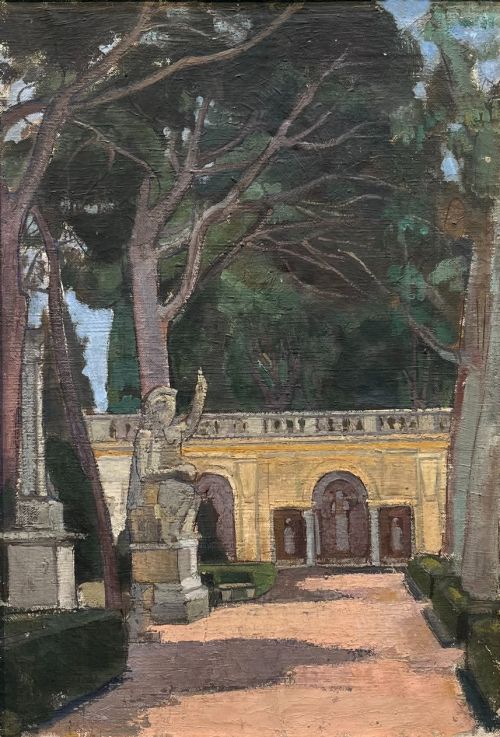
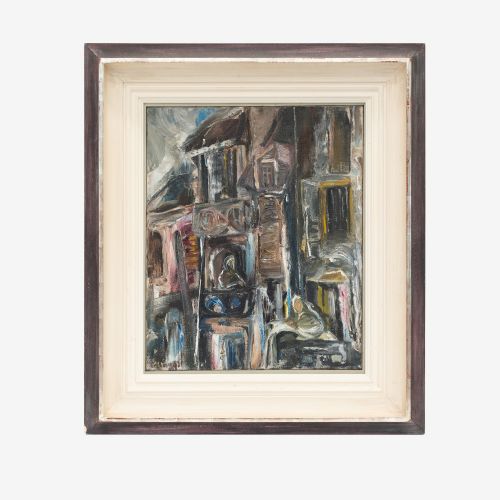
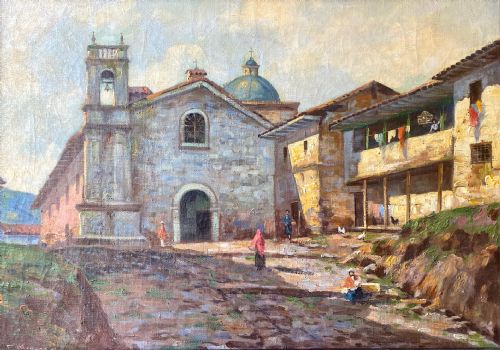
A canvas architectural painting captures urban views, historic buildings, cathedrals and street scenes across several centuries of artistic production. You will most frequently encounter works dating from the nineteenth century through the mid-twentieth century, encompassing European and international townscapes.
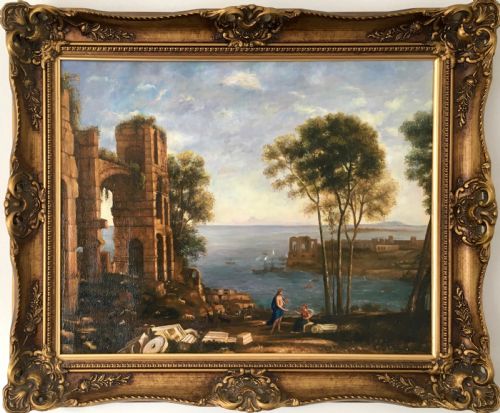
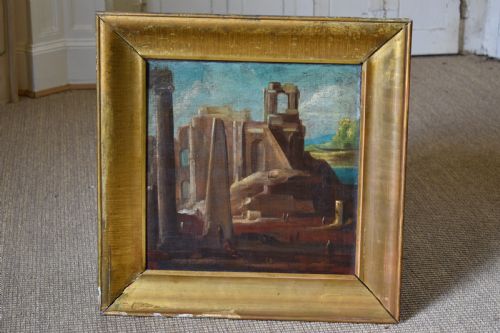
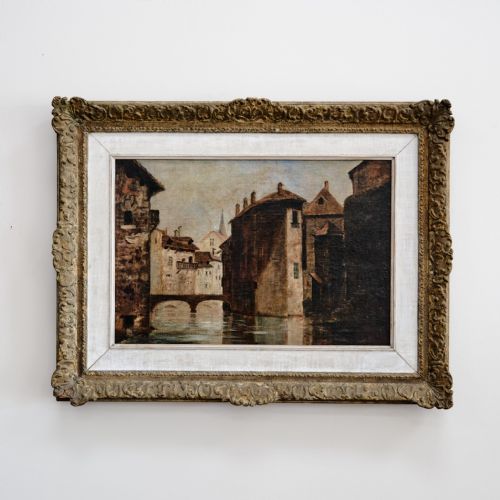
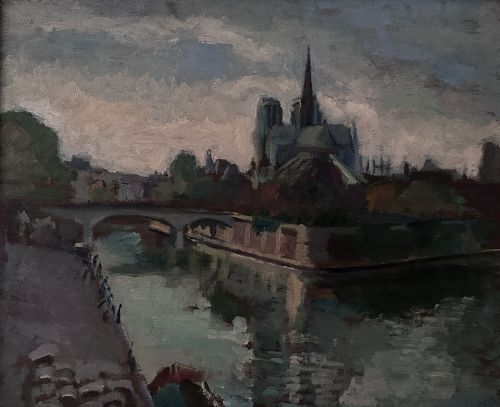
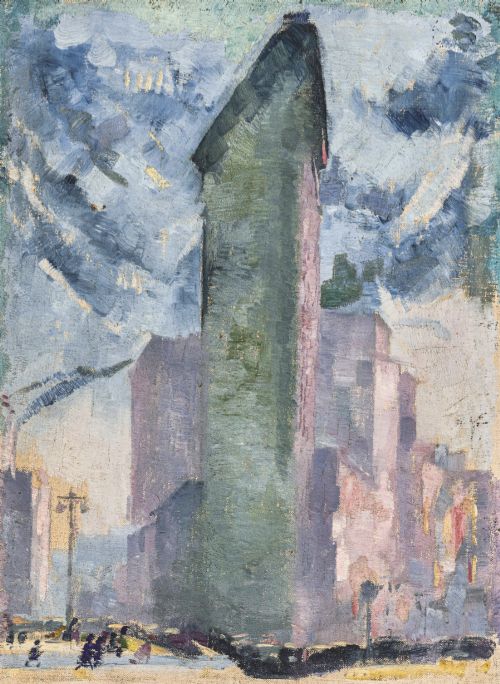
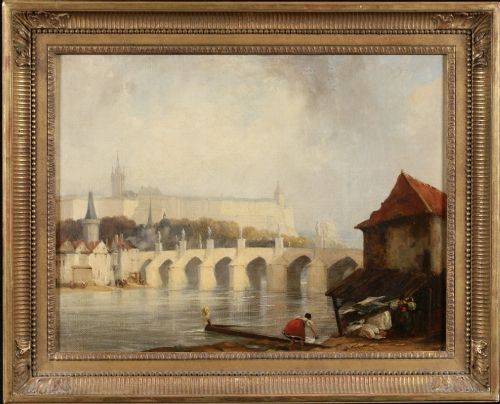
The subjects range from grand continental canals and Italianate landscapes to specific city landmarks like the Flatiron Building, Paris streets and Prague Castle. These artworks often arrive mounted on stretchers, occasionally housed within period frames of giltwood or gesso.
Creators span from named artists associated with British, French and German schools to anonymous hands working in naive, impressionist, or expressionist modes. The scale varies from intimate sketches to huge panoramic wall art and folding screens.
Materials and methods
The primary fabric is woven canvas stretched over wooden frames, providing a flexible ground that accepts oil paint, impasto and occasional charcoal or gesso layers. Artists applied oil paint using brushwork or palette knives to build texture, light and shadow within the architectural composition.
Frames frequently utilise carved wood finished with gold leaf, giltwood, or gesso ornamentation to complement the visual weight of the oil painting. Paper attachments or reinforcements occasionally appear on the reverse of the canvas stretcher to stabilise older works.
Listings feature oil on canvas works spanning from the eighteenth century to the mid-twentieth century, incorporating wood, gesso and giltwood frames.
Distinguishing the works
The strength of perspective, handling of light and precision in rendering structural details separate accomplished compositions from simpler student exercises or naive interpretations. Mastery over the interplay of sunlight and shadow on stone facades dictates the visual impact of the street scene.
The handling of the oil medium itself, whether through delicate impressionist brushstrokes or thick expressionist impasto, defines the artistic execution. Original framing and the stability of the canvas and stretcher assembly also contribute to the overall integrity of the piece.
Arthur Gué·Alfred Wolmark·Lilian Colbourn·Ron Folland·Cornelis Christian Dommersen·Armand Guillaumin·Job de Vogel·Pieter Cornelis Steenhouwer·Samuel Sidley
The Canvas Architectural Painting Glossary
- Impasto
- Paint applied thickly to a canvas, standing out from the surface so that texture catches the light. This technique adds tactile depth to architectural stonework.
- Stretcher
- The wooden frame upon which an artist's canvas is stretched tight before painting. Older pieces rely on pegged wooden joints.
- Giltwood
- Wood carved and treated with a thin layer of gold leaf or gold paint. Many traditional frames utilise this finish to enhance oil paintings.
- Gesso
- A paint mixture consisting of a neutral binder mixed with chalk, gypsum, or pigment. It prepares the canvas surface or forms moulded ornamentation on frames.
- Grand Tour
- A traditional trip of Europe undertaken by upper-class Europeans for pleasure and education. Paintings from this context often recorded specific architectural monuments abroad.
Canvas Architectural Painting: Frequently Asked Questions
What periods do these paintings cover?
The inventory spans from the eighteenth century through the Victorian era and into mid-century modern decades.
Most examples date from the nineteenth and mid-twentieth centuries, reflecting changing European and international artistic movements.
How should I hang a large canvas?
Large canvases require secure wall fixings suited to the combined weight of the wooden stretcher and the heavy oil paint.
Ensure the hanging wire or D-rings on the frame are robust enough to support the specific dimensions of the artwork.
Are these works signed by artists?
Some pieces feature legible signatures, dates or attribution notes by listed painters from British, French or German schools.
Other works remain anonymous or represent regional school studies where the specific creator is unrecorded.
What subjects are most common?
Common subjects include European town squares, continental canals, gothic castles, and specific city landmarks like bridges and cathedrals.
Urban street scenes and architectural facades dominate the artistic interpretations across different painting styles.