



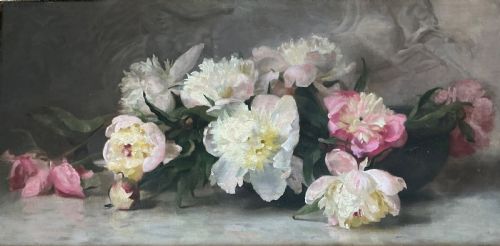

Grey Impressionist Oil Painting
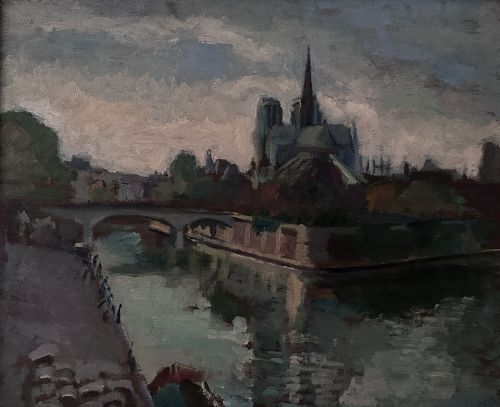
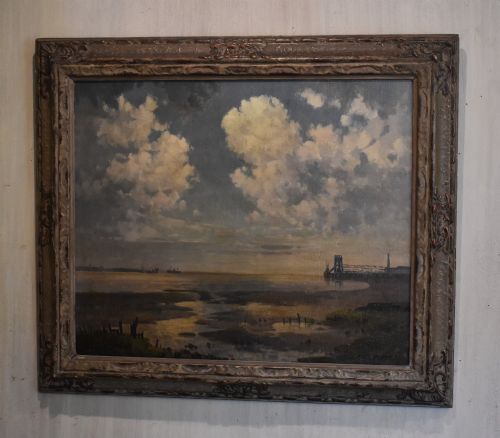
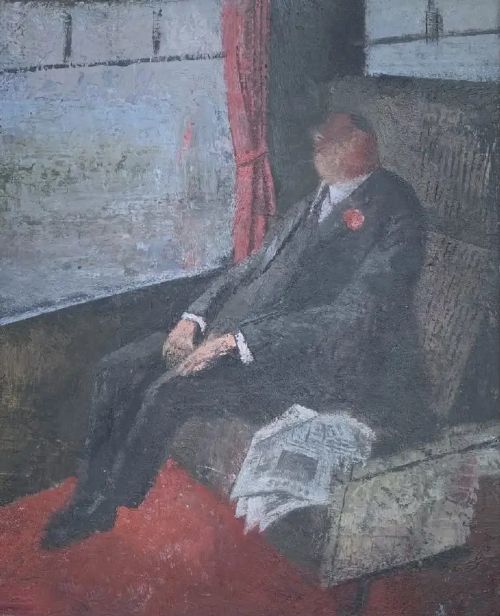
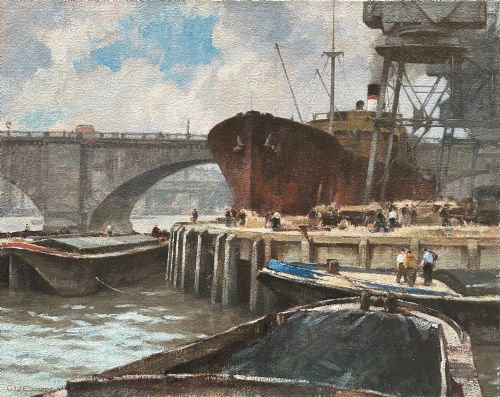
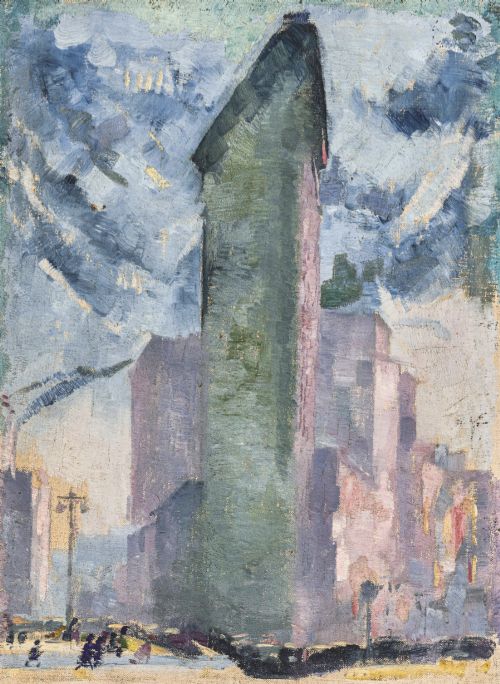
A grey impressionist oil painting captures light and atmosphere through textured brushwork, offering buyers a moody glimpse into historical landscapes and cityscapes.
Grey Impressionist Oil Painting
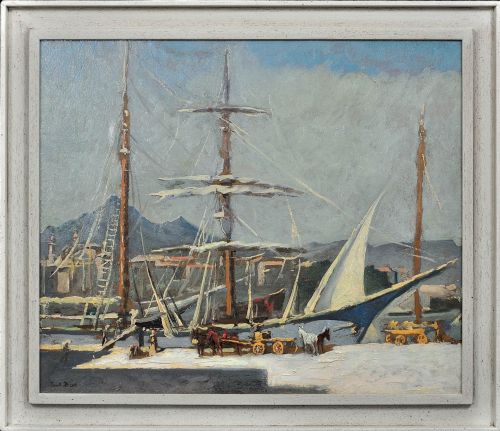
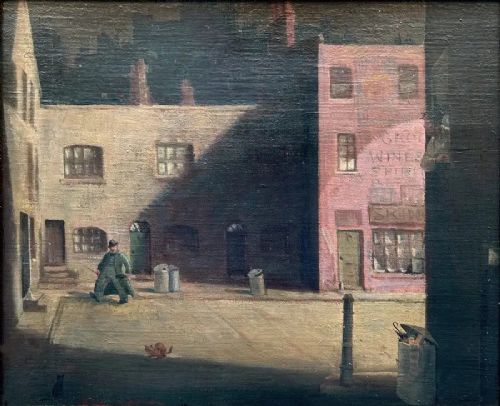
A grey impressionist oil painting represents a specific aesthetic focus on muted tones, overcast skies, and atmospheric weather conditions. When exploring this selection, buyers encounter works originating from the nineteenth century through the mid-twentieth century, encompassing British Impressionism, Post-Impressionism, and Modern British movements.
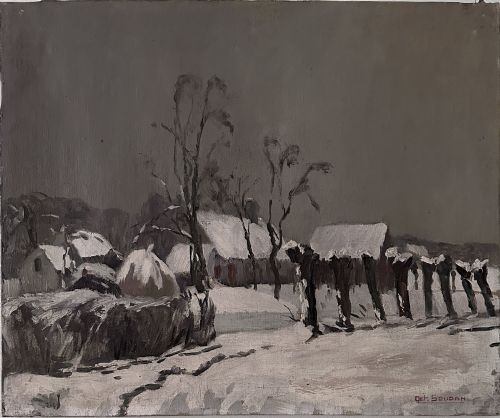
The subjects span coastal seascapes, urban river scenes, snowy village lanes, and harbour views executed on canvas, board, or wood panel. Many pieces arrive housed in their original wood frames, retaining the character of their period of creation.
How they were made
Artists built these compositions primarily using oil paint applied to canvas, wood panels, or boards, often employing visible, impasto brushstrokes to capture fleeting effects of light. The physical application of pigment creates depth and texture on the surface of the support.
Finished works were subsequently secured within wooden frames, which frequently match the period and regional style of the painting itself.
Several artists captured chilly canal banks and snowy pastures, proving that grey skies inspire the most industrious painters.
What varies in quality
The distinction between standard examples and superior works lies in the confidence of the brushwork and the artist's ability to convey atmospheric depth using a restricted grey palette. Mastery of light and shadow distinguishes accomplished compositions from routine topographical records.
Condition also plays a role, particularly the stability of the oil paint layer on canvas or panel and the preservation of the original wood frame.
Clive Browne·Paul Bret·Francisco Sancha·Cyril Walduck Edwards·Alfred Wolmark·Florence Adelina Hess·Paul-Jean Anderbouhr·Edouard Julien·Raymond Picque·Fred Pailhes·Gertrude Hayes·Herbert Royle·Ron Folland·Philippa Maynard Romer·William Greaves·William Grant Murray·Ernest Higgins Rigg·Owen Bowen·Kershaw Schofield
The Grey Impressionist Oil Painting Glossary
- Impasto
- Paint applied thickly to a canvas or panel, standing out in relief from the surface. This technique allows brush marks to catch the light and add physical texture to the scene.
- Post-Impressionism
- An artistic movement following impressionism that extended its use of vivid colours and thick paint while emphasising geometric forms or expressive content. Artists working in this style often explored symbolic or more personal interpretations of subjects.
- Panel
- A flat piece of wood used as a rigid support for oil painting instead of stretched canvas. Panels provide a stable surface that artists frequently utilised for smaller sketches and detailed works.
- Provenance
- The chronological history of the ownership of a work of art. Documented origin helps verify authenticity and provides context for the piece's journey through time.
Grey Impressionist Oil Painting: Frequently Asked Questions
What subjects appear in these paintings?
The works depict a range of subjects including coastal harbours, river scenes, winter villages, and urban architecture. These motifs reflect the everyday surroundings and travels of the artists.
Many compositions focus on maritime environments, industrial waterways, and rural countryside lanes rendered under overcast or muted skies.
How should I care for an oil painting?
Protect the artwork from direct sunlight and dramatic fluctuations in temperature or humidity. These environmental controls prevent the canvas and oil paint from cracking.
Dust the surface gently with a soft, dry brush and avoid applying liquid cleaners or water directly to the painted areas.
Are these paintings supplied framed?
Many listings include the original wood frame accompanying the artwork from its period of creation. These frames complement the aesthetic of the composition.
Details regarding the specific framing appear in individual item descriptions to confirm whether the piece retains its historical mount.
How are the different periods distinguished?
Periods are identified through a combination of stylistic markers, artist signatures, and recorded dates of creation spanning from the nineteenth century to the mid-twentieth century. Edwardian and mid-century modern traits offer further chronological clues.
Examining the materials, stretcher bars, and framing techniques provides additional context for dating each specific artwork.