
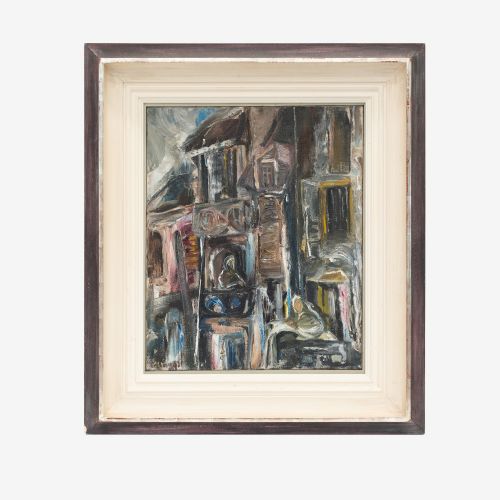


Expressionist Landscape Painting
Expressionist landscape painting captures intense emotion through bold brushwork and vibrant colour, offering buyers a window into mid-century artistic vision.
Understanding expressionist landscape painting
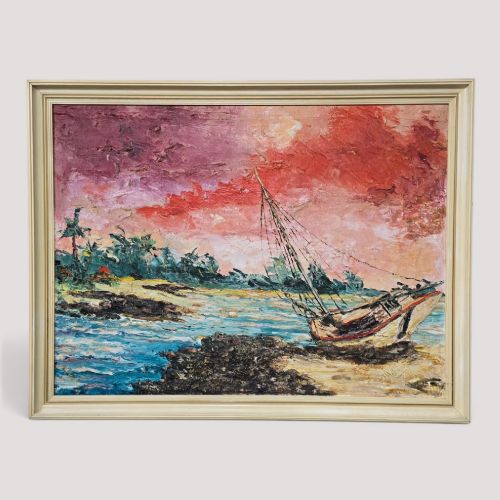
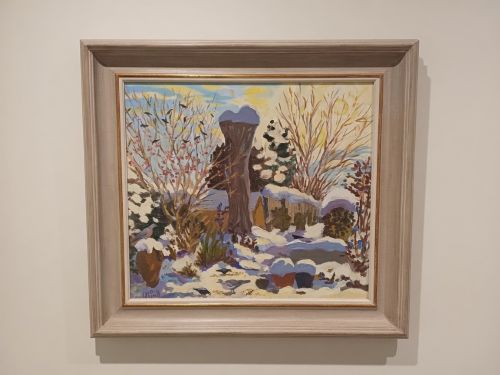
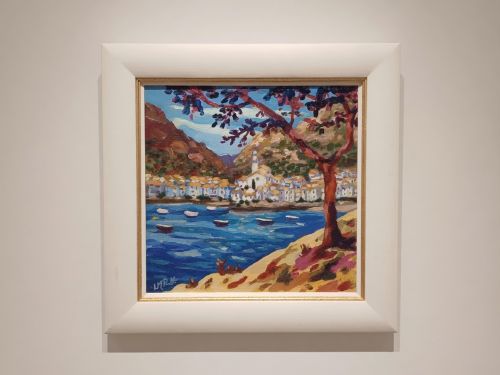
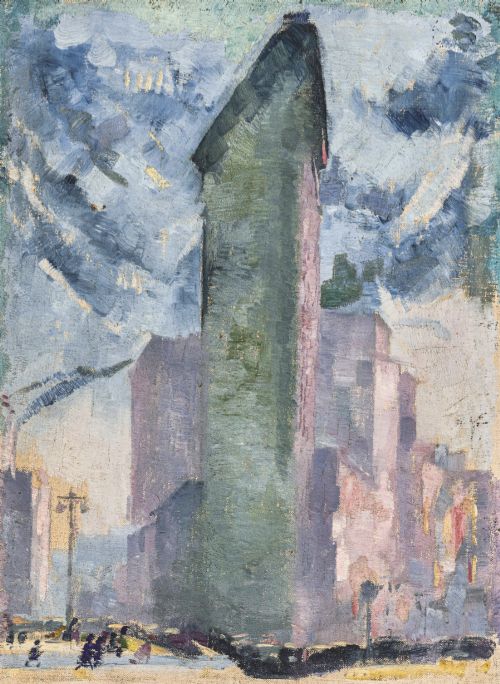
An expressionist landscape painting portrays scenery through subjective emotional response rather than strict visual realism, prioritising raw feeling over literal accuracy. The selection here centres on mid-century examples produced during the nineteen fifties and nineteen sixties, capturing a period of bold experimentation across European art.
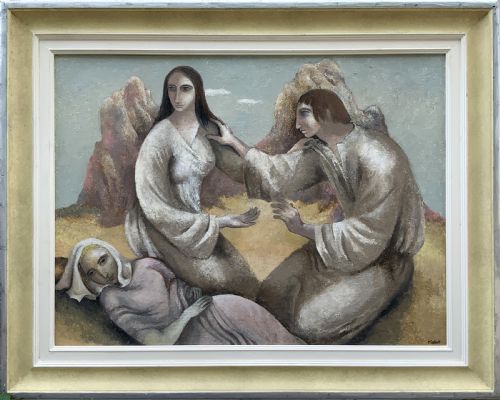
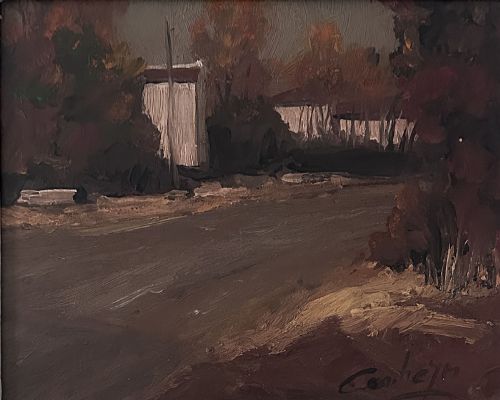
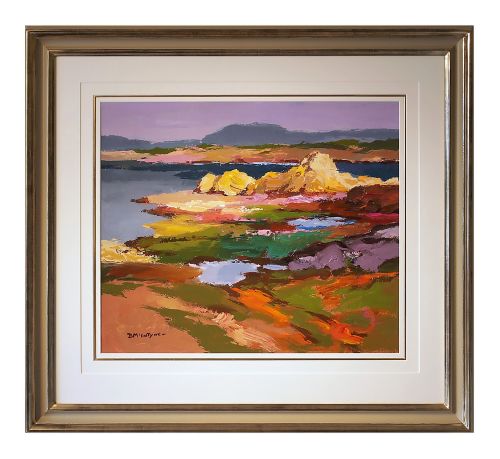
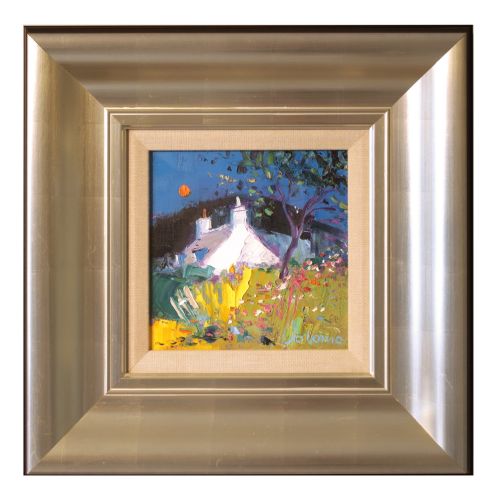
The pieces on offer span British, French, and Scandinavian origins, reflecting diverse regional approaches to the genre. Buyers encounter works rendered on canvas and board, frequently framed in wood, representing scenes from Cornish churchyards to Swedish summer landscapes and French abstracted compositions.
Materials and methods
Artists utilise oil paint applied to canvas or board substrates, working with techniques that emphasise visible brushstrokes and energetic application. The physical texture of the paint surface remains integral to the visual impact of each work.
Framing forms an intrinsic part of the physical object, with wood frames housing the painted supports and completing the presentation of these mid-century works.
The site listings feature works created during the nineteen fifties and nineteen sixties, executed in oil paint upon canvas or board.
Assessing quality
Quality rests upon the confidence of the brushwork and the sureness of the compositional structure, where energetic mark-making serves a deliberate visual purpose rather than mere decoration. Superior pieces demonstrate a mastery of colour relationships that generates genuine atmospheric depth.
The integrity of the original support, whether canvas or board, alongside the harmony of the accompanying wood frame, contributes to the overall standing of an individual painting.
Joan Gillchrest
The Expressionist Landscape Painting Glossary
- Expressionism
- An artistic style in which the artist seeks to depict subjective emotions rather than objective reality through distorted forms and bold colours.
- Canvas
- A closely woven fabric stretched across a wooden frame to provide a firm yet flexible surface for oil painting.
- Board
- A rigid flat panel used as an alternative to canvas for supporting painted compositions.
- Mid-Century Modern
- A design and art movement spanning roughly the middle decades of the twentieth century, noted for clean lines and progressive aesthetic values.
Frequently Asked Questions
What defines an expressionist landscape painting?
These works use distorted forms, vigorous brushwork, and non-naturalistic colour palettes to convey the emotional resonance of a scene rather than its photographic appearance.
They reflect the modernist impulse of the mid-twentieth century to prioritize inner vision and subjective interpretation over traditional academic representation.
How should I care for an oil painting on canvas?
Keep the piece away from direct sunlight and fluctuating humidity levels to protect both the oil pigments and the underlying canvas support.
Dust the surface gently with a dry, soft brush and avoid using any liquid cleaners or solvents on the paint layer.
How do I identify a mid-century work?
Mid-century paintings often display characteristic modernist palettes, abstracted geometries, or expressive handling of paint typical of the nineteen fifties and sixties.
The materials, framing styles, and signature characteristics of the period further help establish the date of creation.
Where were these landscape paintings produced?
The pieces originate from various European contexts, including British, French, and Swedish artistic communities active during the mid-twentieth century.
Each regional school brings distinct atmospheric qualities and local landscape traditions to the expressionist framework.