

Gilt Wood Wall Art
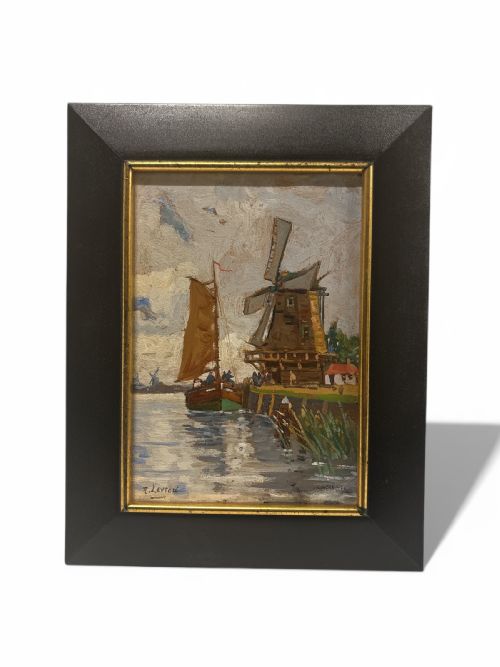
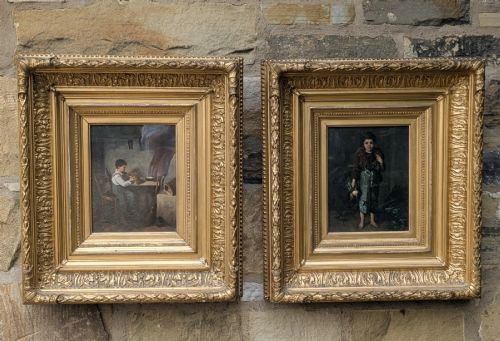
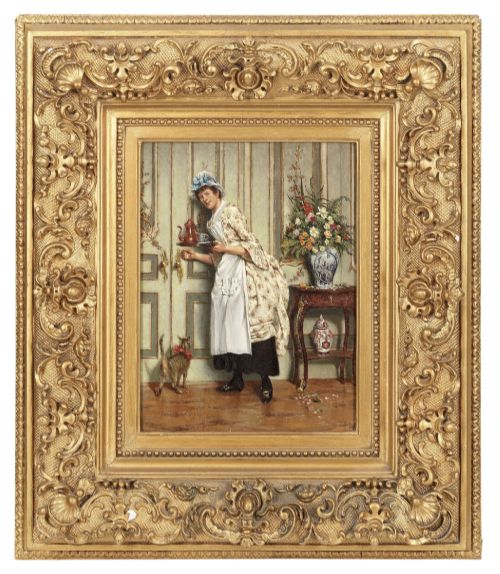
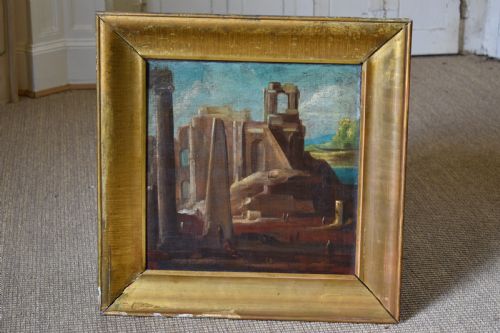
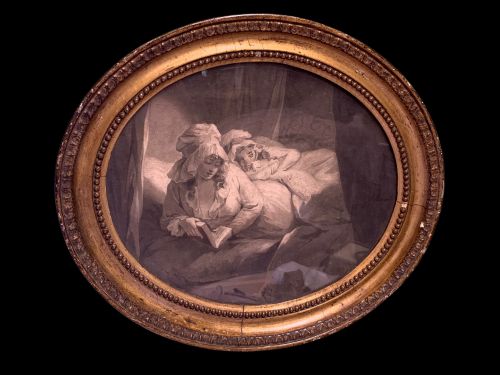
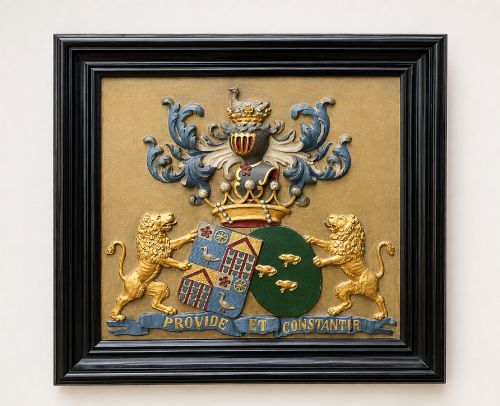
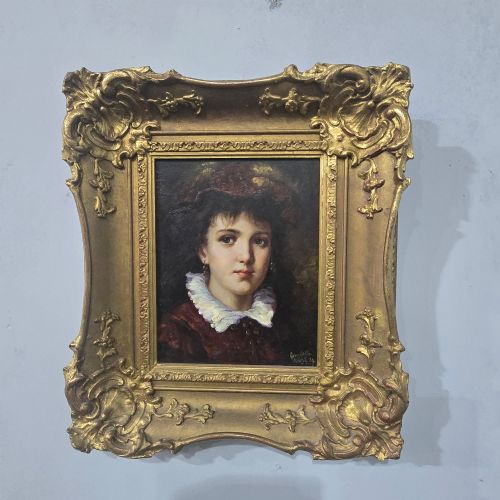
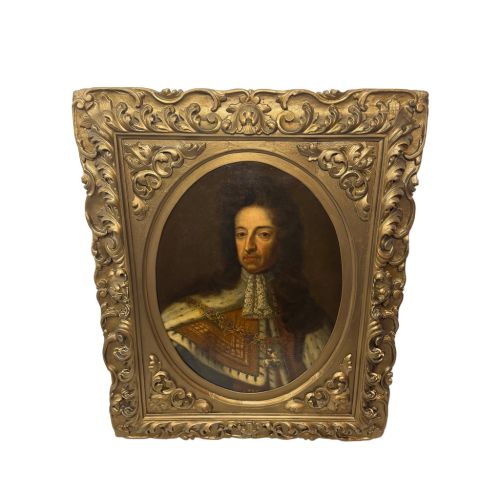
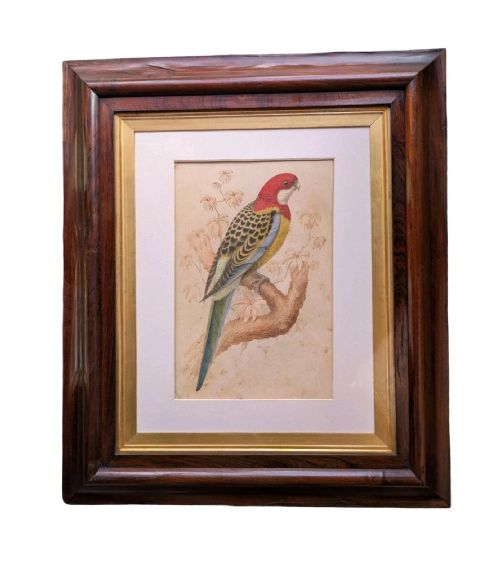
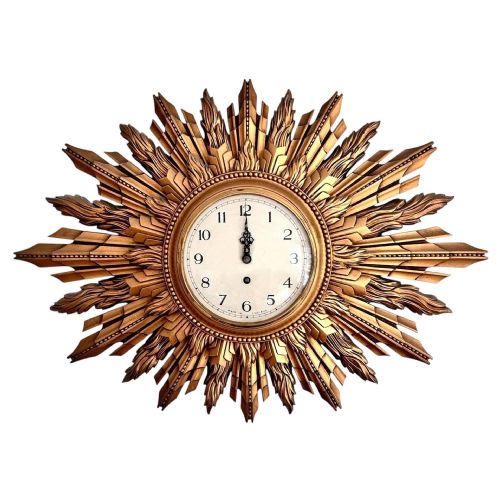
When searching for gilt wood wall art, you encounter everything from ornate mirrors and sunburst clocks to oil paintings in period frames.
Gilt Wood Wall Art
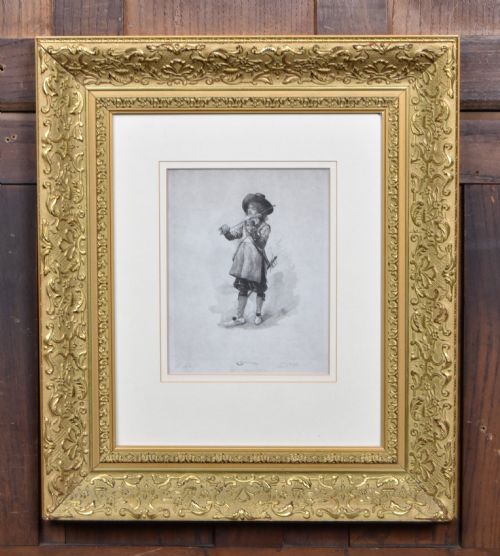
The search for gilt wood wall art leads directly to items framed or carved in gilded timber, spanning centuries of decorative and fine art. Mirrors, paintings, engravings, and clocks dominate the selections available on this page.
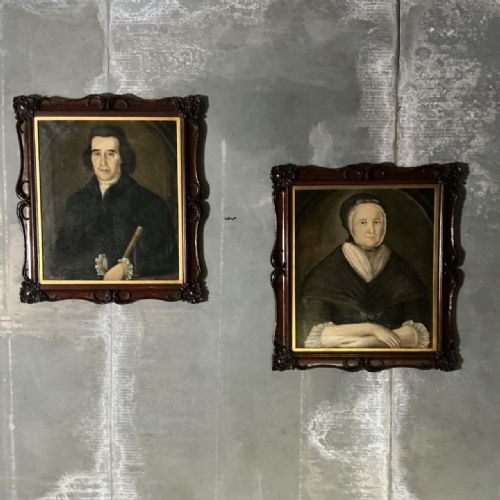
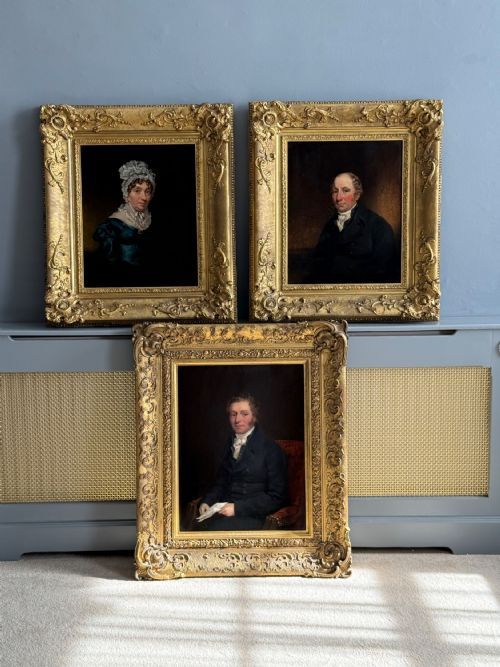
Mirrors and wall clocks utilise shaped frames such as cartouche or starburst designs originating from French and Italian workshops. Paintings and portraits from the seventeenth to the twentieth century retain their period or antique gilt surrounds.
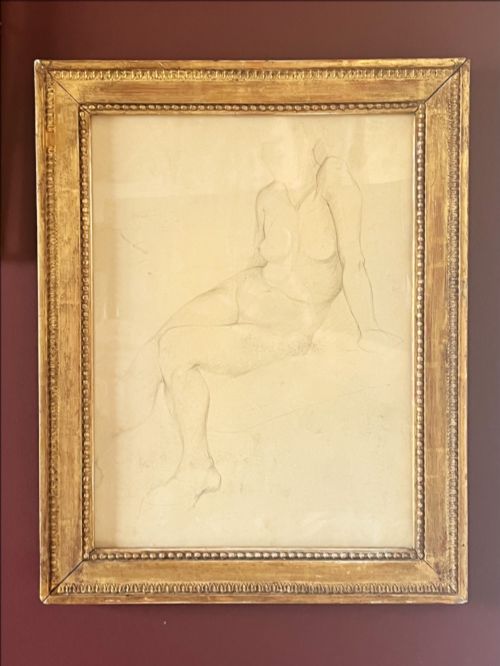
Works on paper, canvas, and panel sit alongside carved wooden architectural elements like overdoor panels. These pieces reflect styles from Baroque and Regency through to Art Deco and Impressionist periods.
How They Were Made
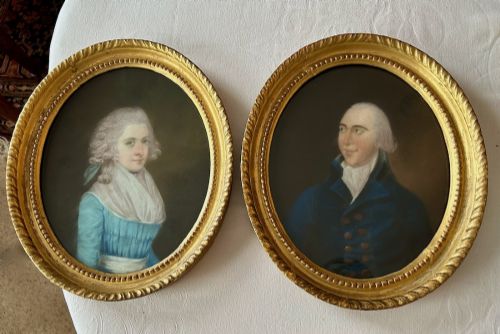
Makers constructed the core structures from wood, applying gold leaf or liquid gilder's finish to carved mouldings, panels, and frames. Glass protects delicate watercolours, engravings, pastels, and pencil drawings.
Canvases and wooden panels hold oil paintings and portraits executed by hand, while lithographs and prints utilise paper mediums. Carved wooden architectural details display hand-chiseled motifs such as cherubs and floral arrangements.
Gilt Wood Wall Art Retail Price Guide 2026
Typical asking prices for gilt wood wall art among the pieces listed under this phrase on Sellingantiques today, from the lower quarter to the upper quarter. They describe what is for sale here now, not the wider market.
Materials in these listings span oil on canvas, pastel portraits, engravings, and carved timber.
What Varies in Quality
The crispness of carved wooden detail and the depth of the gilding separate standard production from superior work. Hand-carved elements display precise linework and natural relief that stamped or moulded substitutes lack.
The integrity of the underlying wooden structure and the preservation of original surfaces dictate the desirability of each piece. Retaining the original period frame enhances the historical harmony of paintings and mirrors.
Joseph Clover RA·R Leyton·Emily Eyres·Stephen Samuel Lewin·Thomas Creswick·Johannes Lingelbach·Frederick Walker·Sir Alfred East·Charles Hunt·Albin Mattenheimer·Valdemar Magaard·Alfred Arthur Brunel de Neuville
The Gilt Wood Wall Art Glossary
- Giltwood
- Wood that has been covered with a thin layer of gold leaf or powder. This technique provides a luminous metallic finish popular on antique frames and mirrors.
- Cartouche
- An ornamental frame or tablet resembling a scroll or paper with rolled edges. It frequently appears on ornate eighteenth and nineteenth century wall mirrors.
- Pastel
- A medium consisting of powdered pigment and a binder rolled into sticks. Pastel portraits require protective glass glazing to prevent the pigment from smudging.
- Engraving
- A printmaking process where an artist cuts lines into a metal plate to hold ink. Impressions transferred to paper yield fine tonal detail in period frames.
Gilt Wood Wall Art: Frequently Asked Questions
How do I hang a heavy gilt wood mirror?
Heavy frames require sturdy wall anchors and fixings rated to bear the substantial combined weight of the timber and glass.
Professional mirror hangers recommend securing the piece directly into wall studs using appropriate load-bearing brackets.
Are gilt frames cleaned with water?
Moisture damages fragile gold leaf and historical wooden surfaces, making liquid cleaners unsuitable for antique gilt frames.
Dusting gently with a soft, dry brush preserves the delicate metallic layers without causing flaking or abrasion.
What periods do these wall pieces span?
The inventory encompasses items from the seventeenth century through to the Art Deco era of the nineteen thirties.
Earlier works feature Baroque and Dutch Golden Age sensibilities, while later pieces showcase Edwardian and twentieth-century techniques.
How do oil paintings differ from engravings?
Oil paintings utilise pigmented paste applied to canvas, wood panels, or board using brushes. This creates textured, opaque artwork built up in layers.
Engravings involve ink pressed from incised metal plates onto paper, resulting in flat, highly detailed printed imagery usually displayed under glass.