


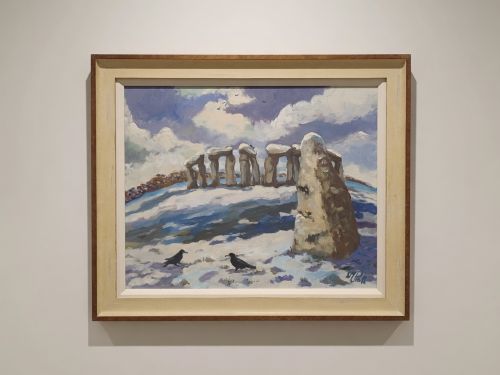
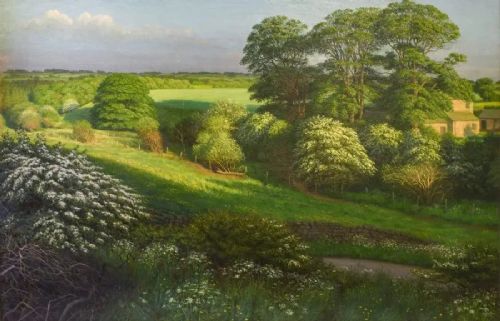
British Countryside Art
British countryside art captures pastoral scenes, rivers and hills through 19th-century and mid-century paintings.
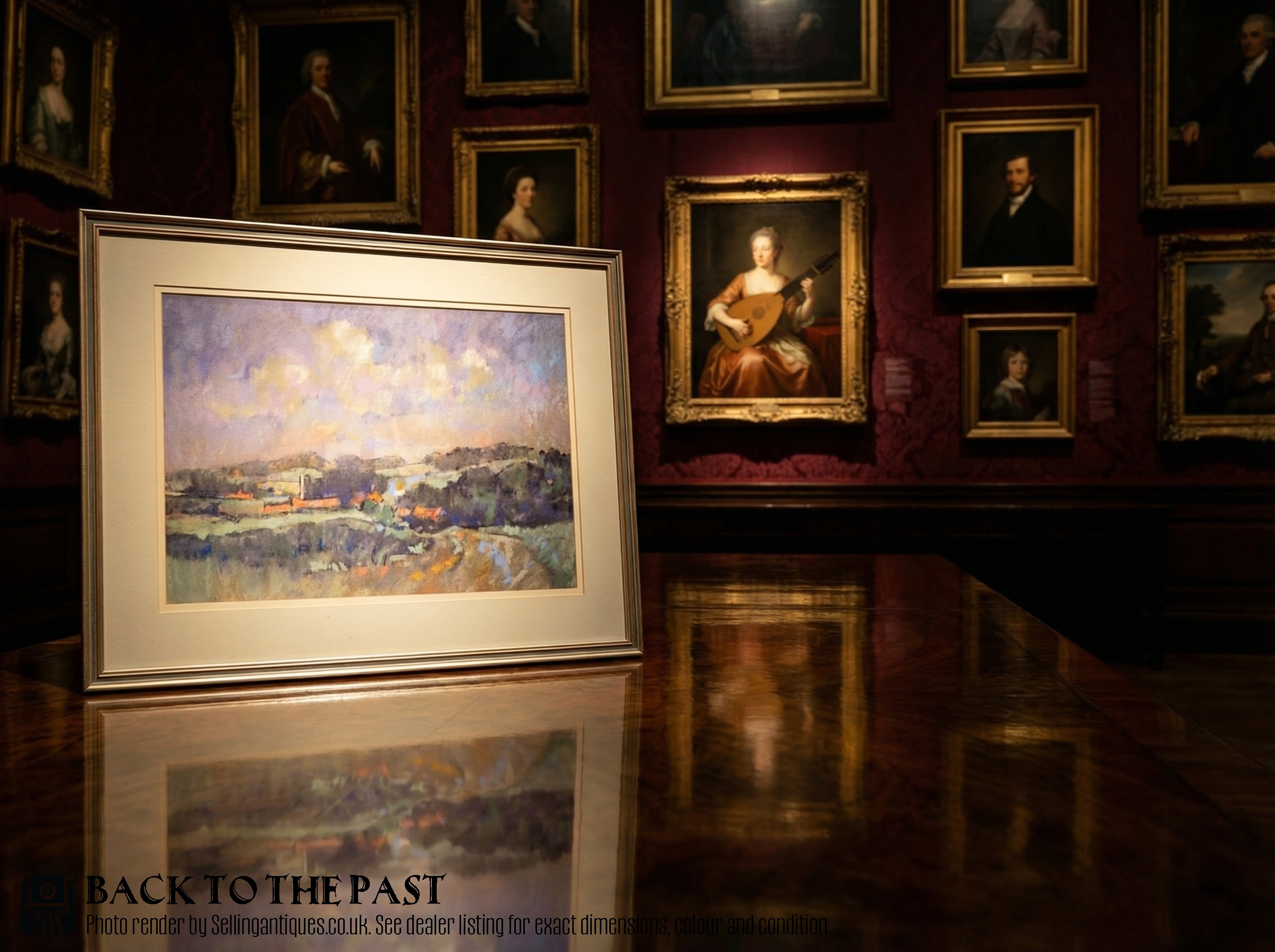
British Countryside Art
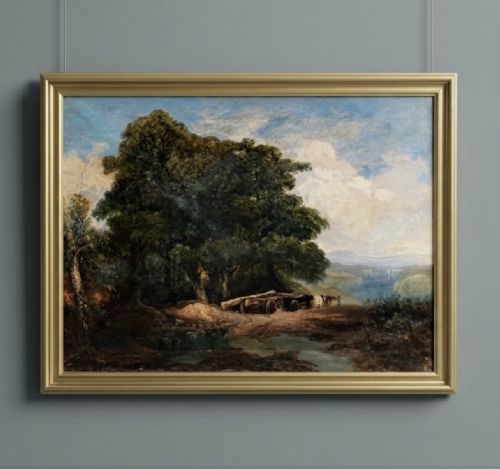
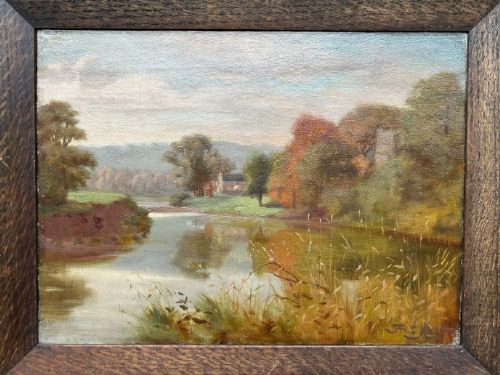
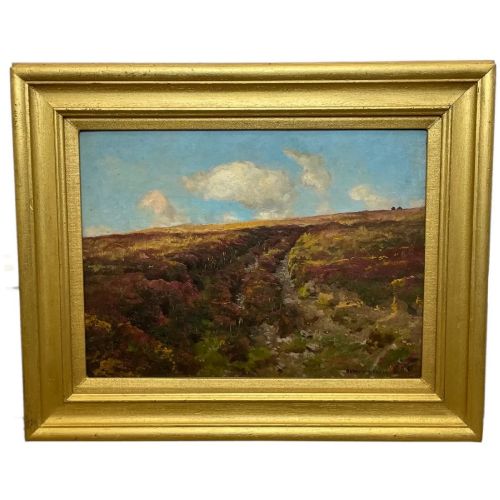
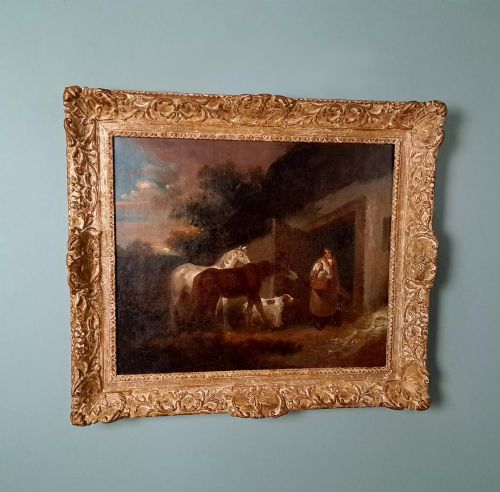
British countryside art encompasses oil paintings, watercolours and wall art depicting rural scenes, rivers, livestock and landscapes. These works span from the nineteenth century through the mid-twentieth century, recording agricultural life and natural scenery across England, Wales and Scotland.
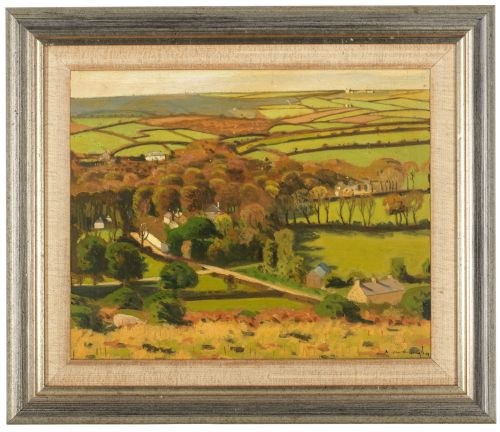
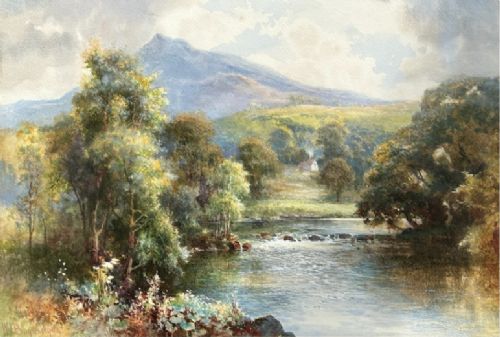
The pieces on this page range from Victorian naturalism and early twentieth-century British impressionism to modern interpretations. Buyers encounter depictions of Welsh valleys, West Country moorlands and riverbanks rendered in oil on canvas, wood panel and paper.
How they were made
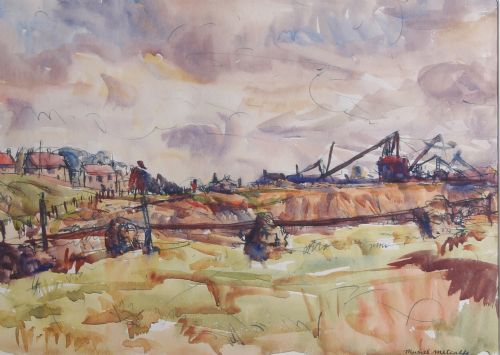
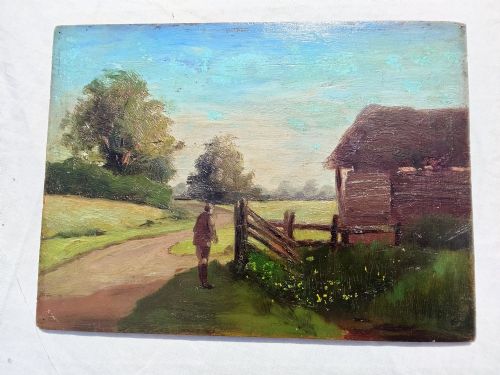
Artists utilised oil paint on canvas or wooden boards, alongside watercolour applied to paper, building up compositions through layered brushwork. Support materials like canvas and panel dictated the texture of the finished landscape.
Painters worked outdoors or in studios using pigmented oils and watercolours to capture natural light and seasonal shifts. Framing in wood completed the works, preserving the paper, canvas or panel.
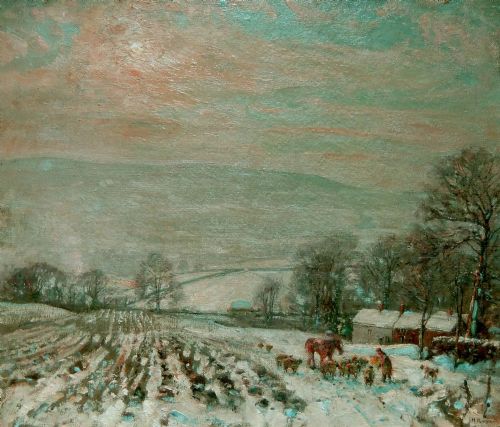
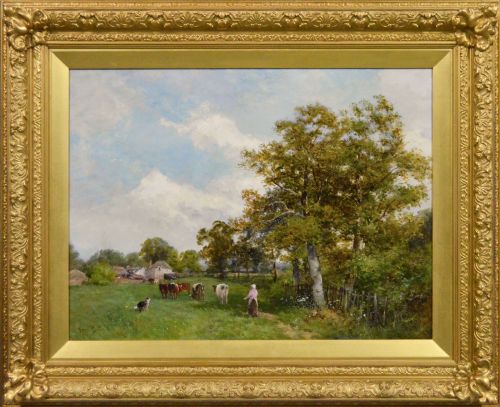
One canvas preserves a quiet moment of cattle ignoring a winter feeding schedule near Nesfield.
What varies in quality
The distinction between works rests on the artist's handling of light, brushwork fluidity and compositional balance. Stronger pieces convey atmospheric depth and specific topographical recognition rather than generic formulas.
Condition of the support medium - whether canvas, panel or paper - alongside the preservation of the original pigments, influences the visual impact of the landscape.
Richard Sebastian Bond·William H Myers·George Graham·Frederick Marriott·Arthur Wardle·William Joseph Shayer Senior·Herbert Royle·Robert Morson Hughes·Thomas Barker of Bath·William Joseph Boyes·David Bates·Muriel Metcalfe·Lucy Pratt·Raymond Booth·Eric Brown·Richard Redgrave·Ernest Higgins Rigg·Peter Newcombe·George Oyston·John Bond·Russell Sidney Reeves·Vernon DeBeauvoir Ward·Florence Adelina Hess·Frederick Hines·John Horace Hooper
The British Countryside Art Glossary
- Oil paint
- A slow-drying paint made from pigment suspended in oil, commonly used on canvas or wood panels. This medium allows for rich colour blending and textured brushwork.
- Watercolour
- A paint consisting of pigment suspended in a water-based solution, typically applied to paper. It produces transparent washes of colour suited to capturing atmospheric skies and landscapes.
- British Impressionism
- A painting style influenced by the French movement, focusing on light, everyday subjects and loose brushwork. Artists working in this manner recorded outdoor rural scenes with rapid, visible strokes.
- Victorian Naturalism
- An art movement emphasising detailed observation of the natural world without idealisation. Works in this style depict flora, fauna and rural topography with precise botanical and geological accuracy.
British Countryside Art: Frequently Asked Questions
What periods do these paintings cover?
The works span from the nineteenth century through the mid-twentieth century, capturing changing artistic styles over several decades.
Key periods represented include Victorian, Edwardian, and mid-century British art movements.
What materials were used by the artists?
Artists utilised oil paint on canvas, wooden boards and panels, alongside watercolour on paper.
These traditional materials were chosen for their durability and ability to hold pigment and light over time.
How do I care for antique watercolours?
Watercolour paintings on paper require protection from direct sunlight to prevent fading of the pigments.
Displaying them in rooms with stable humidity levels helps preserve both the paper support and the framing.
What subjects appear in these landscapes?
Common subjects include rivers, cattle, agricultural harvests, woodlands and coastal views across Britain.
Many pieces document specific regional locations, from Welsh valleys to West Country moors.