



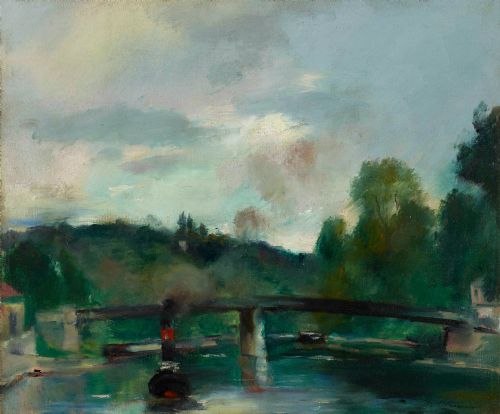
Antique River Oil Painting
An antique river oil painting captures water and light through historical brushwork, offering buyers a genuine window into past rural and urban landscapes.
Antique River Oil Painting
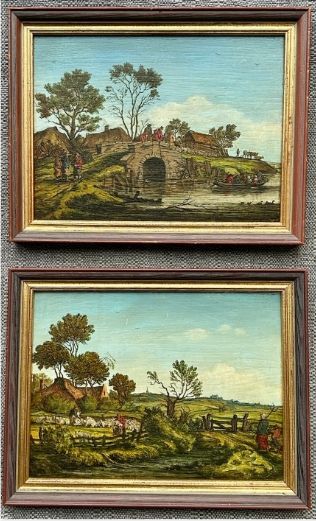
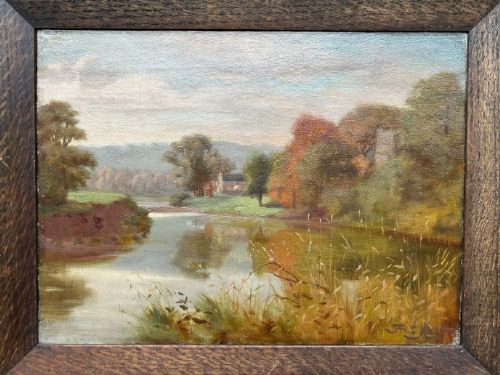
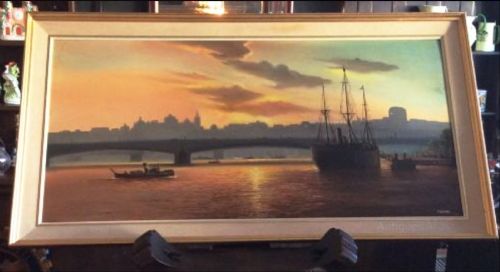
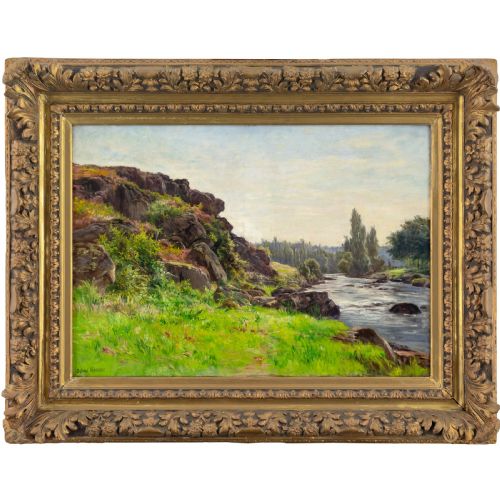
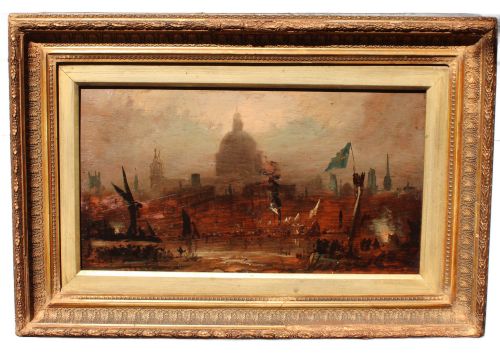
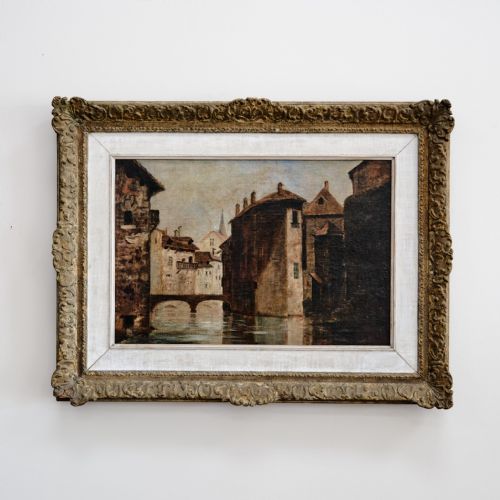
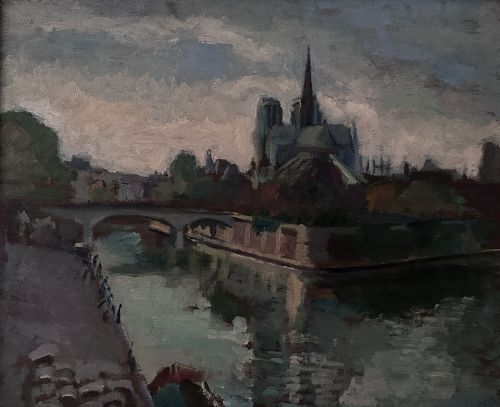
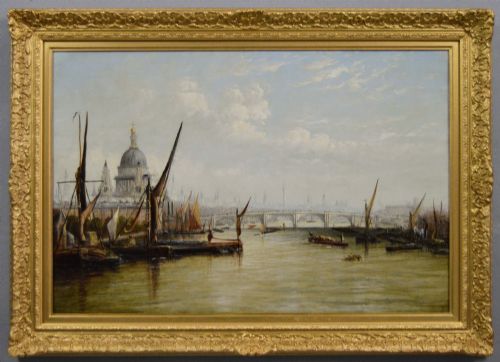
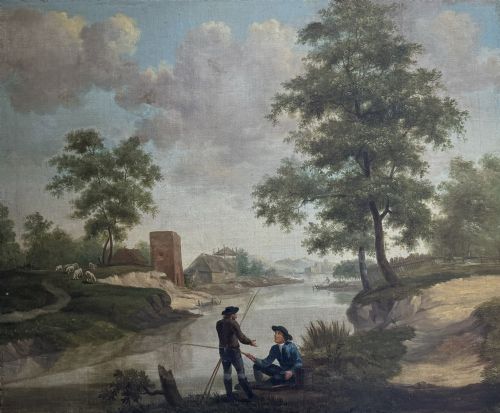
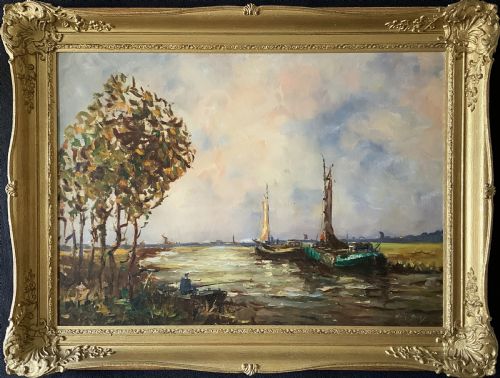
An antique river oil painting comprises works executed predominantly during the nineteenth and early twentieth centuries, spanning Victorian, Edwardian, and continental schools. These canvases and panels depict waterways ranging from serene pastoral streams and bridged Dutch canals to bustling urban riverbanks along the Thames.
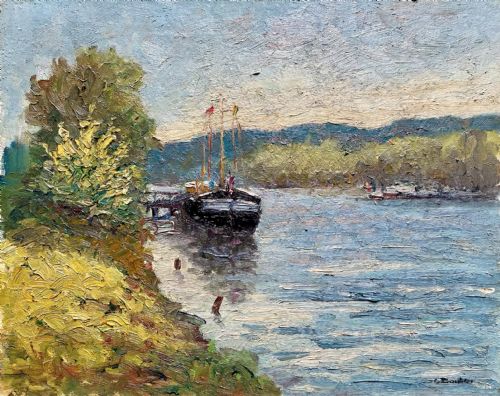
Buyers encounter diverse stylistic interpretations within this selection, moving from Romanticism and Barbizon realism to early British and French Impressionism. Formats vary from intimate panel studies to expansive framed marine seascapes created by named artists and regional schools.
How They Were Made
Artists applied oil paint using brushes and palette knives onto stretched canvas, wooden panels, or card supports prepared with gesso grounds. Many works received protective layers of gold leaf or gilt wood framing to complement the pigments.
Makers utilised traditional layering techniques, building opacity and texture to capture the shifting reflections of water, sky, and foliage under varying natural light.
Listings feature works spanning the nineteenth century through the 1960s, executed in oil on canvas, wood panel, and card.
What Varies in Quality
The degree of painterly control over atmospheric perspective and light distribution distinguishes superior compositions from more formulaic student or regional output. Masterful handling of water surface tension and tonal harmony elevates an entire landscape.
The integrity of the original support - whether stable wood panel or well-tensioned canvas - and the presence of authentic period framing significantly impact the overall standing of an artwork.
George Graham·Frederick Marriott·Gabriel Mathieu·Francis Moltino·Willem Bos·Henri Ottmann·Albert Rieger·Herbert Royle·Paul Desire Trouillebert·T C Hofland·Henry H Parker·Sydney Yates Johnson·John Horace Hooper·John Ferneley Senior·William George Tennick·Hubert Wellington·Honore Cavaroc·Harold Gregson·Thomas Sidney Cooper·Oscar Torna·James Aumonier·Fredrik Borgen·Charles Henry Miller·Louis Belanger·George Vicat Cole
The Antique River Oil Painting Glossary
- Canvas
- A woven fabric stretched across a wooden frame to serve as a primary painting support. It provides a textured surface that interacts distinctively with oil paint.
- Gesso
- A plaster mixture applied to wood panels or canvases to prepare a smooth, absorbent ground for oil paint. This base ensures proper adhesion of the pigments.
- Gilt Wood
- Carved timber treated with gold leaf or metallic paint to form decorative picture frames. It adds architectural weight and visual boundary to the artwork.
- Barbizon School
- A mid-nineteenth-century French art movement focused on tonal realism and direct observation of nature. Painters within this circle preferred working outdoors near forests and rivers.
- Panel
- A flat piece of wood utilised as a rigid support for oil paintings before canvas became universally adopted. It offers a smooth, stable surface for fine brushwork.
Antique River Oil Painting: Frequently Asked Questions
How do I identify the period of a river painting?
Examine the costume of any figures, the architectural style of bridges or buildings, and the framing materials. Pigment analysis and stretcher construction also offer reliable chronological clues.
Compare the handling of light and brushwork against documented examples from specific nineteenth or twentieth-century art movements.
Were these paintings created outdoors?
Many nineteenth-century artists completed plein air sketches directly on riverbanks to capture transient weather and water reflections. These quick studies frequently informed larger finished compositions executed back in the studio.
Barbizon and Impressionist painters championed this direct engagement with natural outdoor environments.
How should I hang an oil painting?
Position the artwork away from direct sunlight and steady heat sources to protect the canvas, wood panel, and oil pigments. Secure the frame using appropriate wall fixings matched to the weight of the piece.
Maintain stable indoor humidity levels to prevent cracking in the gesso and gilt wood framing.
What subjects besides rivers appear in these works?
Surrounding elements commonly include rustic cottages, grazing cattle, bridges, marine shipping vessels, and distant mountain ranges. Figures engaged in fishing, washing clothes, or boating frequently populate the riverbanks.
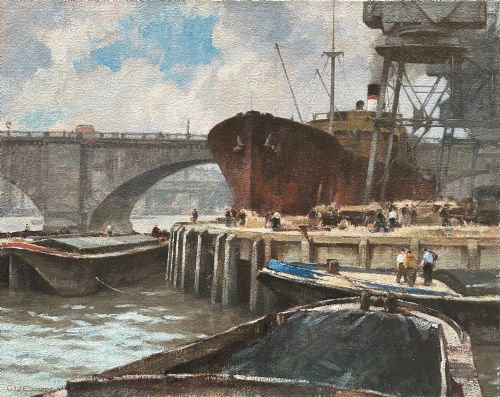
Urban scenes incorporate architectural landmarks such as London bridges and European cathedrals alongside industrial waterfronts.