
Original Victorian Fine Art
Original Victorian fine art brings nineteenth-century canvas and paper into domestic rooms through detailed landscapes and rural scenes.

What Original Victorian Fine Art Is
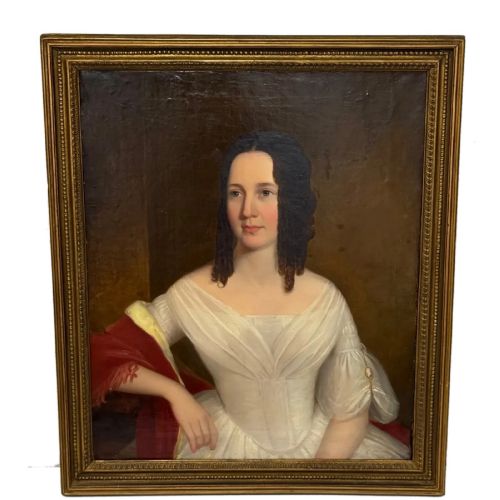
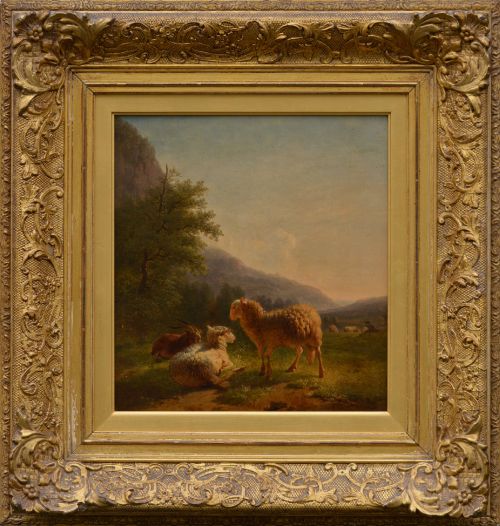
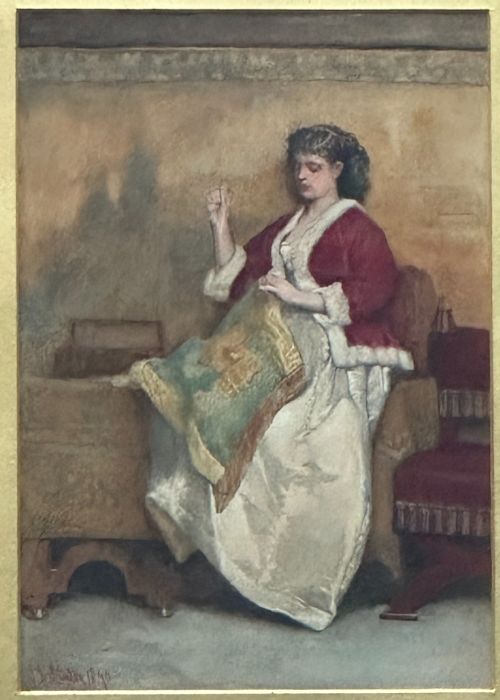
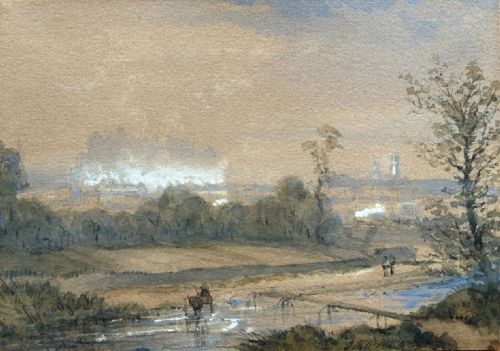
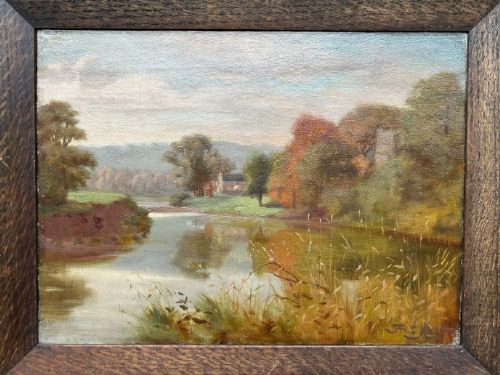
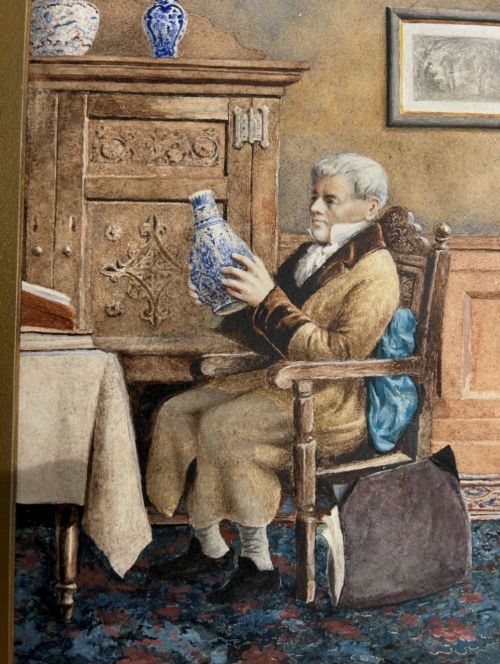
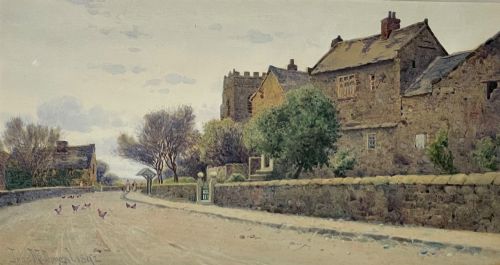
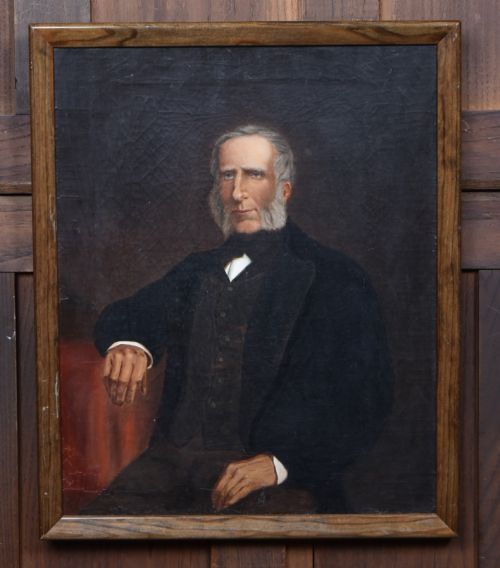
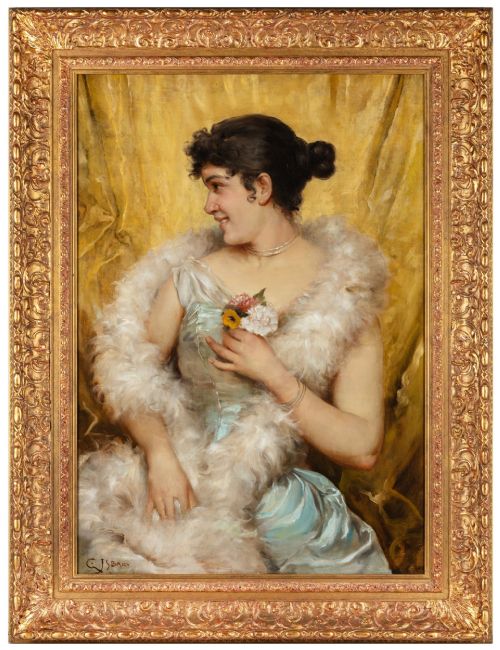
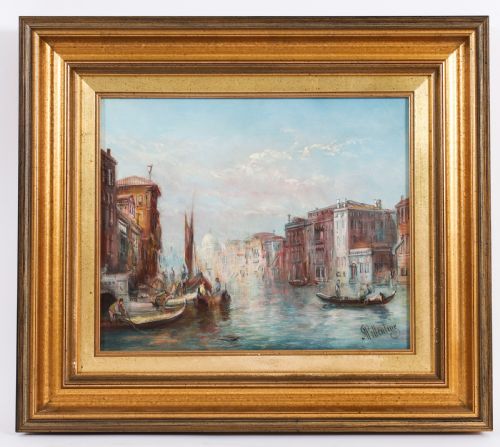
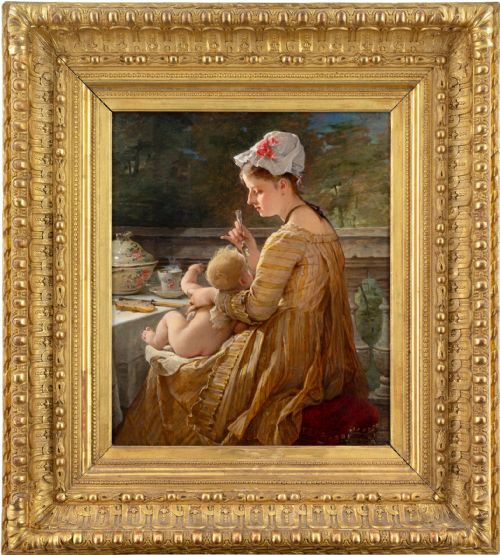
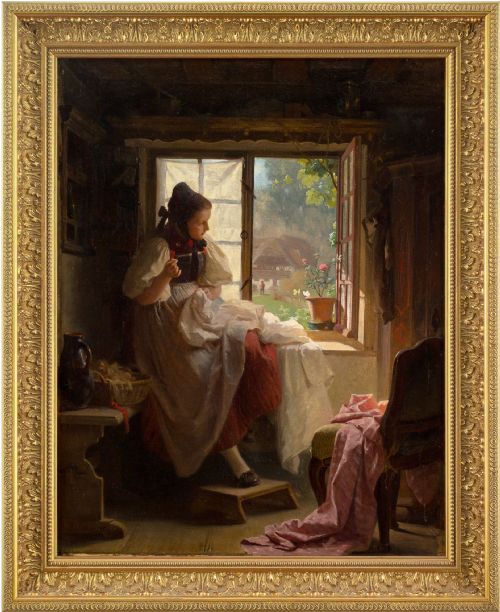
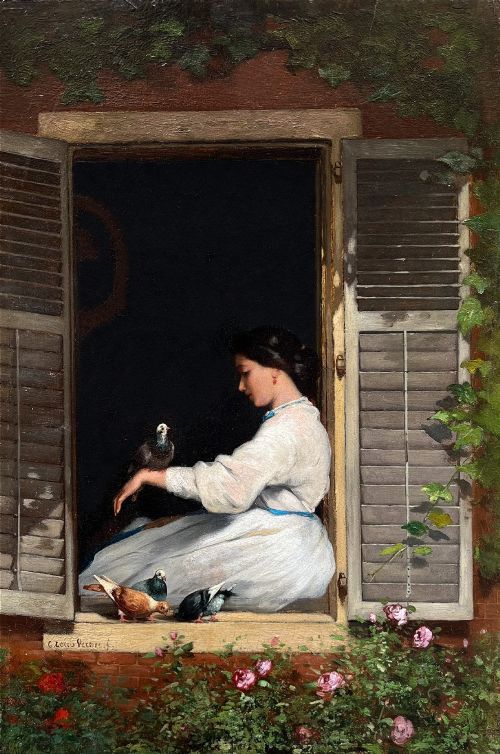
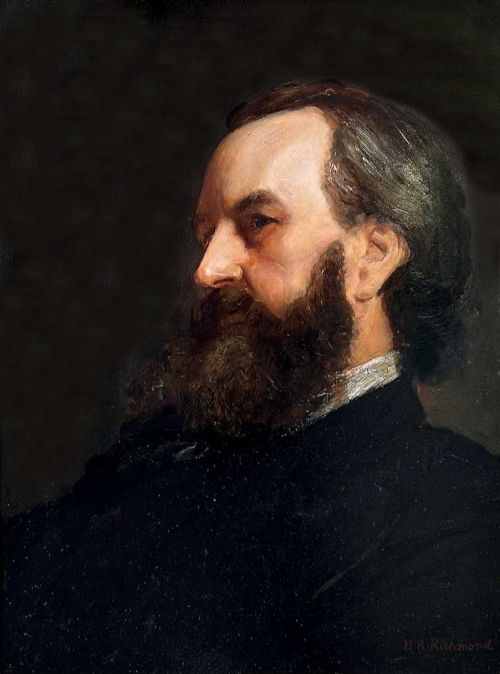
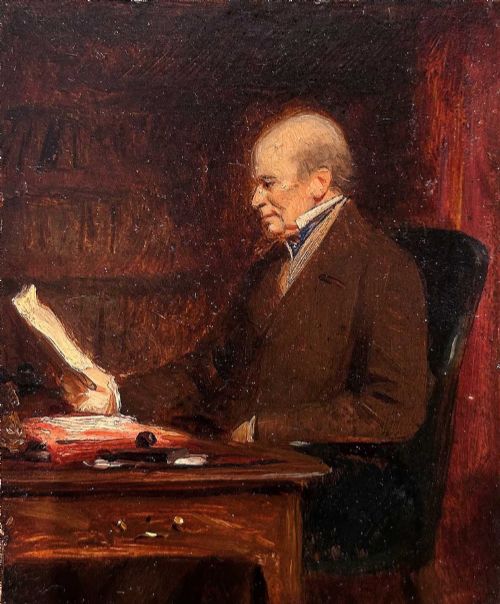
Original Victorian fine art comprises nineteenth-century paintings and watercolours executed on canvas, paper, and panel. These works capture British and European countryside landscapes, river views, and architectural scenes.
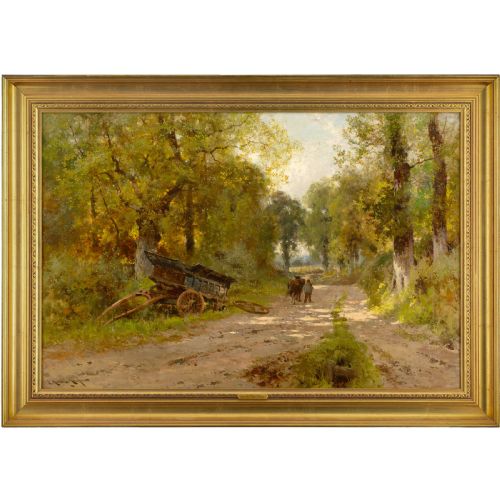
The selections available here rely heavily on mid-to-late nineteenth-century dates, spanning the decades from eighteen-fifty to nineteen-hundred. Buyers encounter both intimate watercolour paintings and larger oil paintings set within period giltwood frames.
Rural settings dominate the subject matter, featuring cottages, riverbanks, and agricultural life rendered in styles that encompass Victorian realism and naturalism. The focus remains strictly on authentic period pieces produced during the reign of Queen Victoria.
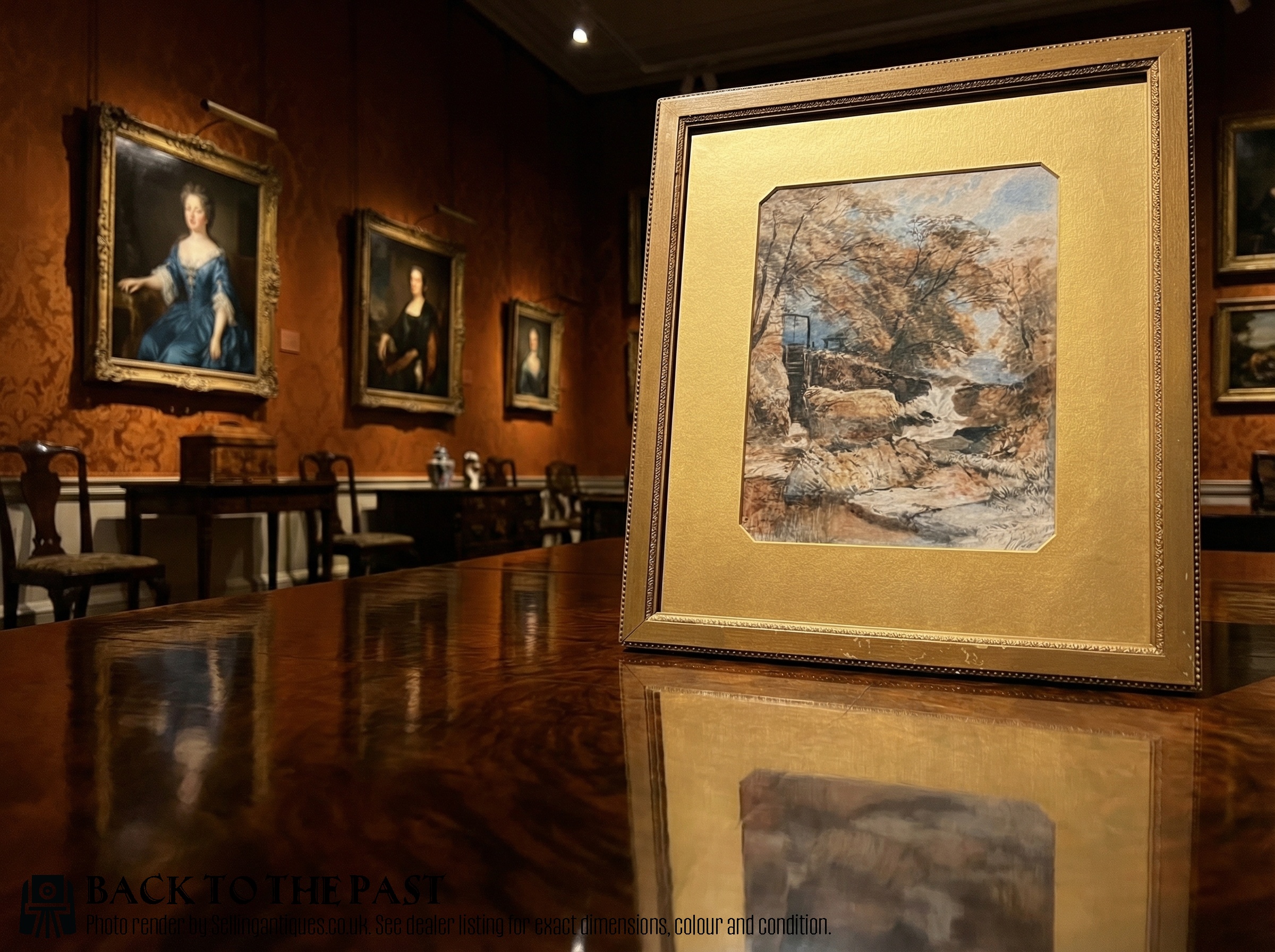
How They Were Made
Painters applied oil pigments to stretched canvas or watercolour pigments to heavy paper, utilising traditional studio techniques of the period. Pigments were worked to capture natural light, atmospheric conditions, and fine details in landscapes and figures.
Many works retain their original gesso and wood frames, often finished with gilt layers that complement the tonal palette of the paintings. Glass protected delicate watercolours on paper, while oil paintings on canvas relied on durable varnishes for preservation.
Retail Price Guide 2026
Typical UK retail prices for original victorian fine art, calculated from the Sellingantiques database of over a million retail prices indexed since 2003. This retail price guide relies exclusively on Sellingantiques data; no external sources or auction records are used, so the figures do not describe the wider market.
Nineteenth-century artists frequently braved damp Welsh weather and muddy riverbanks just to paint a cottage with crooked chimneys.
What Varies in Quality
Execution and brushwork distinguish the finest works, where artists demonstrate superior control over light, perspective, and atmospheric depth. Superior pieces display a confident handling of the medium, whether working in translucent watercolour or richly layered oil.
The integrity of the original framing, particularly moulded giltwood and gesso ornamentation, contributes significantly to the overall cohesion of a piece. Works by established named artists command attention for their detailed composition and documented provenance.
John Syer·Frederick Tully Lott·Benjamin Williams Leader·George Turner·Abraham Hulk Junior
The Original Victorian Fine Art Glossary
- Oil on Canvas
- A traditional painting medium where coloured pigments suspended in drying oils are applied to a woven fabric support. This combination offers rich colour saturation and longevity.
- Watercolour
- A painting method in which water-soluble pigments are applied to paper surfaces. It produces transparent washes of colour that capture delicate light effects.
- Giltwood
- Wood carved and surfaced with a thin layer of gold leaf or metallic powder. It provides decorative framing suited to nineteenth-century display.
- Gesso
- A plaster-like mixture applied to wood frames to create a smooth surface for gilding. It allows for intricate moulded decoration along the edges.
- Victorian Realism
- An artistic approach focusing on the truthful, unidealised depiction of everyday subjects and landscapes. It characterises many mid-nineteenth-century British paintings.
Frequently Asked Questions
How do I date original Victorian fine art?
Dating relies on stylistic markers, artist signatures, and framing materials typical of the nineteenth century. Examining the canvas preparation and backing boards provides additional chronological evidence.
Many works carry specific dates within their titles or signatures, helping to narrow their origin between eighteen-fifty and nineteen-hundred.
Are oil paintings or watercolours more common?
Both mediums appear frequently within nineteenth-century fine art, each offering distinct visual qualities. Oils provide textured brushwork on canvas, while watercolours deliver delicate transparency on paper.
Choice between the two depends largely on personal preference for framing and display within a room.
What subjects were popular in Victorian painting?
Rural landscapes, river scenes, and pastoral life dominated British artistic output during this era. Artists frequently depicted cottages, livestock, and recognisable regional waterways.
These subjects reflected a widespread cultural appreciation for the countryside amidst rapid industrialisation.
How should I care for antique watercolours?
Watercolours on paper require protection from direct sunlight to prevent fading of the delicate pigments. Maintaining stable indoor humidity levels safeguards both the paper support and the surrounding mount.
Keeping the original glass and frame intact helps preserve the work from airborne pollutants and physical damage.