


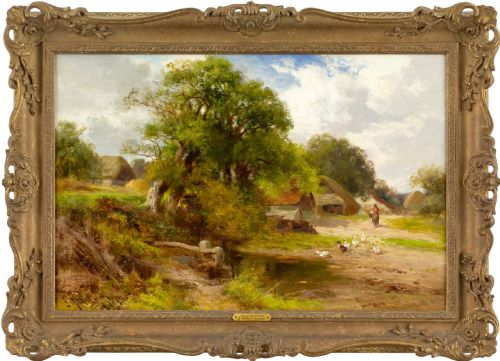
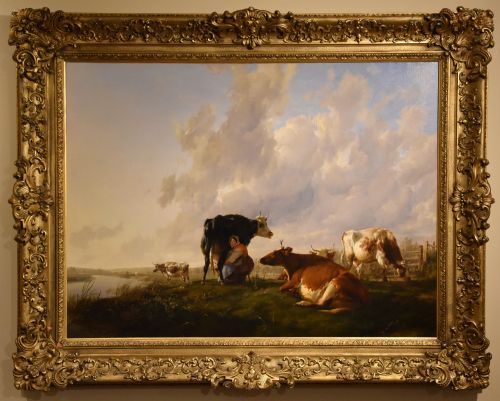
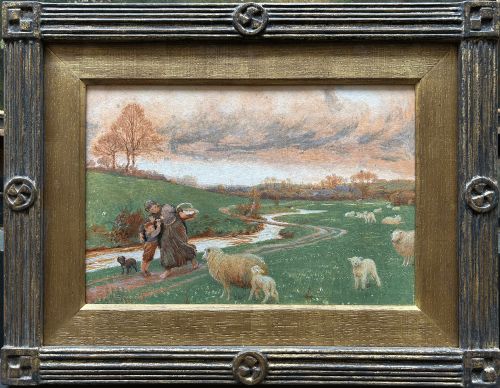
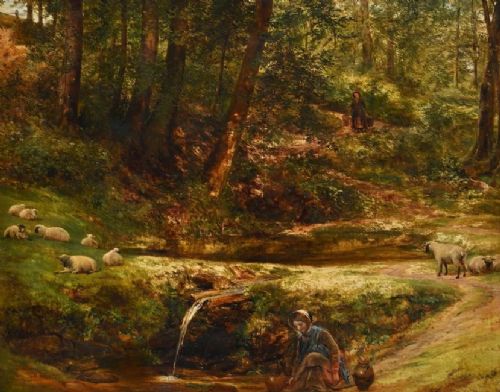
Victorian Pastoral Oil Painting
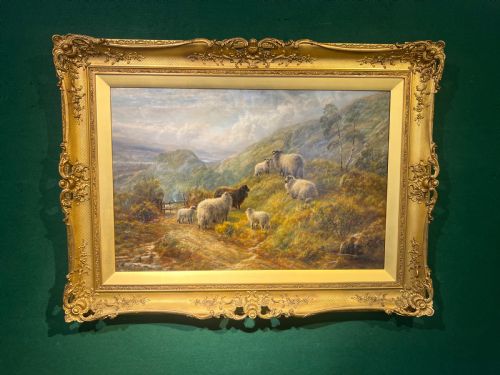
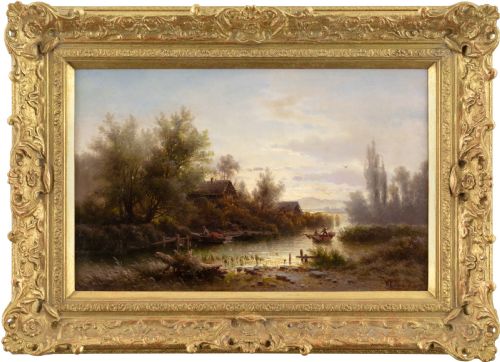
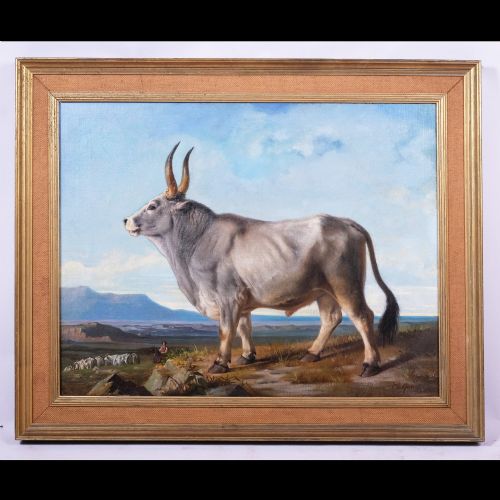
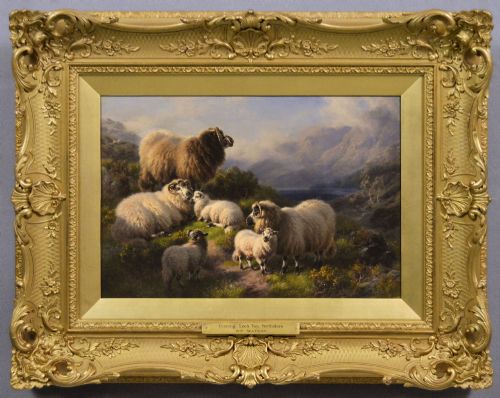
These Victorian pastoral oil painting works capture quiet rural scenes of shepherds, livestock and harvests, offering enduring charm for any interior.
What these pieces are
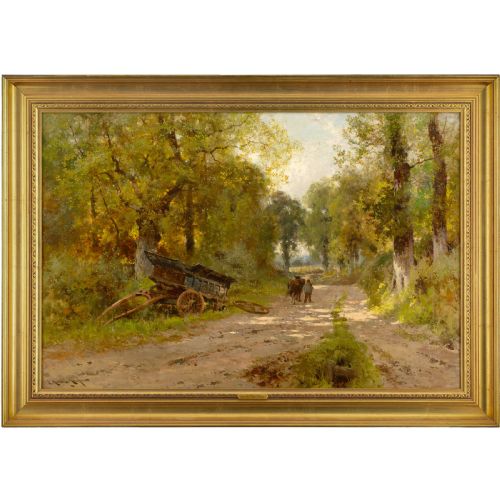
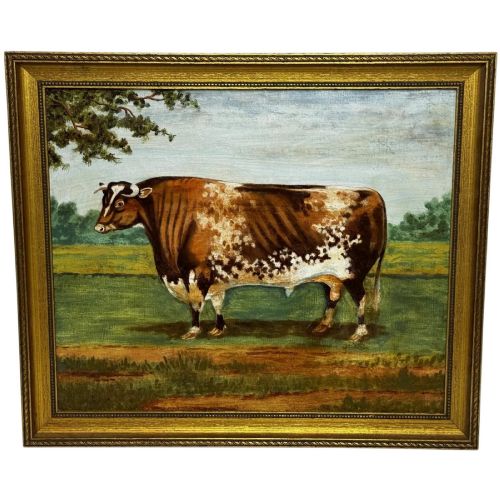
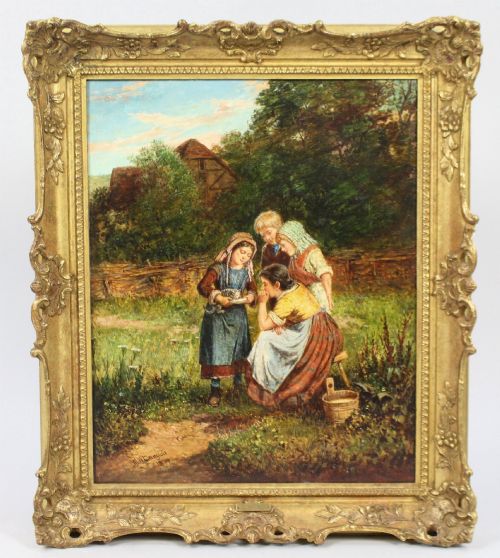
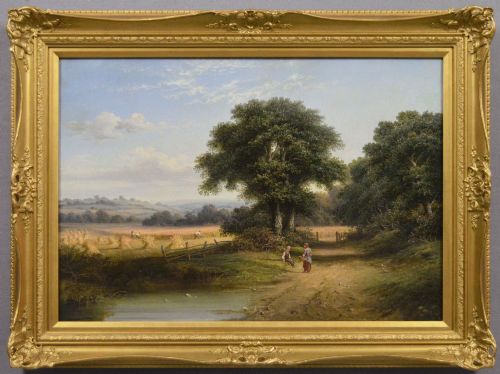
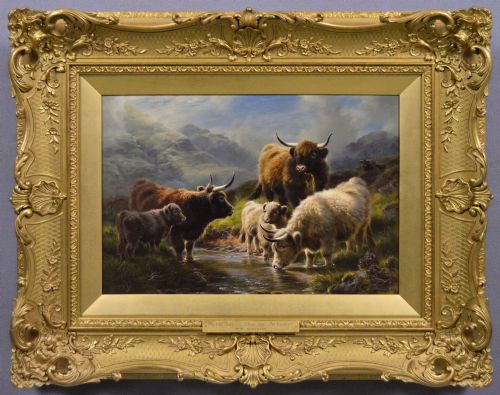
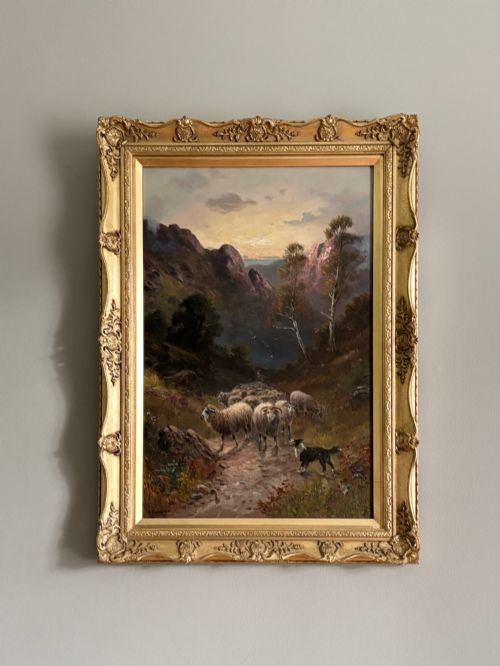
A Victorian pastoral oil painting typically depicts rural life, featuring shepherds, herdsmen, cattle, and farm workers within British countryside settings. These works belong to the nineteenth century, with specific dates spanning the decades from eighteen seventy to nineteen hundred.
The compositions commonly show country lanes, Surrey farms, highland landscapes, and harvest fields. Artists working in this genre often looked to earlier masters, producing scenes after painters like Aelbert Cuyp and John Constable.
Buyers encounter individual framed works as well as paired oil paintings on canvas. Some unusual variants include paintings executed on milk glass rather than traditional woven supports.
How they were made
Painters applied oil pigments directly onto woven canvas or prepared milk glass surfaces. These supports were then stretched or mounted into wooden frames.
Many frames incorporate gesso mouldings finished with gold leaf or gilt layers, adding reflective brilliance around the painted canvas.
Retail Price Guide 2026
Typical UK retail prices for victorian pastoral oil painting, calculated from the Sellingantiques database of over a million retail prices indexed since 2003. This retail price guide relies exclusively on Sellingantiques data; no external sources or auction records are used, so the figures do not describe the wider market.
Styles across the selection encompass Victorian, nineteenth-century pastoral, and nineteenth-century realism.
What varies in quality
The distinction between standard works and exceptional pieces lies in the handling of light, atmospheric depth, and the naturalistic rendering of figures and animals. Works by named artists possessing established exhibition records carry distinct artistic weight compared to anonymous studio output.
Frame craftsmanship also influences the overall character, with deeply carved gilded wood frames offering greater visual presence than simpler surrounds.
Mark William Langlois·George Turner·Henry Birtles·Joseph Thors·Robert Gallon
The Victorian Pastoral Oil Painting Glossary
- Pastoral
- An artistic genre depicting rural life, particularly shepherds, farms, and agricultural laborers in idyllic country settings. This theme dominated much nineteenth-century British landscape painting.
- Gesso
- A plaster-like mixture applied to wooden frame mouldings as a smooth base before applying gold leaf or gilt. It allows intricate decorative relief work to be carved or stamped.
- Gilt
- A thin layer of gold applied to wood or gesso surfaces to simulate solid gold and catch ambient room light. It remains a hallmark of period framing.
- Milk Glass
- An opaque white glass used occasionally as a firm painting substrate during the nineteenth century. It provides a smooth, non-absorbent surface for oil pigments.
Frequently Asked Questions
What subjects appear in these paintings?
These works focus primarily on British rural life, showing shepherds with flocks, herdsmen tending cattle, farm workers harvesting fields, and quiet country tracks.
Scenes frequently capture specific regions including Surrey farms and highland landscapes under nineteenth-century skies.
How do I date these paintings?
Dating relies upon artist biographical records, stylistic markers of nineteenth-century realism, and occasional inscriptions or signatures left on the canvas.
Many pieces carry specific dates or fall within established decades between eighteen seventy and nineteen hundred.
Where should I hang a pastoral painting?
These rural scenes suit classic drawing rooms, studies, and dining spaces where traditional nineteenth-century aesthetics prevail.
Placing the artwork away from direct sunlight protects both the oil pigments and the gilded frame from fading or damage.