



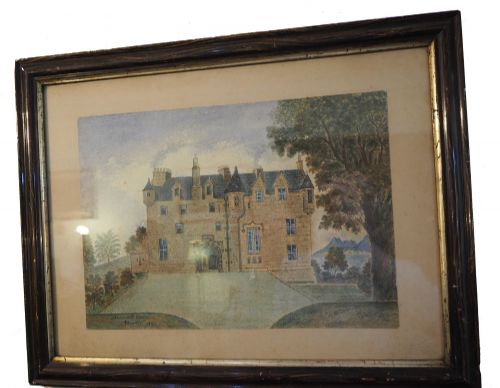
Framed Architectural Painting
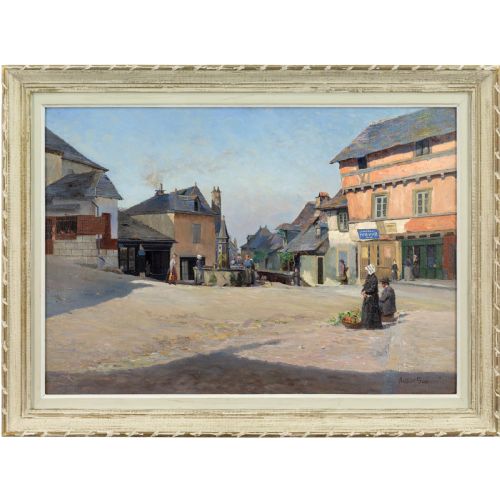
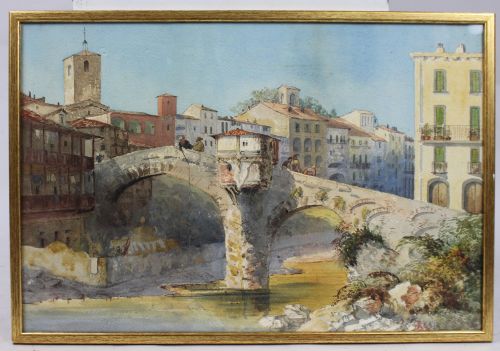
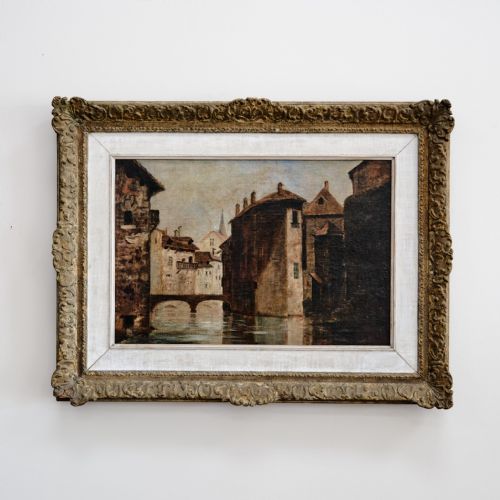
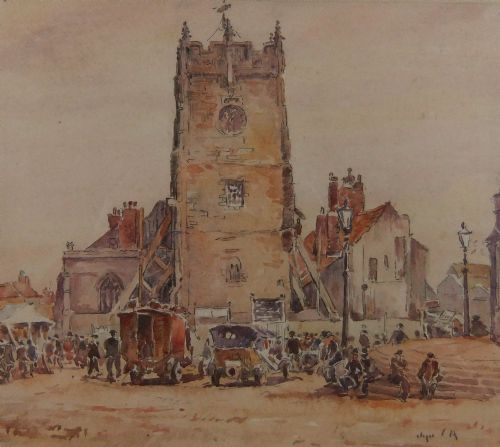
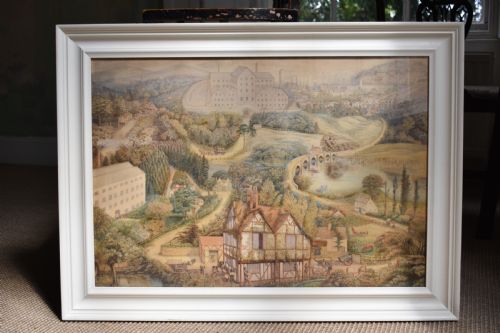
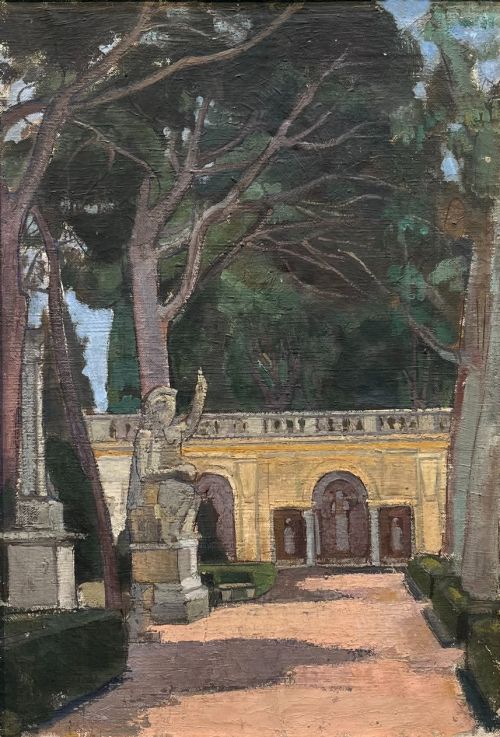
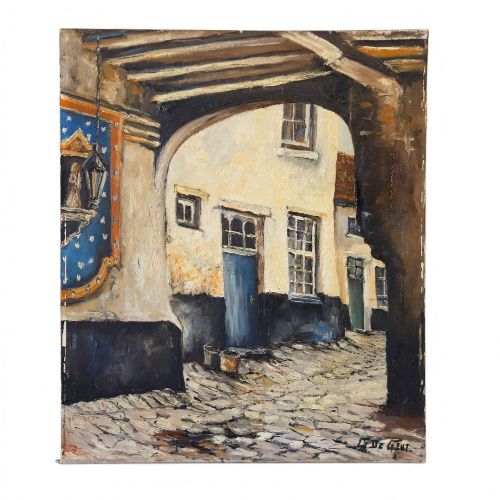
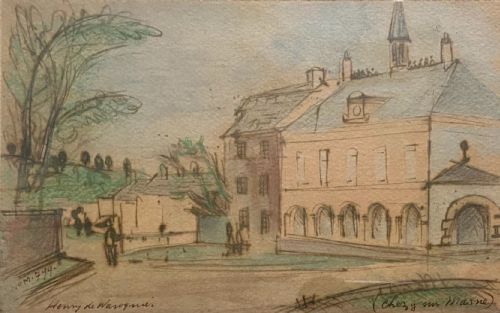
These framed architectural painting works capture civic squares, street scenes and urban vistas, offering a glimpse into historic streetscapes through oils and watercolours.

Framed Architectural Painting
A framed architectural painting presents buildings, townscapes, street scenes and urban landscapes rendered in oil or watercolour. These works range from grand Venetian canals and continental market squares to detailed studies of historic churches and castles.
Buyers will most frequently encounter 19th-century and mid-century examples executed on canvas, board, or paper. Many pieces are housed within period gilt wood frames that complement the urban subject matter.
The selection encompasses naive portrayals, Impressionist cityscapes and precise topographical studies. Artists often documented specific European locations, recording town halls, street fronts and architectural landmarks.
Materials and construction
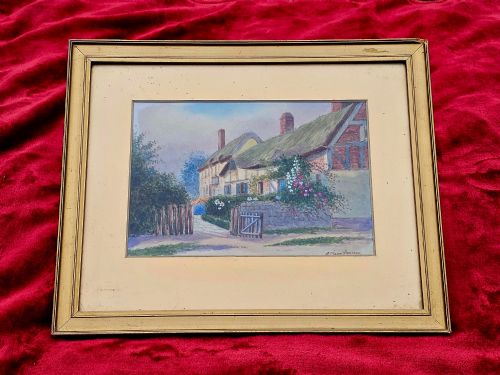
Artists utilised oil paint on canvas or board, alongside watercolour and ink on paper. These traditional media were chosen for their durability and capacity to render fine structural details of buildings and streets.
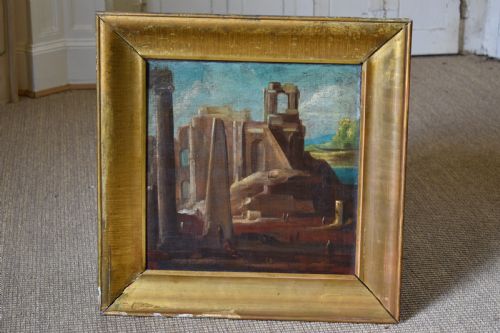
Works are typically protected behind glass for watercolours and paper drawings, while oil paintings on canvas remain exposed within their original frames. Gilt wood and carved wooden frames provide structural support and aesthetic enclosure.
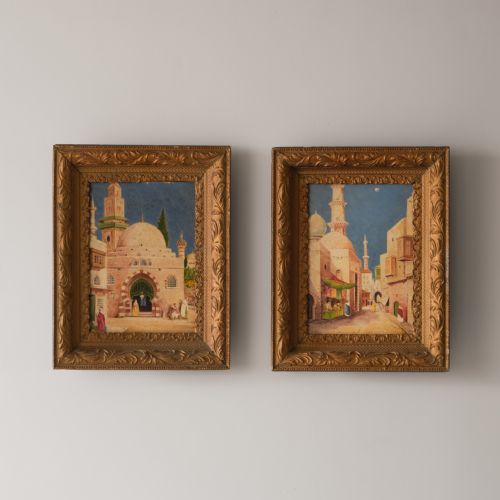
Several artists clearly preferred painting foreign markets over staying at home.
Indicators of quality
Quality rests upon the precision of perspective and the handling of light within the urban landscape. Superior examples demonstrate a confident command of scale, capturing the precise geometry of buildings alongside atmospheric depth.
The integrity of the original frame contributes significantly to the piece. Hand-carved or gilded wood frames contemporary to the artwork elevate the overall standard of the surviving object.
Henry de Waroquier·Lilian Colbourn·Alexander Jamieson·Paul-Élie Gernez·Victor Gabriel Gilbert·Ron Folland·Stanley Orchart
The Framed Architectural Painting Glossary
- Watercolour
- A paint consisting of water-soluble pigments used on paper. It often creates translucent washes suitable for architectural studies.
- Oil on Canvas
- Pigment suspended in drying oil applied to stretched woven fabric. This medium allows for rich colour layering in urban scenes.
- Gilt Wood
- Wood treated with gold leaf or metallic paint. It forms ornate frames common in period artworks.
- Impressionism
- An art style focused on accurate depiction of light in its changing qualities. It appears frequently in mid-century cityscape paintings.
- Topographical
- Representing a specific place accurately. These paintings record actual buildings and street layouts.
Framed Architectural Painting: Frequently Asked Questions
What subjects do these paintings feature?
These works depict urban environments, street scenes, civic buildings and historic structures. Common subjects include European cityscapes, canals, market squares and architectural landmarks.
Artists recorded specific locations across Britain and Europe, translating town halls, castles and street fronts into oil or watercolour compositions.
How should I hang a framed architectural painting?
Select a wall with stable humidity away from direct sunlight to protect the canvas, paper and gilt wood frame. Ensure the hanging hardware matches the weight of the framed piece.
Consider eye-level placement in rooms with neutral lighting to best appreciate the perspective and detail of the urban landscape.
How do I identify the period of a painting?
Examine the materials, framing style and artistic technique employed in the work. Nineteenth-century pieces often utilise heavy gilt wood frames and traditional oil on canvas supports.
Mid-century works may display Impressionist tendencies or modernist framing, reflecting the aesthetic preferences of later decades.
Are these paintings original works?
The listings comprise original paintings, watercolours and mixed media drawings created by individual artists. Each piece represents a unique hand-painted depiction rather than a mechanical reproduction.
Signatures, dates and historical documentation frequently accompany these original architectural studies.