



Scottish Highland Painting
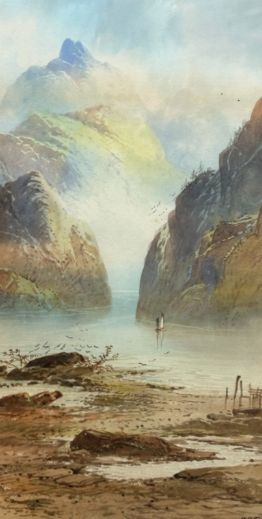
When buying a scottish highland painting, you secure a window into mist-laden lochs, rugged glens, and romanticized northern landscapes.
Scottish Highland Painting
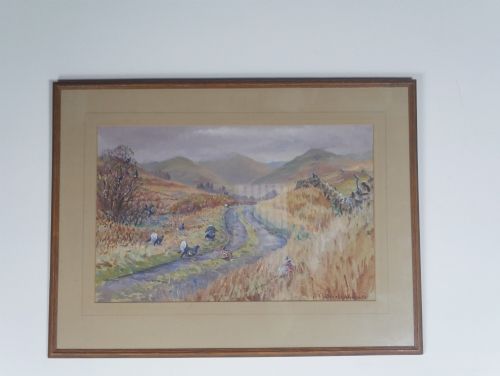
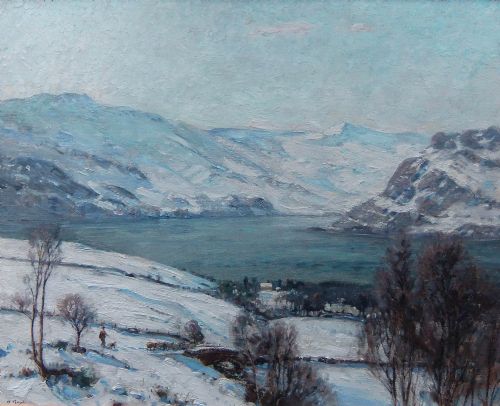
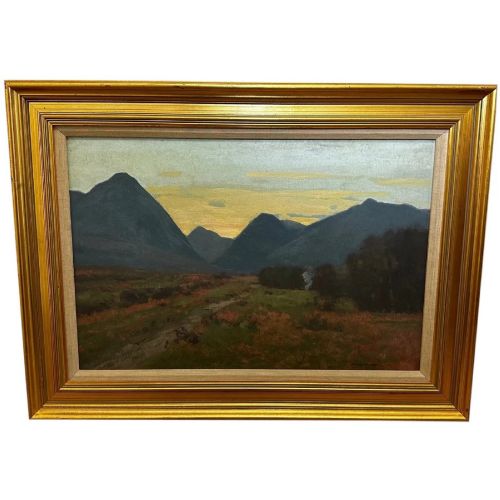
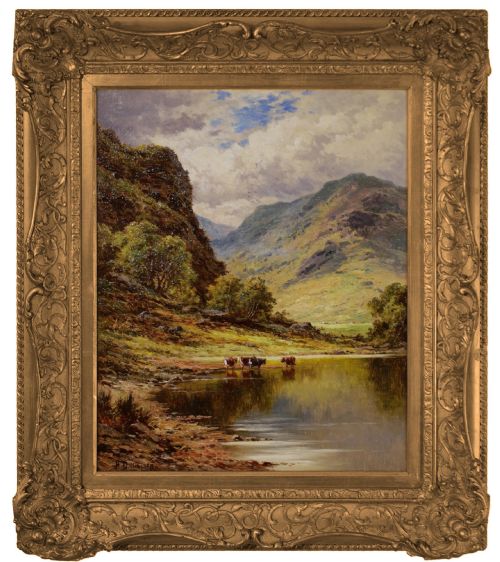
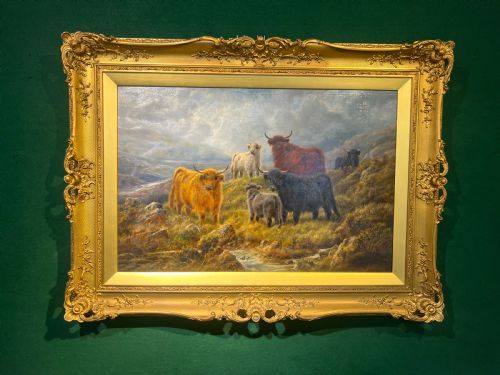
A scottish highland painting captures the dramatic scenery, wildlife, and rural life of Scotland through the lens of nineteenth and early twentieth-century artists.
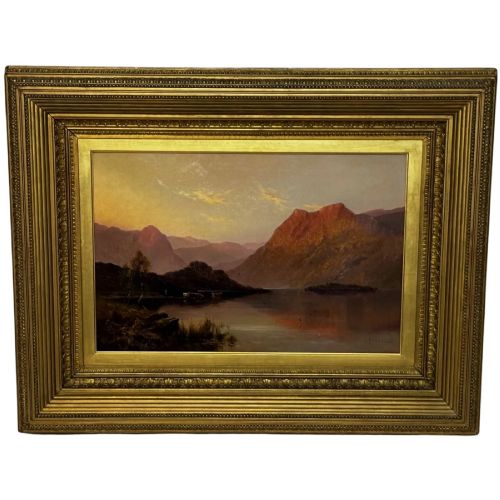
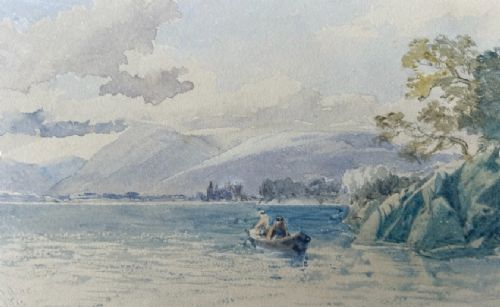
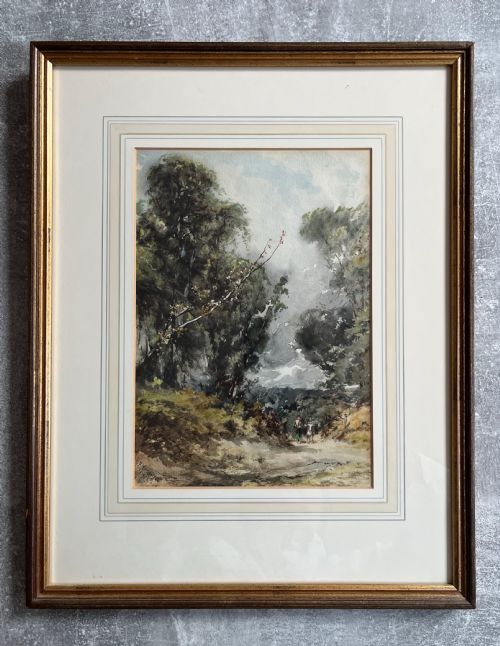
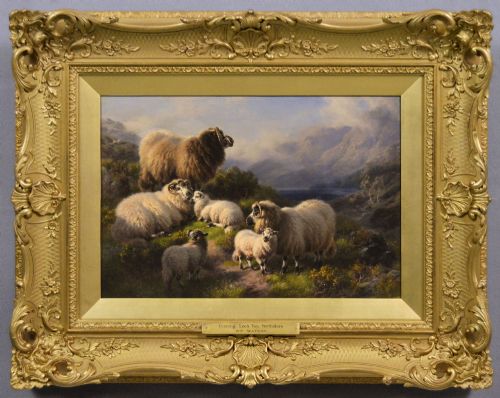
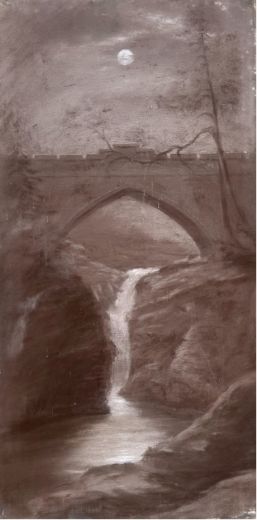
The most common examples on this page are oil on canvas or delicate watercolours depicting misty lochs, remote mountains, and grazing sheep or cattle.
These works reflect distinct regional schools and popular Victorian tastes for untamed wilderness, often featuring bothys, castles, and highland drovers.
How They Were Made
Artists applied oil paint to stretched canvas or wood panels, sometimes utilising charcoal or gouache for specific textures and light effects in watercolours.
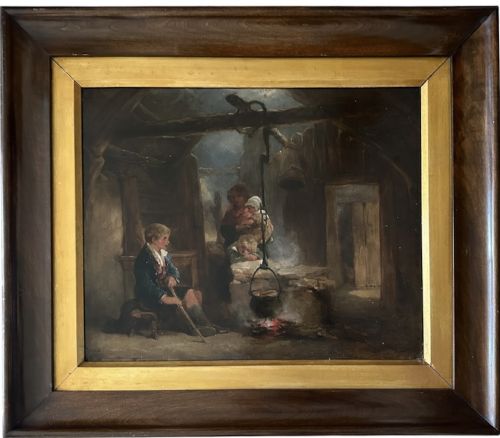
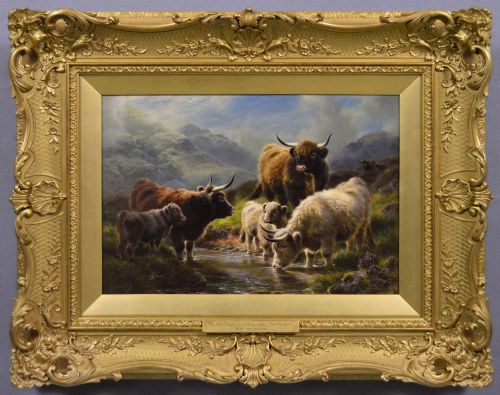
Many period works are housed within their original giltwood and gesso frames, which utilise gold leaf to enhance the depth of the painted scenes.
Scottish Highland Painting Retail Price Guide 2026
Typical asking prices for scottish highland painting among the pieces listed under this phrase on Sellingantiques today, from the lower quarter to the upper quarter. They describe what is for sale here now, not the wider market.
Several canvases faithfully capture Highland cattle standing knee-deep in misty lochs, seemingly unfazed by the dramatic Scottish weather.
What Varies In Quality
Atmospheric depth, confident brushwork, and the accurate rendering of highland light and weather separate superior compositions from formulaic studio output.
The precision of animal anatomy, the handling of water reflections, and the integrity of the original canvas and frame condition dictate overall merit.
William Beattie-Brown·George Fotherly Hargitt·Thomas Miles Richardson Jnr·William Henry Earp·Tom Campbell·Alfred Fontville de Breanski·George Houston·Henry H Parker·Robert Watson·William Watson Jnr·Robert Cleminson·George Rankin·Douglas Cameron·Charles Leslie·Alexander Wellwood Rattray·Everett Watson Mellor·Archibald Kay·Henry Robinson Hall·James Kyd·Henry Hillier Parker·William Grant Murray·Andrew Kurtis·Stephen Enoch Hogley·Clarence Roe·Francis E Jamieson
The Scottish Highland Painting Glossary
- Giltwood
- Carved wood treated with gold leaf or gold paint to create a decorative metallic finish on picture frames.
- Gesso
- A plaster-like mixture applied to wood or canvas as a base for painting or for moulding detailed frame ornamentation.
- Bothy
- A small stone cottage or shelter found in remote mountainous areas of Scotland, frequently depicted in regional landscapes.
- Watercolour
- A painting method where fine pigment is suspended in a water-based solution, commonly applied to paper.
Scottish Highland Painting: Frequently Asked Questions
How do I date a scottish highland painting?
Examine the materials, stretcher frames, and artist signatures against known exhibition dates and biographical records. Canvas types and backing boards also offer reliable clues to the era of production.
Victorian and Edwardian works often feature specific framing styles and handwritten inscriptions on the reverse that help narrow down the decade of creation.
What subjects appear most often?
Lochs, mountains, and highland cattle dominate the compositions, alongside sheep grazing on heather-clad moors. Figures of ghillies, crofters, and children in tartan occasionally populate the foregrounds.
Artists frequently returned to iconic locations such as Loch Lomond, Loch Awe, and Glen Etive to capture changing weather patterns over the rugged terrain.
Are watercolours as collectable as oils?
High-quality watercolours by established nineteenth-century practitioners command strong interest from collectors who appreciate delicate tonal control and fine paper preservation. They require careful framing away from direct sunlight.
Oil paintings on canvas or wood panel offer greater textural presence and durability, making them the preferred format for large-scale highland scenes.
How should I display these paintings?
Hang your artwork on interior walls away from direct sunlight and damp environments to protect both the painted surface and the original gesso frame. Stable room temperatures prevent canvas slackening and wood warping.
Ensure adequate wall clearance and appropriate picture hooks to support the weight of heavy giltwood frames safely.