
19th Century Scottish Art
19th century scottish art captures rugged Highland landscapes, intimate domestic genre scenes, and skilled craftsmanship from oils to pottery.
19th Century Scottish Art
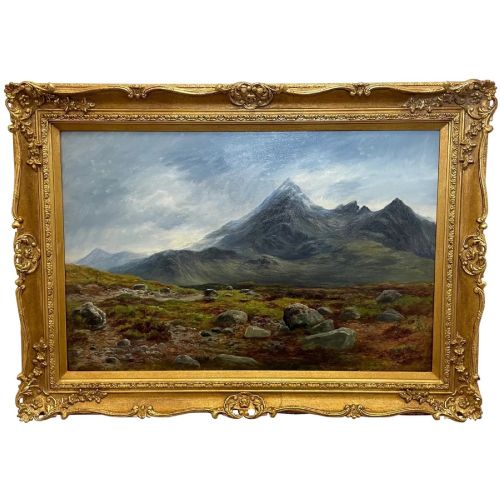
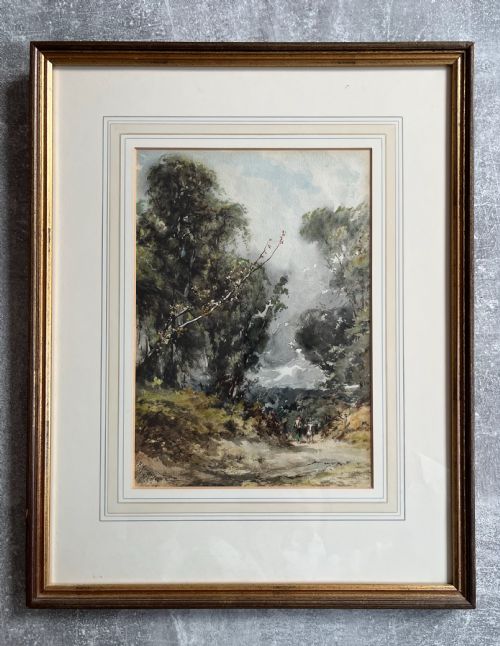
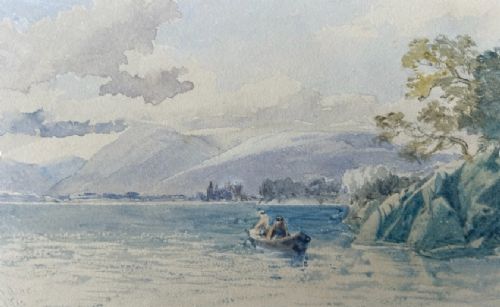
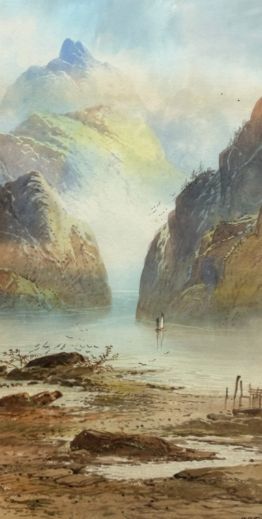
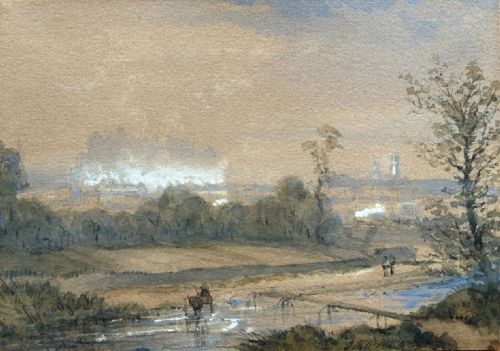
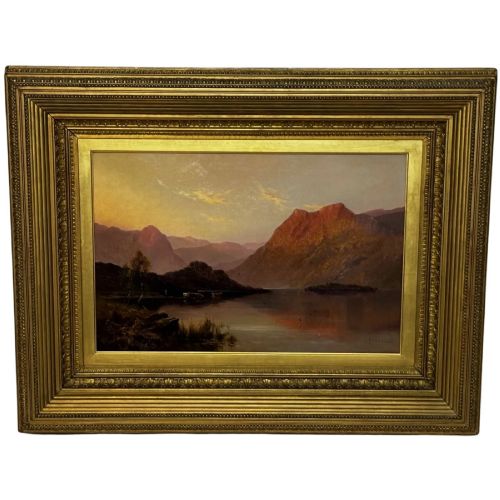
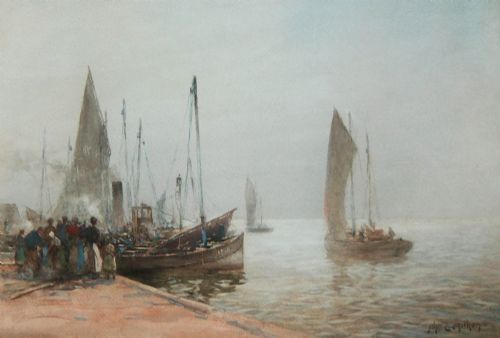
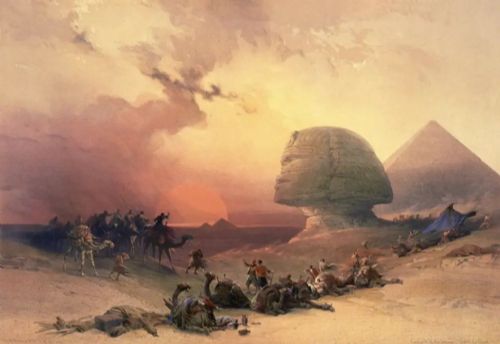
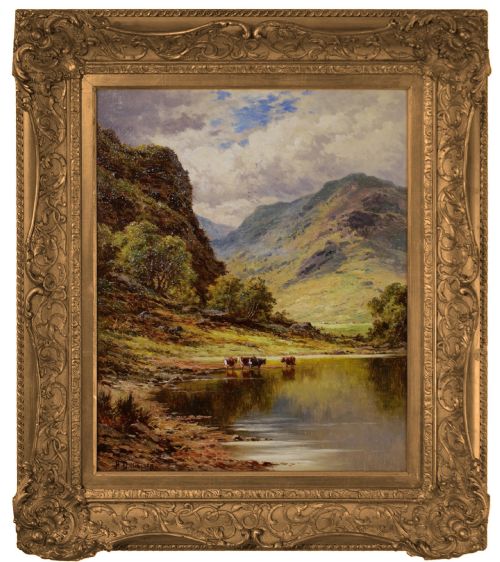
When exploring 19th century scottish art, collectors encounter a rich variety of oil paintings, watercolours, and delicate works on paper depicting dramatic lochs, glens, and coastal views. These pieces frequently record topographical landmarks such as Loch Awe, Loch Leven, and Edinburgh, painted by artists who lived and worked in the region.
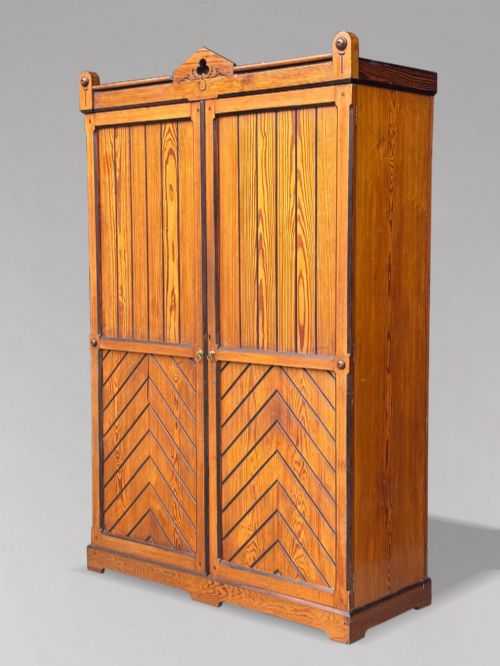
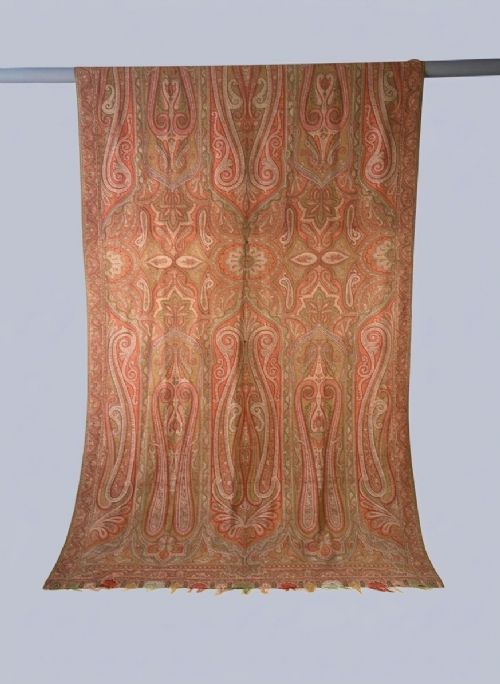
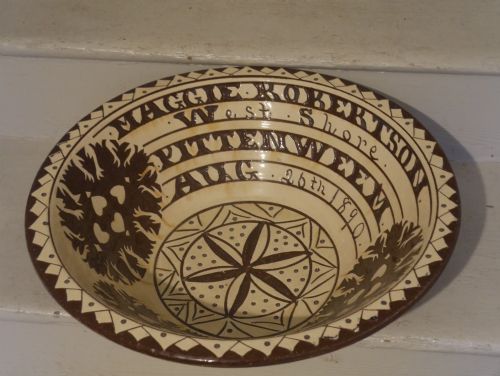
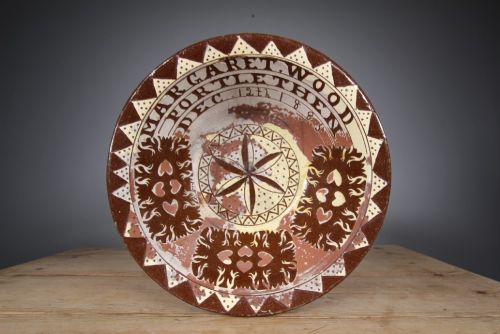
Beyond traditional framed canvases, the category extends to functional and decorative objects including Arts and Crafts pine furniture, slipware pottery bowls from Seaton, and intricate textile works like Paisley wool shawls. This breadth reflects a vibrant local culture spanning academic painting, vernacular design, and domestic craft.
Materials and construction
Painters of the period typically applied oil paint or watercolour onto prepared canvas, wood panels, or heavy paper, finishing works with gesso and giltwood frames. Canvas supports dominate the oil paintings, while watercolours rely on high-grade paper mounted under glass.
19th Century Scottish Art Retail Price Guide 2026
Typical asking prices for 19th century scottish art among the pieces listed under this phrase on Sellingantiques today, from the lower quarter to the upper quarter. They describe what is for sale here now, not the wider market.
Distinctions in quality
Quality in 19th century scottish art is defined by the artist's handling of light, atmospheric depth, and the precision of brushwork in capturing natural textures like wool, water, and granite. Works by documented practitioners command greater attention due to confident composition and established provenance.
William Beattie-Brown·George Fotherly Hargitt·Thomas Miles Richardson Jnr·William Henry Earp·John R Prentice·James Howe·David Roberts·James Hamilton·Henry H Parker·Robert Watson·Joseph Farquharson·William Watson Jnr·Robert Cleminson·Douglas Cameron·Charles Leslie·Alexander Wellwood Rattray·Everett Watson Mellor·John Moxon·William George Tennick·Henry Robinson Hall·James Kyd·W E Evans·J Gibb·James Drummond
The 19th Century Scottish Art Glossary
- Oil on Canvas
- A traditional painting technique where oil-based pigments are applied to a stretched woven fabric support. This method allowed artists to achieve rich colour saturation and subtle blending in expansive Highland landscapes.
- Watercolour Painting
- A medium utilising water-soluble pigments on paper to create luminous, translucent washes of colour. It was frequently favoured for topographical views and rapid en plein air studies.
- Slipware
- Pottery decorated with a liquid clay mixture applied before firing to create surface patterns and slip trails. Seaton pottery pieces showcase this traditional technique on functional bowls.
- Giltwood
- Wood carved and coated with a thin layer of gold leaf, commonly used for framing fine paintings. The reflective metallic surface enhanced the visual impact of Victorian salon displays.
- Arts and Crafts
- A design movement valuing handcraftsmanship, traditional materials, and vernacular styles over mass production. In Scottish pieces, this appears in sturdy pine furniture and straightforward construction.
19th Century Scottish Art: Frequently Asked Questions
What subjects are most common in these paintings?
The works frequently depict dramatic Scottish scenery, including misty lochs, rugged mountains, and coastal castles accompanied by Highland cattle or sheep.
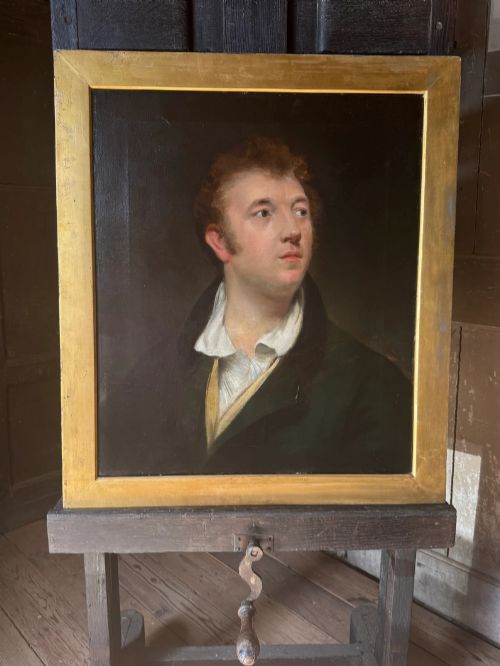
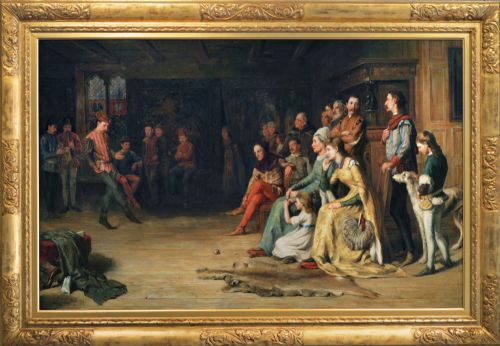
Artists also recorded domestic genre scenes, portraits of local figures, and townscapes around Edinburgh and Fife.
How do I identify the date of a piece?
Many paintings and works on paper carry artist signatures, exhibition dates, or period inscriptions on the reverse or front.
Stylistic markers such as Victorian framing, specific canvas preparations, and regional pottery stamps help narrow down the decade of production.
Are these works typically signed by the artist?
A significant portion of the oil paintings and watercolours feature visible signatures, monograms, or contemporary ink inscriptions naming the creator.
Unsigned pieces are usually attributed to regional schools or specific artistic circles based on technique, palette, and subject matter.
How should I care for a 19th century oil painting?
Keep paintings away from direct sunlight, high humidity, and rapid temperature fluctuations to protect the canvas and oil pigments.
Dust giltwood frames gently with a soft, dry brush and avoid using liquid cleaners on the canvas surface.