


Original Expressionist Painting
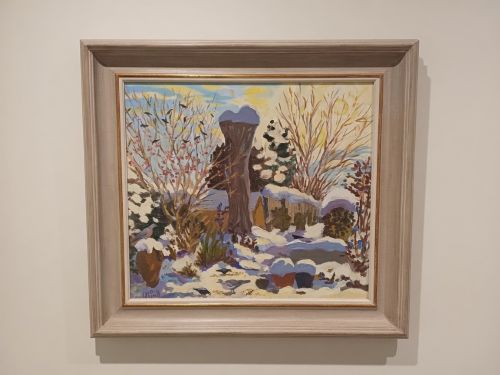
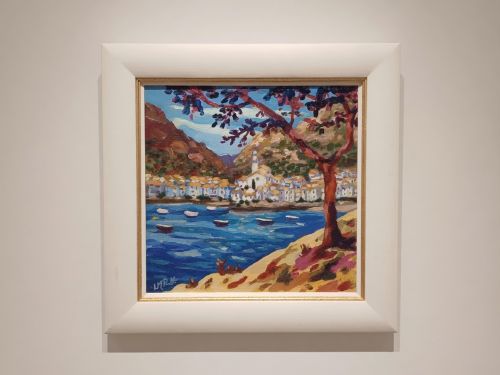
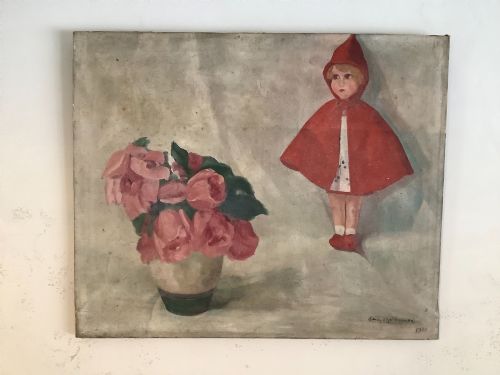
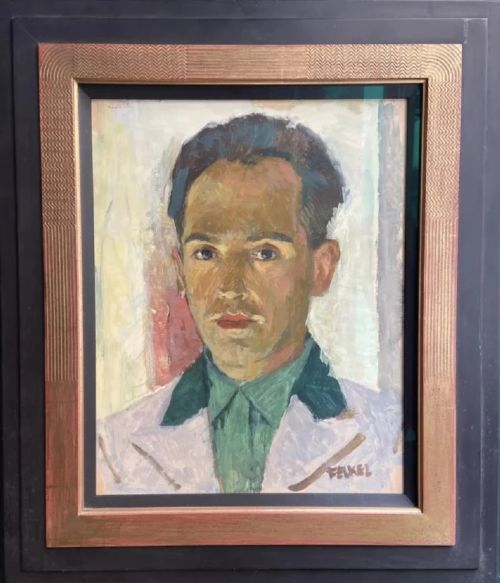
An original expressionist painting captures raw emotional energy through bold brushwork and striking colour, drawing the viewer straight into the artist's inner vision.
Original Expressionist Painting
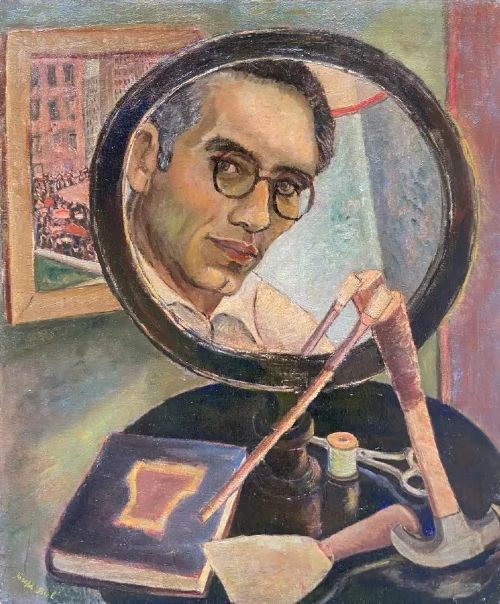
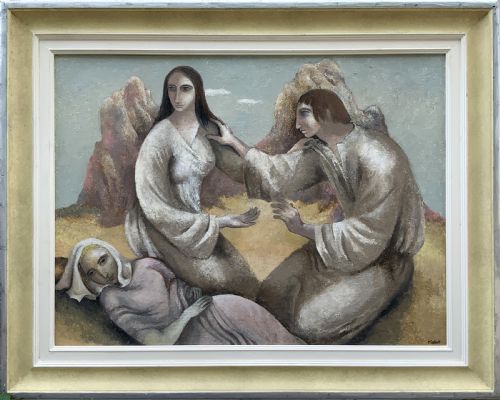
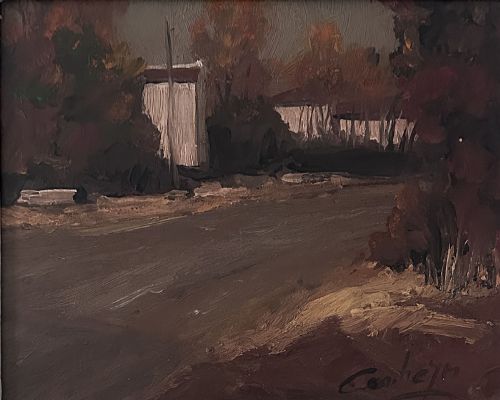
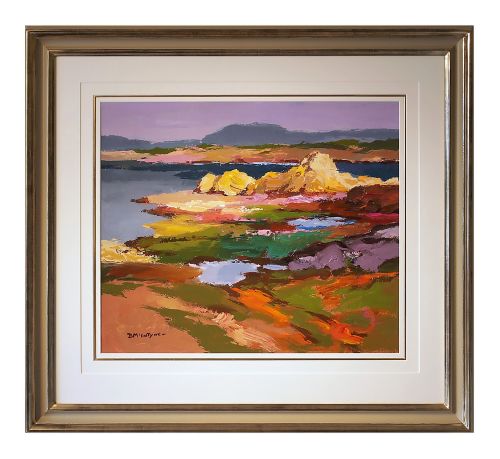
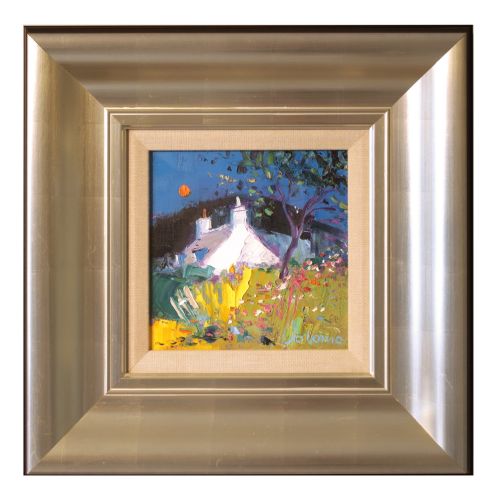
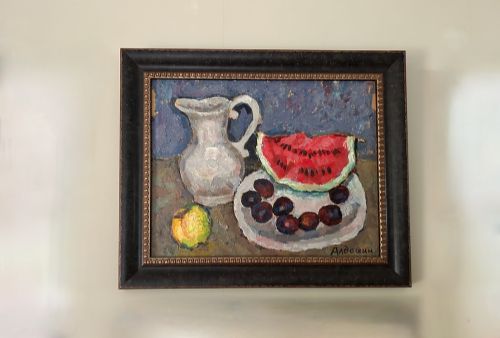
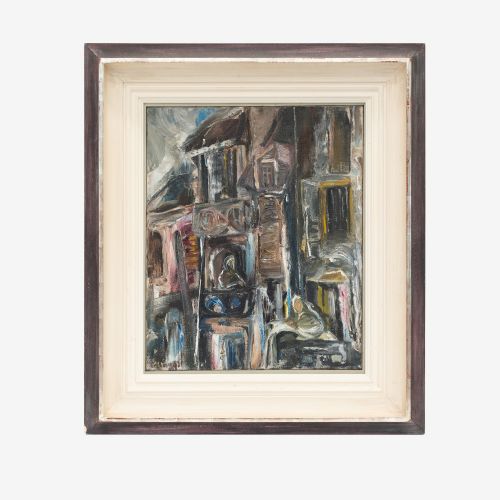
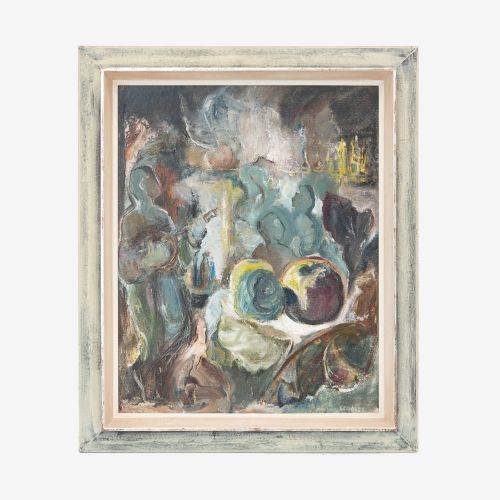
An original expressionist painting is a direct record of an artist's emotional response to a subject, prioritising psychological intensity over strict realism. When searching for an original expressionist painting, buyers encounter works spanning from the early twentieth century through to the modern era, reflecting diverse European and British movements.
The selections on this page showcase varied forms including portraits, still lifes, cityscapes and rural landscapes. These pieces frequently emerge from mid-century modernist traditions, French expressionism, and post-impressionist experimentation.
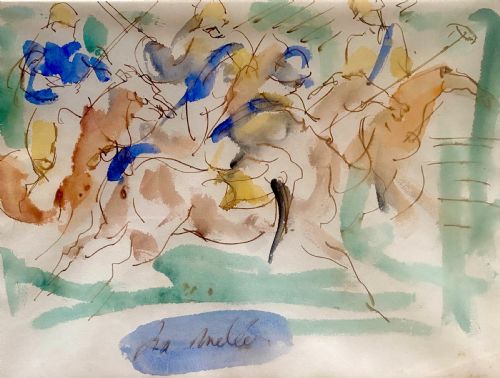
Works on this page range from intimate watercolours on paper to large-scale canvases executed with heavy impasto. Each piece offers a distinct encounter with the energetic mark-making and subjective perspective characteristic of the style.
Materials and techniques
Artists creating these works relied primarily on oil paint applied to canvas or rigid board, valuing the medium for its rich texture and slow drying time. The heavy buildup of pigment, known as impasto, creates raised surfaces that catch the light and add physical depth to the composition.
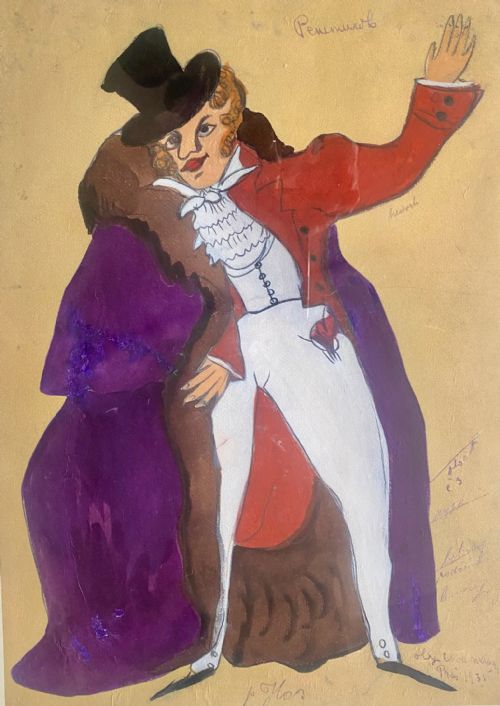
Watercolour, gouache and ink appear frequently on paper supports, allowing for rapid execution and fluid, expressive line work. Wood panels also serve as a sturdy base for oil applications, particularly in smaller studies and portable works.
Listings feature works spanning from the nineteenth century through the Edwardian period and the 1920s to the 1960s.
Variations in quality
Quality in these works rests upon the confidence of the mark-making and the internal coherence of the composition. Stronger pieces demonstrate a purposeful handling of medium where every stroke contributes to the emotional weight of the image, rather than relying on decorative gestures.
The relationship between colour harmony and tension separates distinguished works from weaker examples. Masterful pieces balance discordant hues to heighten expressive impact without losing structural clarity.
Lucy Pratt·Carl Felkel·Joseph Biel·Christine Nesbit·Donald McIntyre·John Lowrie Morrison·Vladimir Aldoshin·Lilian Colbourn·Olga Choumansky·Joan Gillchrest·Dame Elisabeth Frink·Hazel M Barnett·Gaetan Dumas·Gabriel Dauchot·Mercedes Legrand·Baruch Shalom Oskotsky·Hein Hoppmann·Derek Latimer Sayer·William McCance·Peter Jackson
The Original Expressionist Painting Glossary
- Impasto
- Paint applied thickly to a canvas or board, standing out in relief from the plane. This technique adds tactile dimension and registers the physical gesture of the artist.
- Fauvism
- An early twentieth-century style characterised by strong, non-naturalistic colours and fierce brushwork. Practitioners prioritised painterly qualities and direct expression over representational accuracy.
- Gouache
- An opaque water-based paint that dries to a matte finish, offering vibrant colour density. It is frequently combined with ink or watercolour on paper supports.
- Post-Impressionism
- A predominantly French art movement that extended impressionism while rejecting its limitations. Artists favoured symbolic content, heavy outlines and bold colour choices.
- Provenance
- The documented history of ownership of a work of art, establishing its authenticity and lineage. A traceable background adds significant context to a piece.
Original Expressionist Painting: Frequently Asked Questions
What defines an expressionist painting?
An expressionist painting prioritises subjective emotional experience over objective visual accuracy. Artists use distorted forms, exaggerated perspectives and intense colour palettes to convey internal feelings rather than literal appearances.
This approach allows the creator to communicate mood, psychological tension or raw vitality directly to the viewer. Brushwork is typically dynamic and visible, serving as a primary vehicle for emotional expression.
How should I care for an oil painting on canvas?
Keep canvas works away from direct sunlight and damp environments to prevent the fabric from sagging and the pigments from fading. Dust the surface gently with a soft, dry brush without applying pressure.
Avoid using liquid cleaners or touching the paint surface directly, especially on works featuring heavy impasto. Professional conservation should be sought if the canvas requires cleaning or structural repair.
How do I distinguish mid-century works?
Mid-century pieces from the 1940s through the 1960s often display liberated brushwork, abstraction of urban or rural scenes, and a distinct exploration of modern materials. Artists during this period pushed further away from traditional perspective.
Examining the stretcher bars, framing methods and any signatures or dates on the reverse helps contextualise the period. Stylistic markers often reflect post-war anxieties or a renewed enthusiasm for modernist experimentation.
Where were these paintings displayed originally?
Works of this nature typically hung in private domestic interiors, avant-garde galleries, or artist studios across Britain and continental Europe. Many were produced during periods of significant social change and exhibited in regional salons.
Today, living with these pieces places them back into domestic spaces where their vibrant colours and textures can interact with modern light and architecture.