



Expressionist Portrait Painting
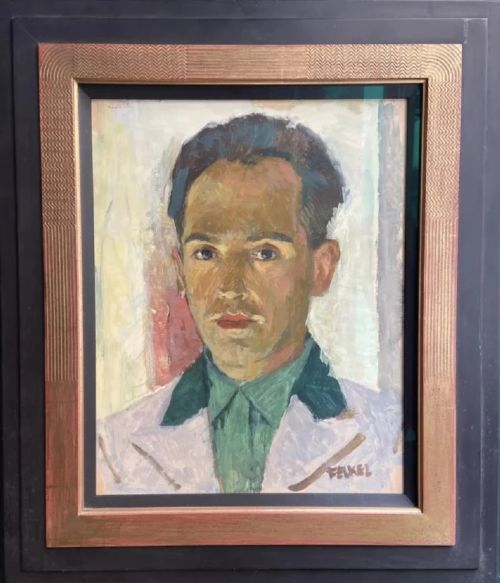
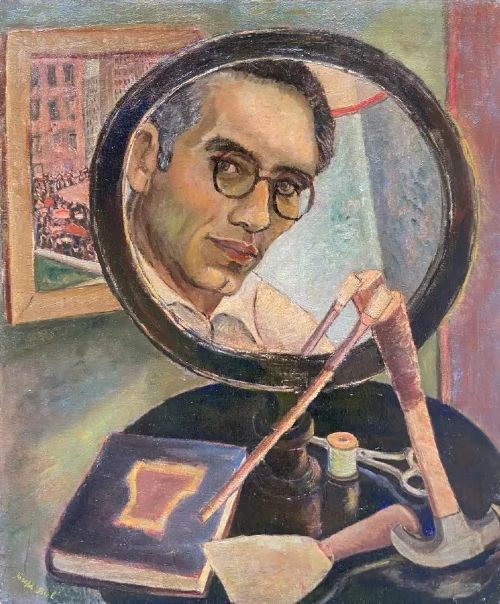
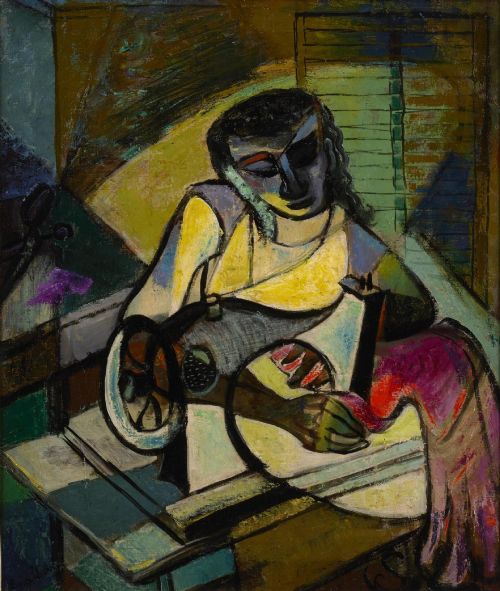
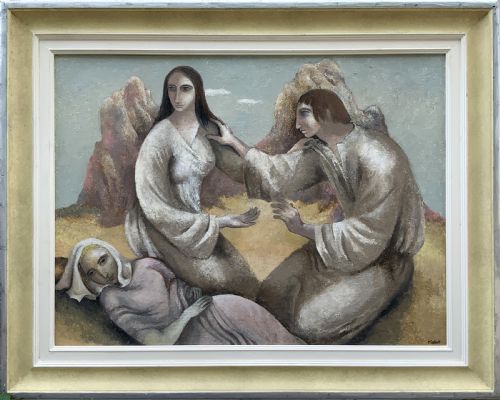
An expressionist portrait painting captures raw emotion and psychological depth, offering a compelling focal point for any room through bold brushwork and striking colour.
Expressionist Portrait Painting
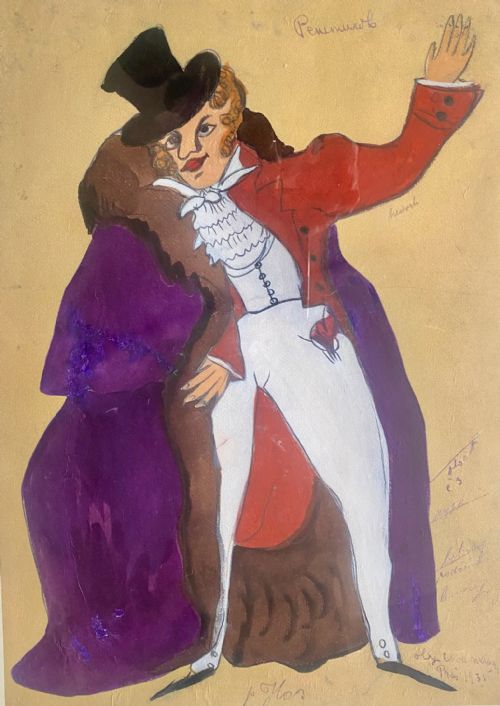
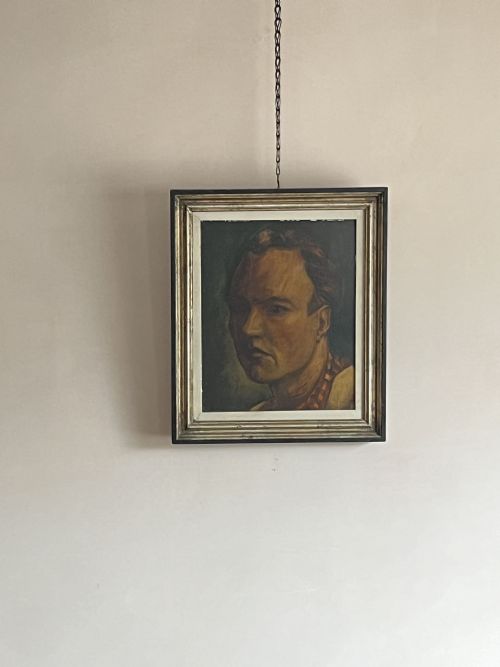
When you search for an expressionist portrait painting, you encounter works that prioritize emotional intensity over strict academic realism. These pieces frequently emerge from mid-century modernist and avant-garde traditions, spanning decades from the Edwardian era through the nineteen-fifties and sixties. You will find subjects ranging from intimate self-portraits and female nudes to theatrical performers and evocative figural studies.
The creators of these works include notable British, French, American, and Spanish artists who embraced expressionism, cubism, and new figuration. Canvas and board dominate the supports, often housed within frames that complement their bold aesthetic. These artworks bring a distinct psychological resonance and historical weight to domestic interiors.
Materials and methods
Oil paint applied to canvas or board forms the primary medium for these works, allowing artists to build thick layers of impasto and textured surfaces. Some pieces utilise gouache or mixed media on paper, introducing fluid lines and vibrant washes alongside heavier paint applications. These varied techniques give each surface a tangible physicality that mirrors the emotional urgency of the subject matter.
The handling of paint ranges from swift, expressive strokes to carefully constructed abstract compositions. Artists layered pigments to manipulate light and shadow, prioritising expressive force over photographic precision. This direct engagement with material creates the characteristic dynamism visible across the selection.
Expressionist Portrait Painting Retail Price Guide 2026
Typical asking prices for expressionist portrait painting among the pieces listed under this phrase on Sellingantiques today, from the lower quarter to the upper quarter. They describe what is for sale here now, not the wider market.
Several portraits quietly record the domestic company of cats and caged birds, reminding us that twentieth-century artists shared their studios with demanding little muses.
Distinctions in quality
The strength of a piece rests upon the confidence of the brushwork and the clarity of the psychological tension conveyed. Works that demonstrate a masterly control of palette and composition command greater visual authority than routine studies. The integration of medium and support also dictates success, where thick impasto or delicate gouache serves the artistic intent without feeling laboured.
Provenance and documentation elevate certain works, particularly when signed by established figures within modernist circles. A compelling interplay between subject and abstraction distinguishes ambitious compositions from simpler decorative efforts. Ultimately, the most successful examples achieve a lasting emotional resonance through deliberate economy of line and colour.
Carl Felkel·Joseph Biel·Lena Gurr·Christine Nesbit·Gaetan Dumas·Baruch Shalom Oskotsky·Peter Jackson·David Cox·Jean Hippolyte Marchand·Pinchus Krémègne·Antonio Ferri·Yetta Kane·Raymond Arthur Roadnight·Burr Singer·Richards Rubin·Bernard Meninsky
The Expressionist Portrait Painting Glossary
- Impasto
- Paint applied thickly to a canvas or board, standing out in relief from the surface and retaining the marks of the brush or palette knife.
- Avant-garde
- Artworks and artists that push the boundaries of conventional aesthetic norms, pioneering innovative styles and experimental approaches during the twentieth century.
- Gouache
- An opaque water-based paint that dries to a matte finish, frequently utilised on paper for its vibrant colour saturation and fluid application.
- New Figuration
- A late-forties and fifties painting movement that revitalised figurative art through expressionist techniques and modern abstraction.
- Provenance
- The documented history of ownership surrounding an artwork, which helps verify authenticity and establish its historical context.
Expressionist Portrait Painting: Frequently Asked Questions
What defines expressionist portrait painting?
These works focus on conveying inner psychological states and raw emotion rather than producing a photographic likeness of the sitter. Artists utilise distorted forms, expressive brushwork, and non-naturalistic palettes to communicate subjective experience.
Such portraits emerged strongly during early to mid-twentieth-century modernist movements, reflecting the shifting anxieties and artistic freedoms of the period.
How should I hang these paintings?
Position them at eye level in spaces where lighting can be controlled to highlight textured surfaces like impasto without creating disruptive glare. Neutral wall backgrounds allow the strong pigments and dynamic compositions of mid-century works to command attention.
Keep them away from direct sunlight and excessive humidity to protect traditional oil paints, canvas supports, and paper mediums from degradation.
How do I identify the period?
Dating relies on stylistic clues, framing conventions, and artist signatures or biographical records. Pieces from the nineteen-twenties and thirties often reflect early avant-garde and art deco sensibilities, while works from the forties and fifties lean into heavier expressionism and new figuration.
Examining the reverse of the canvas or board frequently reveals dated inscriptions, gallery labels, or artist stamps that confirm the era of creation.
What is the difference between oil and gouache portraits?
Oil portraits utilise slow-drying oil-based pigments on canvas or board, allowing for rich texture, deep layering, and reworkable surfaces. Gouache portraits use water-based opaque paint on paper, resulting in matte finishes and swift, graphic application.
Oils generally offer greater physical durability, whereas gouache works on paper require protective framing behind glass to prevent environmental damage.