
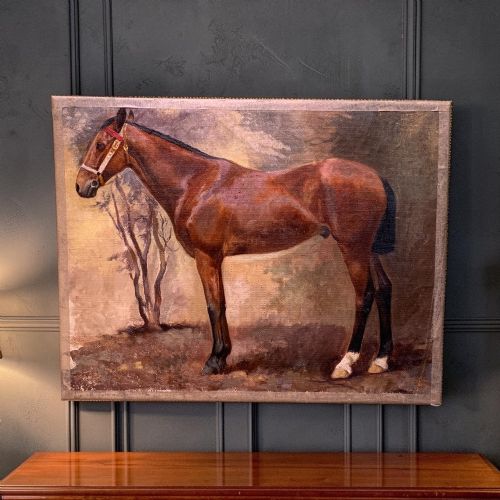

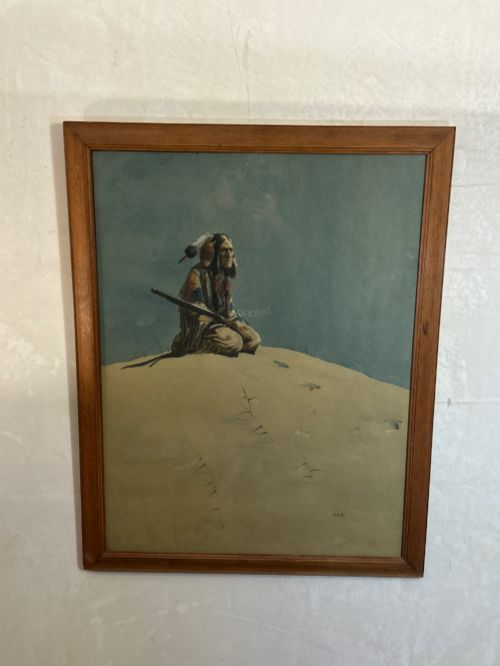
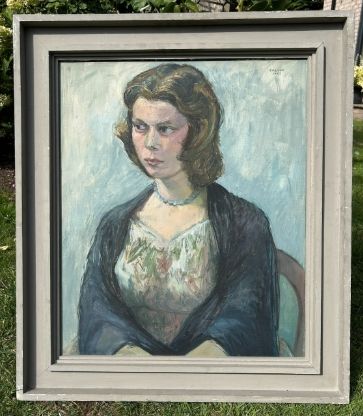
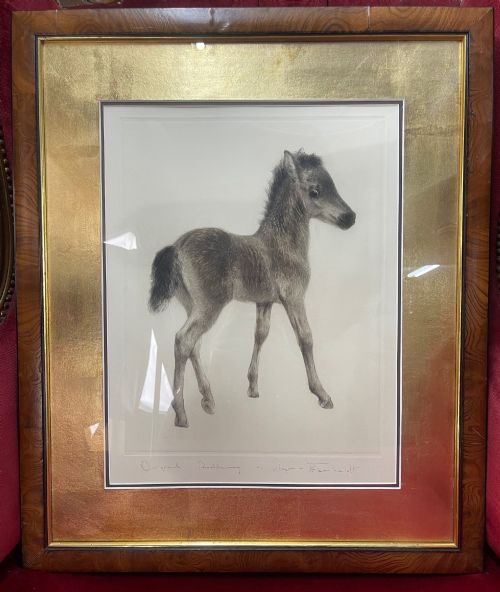
20th Century Portrait Artwork
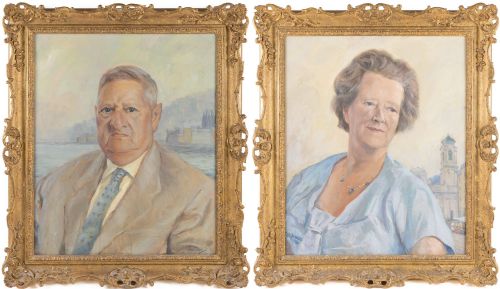
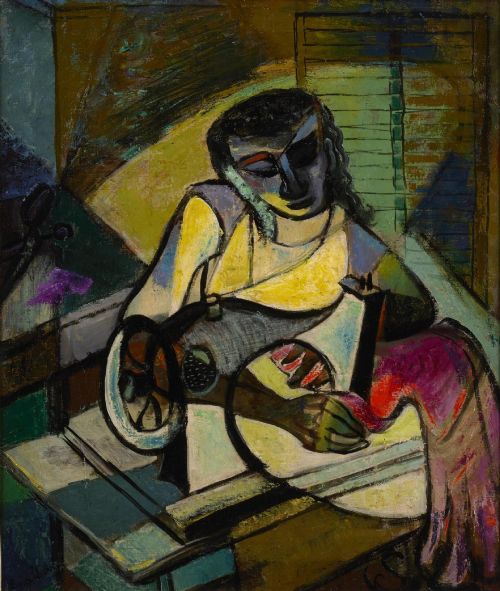
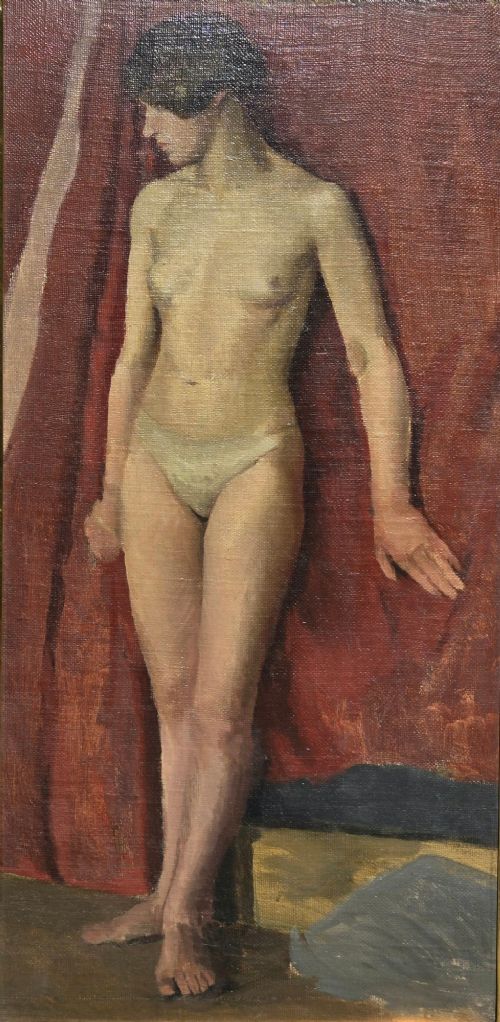
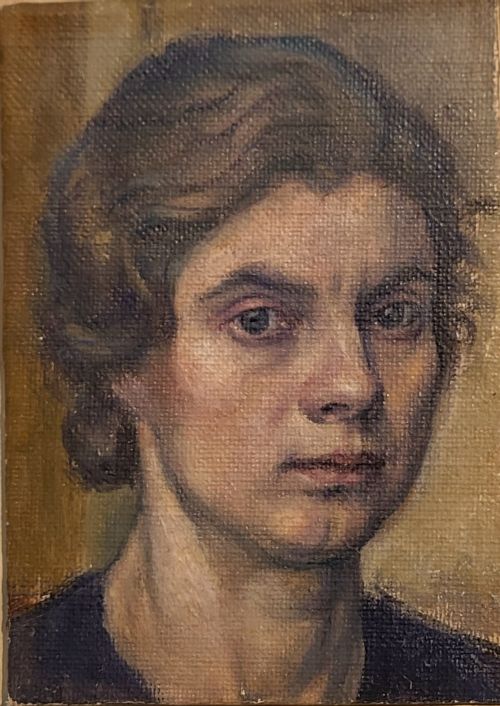
These 20th century portrait artwork pieces capture living presence through oil, canvas, and pastel, offering buyers a direct connection to past lives.
20th Century Portrait Artwork
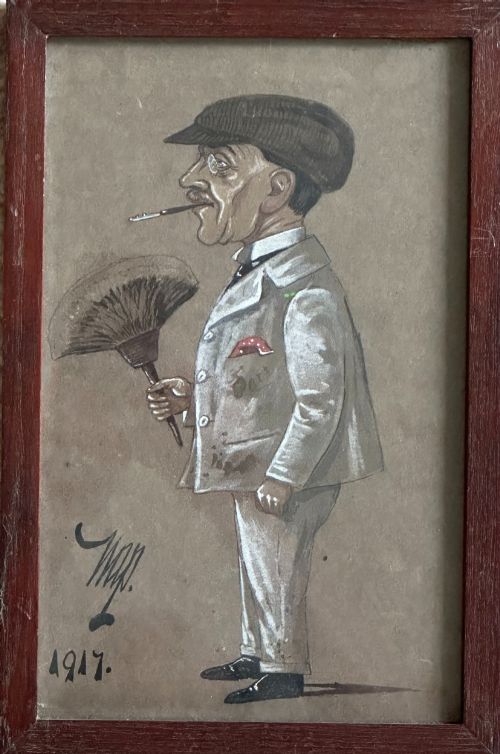
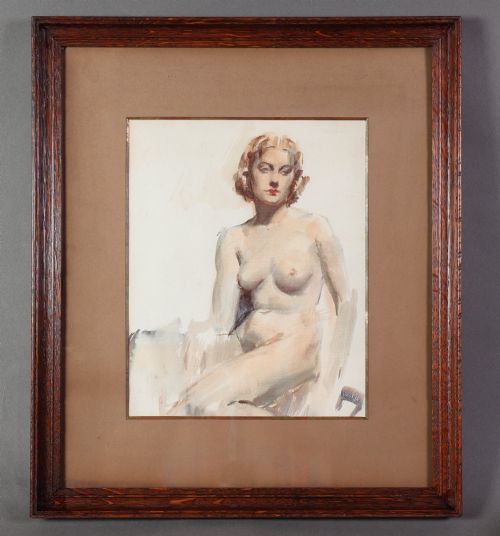
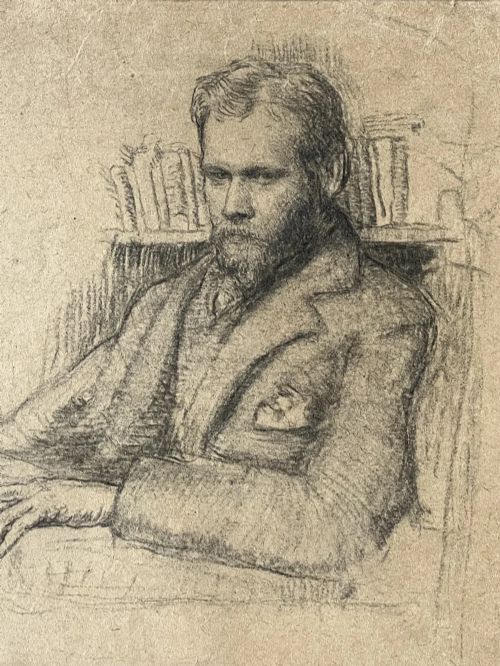
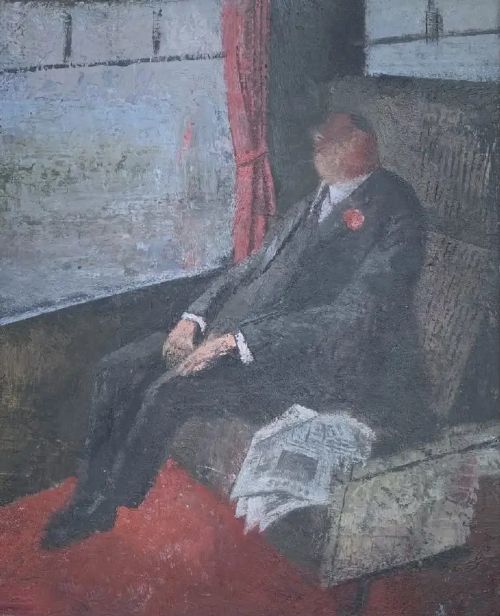
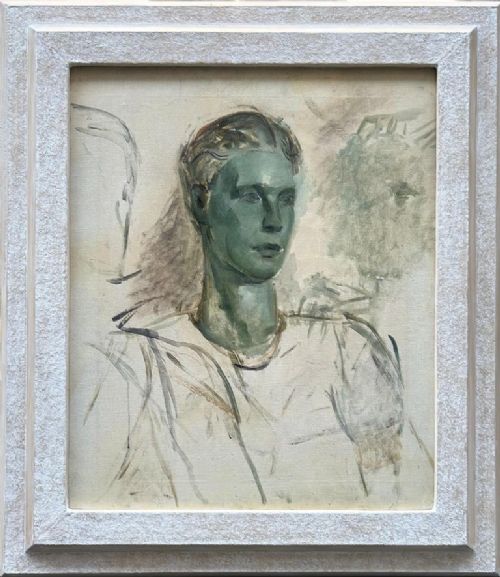
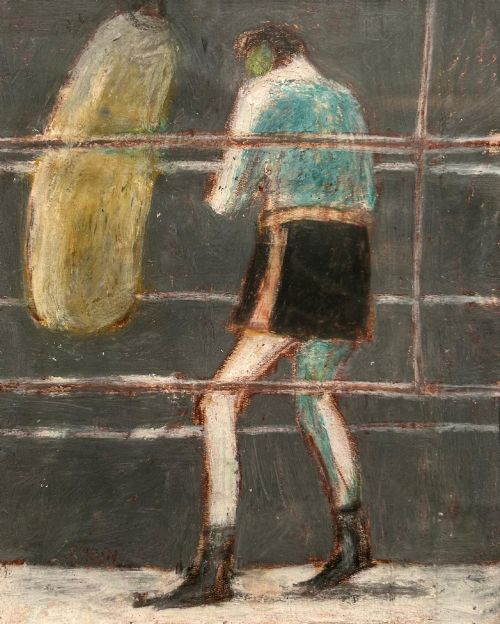
When you search for 20th century portrait artwork, you encounter painted and drawn likenesses spanning Edwardian formality through to mid-century expressionism. The selections on this page feature oils on canvas and board, delicate watercolours, and chalk pastels depicting sitters from everyday life and named individuals.
You are most likely to meet mid-century oil paintings and early 20th century studies on paper, often housed in original wood or swept gilt frames. These range from intimate self-portraits and nude studies to commissioned portraits of professionals and family members.
The materials reflect the evolving techniques of artists working across British and European schools during periods of significant artistic change. Each piece records a distinct artistic interpretation of the human subject, framed by the stylistic movements of its decade.
How they were made
20th Century Portrait Artwork Retail Price Guide 2026
Typical asking prices for 20th century portrait artwork among the pieces listed under this phrase on Sellingantiques today, from the lower quarter to the upper quarter. They describe what is for sale here now, not the wider market.
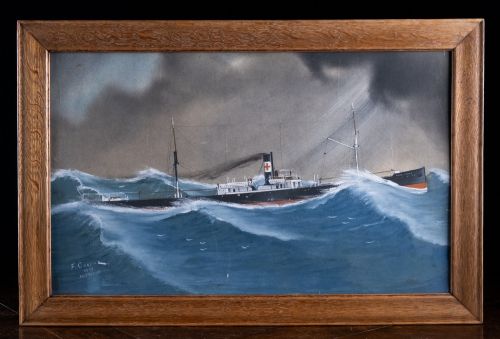
The listings span from the Edwardian era through the nineteen-sixties, utilising canvas, board, paper, and glass.
What varies in quality
Quality in these works rests upon the confidence of the draughtsmanship and the artist's ability to convey psychological depth rather than mere photographic likeness. Superior examples demonstrate assured handling of light, shadow, and pigment, whether executed in loose post-impressionist strokes or tight academic precision.
The integrity of the original support and pigment condition also distinguishes finer pieces, alongside the harmonious pairing with a period-appropriate frame. Works by established named artists or those retaining original gallery labels generally represent the peak of the range.
Emily Eyres·John Hassall·Kurt Meyer-Eberhardt·Augustus John·Samuel Rabin·Lena Gurr·Winifred Rymer·Christine Nesbit·Harold Knight·J.A. Grant·Charles James McCall·Percy Lancaster·Philip Naviasky·Ronald Ossory Dunlop·Howard Barron·Edouard Julien·Henri Vincent-Anglade·Attilio Toro·Allan Douglas Davidson·E H Windred·Baruch Shalom Oskotsky
The 20th Century Portrait Artwork Glossary
- Oil paint
- A slow-drying paint made from pigment suspended in a drying oil, typically linseed oil. This medium allows for rich blending of tones and textured impasto applications.
- Drypoint
- A printmaking technique where an image is scratched directly onto a metal plate with a sharp needle. This creates a distinctive velvety burr along the lines when printed.
- Gouache
- An opaque water-based paint that dries to a matte finish, frequently utilised for preparatory studies and detailed illustrations on paper or board.
- Post-Impressionism
- An art movement following impressionism that extended its limitations while rejecting its limitations concerning vivid colours and expressive brushwork.
- Impasto
- A technique where paint is laid on an area of surface in very thick layers, usually thick enough that the brush or painting-knife strokes are visible.
20th Century Portrait Artwork: Frequently Asked Questions
How do I identify the period of a portrait?
Examine the clothing, hairstyle, and framing materials, as these often reflect the prevailing fashions of the sitter's decade.
Signatures, dates inscribed on the reverse, and exhibition labels also help narrow down the exact period of creation.
What is the difference between oil on canvas and oil on board?
Canvas is fabric stretched over a wooden frame, offering slight give and a traditional textured surface for brushwork.
Board is a rigid wooden or composite panel that provides a firm, unyielding foundation favoured by artists working swiftly outdoors or in smaller formats.
Are unsigned portraits still worth collecting?
Many fine works from this era remain unsigned or carry cryptic initials from unknown practitioners of the period.
Quality of execution, strong composition, and expressive character matter more for aesthetic appreciation than a signature.