


Green Background Oil Painting
These green background oil painting examples combine rich foliage or verdant backdrops with traditional portraiture and still life.
Green Background Oil Painting
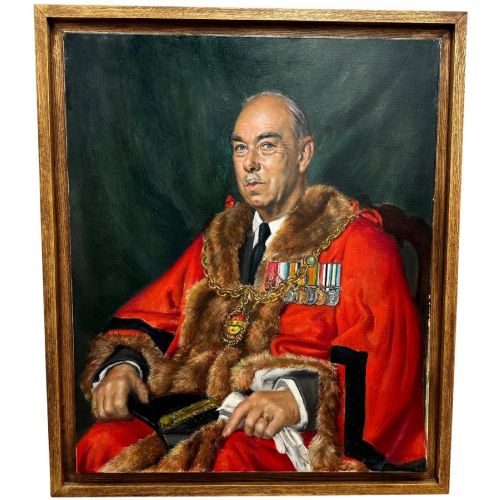
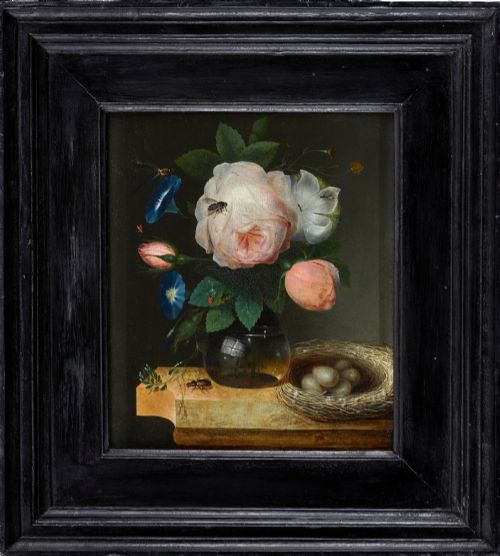
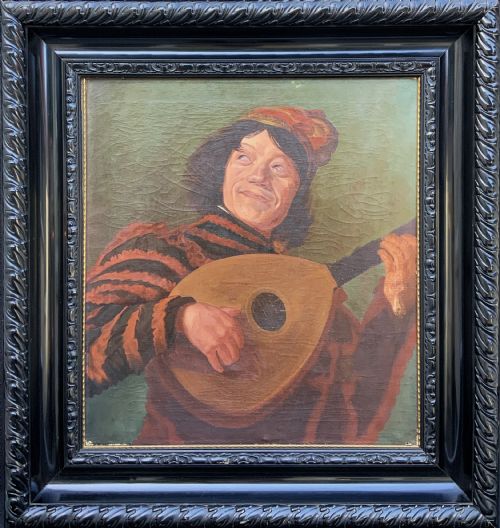
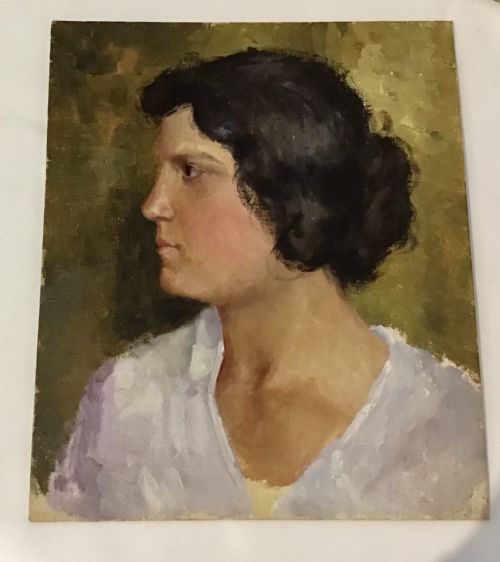
A green background oil painting brings together historical portraits and botanical or fruit still life compositions where verdant tones dominate the canvas. Buyers seeking this phrase encounter works spanning multiple centuries, from seventeenth-century Flemish baroque flower arrangements to mid-century figurative portraits.
The selection ranges from nineteenth-century animal studies of kittens and traditional Victorian society portraits to twentieth-century realist depictions of dancers and mayors. Many pieces utilise canvas or wood panels housed within original gilt wood and gesso frames.
Works attributed to various European schools dominate the selection, offering collectors a choice between classical Dutch still life traditions and modernist figurative art from the nineteen-fifties and sixties.
What varies in quality
The preservation of the original wood frame and the stability of the oil on canvas or board surface also distinguish superior examples from standard decorative works.
Listings incorporate works spanning from the seventeenth century through to the nineteen-sixties, utilising oil on canvas and wood board.
Bernard Hailstone·Gaspar Peeter Verbruggen·Agnes Augusta Talboys·Igor Talwinski·Henry Bright·Cowan Dobson
The Green Background Oil Painting Glossary
- Oil on canvas
- Pigments bound in a drying oil applied to a woven fabric support. This traditional method allows for subtle blending and rich colour depth.
- Gilt wood
- Wood carved and coated with gold leaf or metallic gilt powder. It frequently surrounds antique paintings within decorative frames.
- Gesso
- A plaster-like mixture applied to wood panels or frames to create a smooth surface for gilding and painting. It provides a stable base for decorative mouldings.
- Still life
- An artwork depicting inanimate subject matter, typically commonplace objects like flowers, fruit or glassware. These compositions test an artist's ability to render light and texture.
- Baroque
- An ornate artistic style originating in the seventeenth century, characterised by dramatic lighting and rich detail. Flemish and Dutch practitioners excelled in this manner.
Green Background Oil Painting: Frequently Asked Questions
How do I identify the period?
Examination of the canvas support, frame construction, and clothing style of portrait subjects offers clues to the era of creation. Stylistic markers range from seventeenth-century baroque composition rules to mid-century modern abstraction.
Signatures, artist attribution notes on the reverse, and regional school characteristics further help narrow down the decade or century in which the artist worked.
What subjects appear most often?
Portraits of society figures, dignitaries, and children frequently feature alongside botanical studies of flowers and fruit. Artists placed these subjects against verdant or muted green backdrops.
Animals, including Persian kittens, also appear within nineteenth-century compositions, reflecting domestic tastes of the Victorian period.
Are original frames included?
Many listings retain their period wood frames, often finished with gesso and gilt ornamentation that complements the oil painting. These frames vary from ornate nineteenth-century mouldings to simpler mid-century wooden profiles.
Checking the frame details helps confirm the overall historical integrity of the piece, as original pairings protect the edges of the canvas or board.
How should I care for an oil painting?
Keep paintings away from direct sunlight and dramatic fluctuations in temperature or humidity to protect the oil pigments and canvas support. Dust gently with a soft, dry brush without applying pressure to the paint surface.
Avoid using liquid cleaners on the canvas or the gilt wood frame, as moisture damages traditional gesso and varnish layers.