
Framed Figurative Portrait Art
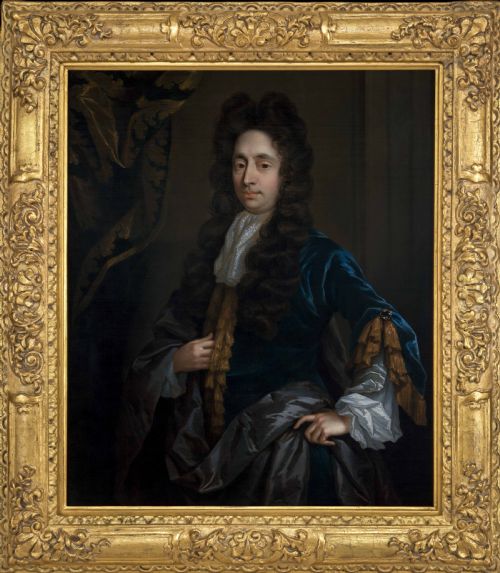
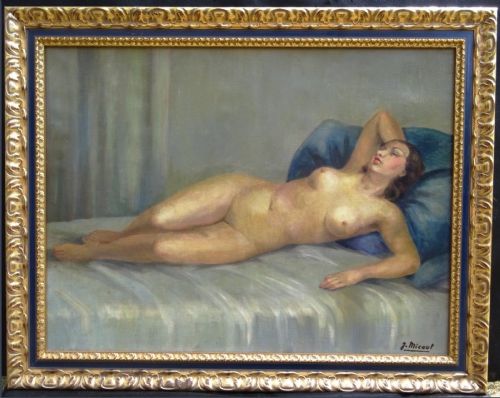
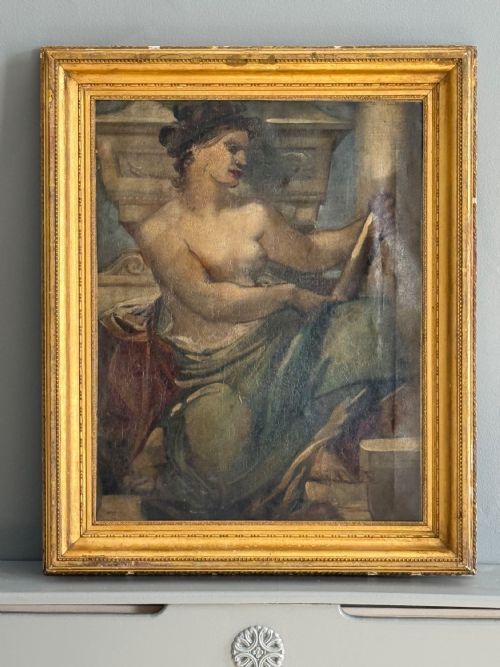
When you search for framed figurative portrait art, you are tracking down painted representations of people held in wood and gilt surrounds.
Framed Figurative Portrait Art
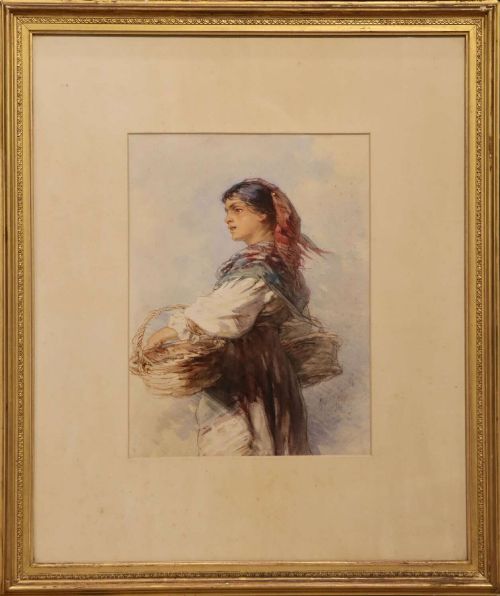
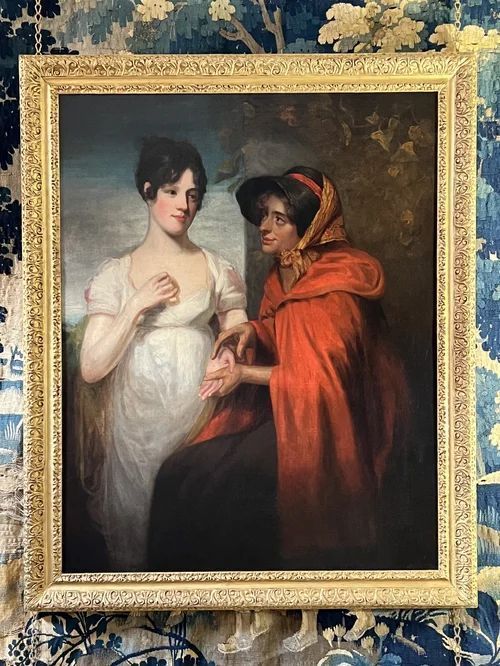
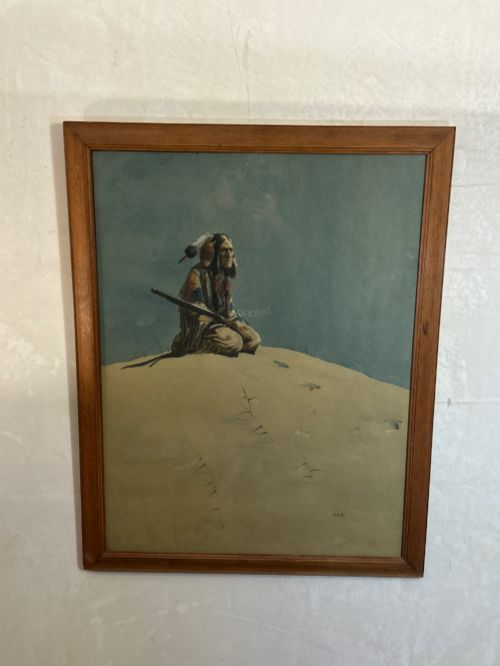
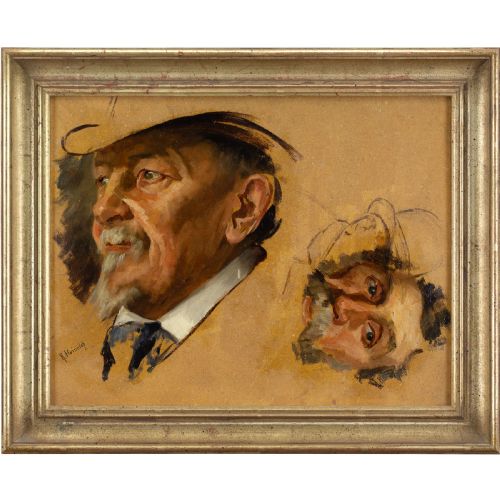
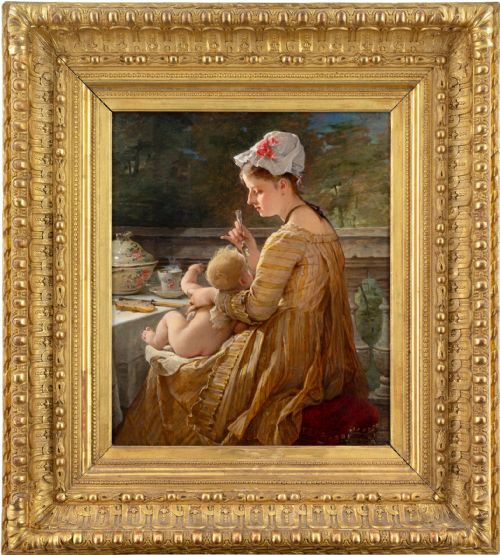
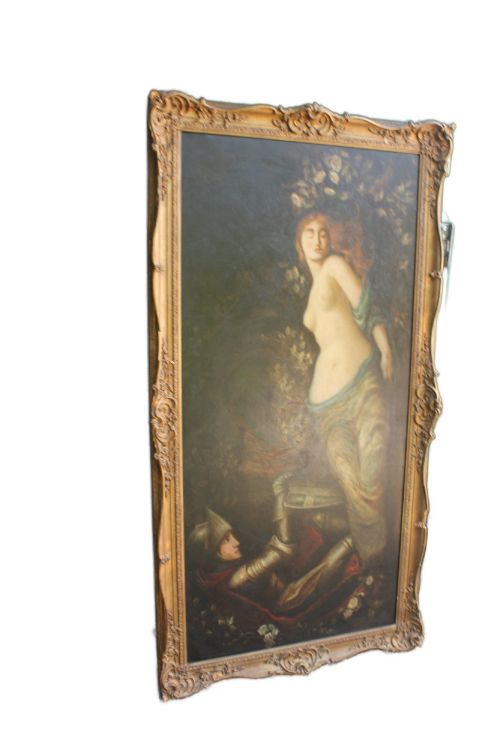
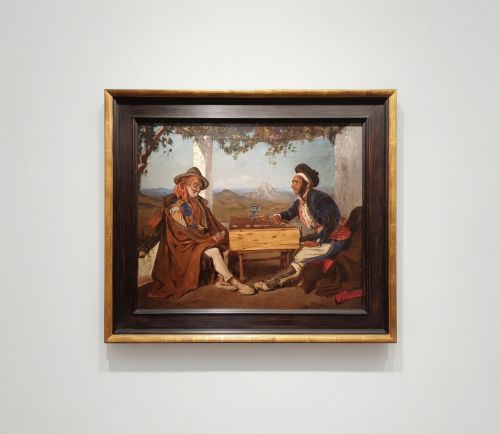
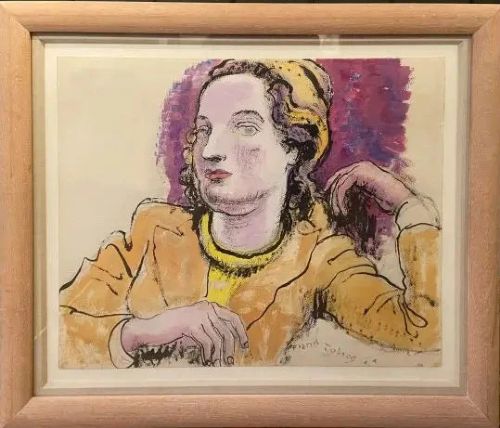
Framed figurative portrait art encompasses painted and worked depictions of individuals and groups, often grouped under terms such as oil paintings, watercolour, pastel, and fine art. These works span centuries of production, recording sitters from the seventeenth century through to the mid twentieth century.
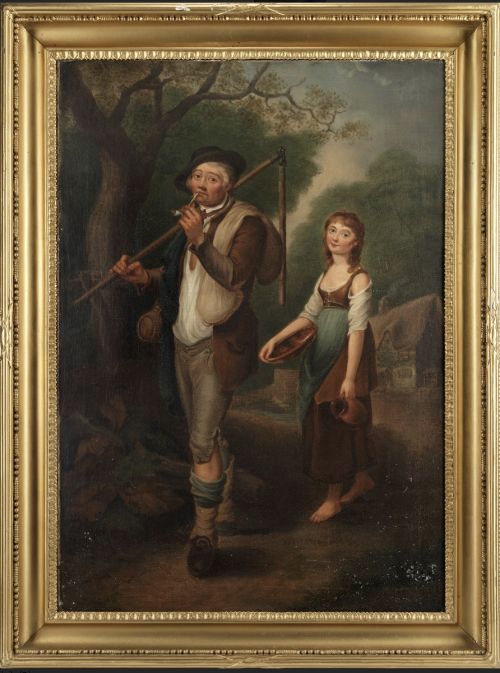
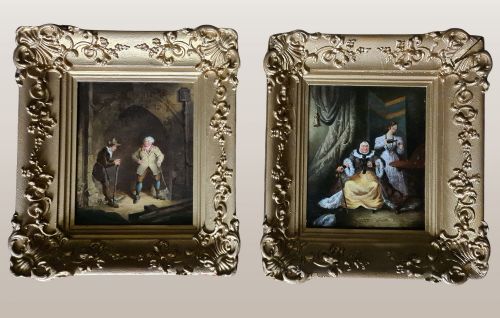
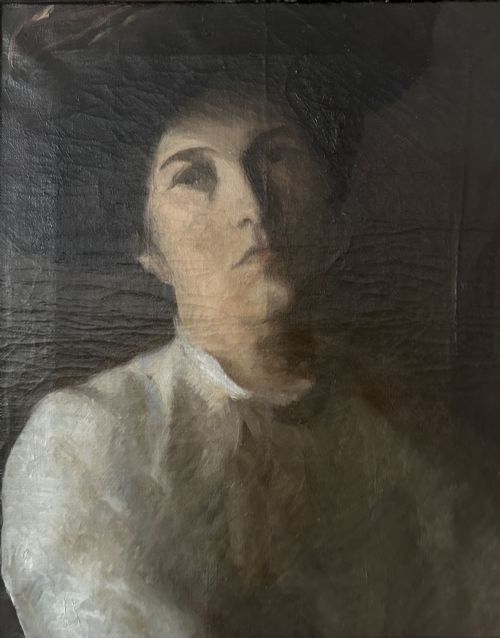
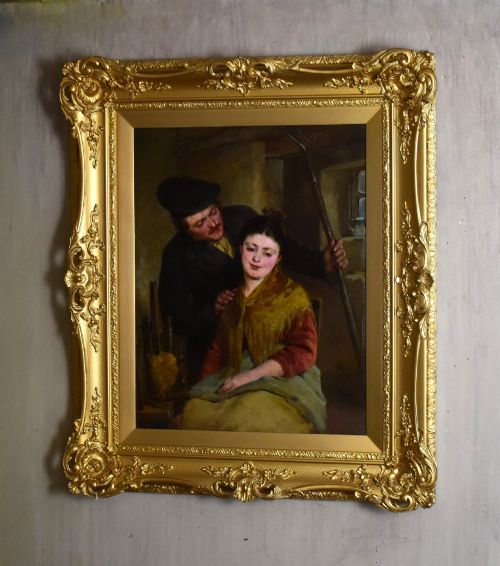
The version most commonly encountered on this page is the oil painting on canvas, housed within a period wood or giltwood frame. Such pieces range from intimate self-portraits to larger genre and academic studies executed by British, European, and American hands.
How they were made
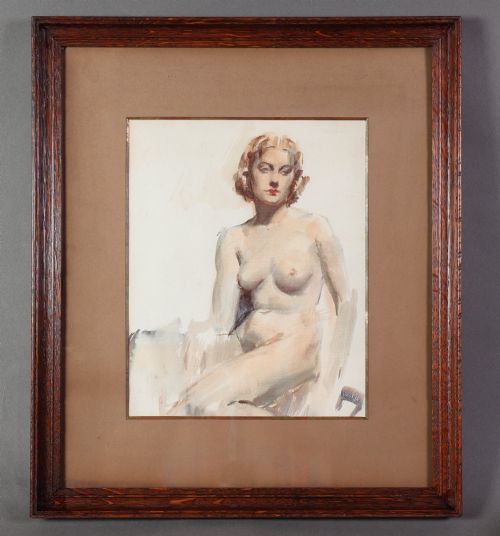
The foundation of these works is typically canvas, paper, or panel, prepared to receive oil paint, watercolour, gouache, or pastel. Artists applied pigment using brushes to build form, light, and shadow, occasionally incorporating impasto for texture.
Completed works are housed in frames constructed from wood, frequently enhanced with gilt or giltwood finishes. These surrounds serve both to protect the painted edge and to complement the visual weight of the portrait within.
Listings span the seventeenth to the mid-twentieth century, featuring works in oil, watercolour, pastel, and lithograph.
What varies in quality
Quality rests in the precision of the draughtsmanship and the handling of the medium, distinguishing a confident studio execution from a more rigid or formulaic production. The sensitivity of the sitter's characterisation and the rhythm of the brushwork reveal the hand of a more accomplished artist.
The integrity of the physical components also differentiates pieces, particularly the preservation of the original canvas support and the harmony of the framing. A well-preserved giltwood frame that matches the era of the painting elevates the entire object.
Constantyn Netscher·Thomas Barker of Bath·Adelaïde Salles-Wagner·Frank Dobson·Joseph Biel·Oliver Messel·Louis Charles Verwee·Charles Stuart Forbes·Lena Gurr·Henry Windsor Fry·Christine Nesbit·William Oliver·Philippe de Rougemont·Charles James McCall·Pablo Picasso·Renato Moretti·Percy Lancaster·Philip Naviasky·William Watt Milne·Ronald Ossory Dunlop·Michael Healy
The Framed Figurative Portrait Art Glossary
- Impasto
- Paint applied thickly to a canvas or panel, standing out in relief from the surface. This technique adds tactile depth and catches light across the painted garment or background.
- Giltwood
- Wood carved and covered with a thin layer of gold leaf or metallic powder. It provides a reflective, ornate border typical of traditional picture frames.
- Genre painting
- Artwork depicting scenes from everyday life, often featuring ordinary people engaged in common activities. These works focus on narrative and social observation rather than formal portraiture.
- Watercolour
- Paint consisting of colour pigments suspended in a water-soluble vehicle, usually applied to paper. It yields translucent washes of colour that rely on the reflective quality of the paper beneath.
Framed Figurative Portrait Art: Frequently Asked Questions
How do I date a framed portrait?
Dating relies on stylistic clues within the clothing, hair, and framing materials. Examining the construction of the canvas stretcher and the backing boards also helps narrow the decade of creation.
Signatures, exhibition labels, and biographical dates of the artist provide definitive anchors for the period. Comparing the handling of paint with documented examples from the same school confirms the era.
Where should I hang these artworks?
These pieces suit principal reception rooms, studies, and hallways where lighting can be controlled. Positioning them away from direct sunlight protects the pigments on canvas and paper from fading.
Ensure the wall fixings match the weight of the wood and gilt frames. Hanging works at eye level allows the viewer to engage directly with the gaze of the sitter.
What is the difference between oil and watercolour portraits?
Oil paintings utilise pigments bound in drying oils applied to canvas or panel, offering rich depth and texture. Watercolours employ water-soluble media on paper, producing a lighter, more translucent finish.
Oils are generally more robust and traditionally housed in heavy giltwood frames. Watercolours require protective glass glazing to prevent moisture and atmospheric damage to the paper surface.
How do I care for antique frames?
Antique giltwood and wood frames require gentle dusting with a soft, dry brush to remove particles. Avoid using liquid cleaners or polishes, which can strip the delicate metallic leaf and historic finishes.
Maintain stable room humidity and temperature to prevent the wood from warping or shrinking. Check the hanging wire and structural joints periodically to ensure the frame supports the weight safely.