




Expressionist Portrait Canvas
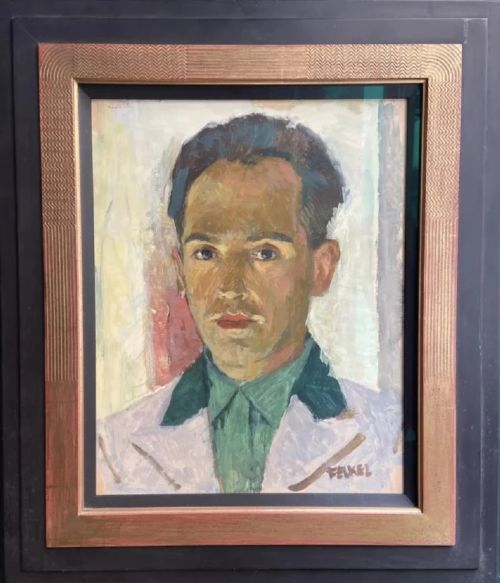
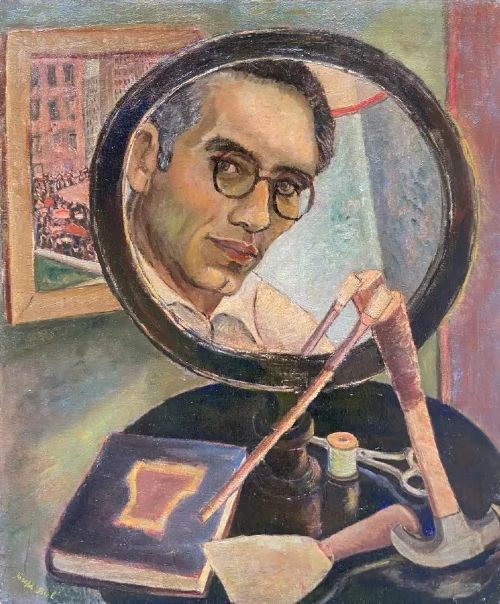
An expressionist portrait canvas brings raw human emotion and bold brushwork into a room, capturing personality through distortion and vibrant colour.
Expressionist Portrait Canvas
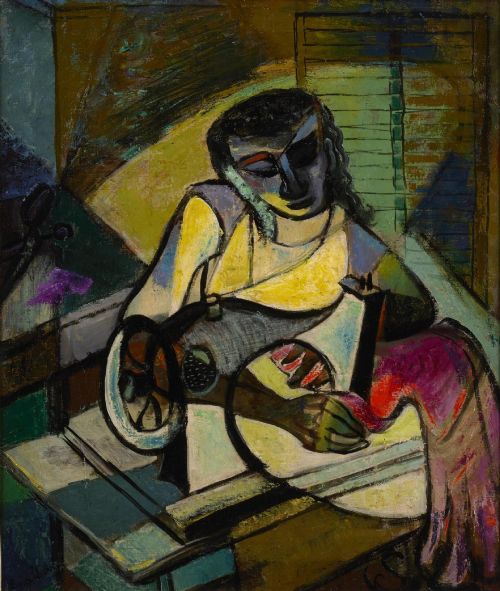
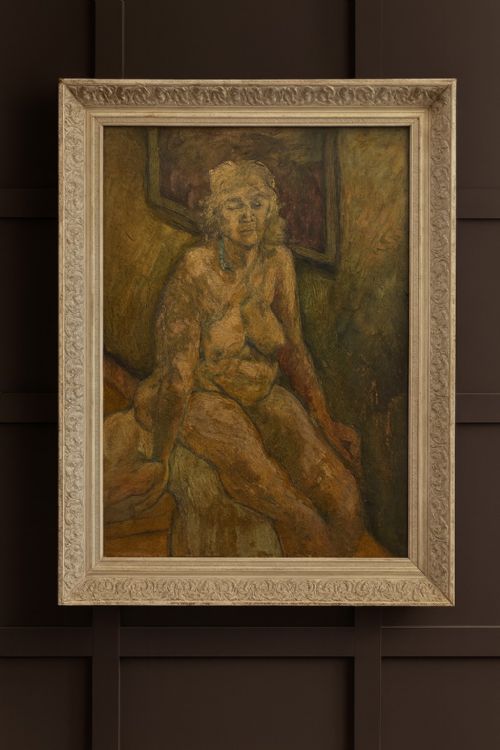
An expressionist portrait canvas presents human subjects through distorted forms, heavy pigment, and psychological depth rather than photographic accuracy. When searching for this phrase, collectors encounter works spanning several decades from the early twentieth century onwards.
The pieces appearing here lean heavily into mid-century aesthetics, featuring self-portraits, nudes, and figurative studies. Oils dominate the selection, applied to both stretched fabric supports and rigid boards.
Makers from various European and British backgrounds populate the inventory, bringing distinct regional interpretations to the movement. These artworks function primarily as striking wall art designed to command attention in domestic interiors.
How they were made
Artists built these compositions primarily using oil paint applied thickly to woven canvas supports or wooden boards. Some works incorporate additional elements such as metallic leaf to catch the light and alter surface texture.
The application method relies on visible, energetic brushstrokes that prioritize emotional resonance over smooth blending. Support materials often show simple framing or mounting techniques appropriate to the mid-century period.
Listings feature canvases spanning from the nineteen-twenties to the nineteen-sixties, utilising oil paint, board, and metallic leaf.
What varies in quality
The strength of the composition and the confidence of the brushwork determine the distinction between ordinary and exceptional examples. Superior works achieve a tense balance between abstraction and recognizable anatomy.
Provenance and documentation elevate certain pieces, particularly those bearing signatures or attribution to known figures within modernist circles. The handling of light and the psychological intensity of the subject further separate notable paintings from routine studies.
Carl Felkel·Joseph Biel·Lena Gurr·Tony Giles·Gaetan Dumas·Baruch Shalom Oskotsky·Peter Jackson·Jean Hippolyte Marchand·Pinchus Krémègne·Antonio Ferri·Yetta Kane·Raymond Arthur Roadnight·Burr Singer·Bernard Meninsky
The Expressionist Portrait Canvas Glossary
- Expressionism
- An artistic style where the artist seeks to depict emotional experience rather than physical reality. This approach uses distorted shapes and vibrant colours.
- Cubism
- An avant-garde movement that revolutionized European painting by breaking subjects down into geometric planes and multiple viewpoints. This influence appears frequently in mid-century portraiture.
- Oil Paint
- A slow-drying paint made by mixing pigments with a drying oil, typically linseed oil. It allows for rich colour saturation and thick impasto textures.
- Metallic Leaf
- Thin sheets of metal used to decorate surfaces in artwork. It adds reflective highlights to the painted canvas.
Expressionist Portrait Canvas: Frequently Asked Questions
How do I hang a canvas safely?
Hang your canvas on a sturdy wall using appropriate fixings rated for the weight of the wooden stretcher and frame. Avoid placement in direct sunlight to protect oil pigments from fading.
Maintain stable room humidity to prevent the fabric support from slackening or the wooden elements from warping over time.
How do I date a mid-century painting?
Dating relies on stylistic clues, stretcher construction, artist signatures, and any documentation accompanying the piece. Mid-century works often reflect the aesthetic shifts of the nineteen-thirties through the nineteen-sixties.
Examining the materials on the reverse, including old labels and stamps, frequently reveals clues about the origin of the support.
Can I reframe an older canvas?
Reframing is possible but requires care to ensure the new moulding does not damage the edges or press against the painted surface. Many collectors prefer to keep original frames if they match the period of the artwork.
Consult a professional framer if the canvas requires new backing boards or conservation grade materials for protection.