





Victorian Portrait of Woman
A victorian portrait of woman captures nineteenth-century character through oils, watercolours, and carved marble.
Victorian Portrait of Woman
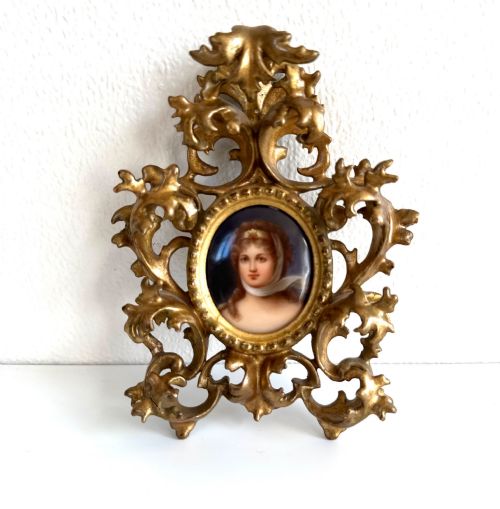
A victorian portrait of woman encompasses oil paintings on canvas, delicate watercolours, porcelain plaques, and carved marble busts created across the nineteenth and early twentieth centuries.
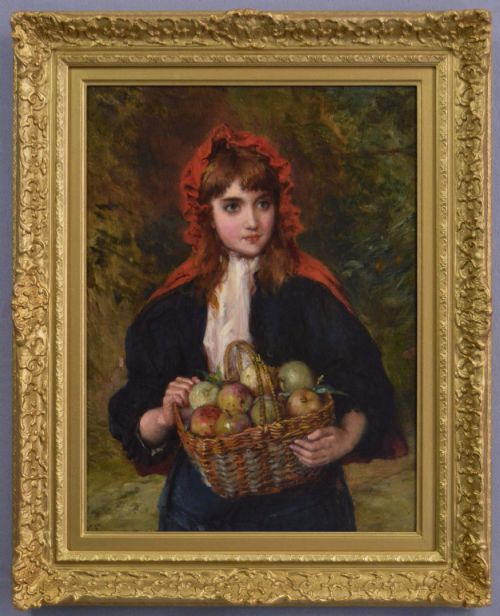
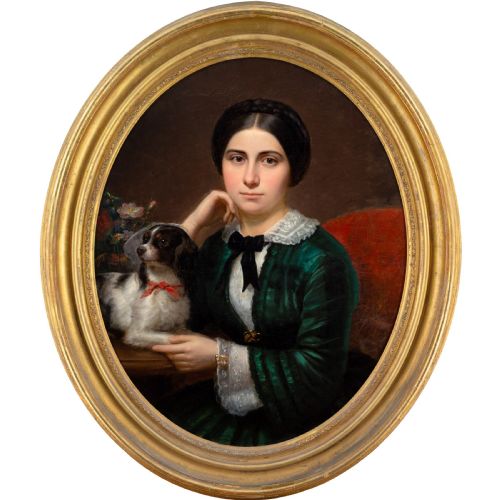
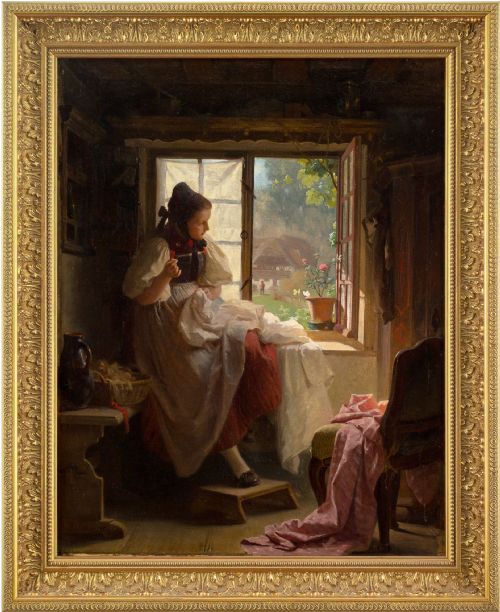
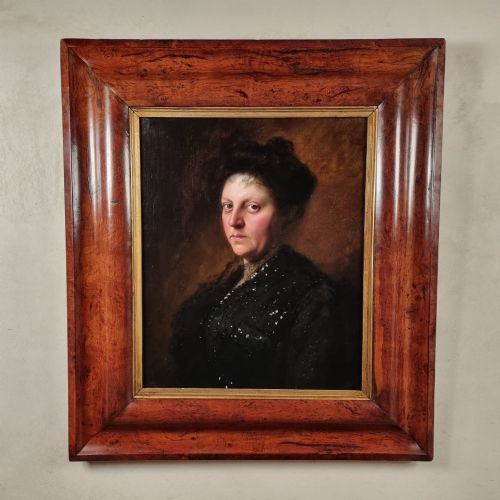
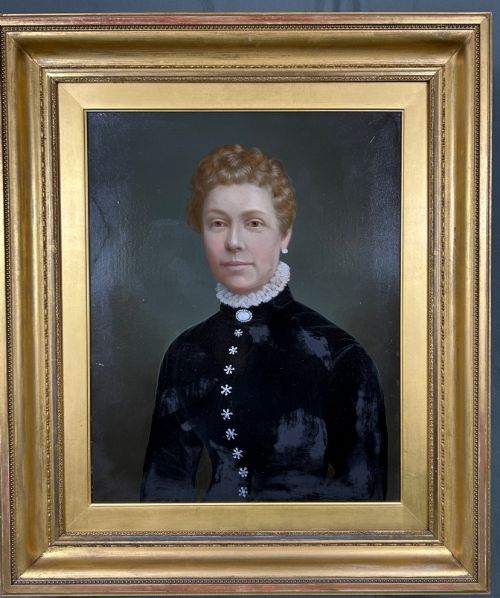
The version most commonly encountered on this page is the framed oil painting on canvas depicting a seated or half-length female subject in period attire.
Makers ranged from academic painters working in European capitals to provincial artists producing intimate studies of society ladies and country figures.
Materials and technique
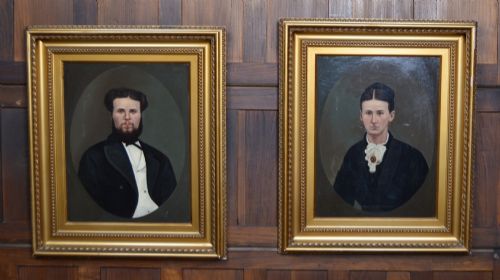
Works in this category rely primarily on oil paint applied to stretched canvas or wooden board, frequently housed within original gesso and giltwood frames.
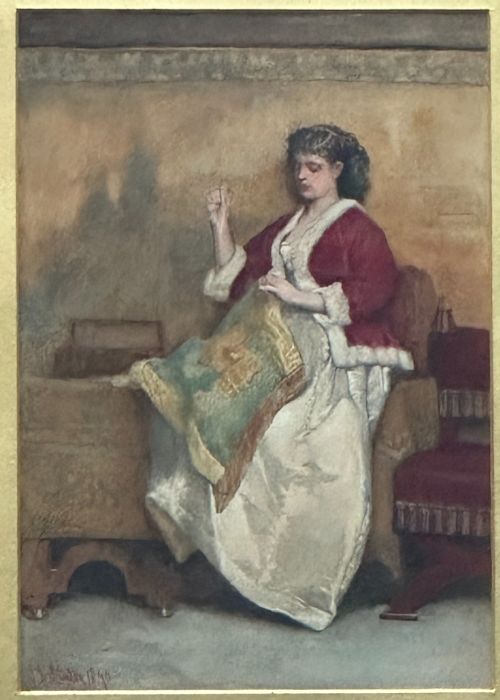
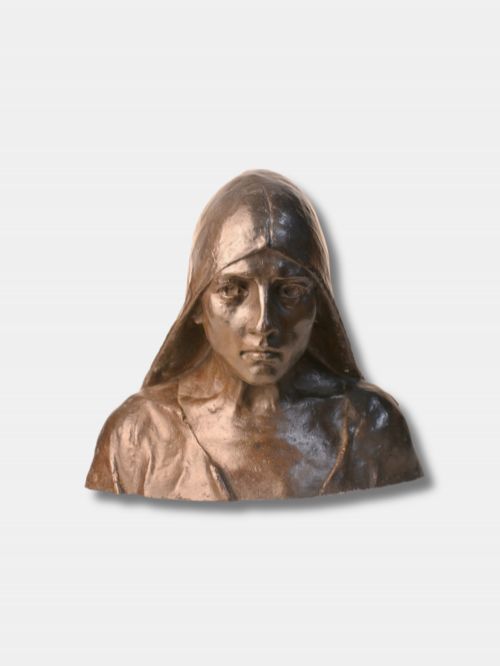
Watercolour variants utilise paper mounts protected beneath glass, sometimes set into maple frames, while sculptural pieces employ carved marble or cast bronze on stone bases.
Gold leaf and moulded gesso ornamentation provide decorative depth to the surrounds that house these painted and sculptural likenesses.
Periods represented cover the Victorian, Edwardian, and Regency eras.
Markers of distinction
Quality separates accomplished academic execution and precise facial modelling from stiff, formulaic workshop production.
The sophistication of the sitter's garment rendering and the handling of background light distinguish superior pieces from standard examples.
William Oliver·Sir James Dromgole Linton·Max Kaltenmoser·Louis Charles Verwee·Emile Jespers·William Arthur Breakspeare·Charles Haigh Wood·Haynes King·Thomas Edward Roberts·C.S. Lidderdale·William Henry Knight·Henry John Yeend King·John Robert Dicksee·Louis William Desanges·August Heinrich Riedell·William Joseph Carroll
The Victorian Portrait of Woman Glossary
- Canvas
- A heavy woven fabric stretched across a wooden frame to serve as a foundation for oil paintings. It provides the primary support surface for the majority of works in this category.
- Gesso
- A plaster-like mixture applied to wooden frames and moulded into decorative reliefs before gilding. This ground layer creates the ornate surface detail seen on period frames.
- Giltwood
- Timber coated with a thin layer of gold leaf or metallic powder. It forms the lustrous finish characteristic of traditional picture frames from the nineteenth century.
- Miniature
- A small-scale portrait designed for intimate display or personal wear. These works demand exceptional brushwork to achieve detail in a restricted format.
- Academic
- Art produced under the influence of European academies of fine art, adhering to rigorous standards of draughtsmanship and composition. Such works often display polished realism.
Victorian Portrait of Woman: Frequently Asked Questions
How do I date a portrait?
Dating relies on costume details, hairstyles, and framing techniques recorded in the piece. Inscriptions or signatures on the reverse often provide specific biographical dates for the sitter and artist.
stylistic movements such as academic realism or romanticism further narrow the decade of production.
Are these works signed?
Many portraits feature artist signatures or monograms on the front face, while others carry detailed inscriptions on the reverse canvas or stretcher bars. Unsigned pieces are frequently attributed to specific schools or circles based on technique.
documentation often accompanies works linked to known painters.
How should I display them?
Oil paintings and watercolours require placement away from direct sunlight and excessive humidity to protect the pigments and paper. Original giltwood frames benefit from stable indoor environments.
adequate wall space allows large canvas works and marble busts to sit securely without crowding.
What subjects are included?
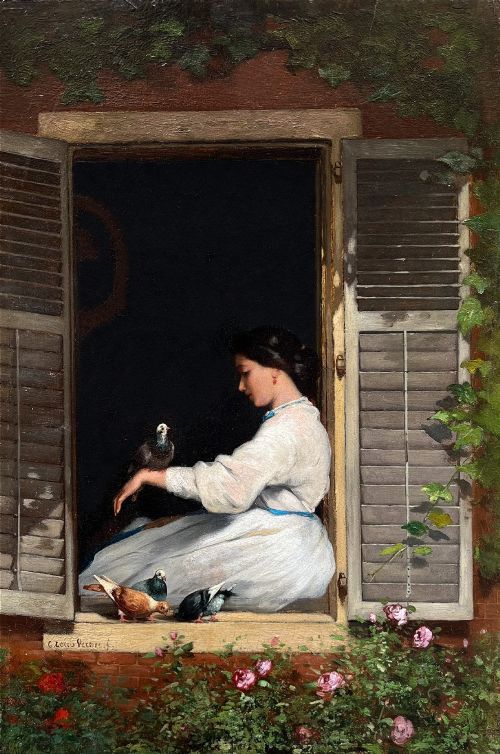
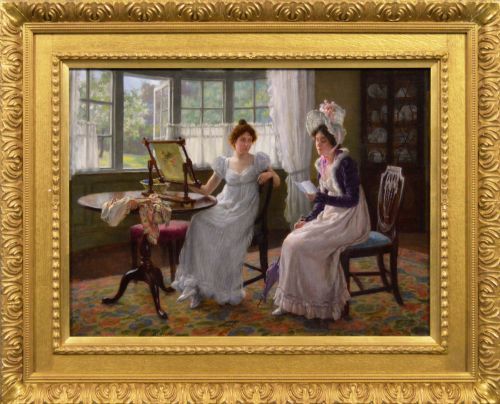
Subjects range from formal society ladies and literary figures to genre scenes of women in domestic or rural settings. Some pieces depict historical characters or allegorical representations.
personal items such as letters or books frequently appear within the compositions.