



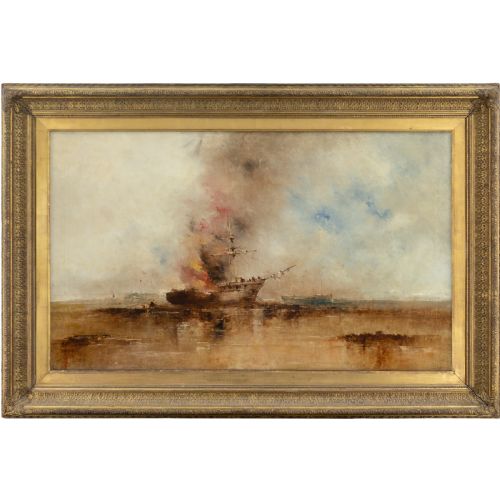
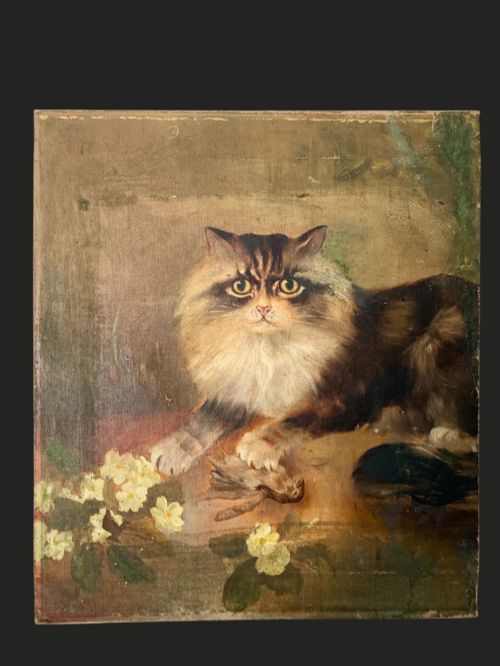
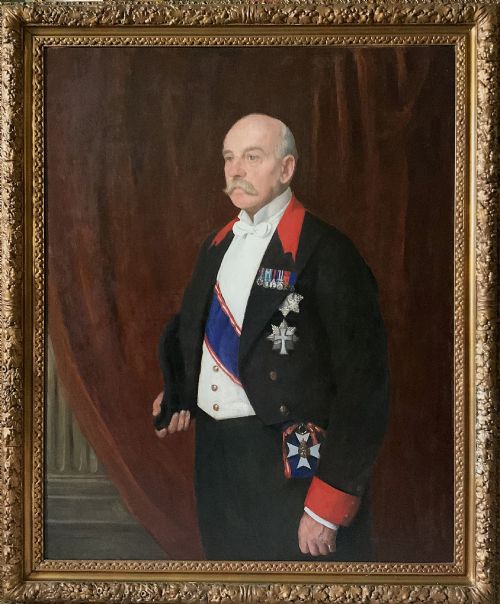
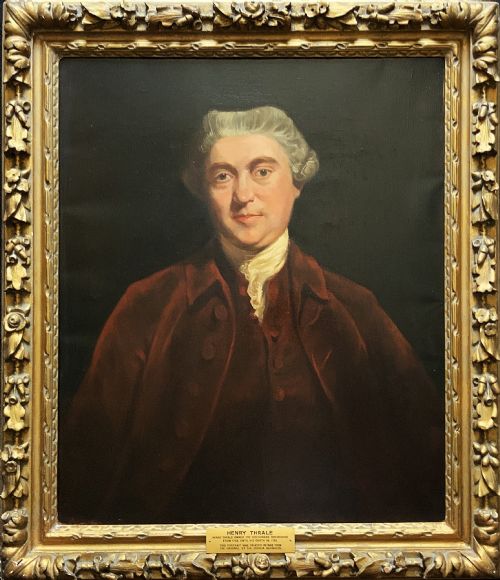

Victorian Oil Portrait Painting
These Victorian oil portrait paintings capture character and likeness across canvas and wood panel with lasting presence.
What They Are
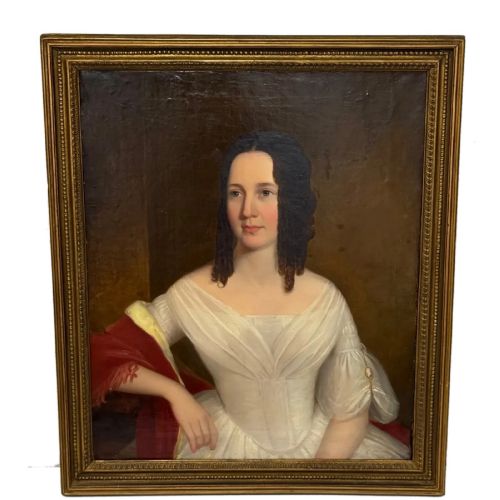
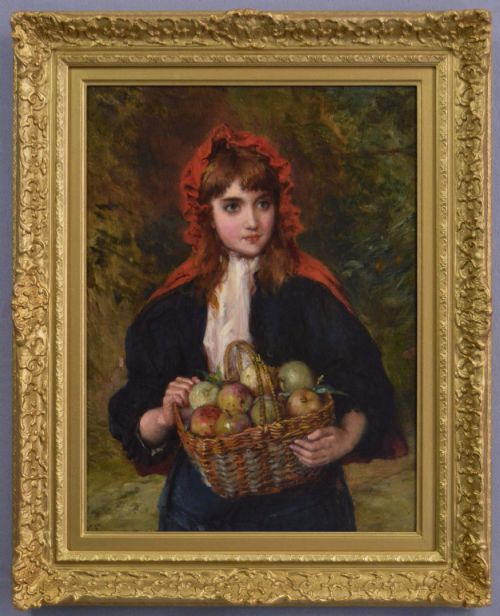
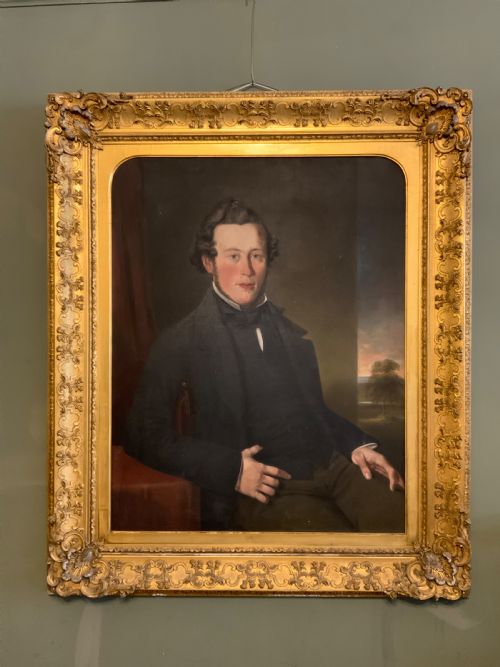
A victorian oil portrait painting captures individual sitters, family groups, and notable figures from the nineteenth century in oil paint. These works range from formal depictions of gentlemen and elegant ladies to informal genre scenes and folk art portrayals.
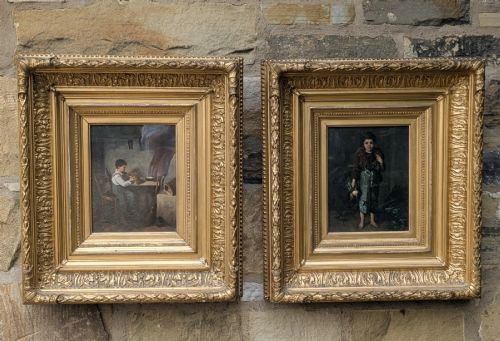
The pieces appearing here include depictions of young women, military personnel, children, and professionals such as clockmakers and cricketers. Works span the nineteenth century, including specific dates like eighteen seventy and eighteen fifty-six.
Most examples originate from British and Scottish schools, executed on canvas, wood panel, or board. They often arrive housed in decorative gilded wood frames and gesso mouldings.
How They Were Made
Artists applied oil paint using brushes and pigments onto stretched canvas, wood panels, or board supports. Canvases sometimes required relining or restoration over time to preserve the textile substrate.
Frames utilise wood construction finished with gesso and gilding to create ornate architectural and decorative borders. These gilded wood frames complement the depth and tone of the underlying oil paint.
Retail Price Guide 2026
Typical UK retail prices for victorian oil portrait painting, calculated from the Sellingantiques database of over a million retail prices indexed since 2003. This retail price guide relies exclusively on Sellingantiques data; no external sources or auction records are used, so the figures do not describe the wider market.
Listings feature works spanning the nineteenth century, utilising canvas, wood panel, and board supports housed in gilded wood and gesso frames.
What Varies in Quality
Depth of characterisation and anatomical precision separate standard studio outputs from masterworks. Skilled brushwork captures texture in lace caps, heavy wool garments, and distinct facial expressions.
Condition of the pigment and the original support dictate visual integrity. Intact, unrestored surfaces maintain the original tonal balance intended by the artist.
Henrietta Rae·C S Lidderdale·William Henry Knight·Richard Buckner·John Hunter Thompson·Bennett Hubbard·Walter Emsley·A M J Dodsley
The Victorian Oil Portrait Painting Glossary
- Canvas
- A woven fabric stretched across a wooden frame acting as a support for oil paint. It provides a flexible and durable ground for nineteenth-century portraiture.
- Gesso
- A plaster-like mixture applied to wood frames before gilding. It creates a smooth base for intricate moulded ornamentation.
- Giltwood
- Wood carved and coated with a thin layer of gold leaf or metallic paint. It frames many period paintings with reflective brilliance.
- Genre
- A category of painting depicting scenes from everyday life rather than grand historical subjects. These works show ordinary people engaged in domestic or leisure activities.
- Panel
- A flat piece of wood used as a rigid support for oil painting. Panels provide a stable surface distinct from woven textiles.
Frequently Asked Questions
How should I clean a victorian oil portrait painting?
Dust surfaces gently with a soft, dry brush to prevent particulate buildup. Avoid using water, solvents, or household cleaners on aged oil paint.
Consult a professional art conservator for deeper cleaning or varnish removal. Improper liquids can damage both the pigment layer and the canvas support.
Were these portraits painted from life?
Most formal commissions involved sitting sessions directly with the artist over several weeks. Some posthumous works relied on earlier sketches or photographs.
Photographic references became increasingly common toward the later nineteenth century. Painters utilised these aids alongside initial live observations to finalise likenesses.
How do I identify the sitter's social status?
Clothing, accessories, and settings offer clear indicators of nineteenth-century social standing. Elaborate lace caps, silk dresses, books, and walking canes denote wealth and leisure.
Military uniforms, sporting guns, or professional tools like horology instruments signal specific occupations. Inscribed text on the reverse often records names and dates directly.
What lighting suits these dark oil paintings?
Position paintings away from direct sunlight to prevent fading and pigment degradation. Controlled picture lights mounted above the frame highlight tonal contrasts effectively.
Ambient room lighting with warm colour temperatures enhances the deep varnishes typical of nineteenth-century palettes. Avoid harsh fluorescent bulbs that distort historic pigments.