

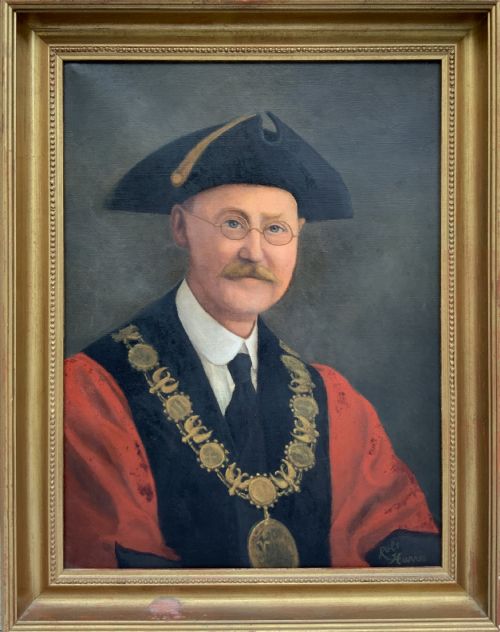
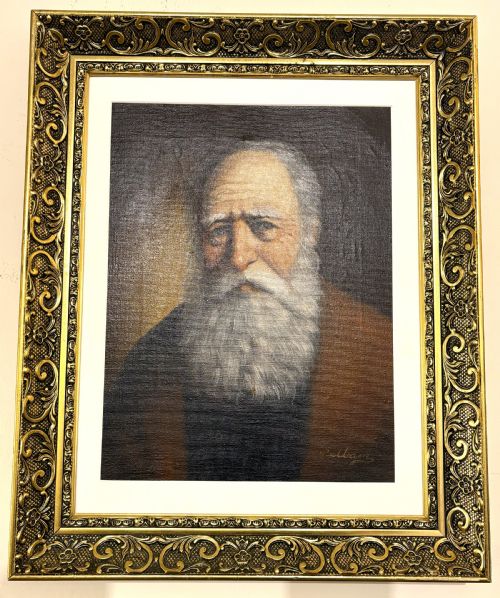
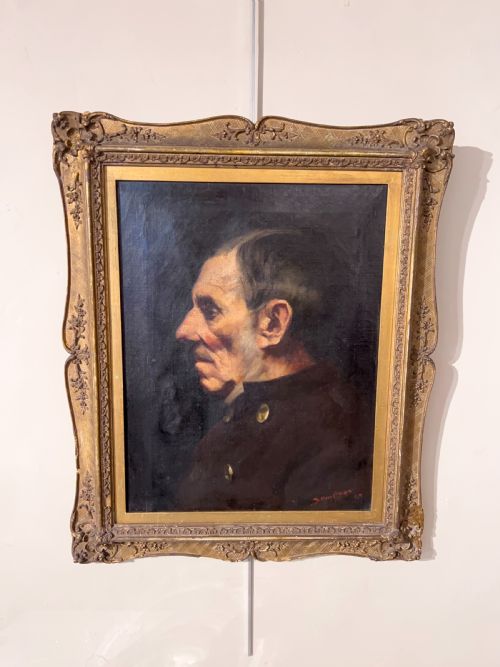
Vintage Male Portrait Painting
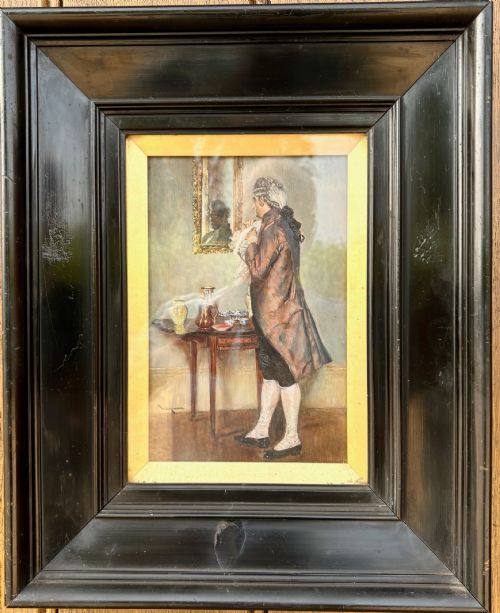
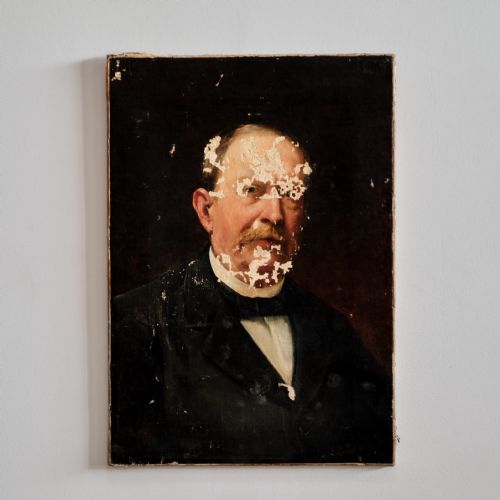
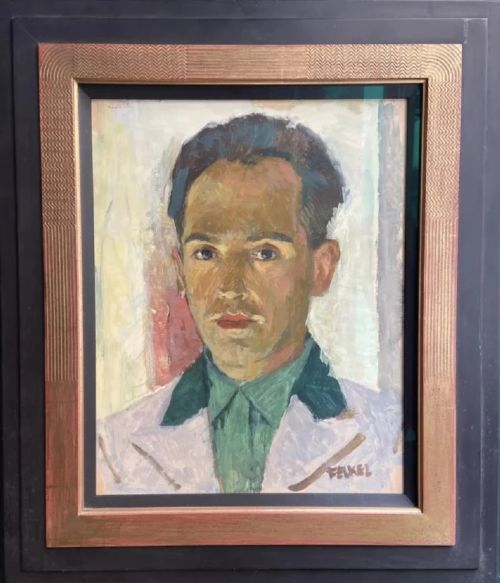
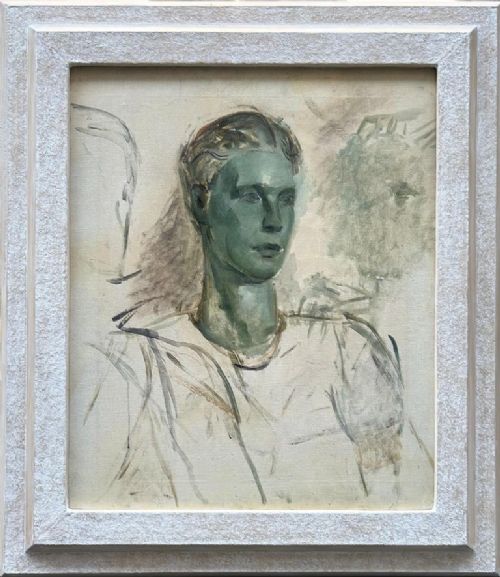
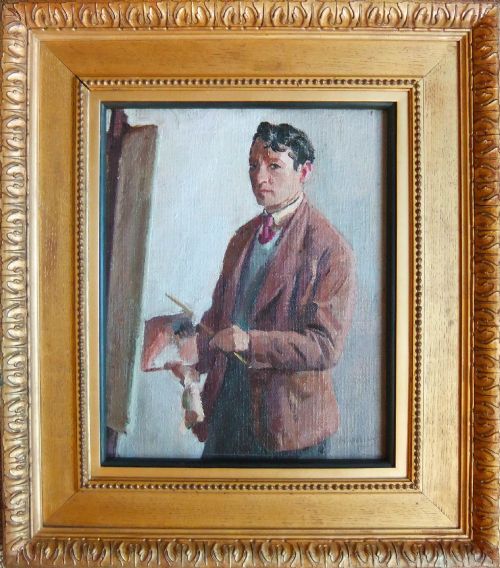
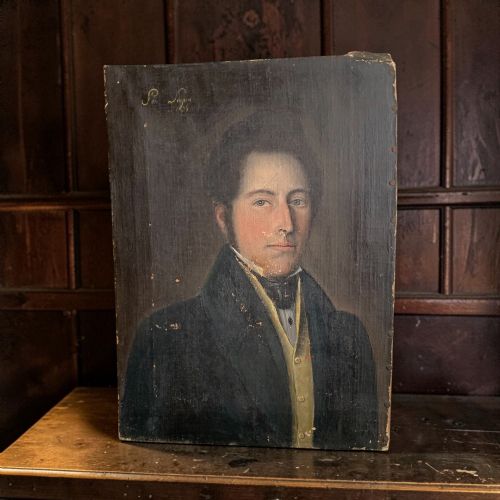
These vintage male portrait painting selections offer a direct window into past lives, capturing character through oils on canvas and wood.
Vintage Male Portrait Painting
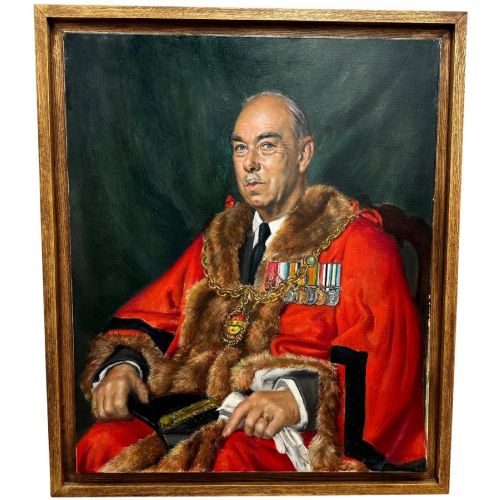
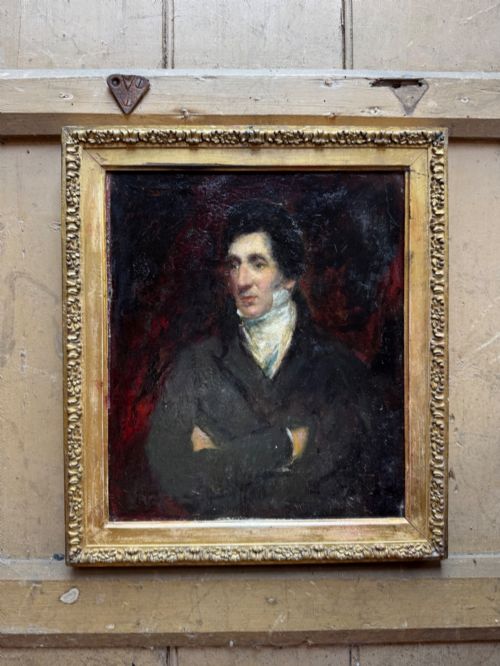
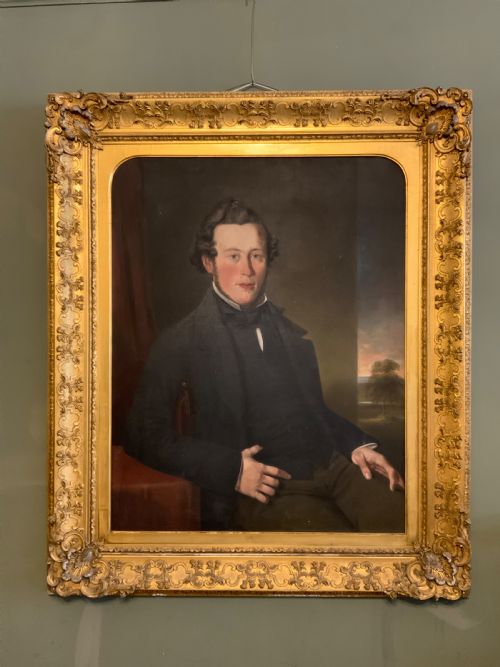
A vintage male portrait painting is a framed artwork depicting a man, often created in oil on canvas or wood panels across periods ranging from the seventeenth century through the mid-twentieth century. Buyers searching for a vintage male portrait painting encounter subjects from seated gentlemen and mayors to self-portraits by notable artists.
The selection on this page spans Academic Realism, Victorian, Edwardian, and Mid-Century Modern styles, including works by named painters and continental schools. Pieces frequently arrive in period frames, encompassing formats from intimate head studies to large canvases.
Most items originate from British, French, and Belgian hands, reflecting shifts from formal portraiture to looser twentieth-century brushwork. These works serve as focal points for study or interior display, offering historic presence to modern rooms.
How They Were Made
Makers applied oil paint to stretched canvas, wood panels, or boards, using brushes or palette knives to build texture and tone. Grounds were prepared with gesso or priming layers before artists laid down dark underpaintings and built up highlights.
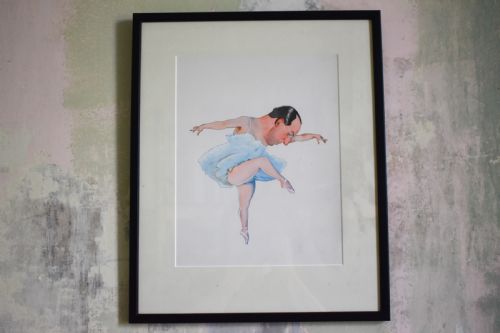
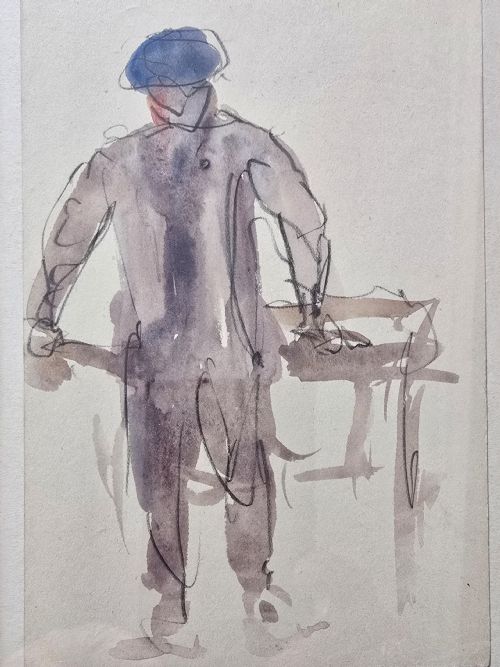
Frames made of giltwood or carved wood accompanied these canvases, sometimes bearing makers' marks or exhibition labels from institutions like the Royal Academy. En grisaille techniques utilised monochrome palettes of greys, while watercolours appeared on paper supports.
Listings feature works spanning the 17th, 18th, 19th, and 20th centuries, executed in oil on canvas, board, and panel.
What Varies in Quality
The strength of the subject's expression and the confidence of the brushwork distinguish finer examples from standard decorative works. Master painters captured light across facial planes with precision, whereas weaker pieces rely on flat tones and stiff proportions.
Provenance and documentation alter the standing of a painting, particularly when sitters are identified by name, title, or institutional exhibition history. The integrity of the original support, stability of the paint layer, and authenticity of the period frame contribute to the overall execution.
Bernard Hailstone·Robert Heinrich·Carl Felkel·Philip Naviasky·Edouard Julien·Alexandre Louis Martin·Jules Rambo·Baruch Shalom Oskotsky·Ronald Ossory Dunlop·Roberto Venturi
The Vintage Male Portrait Painting Glossary
- Oil on Canvas
- Pigments bound in a drying oil applied to a woven fabric support stretched over a wooden frame. This medium allowed artists to blend tones smoothly and rework areas over extended periods.
- En Grisaille
- A painting executed entirely in shades of grey or neutral monochrome. This technique often served as an underpainting or stood alone for a sculptural effect.
- Giltwood
- Wood carved and coated with a thin layer of gold leaf or metallic powder. It provided ornate framing for portraits during the eighteenth and nineteenth centuries.
- Academic Realism
- A style of painting produced under the influence of European academies of art. It emphasises precise drawing, smooth finishes, and traditional subjects.
- Board
- A rigid flat substrate used instead of canvas, often made from wood or compressed pulp. Artists utilised boards for smaller studies and rapid plein air compositions.
Vintage Male Portrait Painting: Frequently Asked Questions
How do I identify the age of an oil portrait?
Examine the stretcher bars, canvas weave, and tack holes on the reverse of the painting, as these materials changed significantly from the seventeenth century to the mid-twentieth century. Handwritten inscriptions, artist signatures, and exhibition labels on the frame or wood backing also help anchor the piece to a specific decade.
Compare the sitter's attire, collar style, and facial hair against known historical periods. Portrait sitters typically wore the height of contemporary fashion, providing a reliable baseline for dating when documentation is absent.
Where should I hang a large portrait?
Large portrait paintings demand wall space with adequate distance for viewing, such as above a fireplace mantel or anchor wall in a dining room. Ensure the hanging height places the subject's eyes roughly at average eye level for maximum visual impact.
Keep the canvas away from direct sunlight and heat sources to protect the oil paint and wood frame from warping or fading. Picture lights mounted above can highlight the brushwork without generating excessive heat.
What is the difference between a study and a finished portrait?
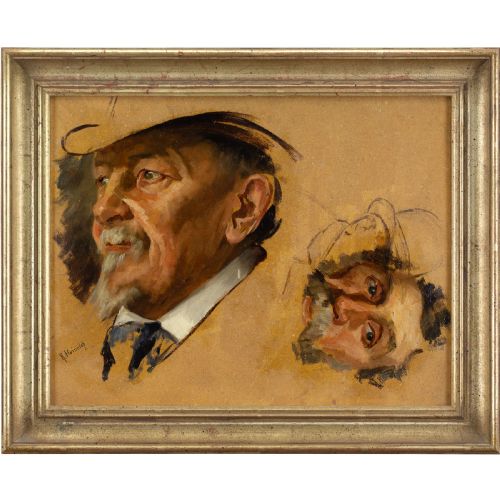
Portrait studies are typically quicker works created to capture a sitter's likeness, lighting, or pose before embarking on a larger, more formal commission. They display looser brushwork, visible underdrawing, and a focus on facial expression rather than meticulous detail.
Finished portraits present the subject in full attire with complete background context, reflecting the polished standards required by patrons or exhibitions. Both forms hold artistic value, with studies often prized for their spontaneous energy.
How should I clean a vintage canvas painting?
Dust accumulation on the surface of an oil painting should be removed gently using a very soft, dry brush, sweeping across the canvas without applying pressure. Avoid using water, household cleaners, or damp cloths, as moisture can penetrate cracks in the paint layer and cause permanent damage.
Professional conservation is recommended for deeper cleaning, removal of discoloured varnish, or structural repairs to the canvas. Specialists use solvent tests and specialised tools to preserve the original pigment beneath.