


Modern British Art Portrait
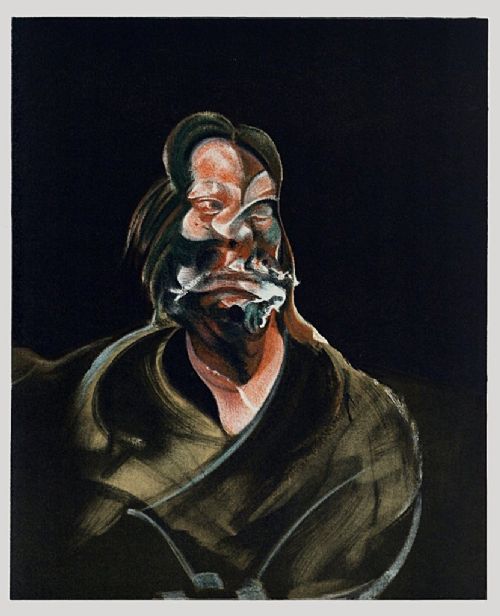
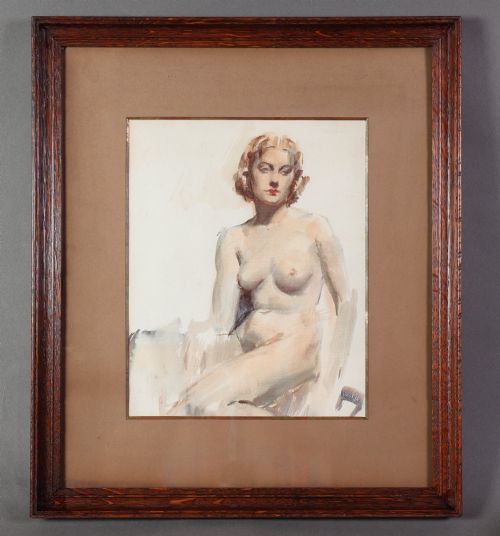
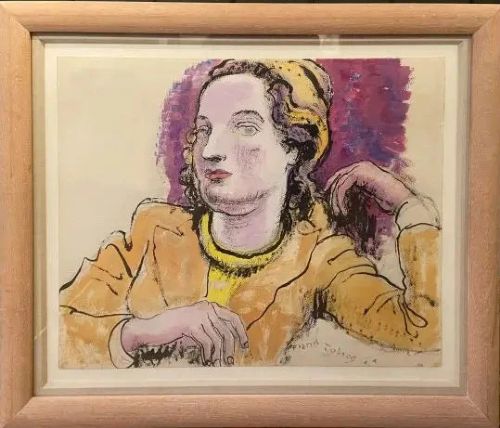
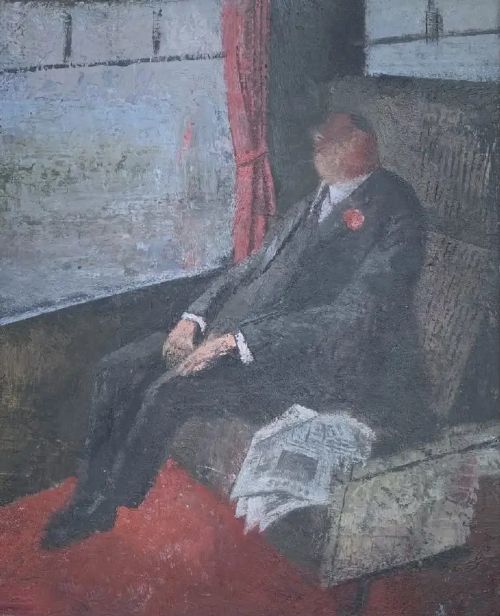
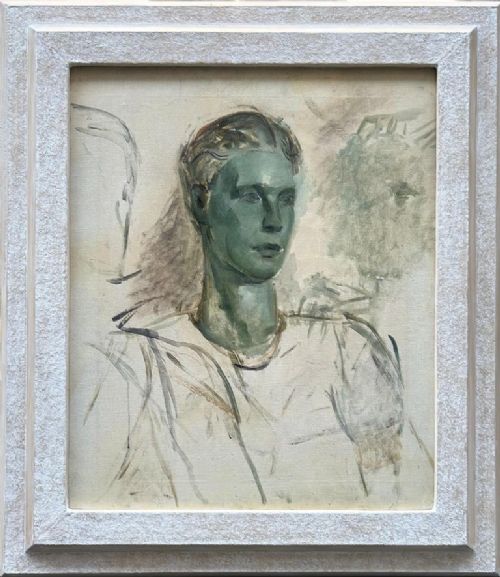
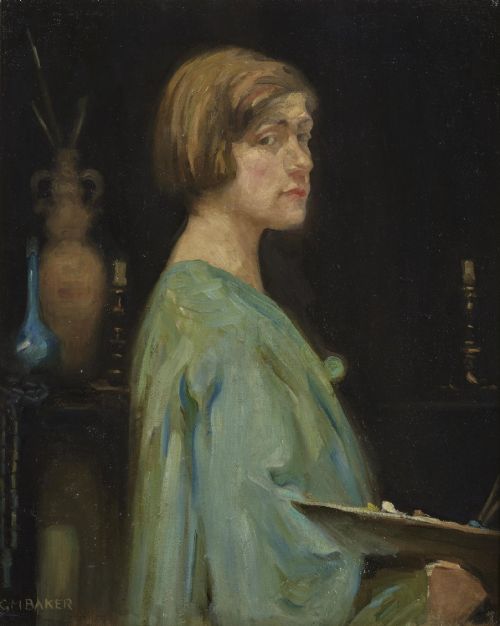
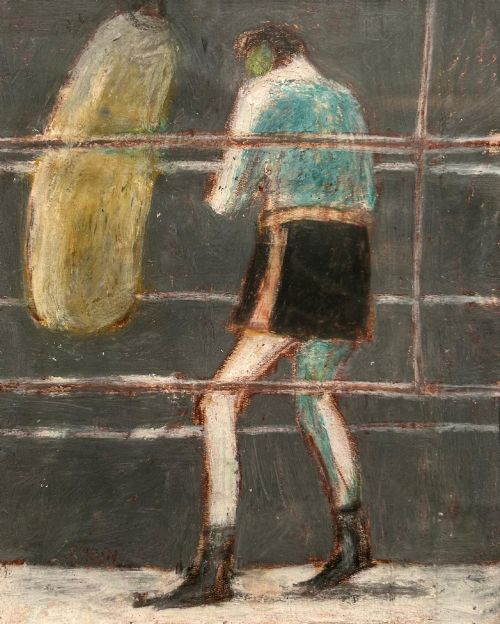
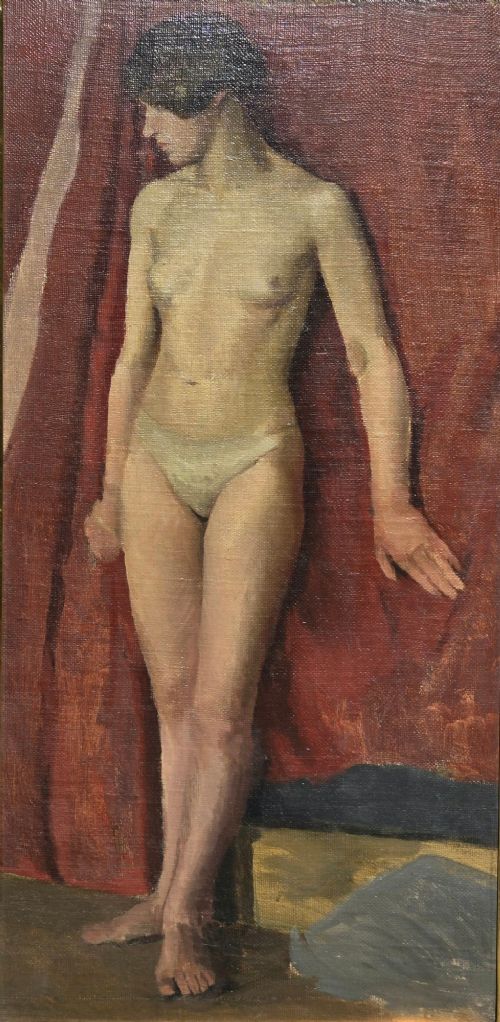
These modern british art portrait pieces capture the shifting human face of the twentieth century through diverse hands and mediums.
Modern British Art Portrait
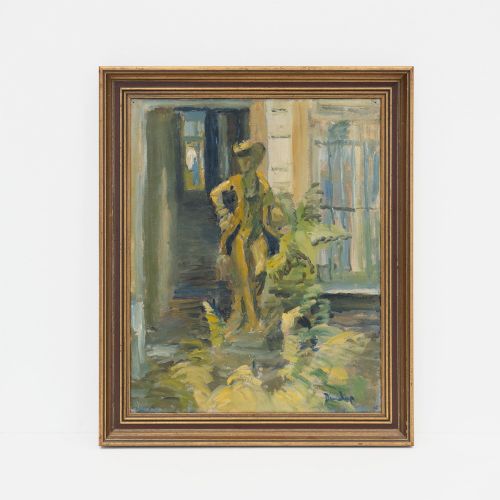
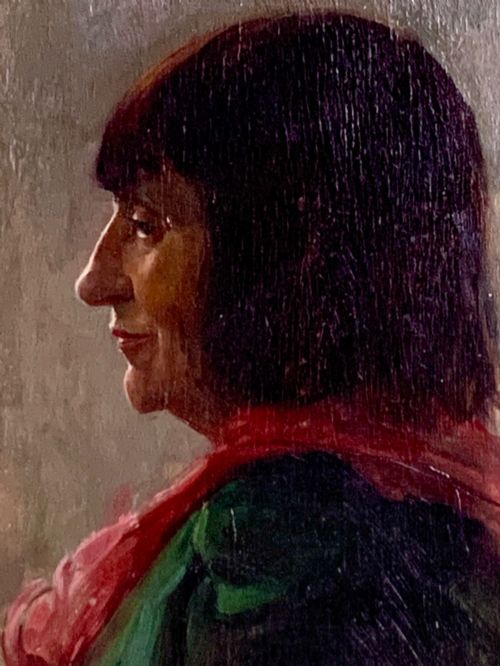
A modern british art portrait brings together varied interpretations of the human figure spanning from the nineteenth century through to the nineteen-sixties. Buyers exploring this selection encounter works created across several distinct decades of British artistic output.
The objects take multiple forms, ranging from oil paintings on canvas to works on paper and lithographic prints. Paintings in oil and intimate studies form the core of what collectors meet when browsing these listings.
Makers represented include named artists working within traditional portraiture alongside anonymous British School contributors. Pieces frequently reflect broader movements such as the Bloomsbury Group and mid-century modernism.
Materials and Technique
Artists deployed oil paint upon canvas and wooden supports to build rich surface textures and tonal depth. Many works utilise watercolour, gouache and ink applied directly to paper substrates for immediate visual impact.
Techniques span from fluid ink and pencil sketches to densely layered oil compositions. Lithography provides a method for printed portraiture editions, allowing artists to replicate linear draftsmanship across paper sheets.
Artists occasionally captured not just human companions, but also household pets sharing the artist's studio space.
Distinctions in Quality
Quality rests upon the sureness of the draftsmanship and the psychological depth achieved in capturing the sitter. Masterly handling of paint or ink elevates a composition beyond mere representation.
The integrity of the underlying material support, whether canvas, paper or wood panel, influences the longevity and physical preservation of each artwork. Superior execution demonstrates confident brushwork and balanced tonal control.
Frank Dobson·Gladys Marguerite Baker·Samuel Rabin·Ronald Ossory Dunlop·Tony Giles·Septimus Scott·Philippa Maynard Romer·Philip Naviasky·Arthur Todd·Lucien Freud·Raymond Arthur Roadnight·Laura Knight·Muriel Metcalfe·Bernard Meninsky
The Modern British Art Portrait Glossary
- Bloomsbury Group
- An association of English writers, intellectuals and painters associated with early twentieth-century modernism. Their portraiture often explores flattened perspective and expressive colour harmonies.
- Lithograph
- A printmaking method based on the repulsion of oil and water on a limestone or metal plate. Artists use this technique to produce multiple impressions of a drawn portrait.
- Gouache
- An opaque water-based paint that dries to a matte finish. It provides heavier coverage than standard watercolour and allows for luminous highlights on paper.
- Mid-Century Modernism
- A design and art movement spanning the middle decades of the twentieth century. Works from this era often embrace simplified forms and modernist sensibilities.
- Oil on Canvas
- A traditional painting medium utilising pigments suspended in drying oils applied to stretched textile. This combination permits subtle blending and rich textural variations.
Modern British Art Portrait: Frequently Asked Questions
What defines a modern british art portrait?
These works encompass painted, drawn and printed depictions of people created in Britain across the twentieth century. They reflect shifting stylistic movements from early modernism onward.
The category embraces diverse mediums including oil paint, watercolour, ink and lithography on various supports.
How were these portraits used?
Most pieces served as framed artworks intended for domestic display on interior walls. Some began as intimate preparatory studies or artist self-portraits kept within private collections.
Artists also created finished exhibition pieces designed to showcase their command of portraiture and psychological observation.
How do I live with works on paper?
Works executed on paper require careful placement away from direct sunlight to prevent fading of inks and watercolours. Framing behind protective glazing safeguards delicate surfaces from environmental moisture.
Proper mounting ensures the paper remains stable and visually prominent within a room setting.
How can I tell periods apart?
Stylistic cues such as modernist abstraction or traditional academic realism help anchor a piece within a specific decade. Materials and framing styles also provide clues regarding the era of production.
Signatures, dates and recorded artist lifespans offer definitive chronological markers for dated works.