
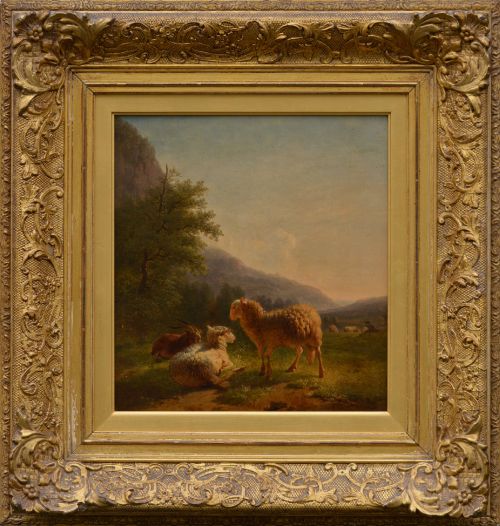

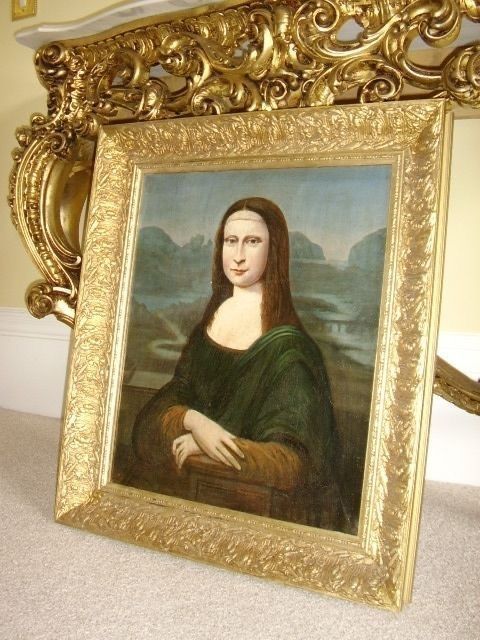





Framed Canvas Portrait Painting
A framed canvas portrait painting brings historical presence to a room, capturing sitters from past centuries in oil.
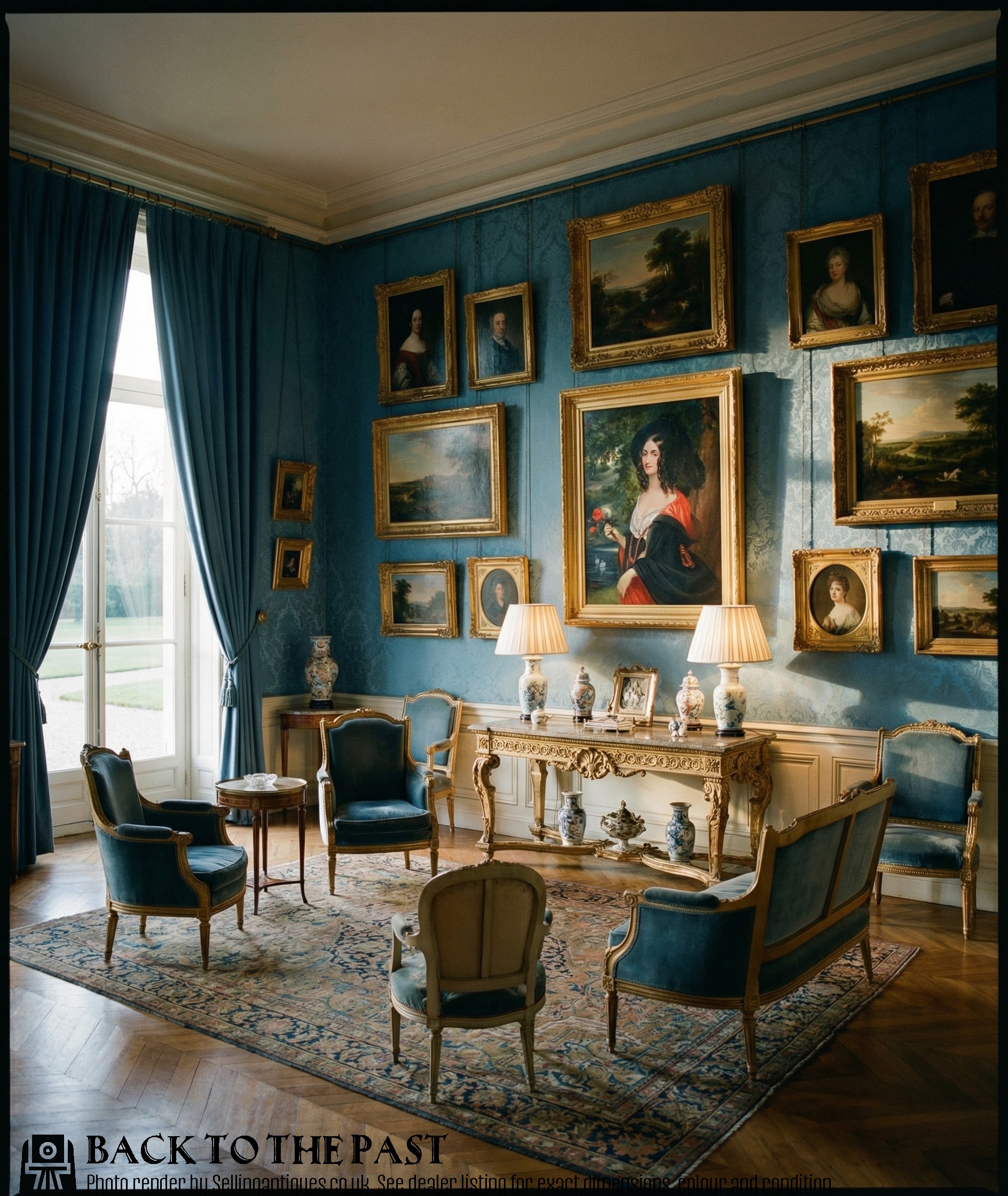
Understanding framed canvas portrait painting
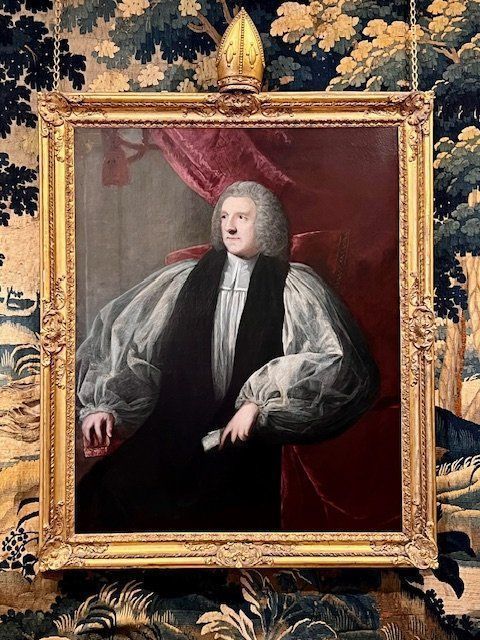
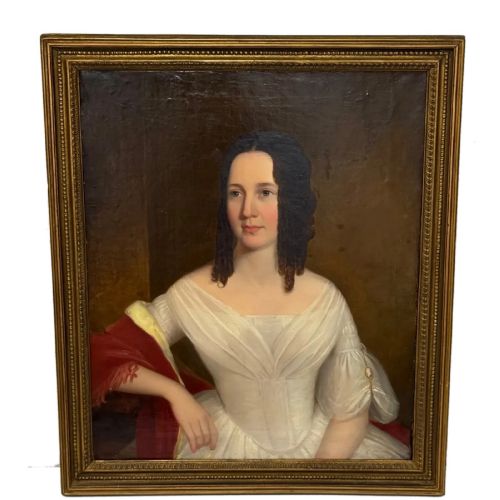
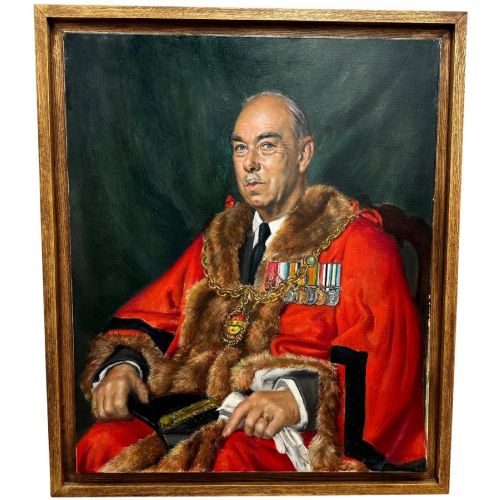
A framed canvas portrait painting presents a likeness of an individual, ranging from Victorian gentlemen and clergymen to mid-century subjects, captured in oil. These works document human faces across the eighteenth, nineteenth, and twentieth centuries, reflecting the shifting aesthetics of portraiture over time.
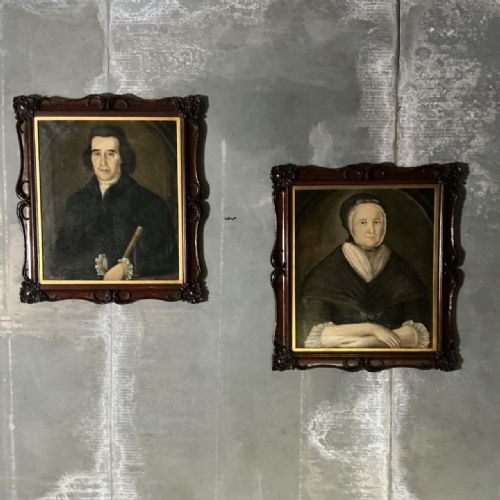
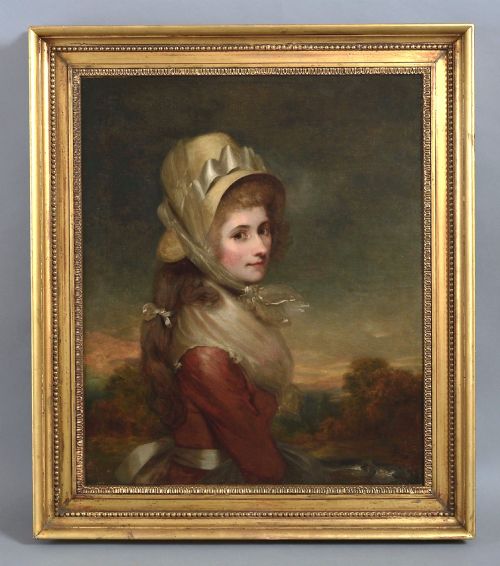
Most examples encountered on this page date from the nineteenth century or the mid-twentieth century, executed by English and European schools. Subjects include seated gentlemen, clerics, and ladies wearing lace bonnets or blue necklaces, housed within period wooden and giltwood frames.
The format combines figurative painting with protective framing, making each piece a self-contained historical document. Whether signed by named artists or attributed to broader European schools, these works offer direct visual connections to earlier eras.
Distinctions in quality
Quality rests upon the skill of the brushwork and the psychological depth achieved in the sitter's expression. Masterful handling of light, shadow, and textile details such as lace bonnets or white ruffs separates accomplished academic works from simpler decorative pieces.
The integrity and craftsmanship of the frame also contribute significantly to the overall standard of the piece. Period frames finished in original giltwood enhance the presentation and historical coherence of the canvas they enclose.
Retail Price Guide 2026
Typical UK retail prices for framed canvas portrait painting, calculated from the Sellingantiques database of over a million retail prices indexed since 2003. This retail price guide relies exclusively on Sellingantiques data; no external sources or auction records are used, so the figures do not describe the wider market.
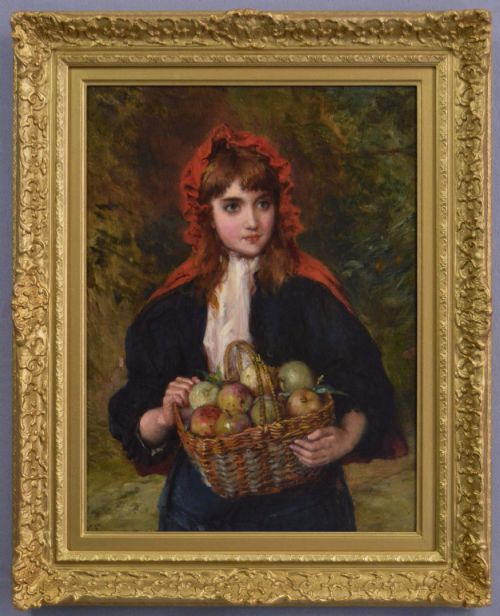
One young lady is captured mid-action, playfully caught in the act of playing with her hair.
Kenneth Cozens·Louis William Desanges·Arthur Spooner·M R Craig·Vincent Galloway·Moses Vanderbank
The Framed Canvas Portrait Painting Glossary
- Oil on Canvas
- A traditional painting technique utilising pigment suspended in drying oils applied to a woven fabric support. This combination provides durability and allows for subtle blending of colours.
- Giltwood
- Wood that has been coated with a thin layer of gold leaf or gilt powder. This finish appears frequently on nineteenth-century frames designed to catch and reflect light.
- European School
- A term used to describe artwork produced by continental European artists whose specific individual identities remain unrecorded or general. These pieces reflect regional academic traditions of the period.
- White Ruff
- A pleated starched collar worn during the sixteenth and seventeenth centuries, occasionally appearing as a marker of historical costume in portraiture. It demands precise rendering of folded fabric and crisp edges.
Frequently Asked Questions
What is a framed canvas portrait painting?
A framed canvas portrait painting is an artwork depicting a person, executed in oil on fabric and housed in a wooden or gilt frame. These works preserve the likenesses of historical figures from various centuries.
They serve as both historical records and decorative focal points for interior spaces, connecting modern viewers with past eras.
How do I date an antique portrait?
Dating relies on clues such as the sitter's costume, including lace bonnets, blue necklaces, or white ruffs, alongside the style of painting. Eighteenth-century, nineteenth-century, and twentieth-century works each display distinct technical approaches.
Frame construction and canvas preparation also offer reliable evidence for establishing the period of creation.
How were these portraits displayed historically?
Portraits were traditionally hung in domestic reception rooms, galleries, and public halls to display lineage, status, or artistic appreciation. The heavy giltwood and wood frames were chosen to project authority and presence.
Today, they function similarly in residential settings, anchoring room schemes with a sense of history.
What subjects appear in these paintings?
Subjects include Victorian gentlemen, seated gentlemen with distant landscapes, clergymen, and ladies wearing ribbon-tied bonnets. Mid-century examples also feature specific modern sitters captured by named artists.
These diverse individuals range from family group subjects to single posed figures.