





20th Century Portraiture
These 20th century portraiture pieces capture historic figures and everyday sitters alike, offering buyers enduring likenesses rendered across distinct decades of the past century.
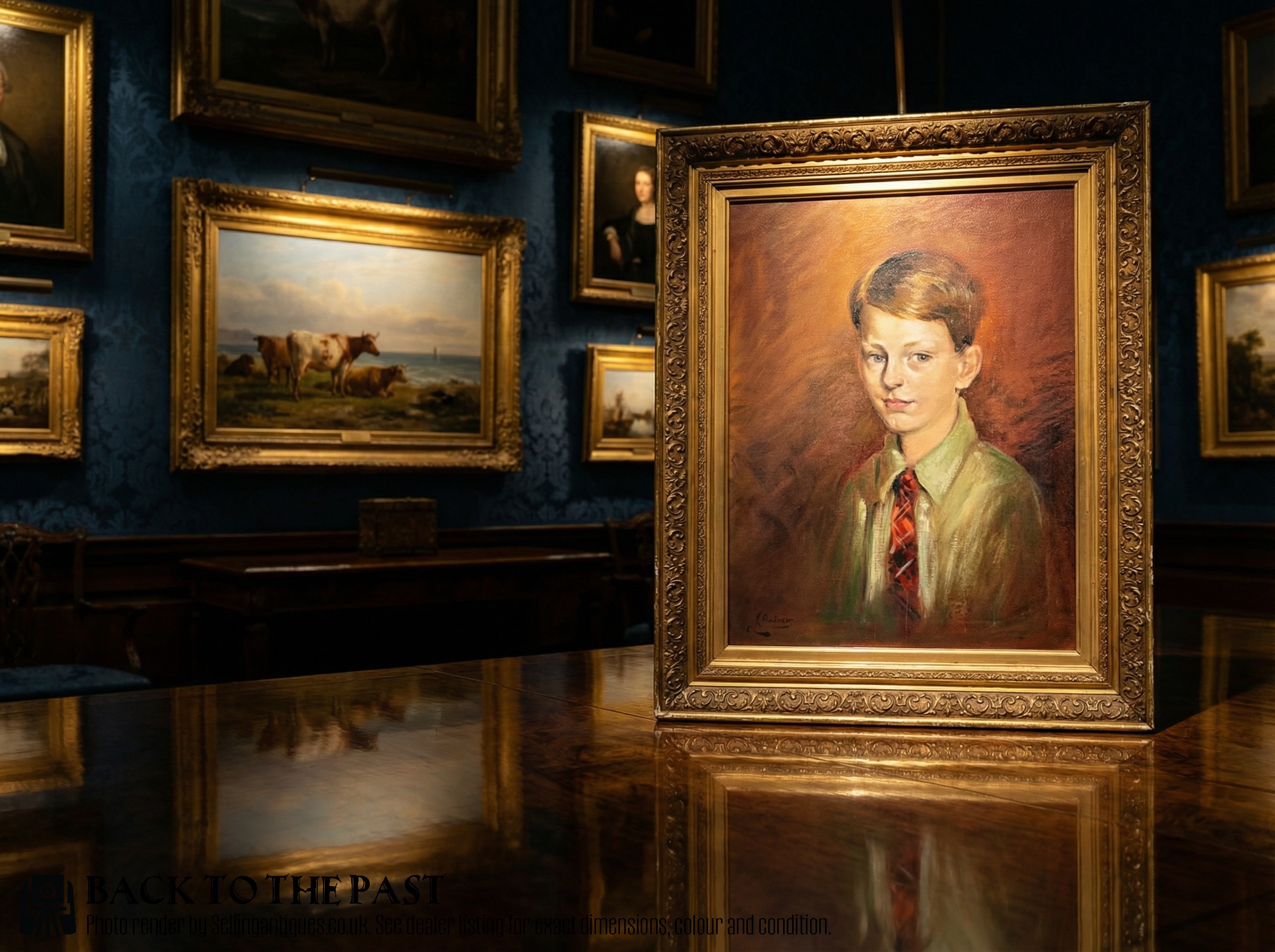
What These Pieces Are
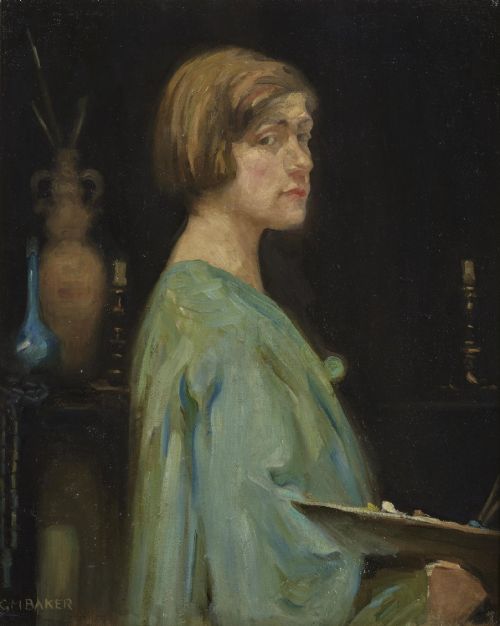
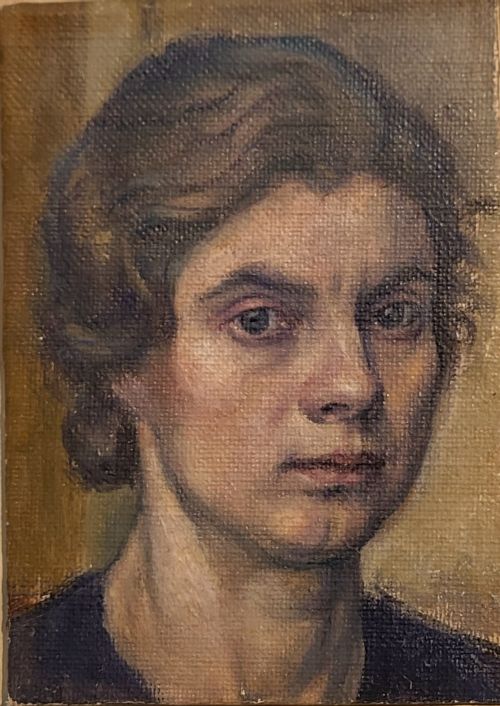
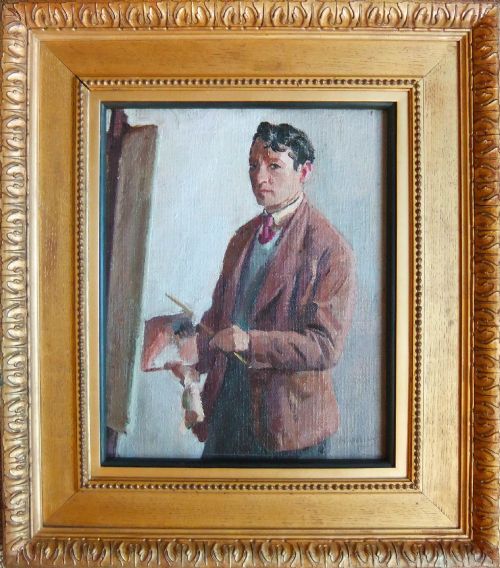
When you search for 20th century portraiture, you encounter a diverse range of painted likenesses spanning Edwardian, interwar realism, and mid-century British and continental movements. These artworks capture specific individuals, from royalty and famous inventors to anonymous children and gentlemen.
The selections available here include mid-century oil paintings on canvas alongside earlier works from the nineteen-twenties and thirties. Artists approach their subjects through various lenses, balancing formal attire and military uniforms with casual domestic settings and pipes.
How They Were Made
Artists utilise oil paint and oil pigments applied to canvas stretched over wood supports to build depth and luminosity. Brushwork varies from meticulous academic realism to looser mid-century applications.
Many of these paintings retain their original frames, which frequently incorporate gilt wood and gold leaf detailing to complement the visual weight of the central portrait.
Retail Price Guide 2026
Typical UK retail prices for 20th century portraiture, calculated from the Sellingantiques database of over a million retail prices indexed since 2003. This retail price guide relies exclusively on Sellingantiques data; no external sources or auction records are used, so the figures do not describe the wider market.
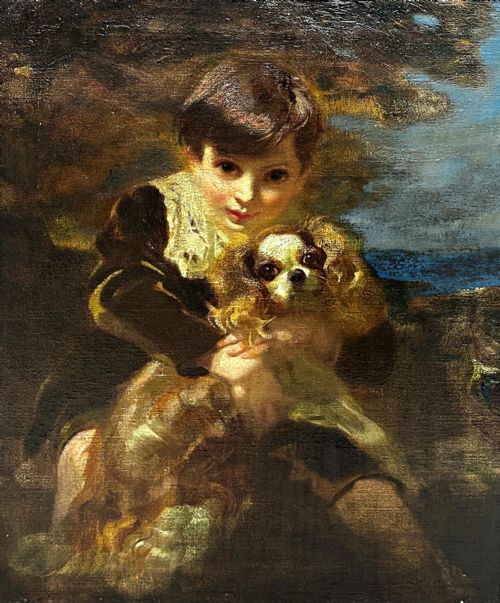
One gentleman sitter proudly poses alongside his pipe while another holds his Cavalier King Charles Spaniel.
What Varies in Quality
The handling of surrounding textiles, uniform regalia, and background atmosphere distinguishes accomplished academic portraitists from more routine commercial practitioners.
Jean Denis Maillart·Frank Owen Salisbury·Eugen Rosenfeld·John Laviers Wheatley·Erwin Eichinger·George R Havelka
The 20th Century Portraiture Glossary
- Oil on Canvas
- A traditional painting medium where oil pigments are suspended in drying oils and applied to a woven fabric support. This combination allows for rich blending and enduring surface stability.
- Gilt Wood
- Carved wooden framing or decorative elements coated with a thin layer of gold leaf or metallic powder. It provides a reflective border that isolates and elevates the painted surface.
- Interwar Realism
- An artistic movement flourishing between the First and Second World Wars characterised by sober observation and representational accuracy. Painters often portrayed human subjects with direct psychological intensity.
- Mid-Century Modern
- A stylistic descriptor covering design and fine art developments from the middle decades of the twentieth century. In painting, it often manifests through simplified forms or a modern tonal palette.
Frequently Asked Questions
What periods do these paintings cover?
The works span from the Edwardian era and the interwar period through to the nineteen-fifties and sixties. This broad timeline reflects evolving approaches to figurative art across the decades.
Each piece bears the distinct stylistic markers of its specific decade, shifting from formal early twentieth-century academic traditions towards freer mid-century expressions.
How should I hang portrait paintings?
Portraiture works best at eye level in spaces where people gather, such as a dining room or study. Consider the sightlines from seating areas so the painted subject engages naturally with the room.
Ensure the wall receives indirect natural light rather than harsh direct sunlight to protect the oil pigments and reduce glare on the canvas surface.
Are these portraits of historical figures?
The selection includes a mix of prominent individuals, such as royalty, inventors, and sports champions, alongside anonymous sitters. Each portrait records a specific identity from the past.
Inscribed names or reverse titles often preserve the biography of the sitter, connecting the viewer directly to real historical personages.