




Italian Mid Century Art
Italian mid century art brings decorative glass, oil paintings and sculptural objects into a room, carrying the distinctive palette of mid twentieth-century studios.
Italian Mid Century Art
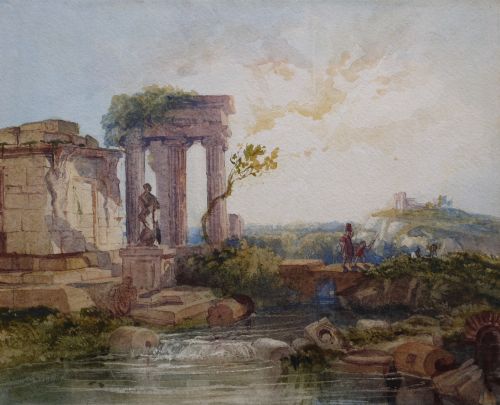
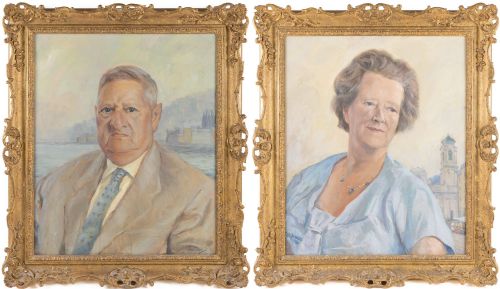
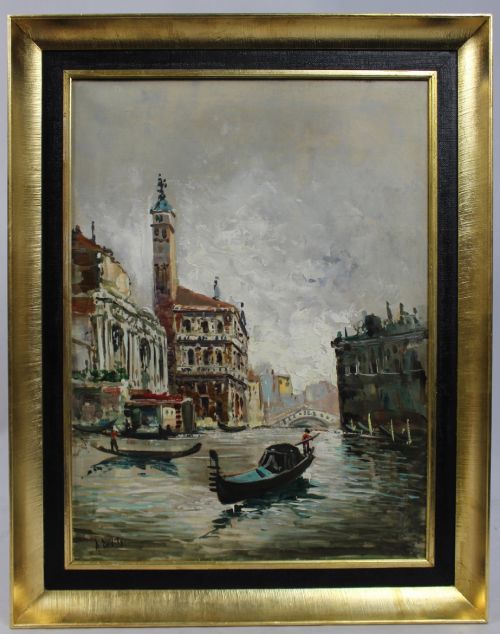
Italian mid century art encompasses oil paintings on canvas and board, framed portraits, and decorative glassware originating from twentieth-century studios and makers.
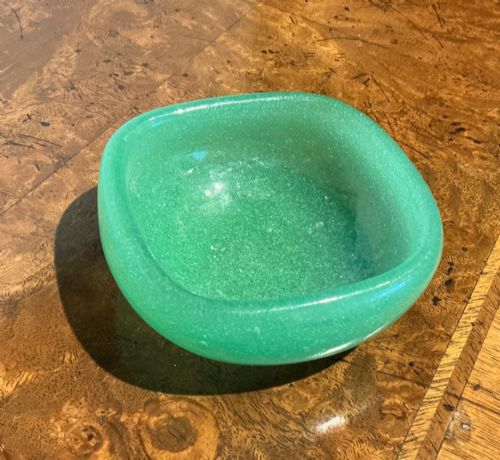
Vases, bowls and wall mirrors in Murano glass form a prominent part of the available selection, alongside framed posters and mixed media works.
While the majority of pieces date from the nineteen-fifties and sixties, the broader selection includes earlier watercolours and nineteenth-century objects.
Materials and Techniques
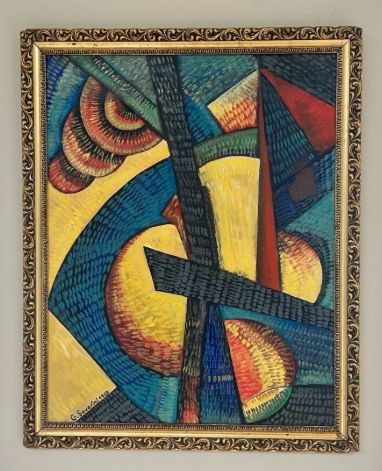
Painters utilised oil paint and watercolour on canvas, wood panels and paper supports, occasionally incorporating gilt frames or mixed media elements.
Glassmakers shaped Murano glass into handkerchief vases and figurative sculptures using specialised techniques like a ritorti and iridescence.
Silversmiths and artisans combined silver plating, enamel, black lacquer, alabaster and sea shells to create decorative boxes, lamps and sculptures.
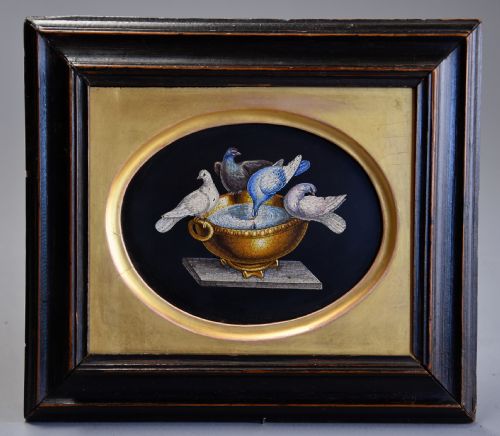
The inventory includes nineteenth-century micromosaic plaques and Sicilian marionettes alongside twentieth-century canvases.
Assessing Quality
Quality rests upon the strength of attribution to documented makers and studios, as well as the clarity of signatures on paintings and glassware.
The sophistication of the medium execution defines the upper tier, distinguishing master-led glassblowing and confident brushwork from standard decorative output.
Original frames, whether swept gilt wood or period surrounds, preserve the integrity of paintings and plaques.
Fulvio Bianconi·Napoleone Martinuzzi·Antonio DeVity·Attilio Toro·Gino Severini·Pompeo Batoni·Emanuele Cappello·Bertoldo Taubert·Gabriella Binazzi
The Italian Mid Century Art Glossary
- Murano glass
- Glass produced on the island of Murano near Venice, known for innovative colouring and forming techniques. This material defines many mid-century bowls and vases.
- Oil painting
- Pigment suspended in drying oil applied to canvas, board or wood panel. These works capture textures and brushwork across landscapes and portraits.
- Gilt frame
- A wooden or composition picture frame coated with gold leaf or metallic paint. Such frames add decorative weight to mid-century and nineteenth-century canvases.
- Mixed media
- An artwork combining two or more artistic materials or mediums. These pieces often layer paint with other substances to create textured surface depth.
- Alabaster
- A fine-grained, translucent stone used for carving decorative objects and mirrors. Its natural veining gives each carved piece a distinct appearance.
Italian Mid Century Art: Frequently Asked Questions
What defines Italian mid century art?
These works span oil paintings, watercolours, and glassware produced primarily during the mid twentieth century across Italy. They reflect regional traditions in both painting and glassblowing.
The category highlights dynamic colours, expressive brushwork, and inventive glass forms created by prominent studios and individual artists.
How do I identify Murano glass?
Murano glass objects display distinct characteristics such as vibrant colour integration, specialised cane work like a ritorti, or iridescent surface treatments. Many feature attribution to specific designers or prominent glasshouses.
Examining the base and general weight often reveals the handmade nature of these Venetian pieces.
Where were these pieces made?
The objects originate from various Italian regions, with glassware specifically tied to the island of Murano near Venice. Paintings and decorative items emerge from urban centres and coastal areas alike.
Local workshops and individual studio spaces produced these works during distinct mid-century decades.
How should I display oil paintings?
Oil paintings on canvas or board require placement away from direct sunlight and excessive humidity to preserve the integrity of the paint layers. Proper wall mounting ensures the canvas remains stable.
Matching the painting with an appropriate period frame enhances the visual presentation within a room.