
Vintage Red Wall Art
When searching for vintage red wall art, collectors encounter a diverse range of painted canvases, tribal textiles, and framed panels spanning multiple centuries.
Vintage Red Wall Art
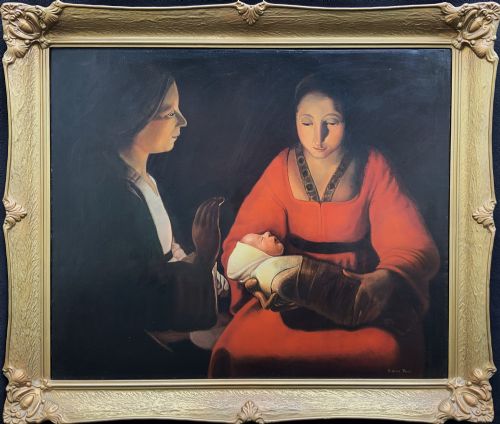
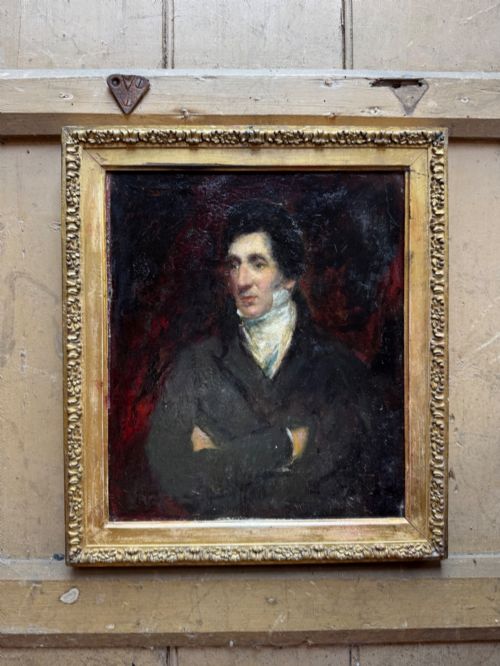
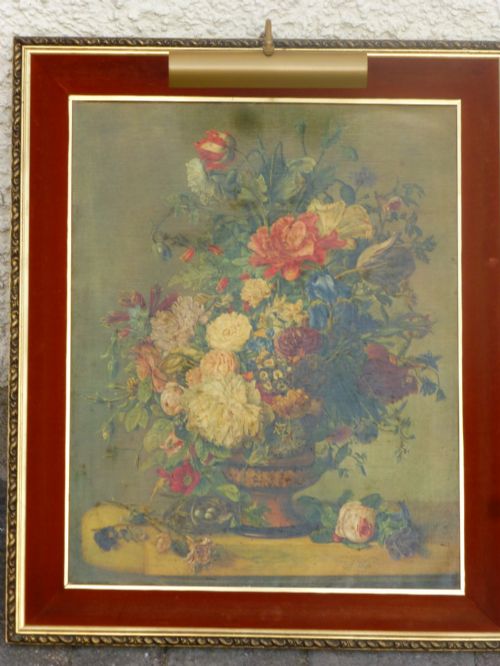
Vintage red wall art encompasses a wide variety of hanging objects originating from different traditions, including oil paintings, gouache portraits, and framed textile panels. The selection spans the nineteenth and twentieth centuries, bringing together distinct periods such as the early nineteen-hundreds and mid-century modern eras.
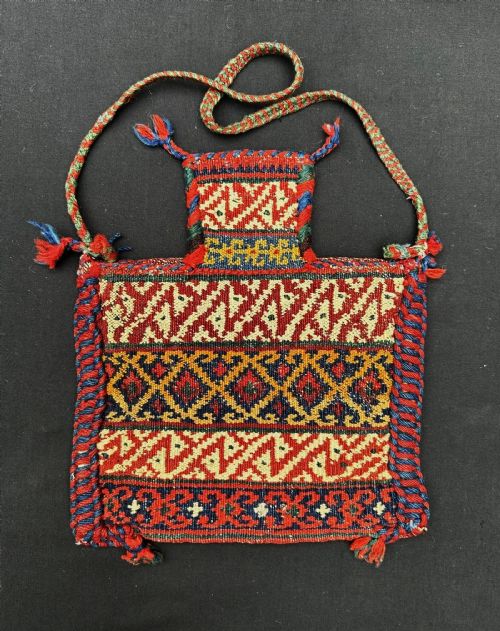
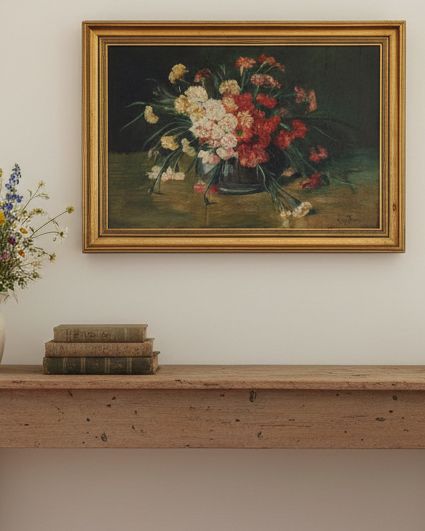
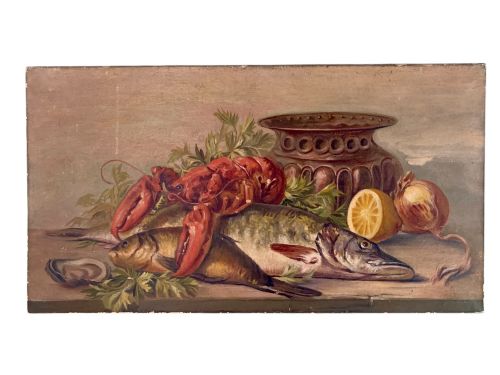
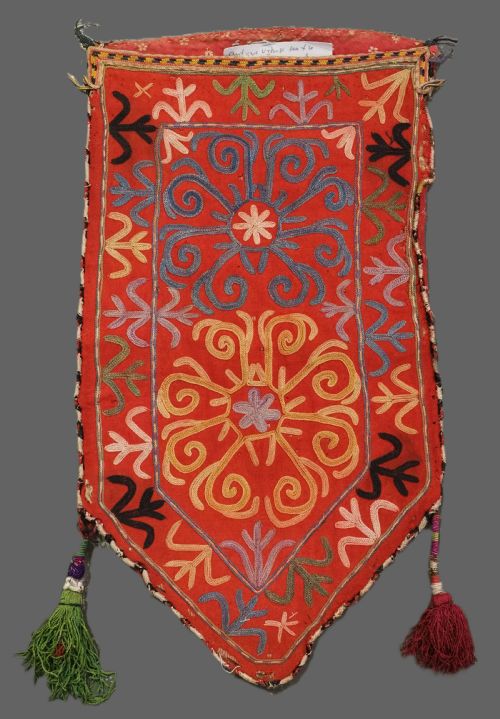
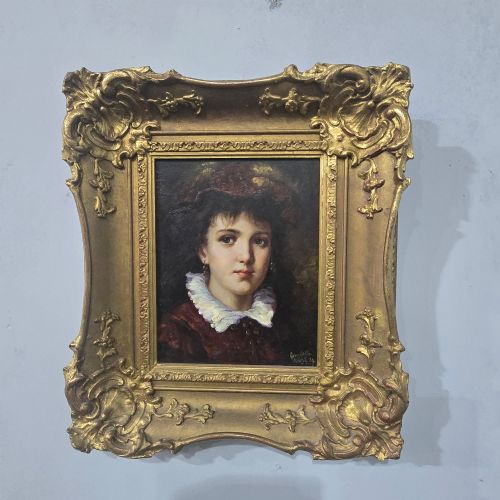
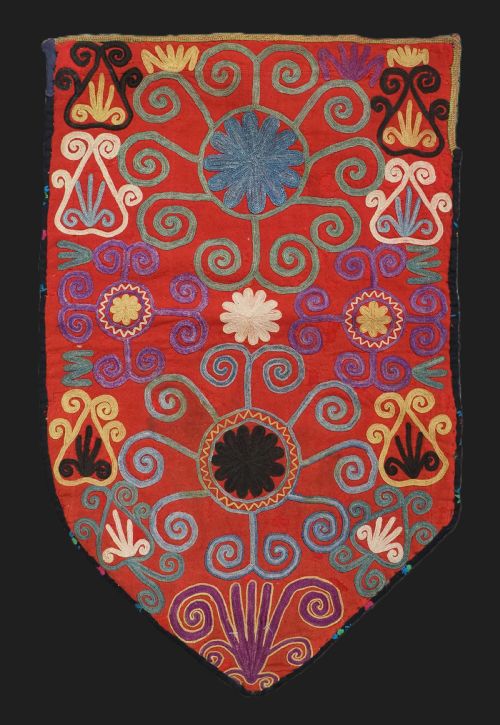
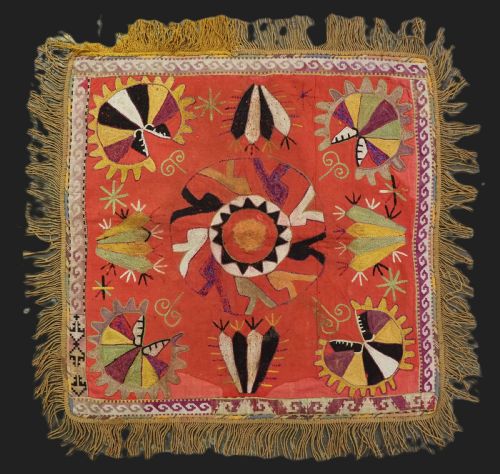
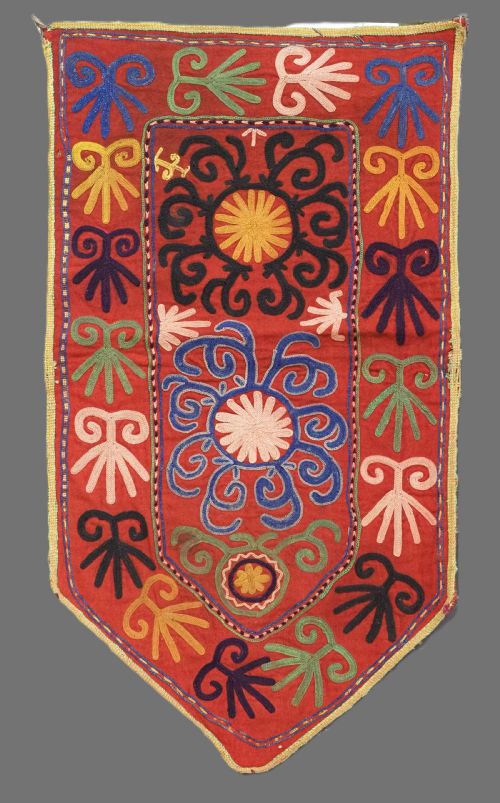
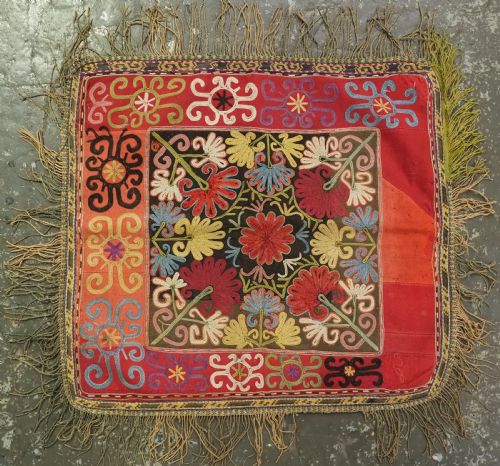
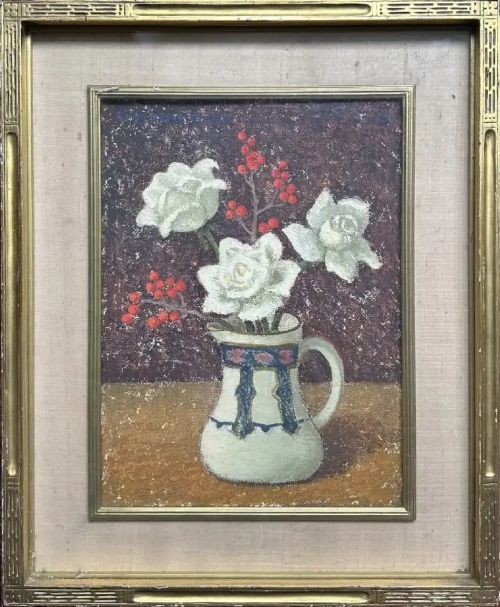
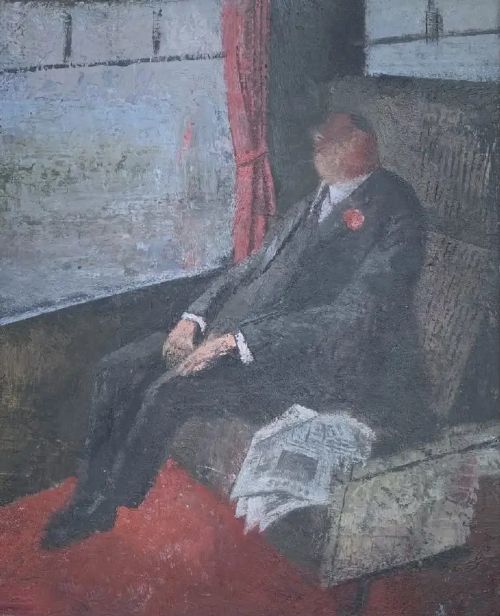
Buyers frequently encounter Central Asian tribal weavings, such as Uzbek Lakai tribe dowry embroideries and Turkmen asmalyks, alongside European still life paintings and portraits. These objects served different original purposes, functioning as functional nomadic bags, dowry hangings, or academic artworks before transitioning into decorative wall pieces.
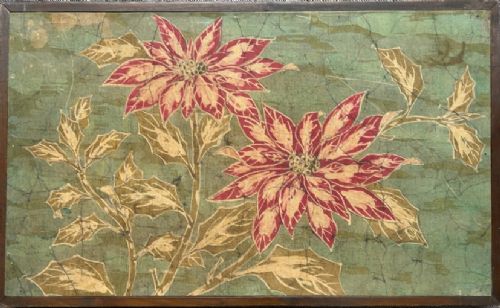
The materials utilised for these wall pieces reflect their diverse geographic origins, ranging from hand-spun wool and cotton textiles to oil paint on canvas and board. Whether acquiring a botanical oil painting or a tribal wall hanging, collectors choose these works to introduce distinct colour and historical depth to domestic spaces.
How they were made
Painted works in this category rely on traditional mediums such as oil paint, gouache, and pastel applied to canvas, wood, or paper supports. Artists built compositions using layered pigments, sometimes incorporating gilt frames or red lacquered surrounds to complement the primary imagery.
Textile wall art relies on intricate hand-embroidery and weaving techniques executed in wool, silk, and cotton. Tribal pieces from Central Asia and Persia utilise vegetable and natural dyes to achieve deep red tones, combined with careful needlework on ground fabrics.
Several pieces preserve the domestic tastes of past centuries, including embroidered dowry bags meant to bring good fortune to nomadic households.
What varies in quality
The standard of a painted piece depends upon the confidence of the brushwork, the stability of the pigment, and the harmony of the composition. Works by established schools or documented artists demonstrate greater precision in handling light and form compared to more decorative or derivative student pieces.
In textile and tribal works, quality is determined by the density of the stitching, the complexity of the tribal motif, and the preservation of the natural fibres. Finer examples maintain structural integrity in the base cloth alongside vivid, unfaded dye work.
Fellman·Jonny Gaston·F. Corpuz·Emma Fordyce MacRae·Winifred Rymer·Vladimir Aldoshin·J.A. Grant·Arthur Dudley
The Vintage Red Wall Art Glossary
- Gouache
- An opaque water-based paint that dries to a matte finish, frequently utilised for detailed portraiture and studies on paper or board. It allows artists to build solid areas of colour with sharp definition.
- Asmalyk
- A large, pentagonal camel trapping produced by Turkmen tribes, traditionally used during wedding processions and later displayed domestically. These heavily embroidered textiles showcase characteristic geometric patterns.
- Suzani
- A type of embroidered and decorative tribal textile made in Tajikistan, Uzbekistan, and other Central Asian nations. They are traditionally stitched with silk or cotton threads on a cotton foundation.
- Oleograph
- A mechanical colour lithograph produced to imitate an oil painting, often mounted on canvas to simulate the texture of an original artwork. These emerged in the nineteenth century as an affordable alternative to paintings.
- Intaglio
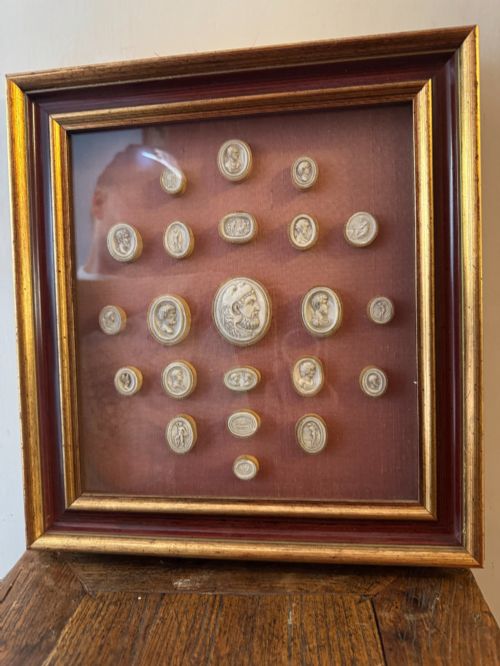
- A design carved into the material surface so that the impression sits below the plane. Gypsum intaglio cameo panels reproduce classical motifs in relief.
Vintage Red Wall Art: Frequently Asked Questions
How do I hang antique textiles safely?
Textile wall art requires careful weight distribution to prevent distortion of the base fabric. Professionals often recommend a concealed Velcro mounting system or a sleeve attachment that spreads the support evenly across the upper edge.
Direct sunlight should be avoided to protect natural wool and silk dyes from fading over time. Maintaining stable indoor humidity levels also prevents the degradation of antique cotton and linen backings.
What is the difference between an oil painting and an oleograph?
An oil painting consists of actual pigment applied by hand with a brush onto a canvas or board support, showing visible texture and layering. An oleograph is a printed reproduction created through lithography that mimics the appearance of oil paint.
Examining the surface under magnification reveals either the raised peaks of dried paint or the uniform dot pattern of a mechanical print. Understanding this distinction helps identify the precise method of production.
Where did tribal wall hangings originate?
Tribal wall pieces originate from nomadic and semi-nomadic groups across Central Asia, Persia, and the Caucasus. Communities such as the Yomut, Qashqa'i, and Lakai tribes produced these items as part of their domestic and ceremonial traditions.
Many pieces began as functional items like dowry bags, storage sacks, or animal caparisons before being repurposed as decorative panels. Their distinctive geometric motifs carry specific cultural meanings rooted in regional heritage.
How are nineteenth-century portraits cleaned?
Painted surfaces accumulate dust, soot, and oxidized varnish layers that darken the original colour palette over decades. Professional conservators utilise specialised solvents to lift surface grime without disturbing the underlying pigment layers.
Amateur cleaning attempts using household products risk stripping delicate glazes or damaging the canvas support. Qualified restoration ensures the historical integrity of the artwork remains intact.