

Canvas Still Life Art
Canvas still life art captures the quiet dignity of domestic and natural objects, preserved through centuries of oil painting traditions.
Canvas Still Life Art
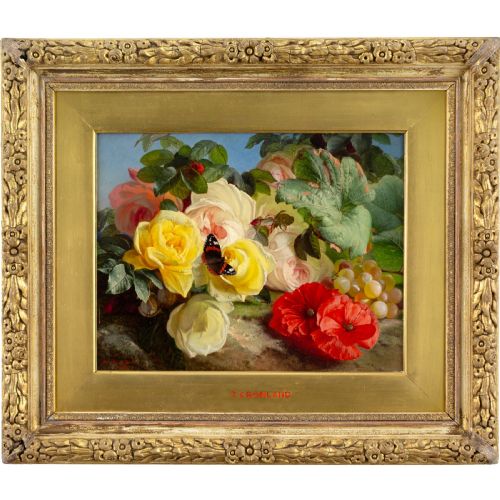
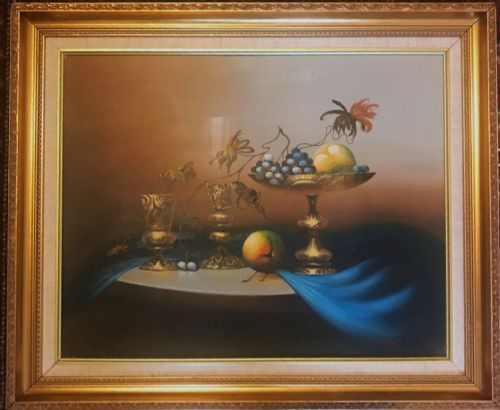
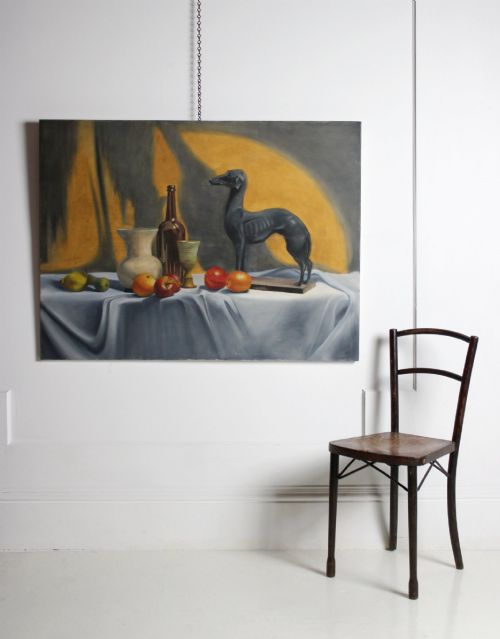
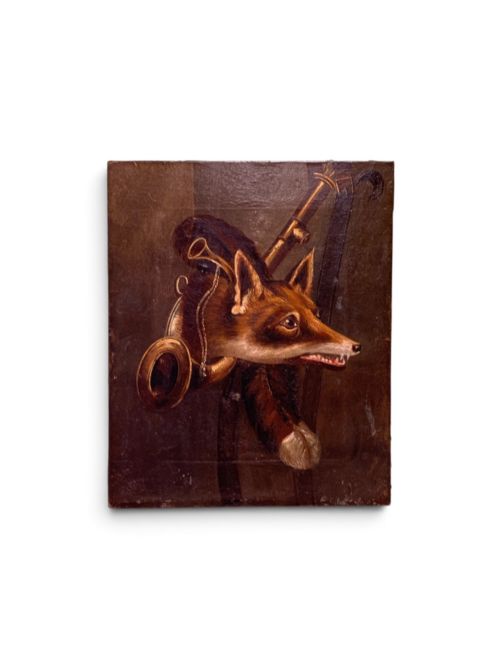
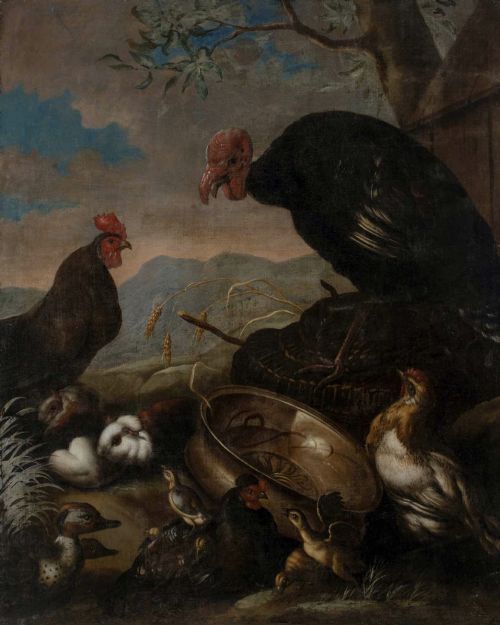
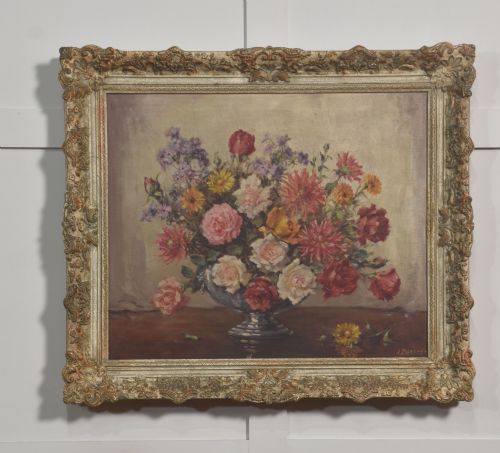
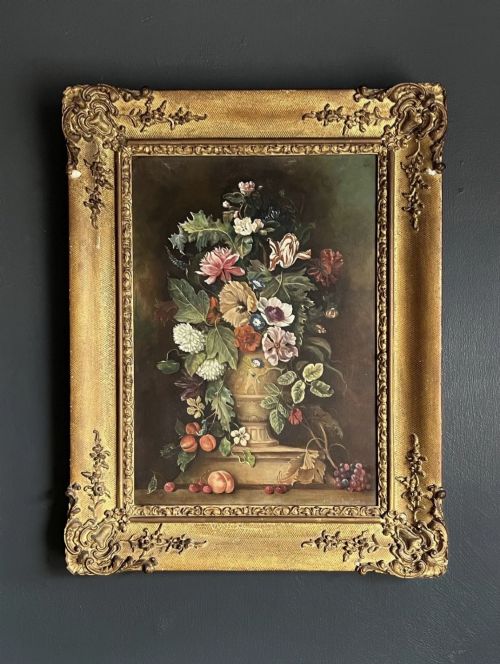
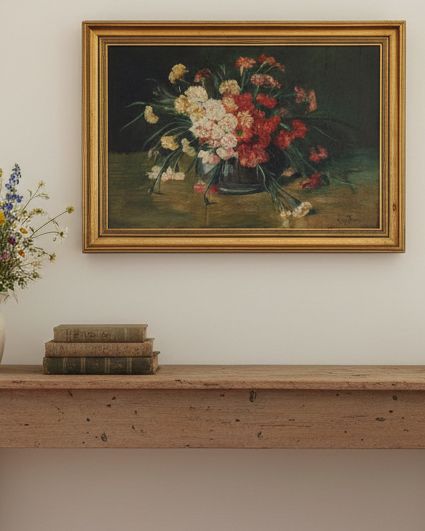
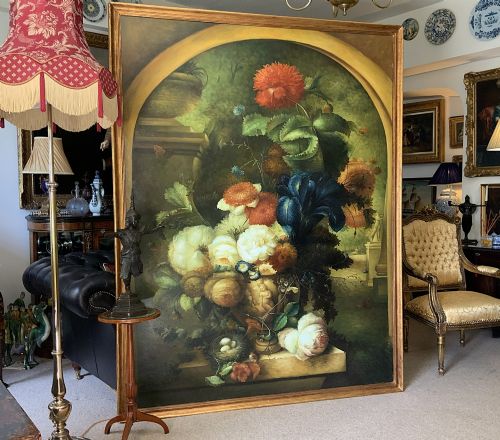
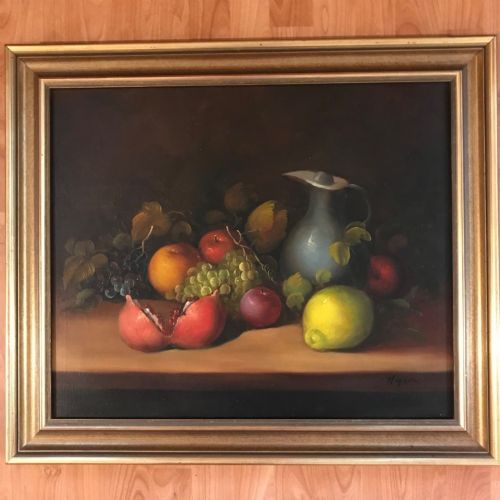
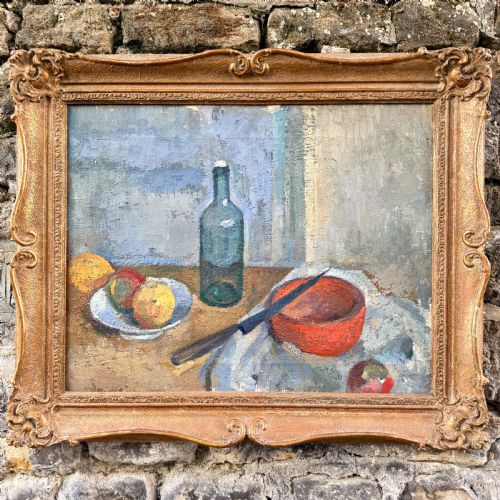
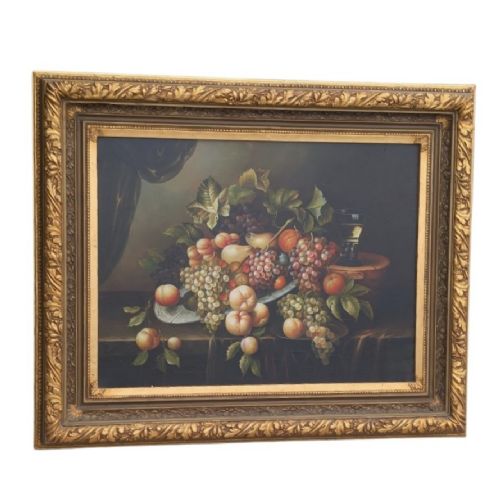
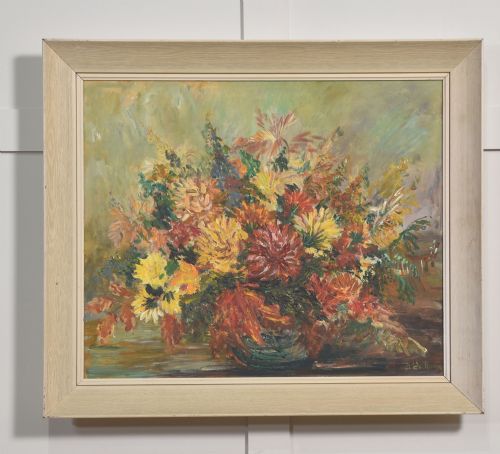
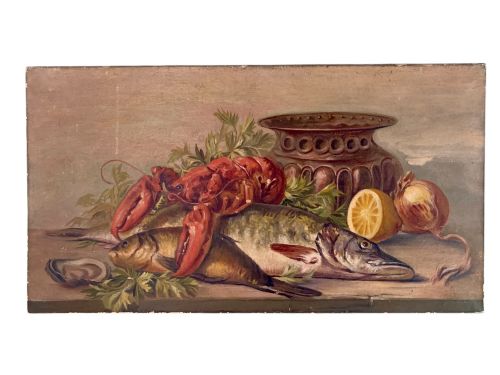
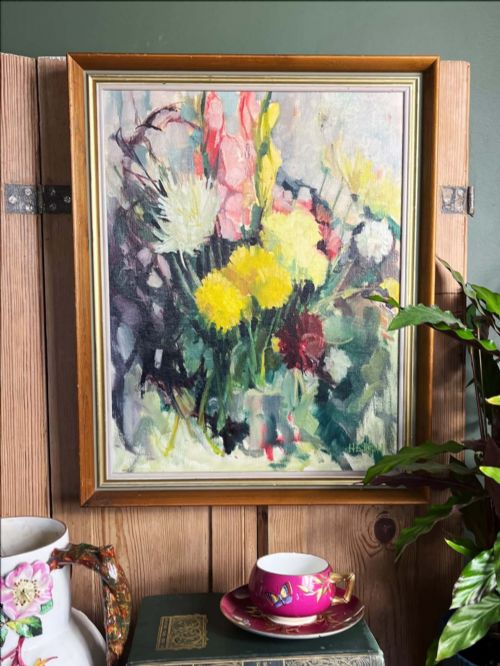
When searching for canvas still life art, collectors encounter oil paintings depicting arranged subjects such as flowers, fruit, game, and everyday household items. These works span from the seventeenth century through the mid twentieth century, encompassing Flemish Baroque compositions, Victorian and Edwardian studies, and mid century impressionist or cubist interpretations.
The selections available range from large monumental floral arrangements housed in gilt frames to intimate studies of fruit and larder scenes. Provincial European schools and named international artists alike contribute to the variety of canvas paintings found within this tradition.
Materials and technique
These works rely fundamentally on oil paint applied to woven canvas supports, sometimes stretched over wooden frames or presented within ornate gilt gesso surrounds. Artists built up their compositions using layered oils to achieve depth in textures, whether rendering the soft petals of roses or the reflective surface of glass vases.
Framing plays a defining role in the physical structure of these pieces, with period frames utilising carved wood and gold leaf to complement the painted canvas. The interaction between the oil pigments and the textured canvas grain determines the visual weight of each surviving work.
Listings feature oil paintings on canvas spanning from the seventeenth century through the mid twentieth century.
Distinctions in quality
The distinction between standard works and masterworks rests in the dexterity of brushwork and the structural confidence of the composition. Superior examples demonstrate a sophisticated handling of light and shadow, creating palpable depth within arrangements of fruit or flora rather than flat replication.
Provenance and attribution elevate certain pieces significantly, particularly those retaining signatures from recognised nineteenth or twentieth century European schools. The integrity of the original canvas and the harmony of the framing further distinguish museum quality holdings from more modest regional paintings.
Angelo Maria Crivelli·Gaspar Peeter Verbruggen·Edward Ladell·Konstantin Stoitzner·Emma Fordyce MacRae
The Canvas Still Life Art Glossary
- Canvas
- A heavy woven fabric used as a surface for oil painting. It provides the primary structural and textural base for the pigment.
- Gilt
- A thin layer of gold leaf or gold paint applied to wood frames. This finish enhances the decorative border surrounding the painted canvas.
- Baroque
- An elaborate artistic style originating in the seventeenth century, characterised by dramatic lighting and rich detail. Flemish examples in this genre often feature dense floral and fauna arrangements.
- Impressionism
- A style focusing on visual impression and the shifting effects of light rather than precise detail. Mid century practitioners adapted this approach for vibrant botanical studies.
Canvas Still Life Art: Frequently Asked Questions
How should I clean an old oil painting?
Surface dust may be removed gently with a soft dry brush, avoiding any moisture or chemical cleaning agents on the canvas.
For deeper restoration or grime removal, professional conservation is required to protect the delicate oil layers from damage.
How do I identify the period of a canvas painting?
Dating relies on examining the preparation of the canvas, the stretcher frame construction, and the stylistic conventions of the brushwork.
Signatures, framing styles, and artist provenance notes verso also help establish the approximate date of creation.
Where should I hang a still life painting?
These works suit dining rooms, libraries, or living spaces where they can be displayed away from direct sunlight and excessive humidity.
Proper placement protects both the fragile oil pigments and the wooden or gilded frames from environmental degradation.
What does a gilt gesso frame indicate?
Gesso frames coated in gold leaf typically signify higher status framing, frequently contemporary with the painting itself.
Such frames contribute substantially to the overall aesthetic and historical integrity of nineteenth and early twentieth century works.