
Original Still Life Canvas
An original still life canvas brings centuries of painted blooms, fruit and gathered objects into a room with striking presence.
Original Still Life Canvas
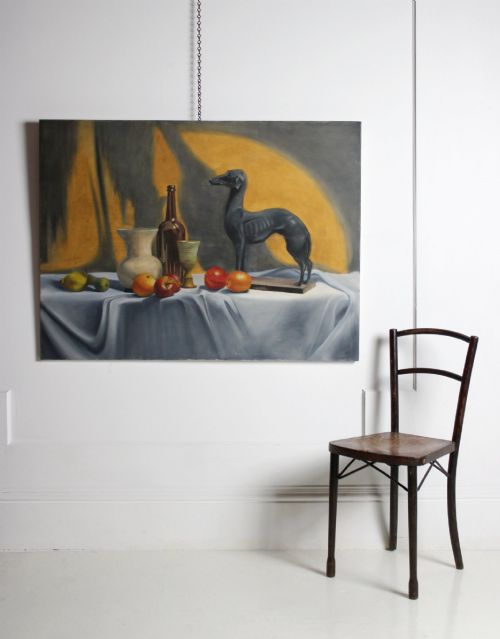
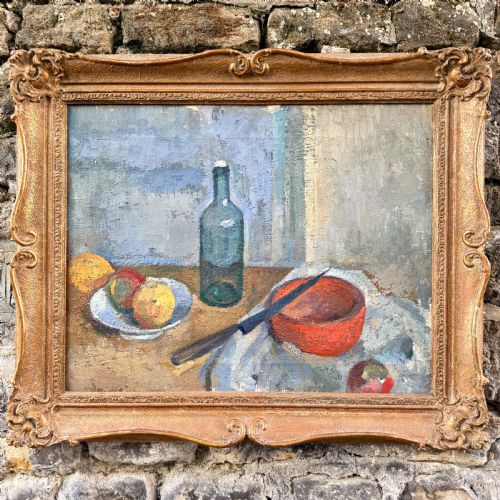
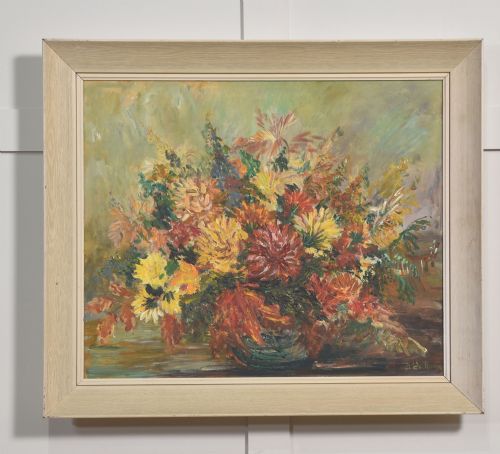
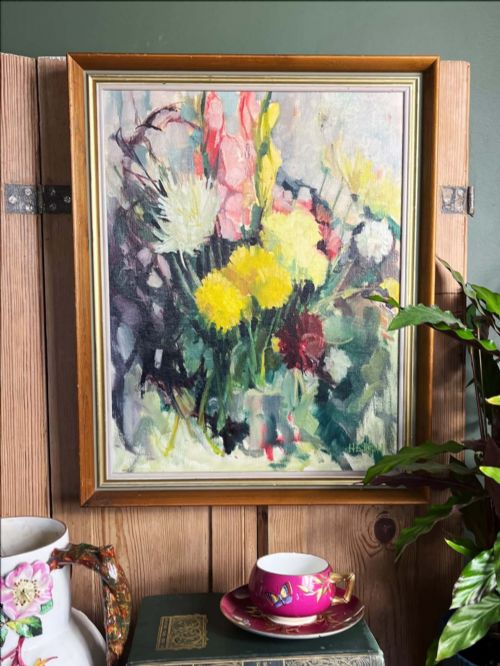
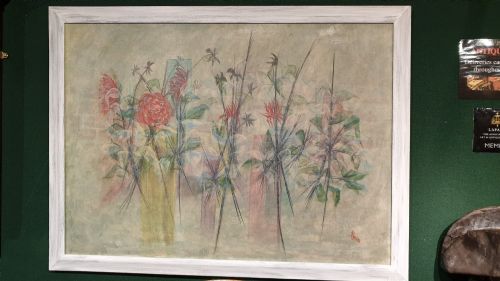
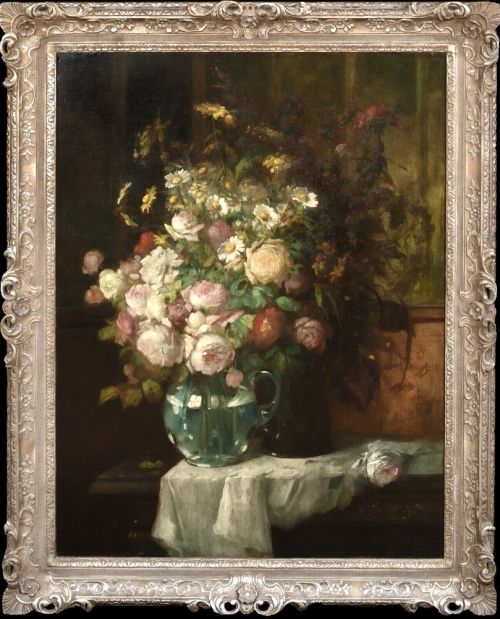
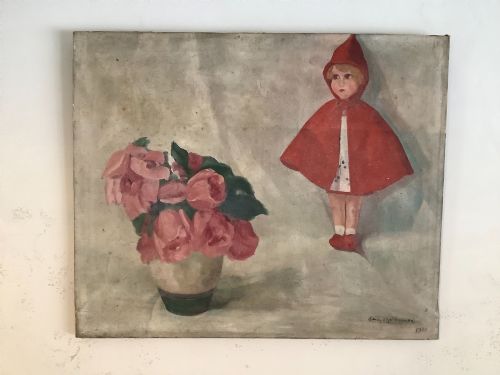
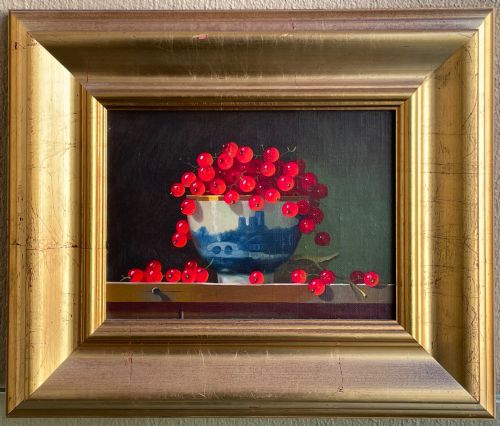
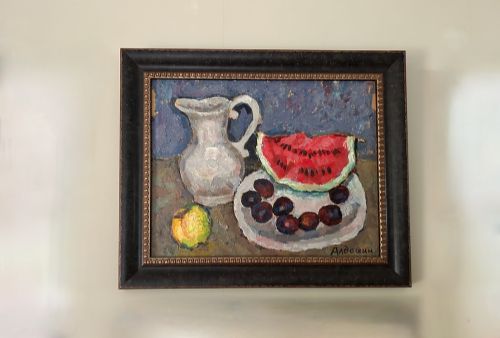
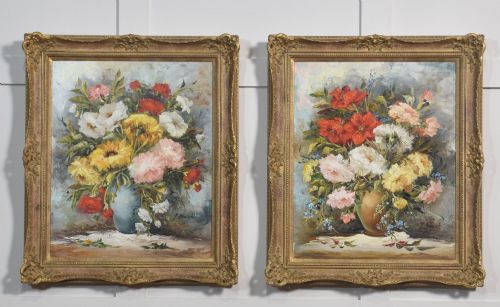
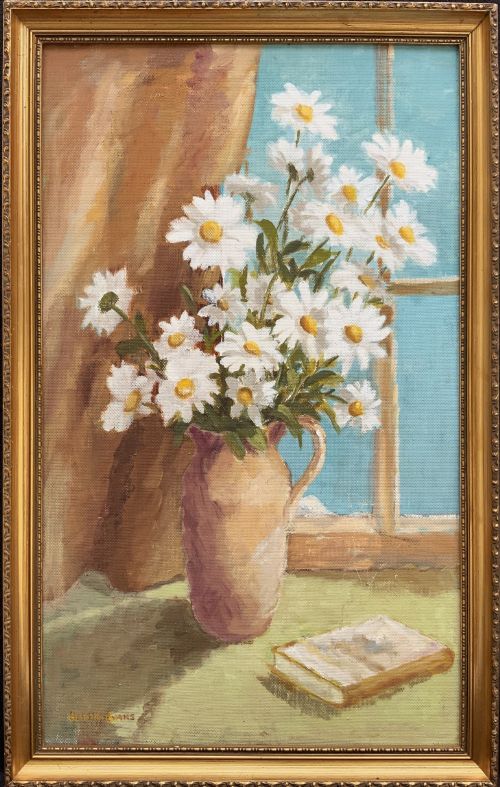
An original still life canvas represents a tradition of painting inanimate objects, spanning from nineteenth-century academic studies to mid-century modernist interpretations. When searching for an original still life canvas, collectors encounter everything from detailed Dutch floral arrangements to looser post-impressionist fruit displays.
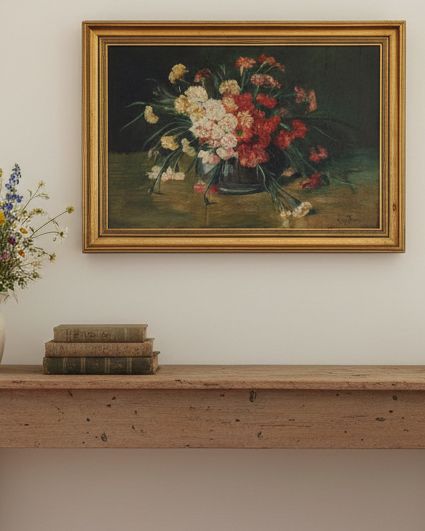
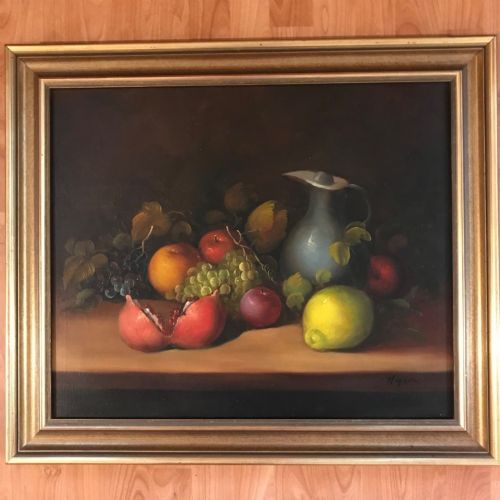
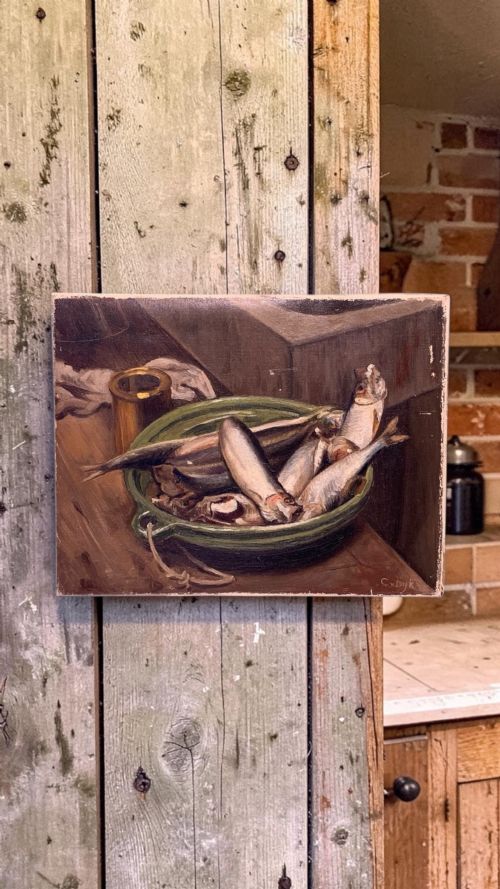
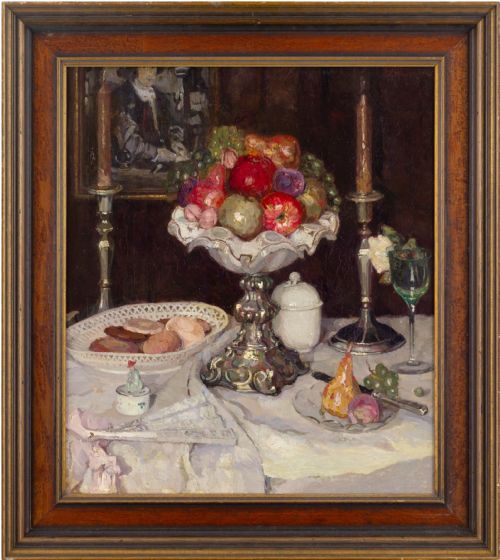
The works appearing here bridge multiple eras, notably Edwardian pieces, roaring twenties canvases, and vibrant mid-century examples from British, French, and Belgian schools. These paintings focus on familiar domestic scenes, floral arrangements in ceramic vessels, and tabletop studies of food and game.
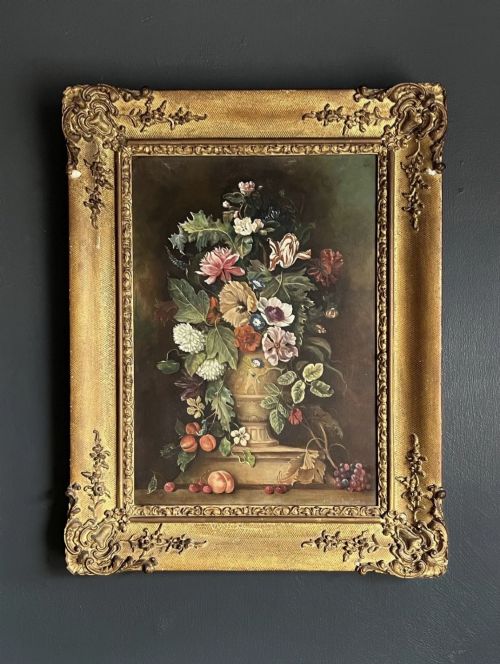
Many of these works retain their original mounting, frequently housed in gilt gesso frames that complement the painted surface. Whether created by named European artists or regional British painters, each canvas offers a window into historical domestic aesthetics.
How They Were Made
Artists painted these works using oil paint applied to woven canvas stretched over wooden frames, sometimes laid onto supporting boards for stability. The physical support provides the characteristic texture and resilience observed across centuries of handling.
Makers finished many canvases with ornate gilt and gesso frames, using layers of plaster relief overlaid with gold leaf to frame the composition. This combination of oil paint, canvas, and carved wood defines the physical architecture of these traditional artworks.
Several canvases quietly document forgotten kitchen inventories, preserving long-gone varieties of apples, plums, and biscuits.
What Varies in Quality
Quality rests in the handling of light, shadow, and brushwork, distinguishing rapid commercial studio output from the assured touch of a skilled painter. A superior canvas displays depth in its colour palette and confident composition within the arrangement of objects.
The preservation of the original surface and the integrity of the surrounding gilt gesso frame heavily influence the standing of a piece. Works retaining their untouched historic mounting carry greater authenticity than those altered by later interventions.
Konstantin Stoitzner·Ian Parker·Vladimir Aldoshin·Manuela Bonati·William Thomas Wood·Victor Simonin·Owen Bowen·Denis Mitchell·Gertrude Hayes·Amile Coppieters·Florence Hess·A. Nikolokov·Henri Joseph Pauwels·Jessie Wolfe·William Greaves·John Burns Robertson·Oliver Clare·Lady Ethel Alice Chivers Harris·G Stainton·Peter Colville Horridge Gardner·Thomas Sherlock Evans·Evelyn Chester·Georges Rouault·James Birmingham Coleman
The Original Still Life Canvas Glossary
- Canvas
- A heavy woven fabric, typically linen or cotton, stretched tightly across a wooden frame to serve as a foundation for oil painting. It provides a slightly textured surface that grips the applied pigments.
- Gesso
- A traditional paint mixture consisting of a binder mixed with chalk, gypsum, or pigment, used to prepare wood and canvas surfaces. In framing, it forms the sculpted relief beneath gold leaf.
- Gilt
- A thin layer of gold applied to the surface of a frame or object to simulate solid gold. It reflects ambient light and creates a warm boundary around the painted canvas.
- Impressionism
- A nineteenth-century painting style characterised by relatively small, thin, yet visible brush strokes and an emphasis on accurate depiction of light. Artists working in this manner prioritized atmosphere over microscopic detail.
- Post-Impressionism
- A predominantly French art movement that developed from impressionism, extending its boundaries while rejecting its limitations. Painters focused on heavier symbolic content and expressive use of colour.
Original Still Life Canvas: Frequently Asked Questions
How do I hang a canvas safely?
Support heavy framed canvases using sturdy picture wire attached securely to the wooden stretcher bars rather than the frame alone. Hang the piece away from direct sunlight and fluctuating heat sources to protect the oil paint.
Ensure the wall fixings match the weight of the gilt gesso frame. Regular inspection of the hanging cord prevents accidental slips over time.
Can I clean an oil painting?
Dust accumulation on a canvas surface should be removed gently using a soft, dry artist brush without applying pressure. Avoid using water, household cleaners, or damp cloths on historical oil paint.
Professional conservators should handle deeper cleaning or varnish removal. Improper wiping can strip delicate glazes applied by the original artist.
How do I date a still life canvas?
Examine the style of the brushwork, the subject matter, and the framing materials for period-specific clues. Canvas weaves and stretcher construction also offer reliable chronological indicators for older works.
Signatures, artist stamps, and inscriptions on the reverse of the stretcher often provide definitive dates or studio locations. Comparing the technique to documented works helps narrow down the decade.
What is the difference between oil on canvas and oil on board?
Oil on canvas utilises a flexible woven textile stretched over a wooden frame, providing slight give under the brush. Oil on board uses a rigid wooden or composition panel as the rigid support.
Canvas works often display characteristic craquelure across the paint layer as they age. Board supports tend to remain flatter but can be susceptible to warping if exposed to moisture.