

Mid Century Framed Artwork
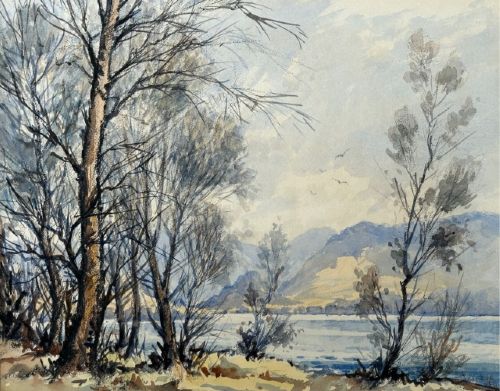
Mid century framed artwork gathers mid-century modern, British impressionism, and 20th-century realism across paintings, watercolours, and drawings.
Mid Century Framed Artwork
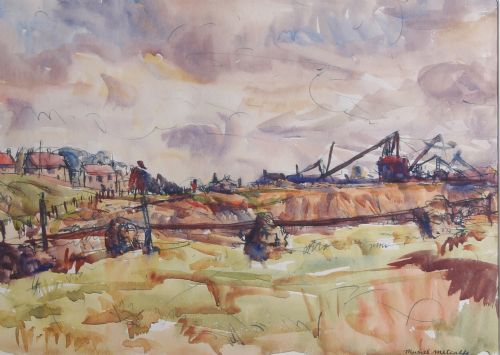
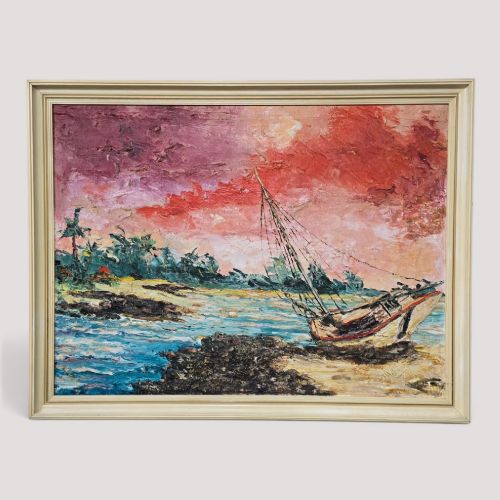
Mid century framed artwork gathers paintings, oil paintings, wall art, watercolour paintings, original paintings, drawings, and art prints into unified presentations. When searching this phrase, a buyer encounters everything from mid-century modern and modern British styles to mid-century impressionism, 20th-century realism, and naive art.
The selections span significant historical periods alongside the core mid-century focus, incorporating 19th-century, 1850, 1860, 1920, 1930, 1940, 1950, and 1960 creations. Buyers most frequently meet mid-20th-century oil paintings on canvas or board, watercolour landscapes, and framed portraits dating from the 1950s and 1960s.
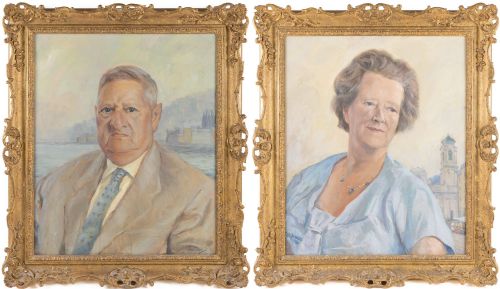
The physical presentation relies heavily on period framing, often utilising wood and gilt enclosures to protect and complete the visual composition. These works originate from diverse hands, encompassing named British and European artists alongside regional schools and anonymous makers.
Materials and construction methods
The physical pieces utilise traditional supports like canvas, paper, and rigid board for oil paint, watercolours, ink drawings, and lithographs. Artists applied oil paint en plein air or in studios, building up pigment layers on fabric or timber panels.
Framing forms an integral component, employing wood mouldings finished with gilt, glass panes for works on paper, and swept decorative surrounds. Textile art panels like batik further expand the physical techniques represented within these framed works.
Mid Century Framed Artwork Retail Price Guide 2026
Typical asking prices for mid century framed artwork among the pieces listed under this phrase on Sellingantiques today, from the lower quarter to the upper quarter. They describe what is for sale here now, not the wider market.
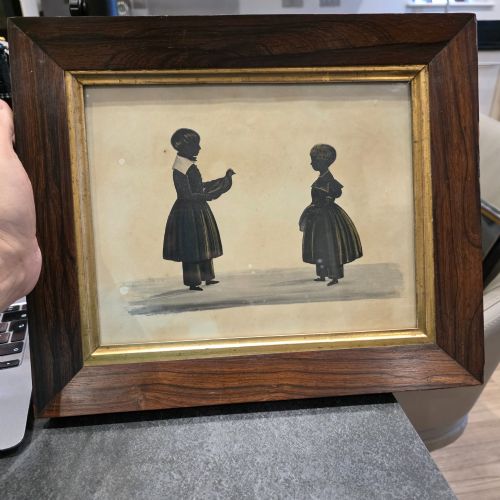
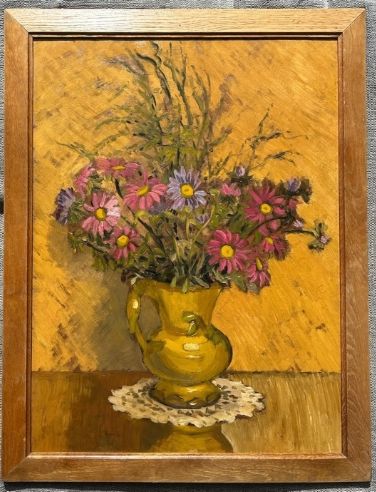
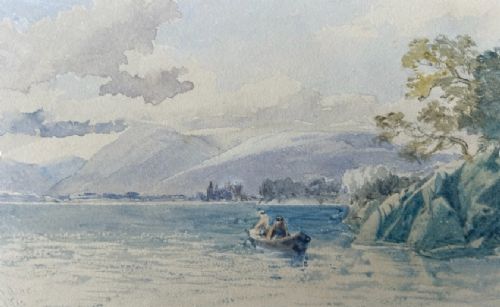
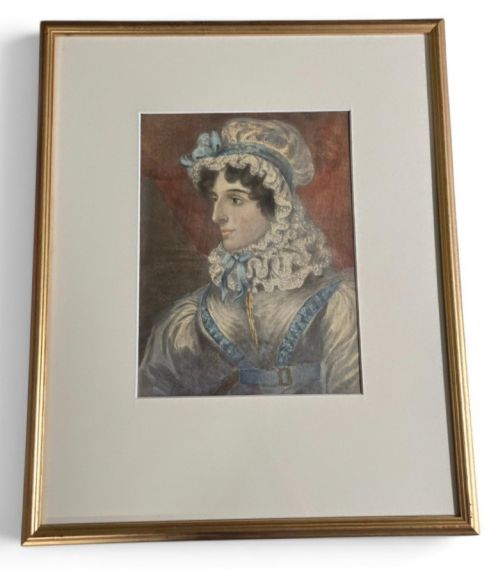
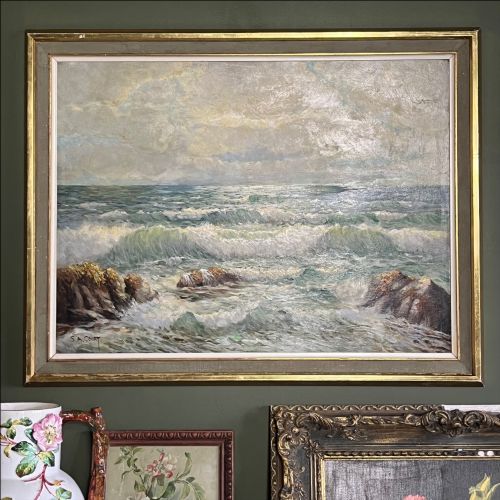
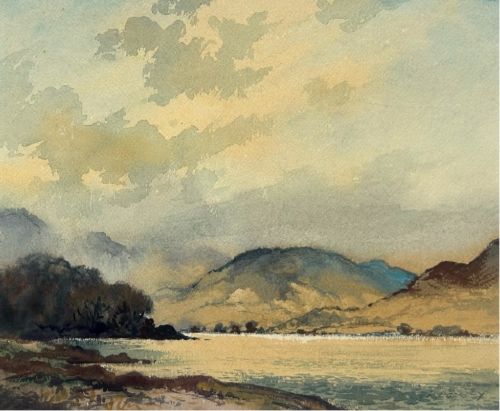
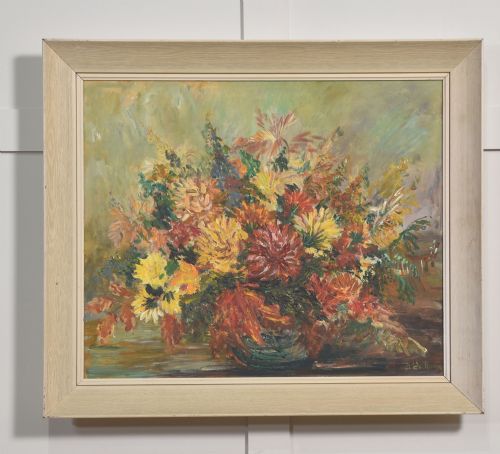
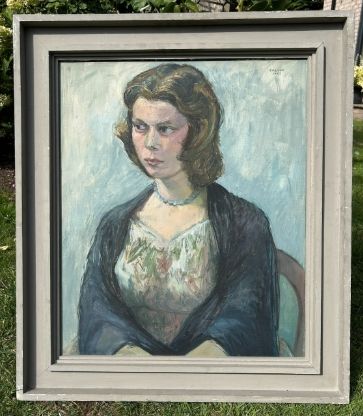
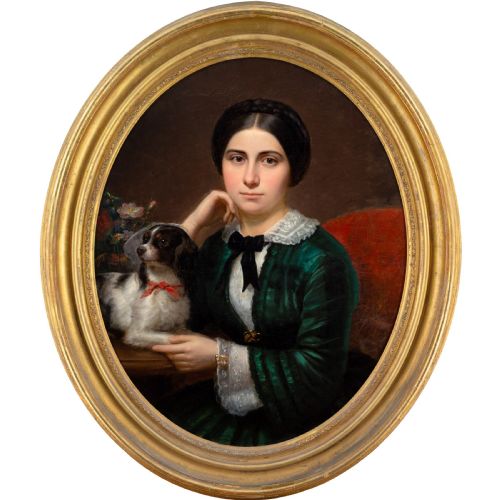
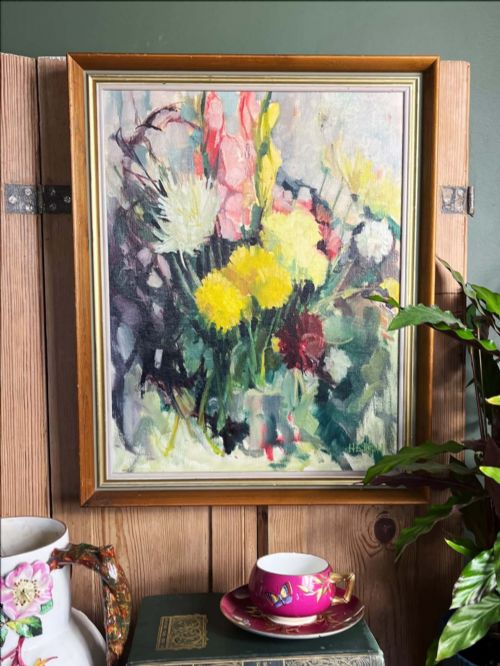
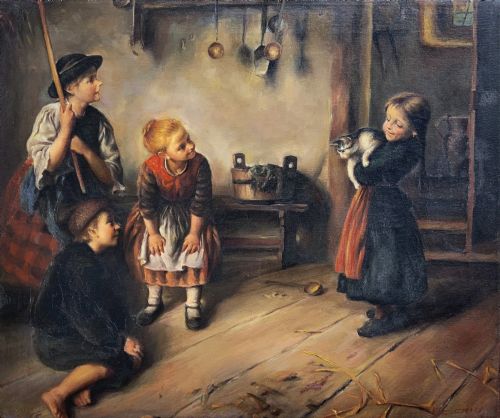
Dutch children, Cornish tides, and floral still lifes share wall space with portraits of ladies wearing blue necklaces.
Distinctions in quality and execution
Quality separates through the sureness of the artist's brushwork, the precision of draughtsmanship, and the cohesive balance of colour and composition. Masterful handling of light and perspective elevates original oils and watercolours well above routine decorative output.
The integrity of the framing also marks the tier of the piece, with original swept gilt or period wooden frames demonstrating superior craftsmanship compared to later replacements. Artist attribution and documented provenance further distinguish exceptional works from anonymous school pieces.
Kenneth Cozens·Thomas Miles Richardson Jnr·Sidney A Court·Robert Leslie Howey·Marc Chagall·Antonio DeVity
The Mid Century Framed Artwork Glossary
- Board
- A rigid flat panel utilised as a direct support for oil or acrylic painting rather than stretched fabric. Artists frequently employed wooden or composition boards throughout the twentieth century.
- En plein air
- A French expression describing the practice of painting outdoors to capture direct natural light and atmospheric conditions. This technique defined much of the coastal and landscape work from the period.
- Lithograph
- A printmaking process based on the chemical repulsion of oil and water on a limestone or metal plate. Original mid-century examples were drawn directly by the artist.
- Swept frame
- An ornate wooden picture frame carved or moulded with flowing, scrolling relief patterns. These decorative surrounds often received a gilt finish.
- Provenance
- The documented history of ownership and origin associated with an artwork. Clear records establish authenticity and previous exhibition history.
Mid Century Framed Artwork: Frequently Asked Questions
How do I identify mid century paintings?
Look for characteristic modernist compositions, mid-century colour palettes, and framing materials typical of the 1950s and 1960s.
Signatures, artist biographies, and exhibition labels on the reverse often confirm the exact period of creation.
What is the difference between oil on canvas and oil on board?
Oil on canvas involves pigment applied to woven fabric stretched over a wooden frame, offering slight give to the touch. Oil on board uses a rigid wooden or composite backing panel.
Both methods were common, though board frequently appeared in smaller plein air studies.
Are watercolours framed differently from oil paintings?
Watercolours on paper require glass protection and matting to prevent direct contact with the surface. Oil paintings on canvas or board are traditionally displayed unglazed.
Frames for watercolours are therefore constructed to hold glass panes securely.
How should I care for vintage framed artwork?
Keep framed pieces away from direct sunlight and areas subject to high humidity or rapid temperature shifts. Use a soft, dry cloth to dust wooden frames.
Avoid applying liquid cleaners directly to painted surfaces or exposed canvas.