
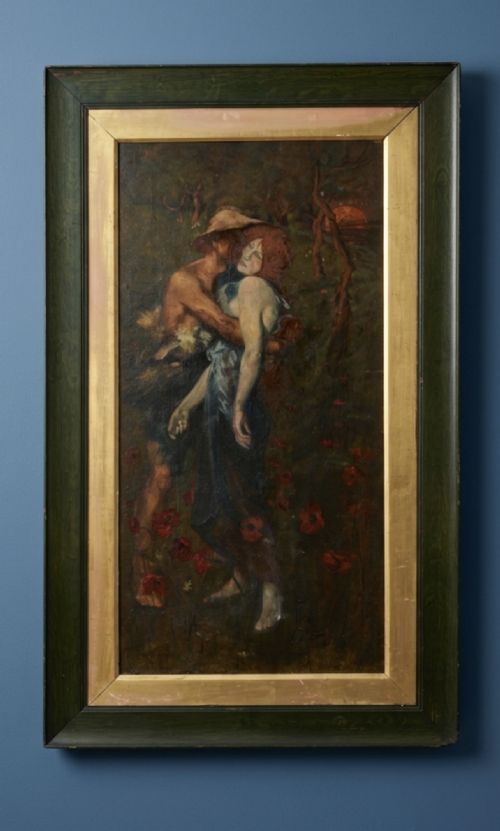
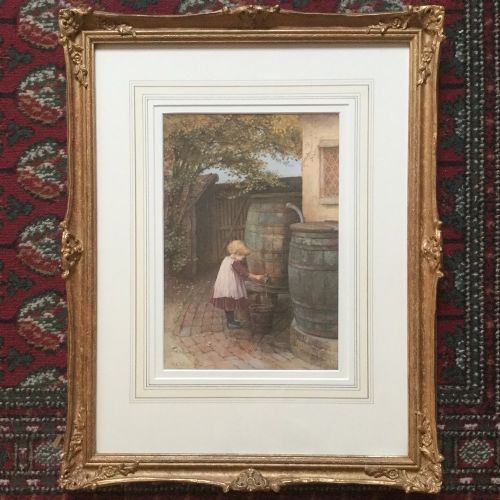


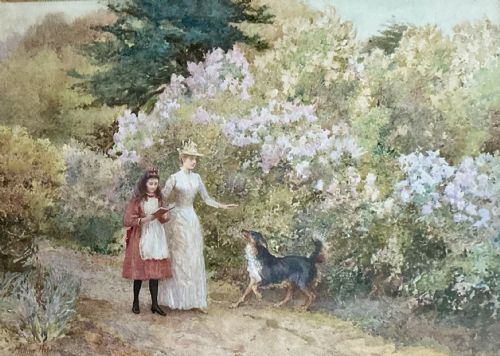


Framed Figurative Print
A framed figurative print captures human form and narrative, bringing character and historical depth straight to a wall.
Framed Figurative Print
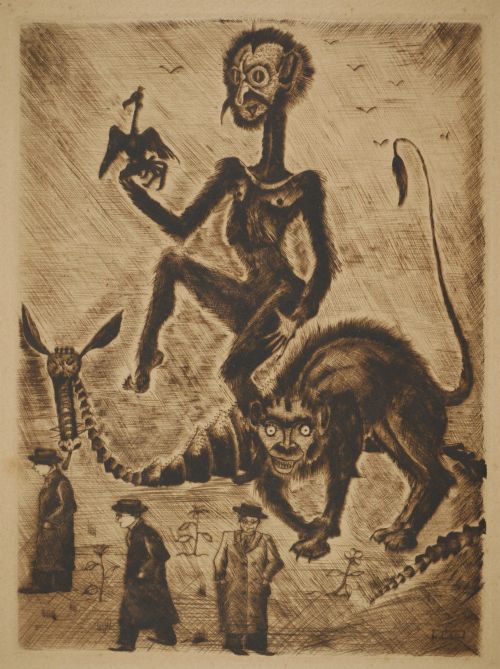
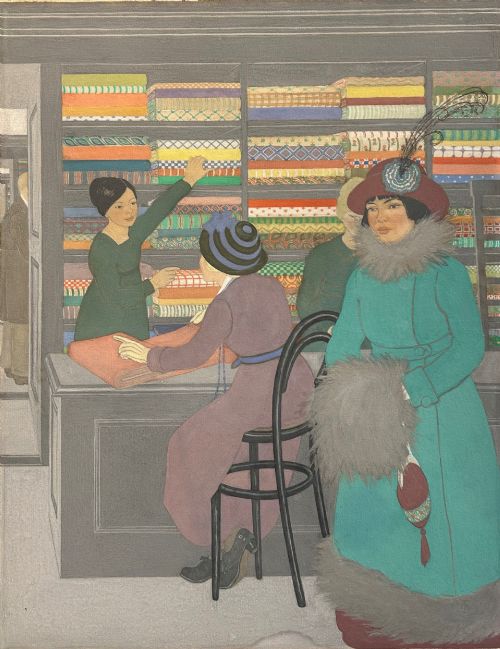
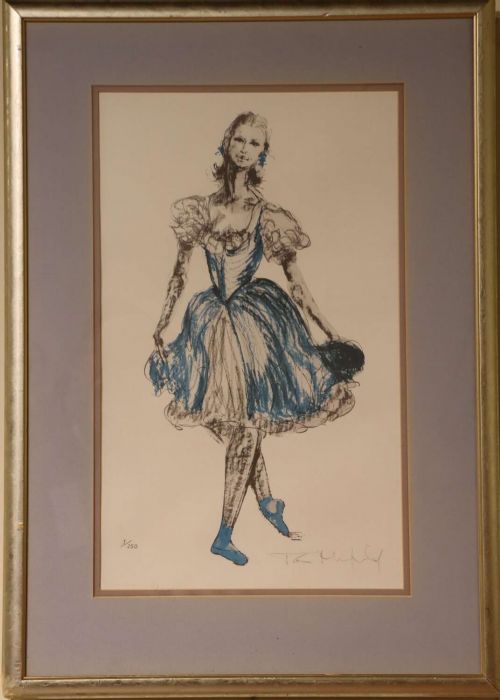
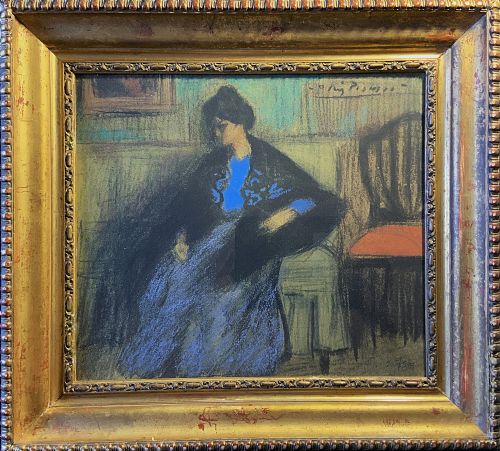
A framed figurative print encompasses works depicting people, portraits, and human stories captured through various printmaking techniques and framed for display. Buyers encounter examples stretching from nineteenth-century etchings and mezzotints to mid-century lithographs and modernist prints.
The selection ranges from Victorian genre scenes and romantic prints to twentieth-century limited editions by named artists. These pieces combine paper supports with wood, giltwood, and glass framing to preserve and present the human subject.
Materials and production methods
Works utilise paper as the primary support for ink, etching, woodblock, and lithographic techniques. Framing materials span plain wood, gilt wood, and glass protection to secure the delicate paper surfaces.
Makers combine traditional printing processes like mezzotint and etching with hand-finished watercolours, pastels, and pochoir details. Each piece relies on the synergy between the printed image and the protective wooden or gilt frame.
Listings feature paper, glass, wood, and giltwood materials across Victorian, Edwardian, and mid-century periods.
Distinctions in quality
Quality rests upon the clarity of the printed line, the preservation of the paper, and the craftsmanship of the accompanying frame. Early impressions and signed limited editions demonstrate greater fidelity to the original artistic vision.
The integrity of the materials, from genuine giltwood mouldings to stable paper without excessive toning, separates standard reproductions from finer collector pieces.
Kurt Lorein Victor Peiser·John Meredith·Pablo Picasso·Charles Edward Wilson·Margaret Maitland Howard·Edward Stodart·Arthur Hopkins·Kunisada·Charles Burton Barber·Hendricus Joseph Dillens·William Adolph Bouguereau·William Russell Flint·William Powell Frith·Louis Icart·Carlo Ferranti·Kees van Dongen·Markey Robinson·Sonia Lawson R.A.·Frank Moss Bennett
The Framed Figurative Print Glossary
- Etching
- A printmaking process where lines are incised into a metal plate with acid before being inked and pressed onto paper. This technique allows for fine, expressive detail.
- Lithograph
- A planographic printing method based on the repulsion of oil and water on a flat stone or metal plate. Artists use this to capture painterly tonal gradations.
- Mezzotint
- A tonal printmaking method where the copper plate is roughened to achieve rich darks and subtle gradients. It was widely used for reproducing oil paintings in the eighteenth and nineteenth centuries.
- Pochoir
- A stencil-based colouring technique used to apply vibrant, precise hues to a printed image. This method often appears in twentieth-century works.
- Crystoleom
- A Victorian technique where a paper print is made transparent, applied to glass, hand-painted, and backed with convex glass. It creates a luminous, dimensional effect.
Framed Figurative Print: Frequently Asked Questions
What is a framed figurative print?
A framed figurative print is an artwork on paper featuring human subjects, portraits, or narrative scenes enclosed within a protective border and glass.
These pieces capture human forms through methods such as etching, lithography, and woodblock printing.
How do I date an antique print?
Dating relies on stylistic clues, paper composition, framing materials, and artist signatures recorded in the listing details.
Techniques such as early mezzotints and Victorian lithographs carry distinct characteristics tied to their respective centuries of production.
How should I care for these works?
Protect the paper and frame by keeping the piece away from direct sunlight and damp environments to prevent fading and foxing.
Ensure the glass remains intact and the wooden or gilt frame is dusted gently with a dry cloth.
What styles are available?
The selection includes Victorian genre art, Art Deco, surrealism, and mid-century modernism.
Each style reflects the prevailing aesthetic of its period, from romantic Victorian narratives to twentieth-century abstraction and realism.