

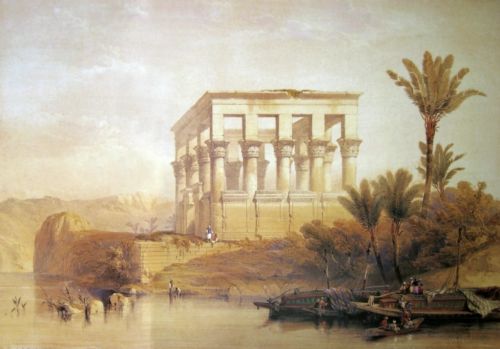
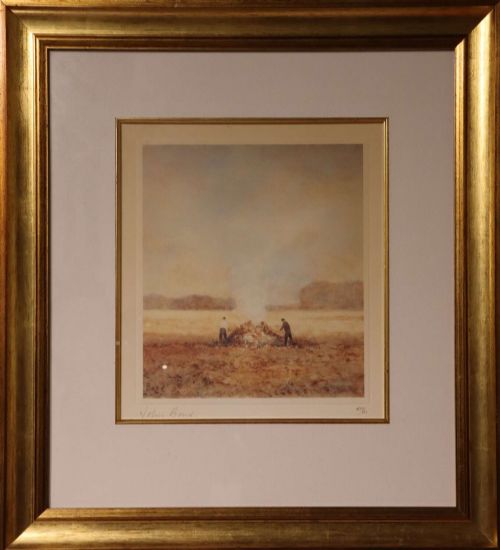
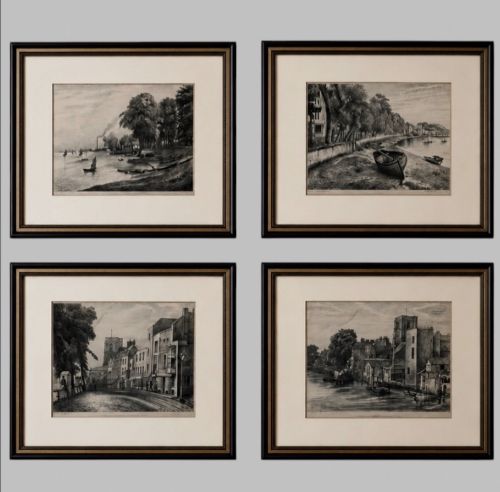
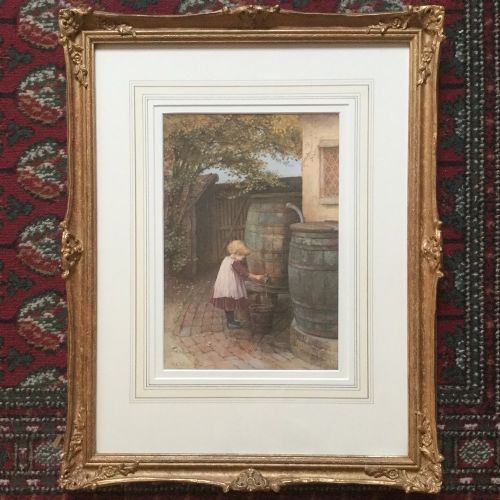


Antique Landscape Lithograph
These antique landscape lithograph examples offer a glimpse into past scenery, valued for their atmospheric views and printed execution.
Antique Landscape Lithograph
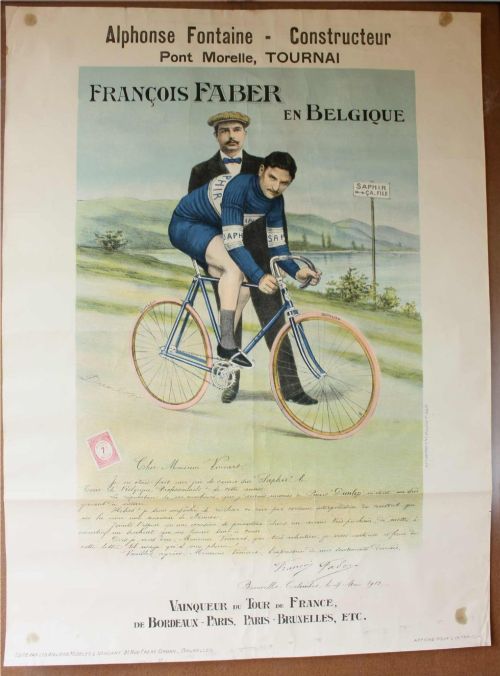
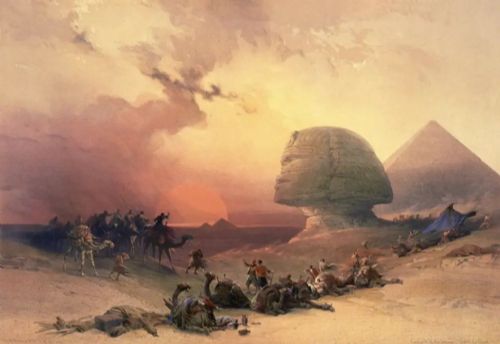
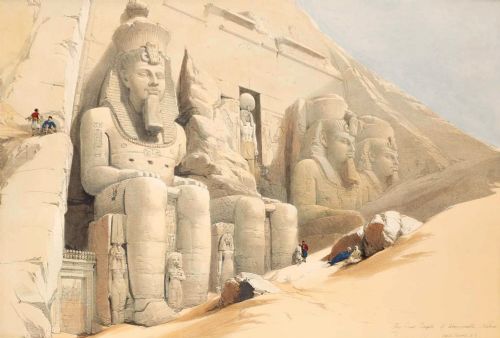
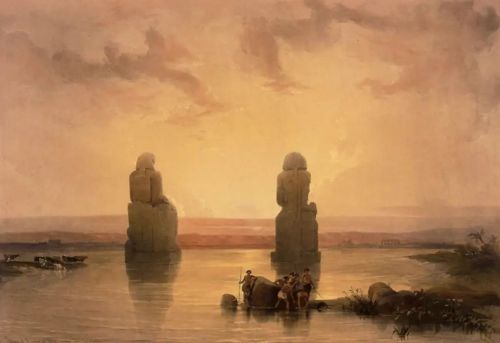
An antique landscape lithograph brings framed scenes of distant places, architectural monuments, and British views into domestic spaces. The selection spans periods from the eighteenth century through to the early twentieth century, incorporating Georgian and Victorian aesthetics.
Buyers encounter subjects ranging from Middle Eastern deserts and Welsh castles to Scottish estates and English urban centres. These works appear within wall art, framed prints, and posters, often reflecting styles such as Orientalism and early realism.
Materials and technique
Production relies primarily on ink applied to paper, occasionally mounted on card and housed behind glass within wooden frames. Gesso, gold leaf, and gilt wood frequently finish the framing components that preserve these works.
Lithography allows the transfer of ink from a prepared stone or metal plate onto paper support. Artisans sometimes applied hand colouring with watercolour over the printed image to enrich the visual depth.
The inventory spans Georgian, Victorian, and Edwardian periods alongside early twentieth-century realisms.
Assessing quality
Quality rests on the clarity of the printed impression and the precision of any applied hand colouring. Stronger examples maintain sharp detail across intricate architectural elements and subtle atmospheric tonal shifts.
The sophistication of the framing materials, such as period gilt wood and gesso mouldings, influences the overall presentation. Intact paper surfaces free from heavy fading distinguish finer survivals.
David Roberts·Sir Muirhead Bone·Otto Pilny·William Powell Frith
The Antique Landscape Lithograph Glossary
- Lithograph
- A print made by drawing on limestone or a metal plate with a greasy medium so that ink adheres only to the drawn areas. This technique achieved widespread popularity for reproducing both fine art and commercial posters.
- Orientalism
- An artistic style depicting scenes and peoples of the Middle East and North Africa. It found frequent expression in nineteenth-century British and European art.
- Gilt wood
- Wood coated with a thin layer of gold leaf or gold paint. It appears widely on the frames enclosing antique prints.
- Gesso
- A plaster-like mixture applied to wood frames to create a smooth surface for gilding. It enables intricate relief ornamentation.
- Coloured lithograph
- A lithographic print that receives additional pigment by hand or through supplementary printing plates. This adds hues beyond the primary monochrome ink.
Antique Landscape Lithograph: Frequently Asked Questions
What is an antique landscape lithograph?
An antique landscape lithograph is a printed view of natural scenery or architecture produced through planographic printing during earlier centuries. These pieces capture topography, ruins, and pastoral settings from periods including the Georgian and Victorian eras.
Such works served as popular wall decoration and educational imagery before modern photographic reproduction became common. They preserve historical perspectives on domestic and international landscapes.
How should I hang these prints?
Protect these works from direct sunlight to prevent the fading of paper and ink. Maintain stable indoor humidity levels to safeguard both the paper and the wooden frames.
Display them away from moisture sources such as kitchens and bathrooms. Ensure proper hanging hardware supports the weight of the frame and glass.
How do I identify the period?
Period identification relies on stylistic cues, printing techniques, and associated framing materials. Georgian and Victorian examples often feature specific paper weights and typography characteristic of their decades.
Documentation, artist signatures, and printer credits inscribed on the margin provide further chronological markers. Comparing subject matter against known exhibition dates helps narrow the timeline.
Were these printed in colour originally?
Many early lithographs were printed in monochrome black or brown ink and subsequently hand-coloured with watercolour. Later nineteenth-century techniques permitted multi-stone printing for direct colour application.
Hand-tinted examples exhibit subtle brushwork visible under magnification. The presence of colour enhances the decorative appeal of topographical subjects.