




Twentieth Century Fine Art
Twentieth century fine art brings together paintings, watercolours and drawings that capture a dynamic era of changing styles and artistic expression.
Twentieth Century Fine Art
Twentieth century fine art encompasses a wide array of visual media, primarily paintings, watercolours, drawings and prints produced from the Edwardian era through to later decades. Pieces frequently surface as oil paintings on canvas or wood panel, alongside delicate watercolours and pastel drawings depicting landscapes, portraits and genre scenes.
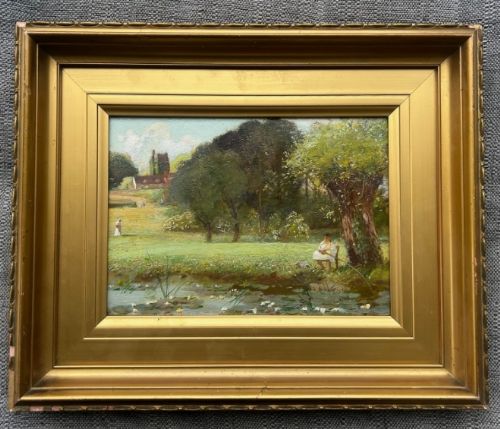
Buyers encountering this selection will discover works rooted in movements such as British Impressionism, Modern British realism and post-impressionism. Landscapes range from Yorkshire valleys and Scottish borders to French towns and Canadian vistas, reflecting both local traditions and broader European influences.
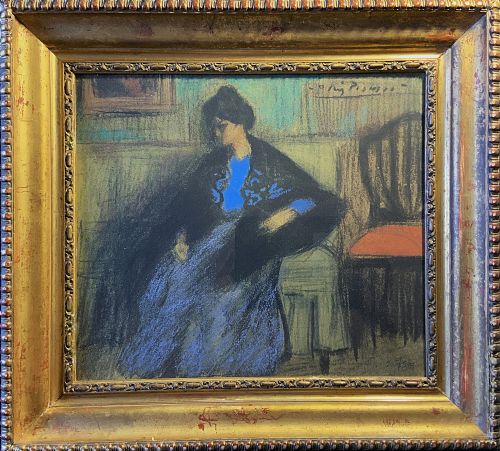
Portraits and figure studies also feature prominently, ranging from historical figures and ballet dancers to intimate charcoal drawings and character studies. These creations demonstrate the shifting aesthetic priorities of the period, moving from traditional academic representation toward more expressive modern interpretations.
Materials and methods
Artists of this era worked primarily with oil paint on canvas, wood panel or board, applying pigments with brushes or palette knives to build texture and depth. Watercolours and pastels on paper offered a lighter medium favoured for rapid en plein air studies and detailed botanical or topographical views.
Supports such as stretched canvas and seasoned wood panels were carefully prepared with grounds to receive the paint layers, ensuring long-term stability. Lithographs and chromolithographs utilised specialised printing techniques to reproduce original compositions for a wider audience.
Twentieth Century Fine Art Retail Price Guide 2026
Typical asking prices for twentieth century fine art among the pieces listed under this phrase on Sellingantiques today, from the lower quarter to the upper quarter. They describe what is for sale here now, not the wider market.
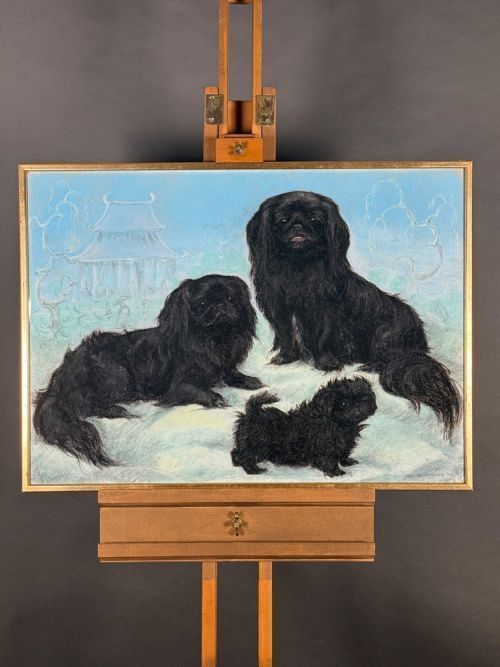
A pastel study of three black Pekingese dogs proves that twentieth century artists found immense dignity in small, fluffy companions.
Distinguishing quality in works
The standard of a piece rests heavily on the handling of the medium and the confidence of the draughtsmanship. Superior examples demonstrate a secure command of tone, colour harmony and composition, whether rendering a complex landscape or a simple portrait.
Provenance and documentation elevate certain pieces, particularly where an artist's signature, exhibition history or known regional association can be verified. The vitality of the brushwork and the preservation of the original surface further distinguish accomplished works from standard decorative productions.
George Henry Paulin·Herbert Ashwin Budd·Herbert Royle·Owen Bowen·Ernest Higgins Rigg
The Twentieth Century Fine Art Glossary
- Oil paint
- A slow-drying paint made by combining pigments with a drying oil, most commonly linseed oil. This medium allows for rich colour blending and substantial impasto texture.
- Watercolour
- A paint consisting of water-soluble pigments suspended in a water-based solution, typically applied to paper. It yields transparent washes of colour that capture light effectively.
- Chromolithograph
- A multicolour planographic printing technique used to produce colour prints. Each colour layer requires a separate lithographic stone or plate.
- Impressionism
- An art movement characterised by relatively small, thin yet visible brush strokes and an emphasis on accurate depiction of light. Artists often worked outdoors to capture fleeting atmospheric effects.
- Wood panel
- A rigid wooden support used by painters as an alternative to canvas. Panels provide a firm, smooth surface for detailed brushwork.
Twentieth Century Fine Art: Frequently Asked Questions
What defines twentieth century fine art?
Twentieth century fine art encompasses paintings, watercolours and drawings created between the Edwardian era and the latter half of the twentieth century. These works reflect major stylistic shifts from traditional realism towards impressionist and modern interpretations.
The selection includes diverse subjects such as landscapes, portraits and figure studies created by regional and internationally recognised artists.
How should I display oil paintings at home?
Oil paintings on canvas or wood panel benefit from placement away from direct sunlight and extreme temperature fluctuations. Proper framing protects the edges and supports the overall structure of the piece.
Ensuring adequate wall space allows the composition and texture of the paint to be appreciated without visual crowding from surrounding furnishings.
How do I identify watercolours from oil paintings?
Watercolours are typically executed on paper supports and display transparent washes of pigment that reveal the texture of the underlying sheet. They require protective glass framing to prevent moisture damage.
Oil paintings utilise thicker pigments on canvas, board or wood panels, presenting a heavier texture that does not require glass for protection.
What subjects are most common?
Landscapes form a large proportion of the available works, capturing rural scenes, coastal views and townscapes from Britain and abroad. Portraiture and figure studies, including charcoal sketches and pastel drawings, also appear frequently.
Artists frequently recorded local topography, offering a visual record of changing countryside and urban environments through the decades.