


Cream Paper Etching Print
A cream paper etching print brings centuries of graphic art and architectural record straight to your wall, spanning delicate botanical studies to bold modernist scenes.
Cream Paper Etching Print
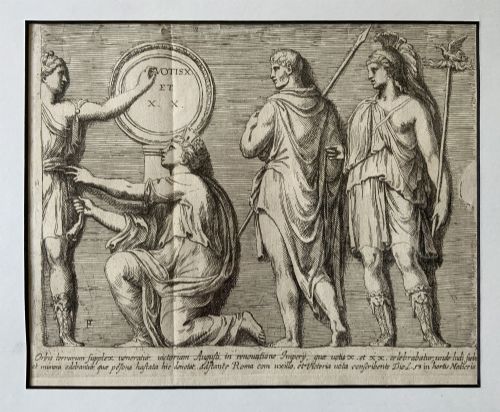
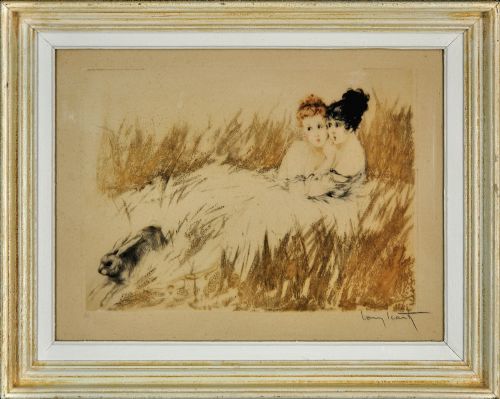
When you search for a cream paper etching print, you encounter a diverse range of works spanning the eighteenth century through to the mid-twentieth century, encompassing genres like architectural records, botanical studies, ballet dancers, polo scenes, and figurative works.
The versions you are most likely to meet on this page include eighteenth-century architectural engravings from the antiquities of Athens, nineteenth-century natural history botanicals with insects, and twentieth-century French art deco etchings or modernist works.
These items function primarily as wall art, antique prints, and fine art prints, often presented framed behind glass on paper surfaces.
Materials and construction methods
The pieces rely on paper supports, frequently featuring cream tones, combined with ink for the primary printed lines and occasionally watercolour ink for hand colouring.
Framed examples integrate wood and glass to protect the delicate paper and ink surfaces from environmental damage while allowing clear display.
Listings feature paper supports combined with ink, watercolour ink, wood, and glass across 18th century, 19th century, and 20th century eras.
Distinctions in craftsmanship and condition
Quality varies according to the precision of the engraving lines and the sensitivity of any applied hand colouring, separating standard decorative sheets from works by accomplished artists and engravers.
The integrity of the paper support and the clarity of the printed image determine the overall visual impact of the piece.
Louis Icart·Anne Goldthwaite·John Merrifield·Thomas Rowlandson·John Curtis·Albert Terry·James Basire
The Cream Paper Etching Print Glossary
- Etching
- A printmaking process where lines are incised into a metal plate with acid before being inked and transferred to paper. This technique allows for fine detail and varied line weight.
- Engraving
- A method of cutting design lines directly into a plate using a sharp tool called a burin. The resulting prints exhibit crisp definition.
- Hand colouring
- The manual application of watercolour ink to a finished print to add hue and emphasis. This process makes each coloured sheet unique.
- Neoclassical
- A style drawing inspiration from the classical art and culture of ancient Greece and Rome. It often appears in architectural subjects and antiquities.
Cream Paper Etching Print: Frequently Asked Questions
How should I frame a delicate print?
Protect the paper and ink by using conservation-grade mounting materials and framing the work behind glass to shield it from dust and direct sunlight.
Keep the framed piece away from areas of high humidity to prevent the paper from warping or developing foxing spots over time.
What periods do these artworks cover?
The selections span multiple eras, including eighteenth-century architectural plates, nineteenth-century natural history studies, and twentieth-century modernist compositions.
Each period utilises distinct aesthetic approaches, ranging from neoclassical restraint to art deco styling.
Are these works coloured by hand?
Certain examples feature intentional watercolour ink additions applied by hand over the printed lines to enhance specific botanical or figurative details.
Other works rely entirely on monochrome ink to define the subject matter.
How do I identify an engraving from an etching?
Engravings typically display sharp, precise lines cut directly into the plate, while etchings often feature softer, more fluid lines created by acid biting into the metal.
Both techniques result in distinct textures visible upon close inspection of the paper surface.