
Original Modern British Art
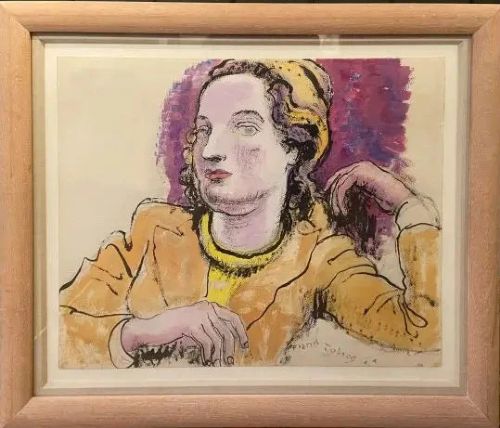
Original modern british art encompasses oil paintings, watercolours and works on paper capturing landscapes, portraits and still lifes from the early to mid twentieth century.
Original Modern British Art
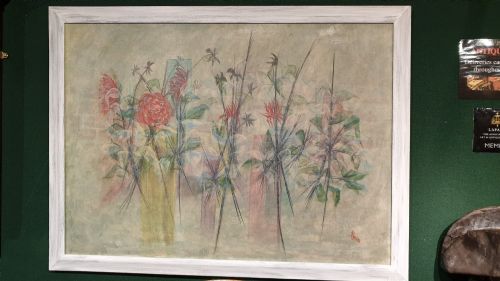
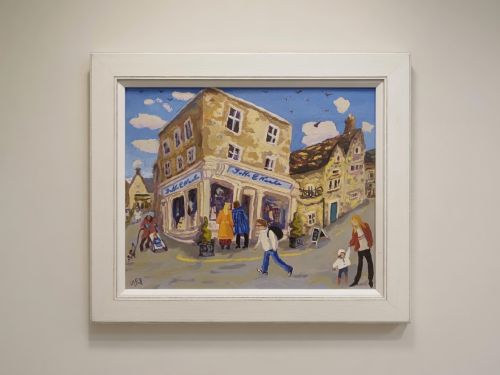
Original modern british art bridges the gap between traditional nineteenth century academic representation and twentieth century experimentation. The works on this page span from the 1910s through to the 1960s, encompassing styles such as modern british impressionism, mid-century modern and early twentieth century realism.
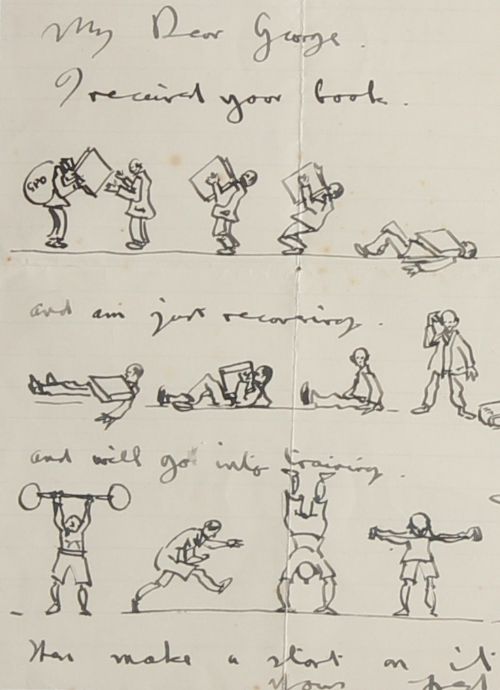
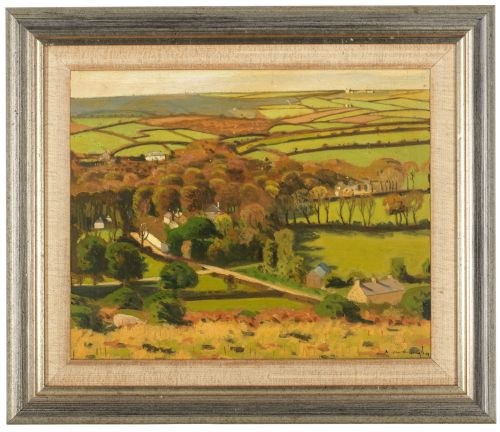
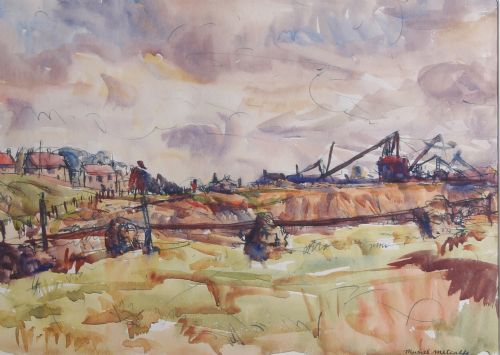
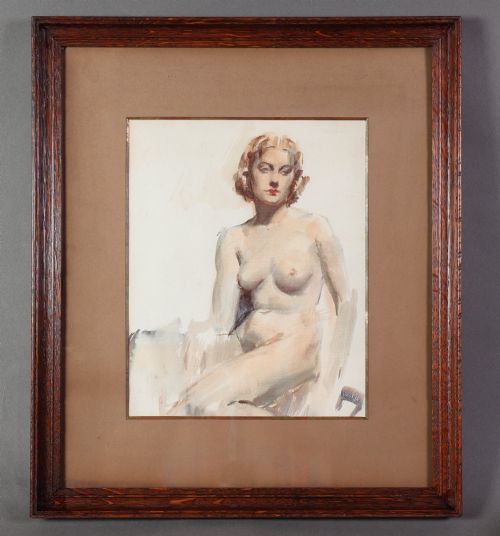
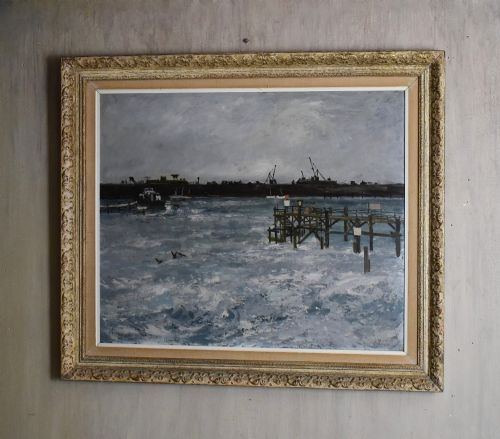
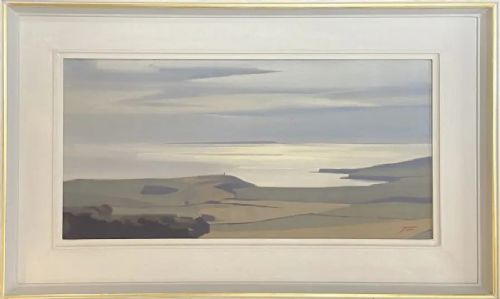
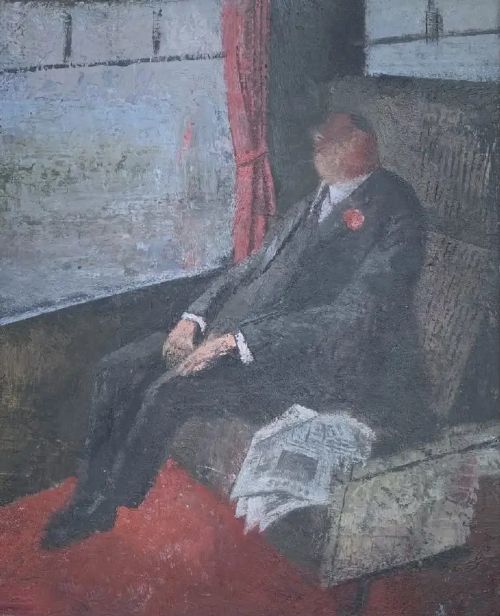
Buyers encounter a diverse array of subjects ranging from Cornish coastal scenes and Welsh valley landscapes to industrial constructivist factory views and intimate portraiture. Common formats include framed oil paintings on canvas or board alongside delicate watercolours and ink drawings on paper.
Many pieces reflect distinct regional movements, particularly the St Ives school and various provincial artistic circles operating across England and Wales. These works document a period of significant social and aesthetic change through individual artistic vision.
How They Were Made
Artists utilised traditional painting and drawing supports, applying oil paint to stretched canvas, wooden panels and thick card, or working with watercolour and ink upon paper. Impasto techniques appear alongside thin, fluid washes depending on the chosen period and movement.
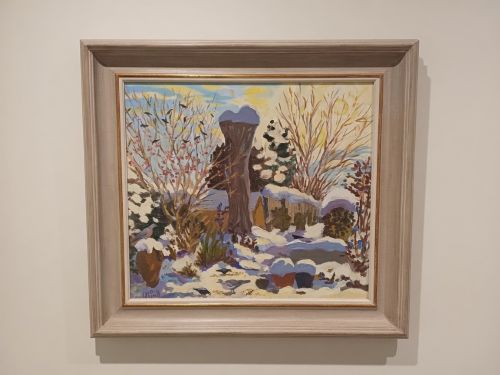
Framing forms an integral part of how these works survive, with many retained in period frames that complement the aesthetic of the mid-century canvas or watercolour within.
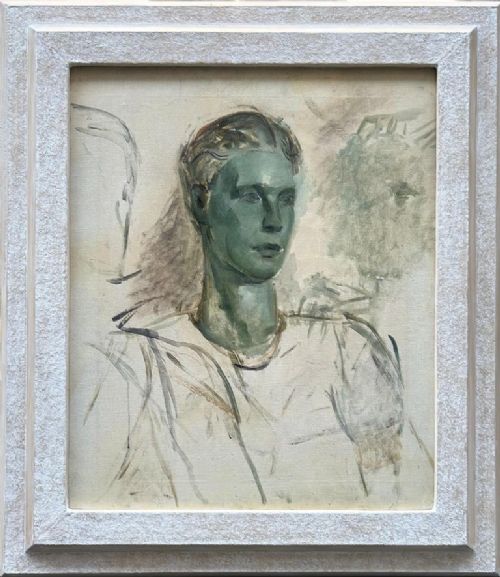
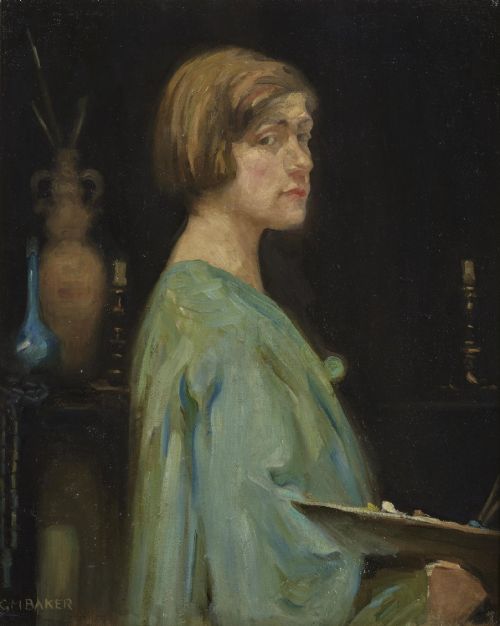
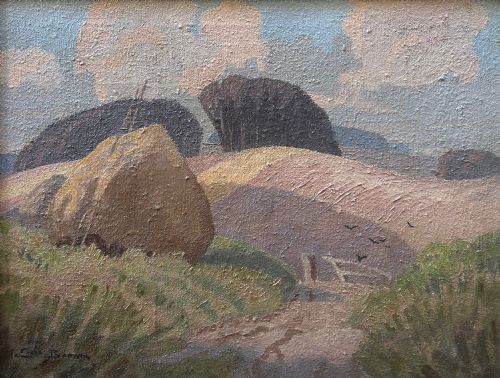
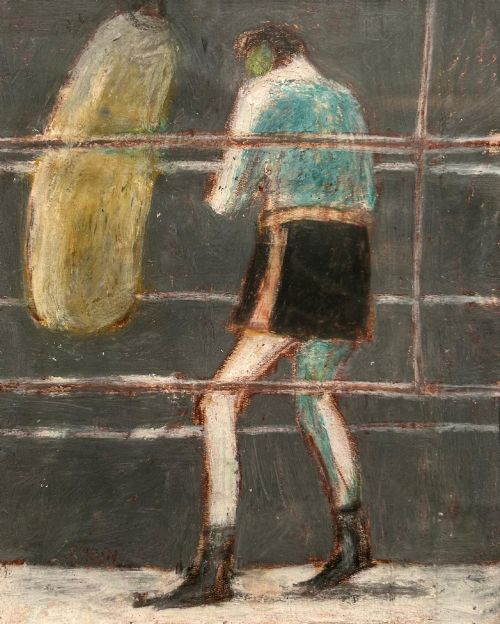
Subjects represented across the selection include coastal views, pastoral landscapes, industrial scenes and intimate artist self-portraits.
What Varies In Quality
The distinction between ordinary and exceptional works rests upon the confidence of the brushwork and the clarity of the composition. Stronger pieces display a deliberate command of colour and light that captures the atmosphere of the subject rather than merely recording it.
Provenance and documentation influence the standing of a piece, particularly when works can be attributed to named regional artists or connected to recognised modernist groupings. Condition also plays a role, with well-preserved surfaces retaining the original vibrancy of the pigment.
Fred Lawson·Robert Morson Hughes·Muriel Metcalfe·Peter Brannan·Frank Dobson·James Fry·James Stroudley·Gladys Marguerite Baker·Eric Brown·Samuel Rabin·Peter Newcombe·Donald McIntyre·Stuart Walton·Ronald Ossory Dunlop·Hubert Wellington·Joan Gillchrest·Dame Elisabeth Frink·Denis Mitchell·James Tower·Helen Layfield Bradley·Henry Charles Fox·Hazel M Barnett·Septimus Scott·Edward Seago·John Merrifield
The Original Modern British Art Glossary
- Impasto
- Paint applied thickly to a canvas or panel, standing visibly above the surface so that the marks of the brush or palette knife remain apparent. This technique adds tactile depth and catches light across the composition.
- Board
- A rigid flat substrate used as an alternative to stretched canvas, commonly utilised by twentieth-century painters working outdoors or on smaller studies.
- Provenance
- The documented history of ownership surrounding an artwork, which helps establish authenticity and historical context.
- Triptych
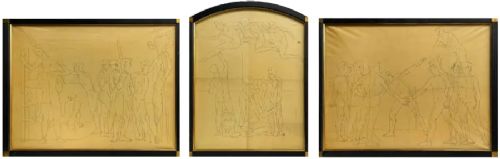
- A work of art divided into three sections or panels, hinged or displayed together as a single unified composition.
- St Ives School
- An association of artists based in Cornwall who drew inspiration from the coastal light and landscape, developing notable strands of British abstraction and landscape painting.
Original Modern British Art: Frequently Asked Questions
What defines modern british art?
Modern british art covers creative output produced during the first six decades of the twentieth century. It reflects a departure from strict academic realism towards more personal and experimental interpretations of landscape, portraiture and still life.
Works from this era often incorporate impressionist or early modernist tendencies while retaining a strong connection to British subjects and locations.
How should I care for oil paintings on board?
Oil paintings on wooden board require stable indoor humidity and temperature levels to prevent the support from warping or the paint surface from cracking. Keep them away from direct sunlight and heat sources.
Dust the surface gently with a soft, dry brush and avoid using water or chemical cleaning agents on the paint.
Are watercolours on paper fragile?
Watercolours on paper are sensitive to ultraviolet light, which can cause pigments to fade over extended periods. Framing under glass with acid-free mounts helps protect the paper from environmental damage.
Display these pieces away from direct sunlight in rooms with consistent atmospheric conditions.
How do I identify a mid-century painting?
Mid-century paintings often feature characteristic palettes, brushwork and subjects from the 1930s through to the 1960s. Examining the framing, stretcher bars and materials can also provide clues to the age of the piece.
Signatures, dates written on the reverse and artist biographies further help narrow down the period of creation.