



Paper Figurative Print
These paper figurative print examples capture human form and character across centuries, offering collectors striking visual narrative and intimate portraiture.
Paper Figurative Print
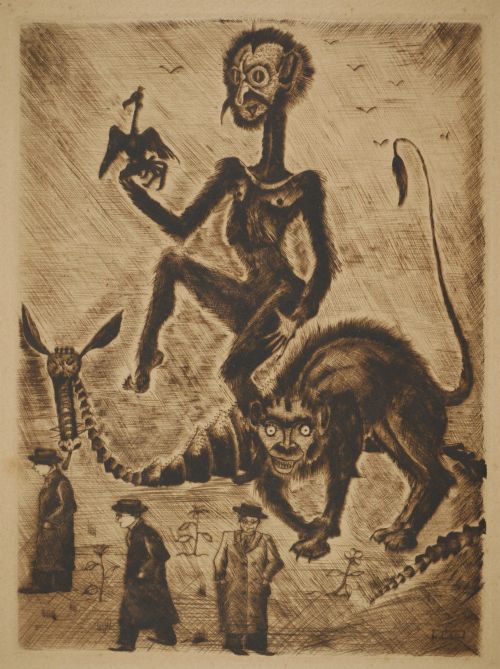
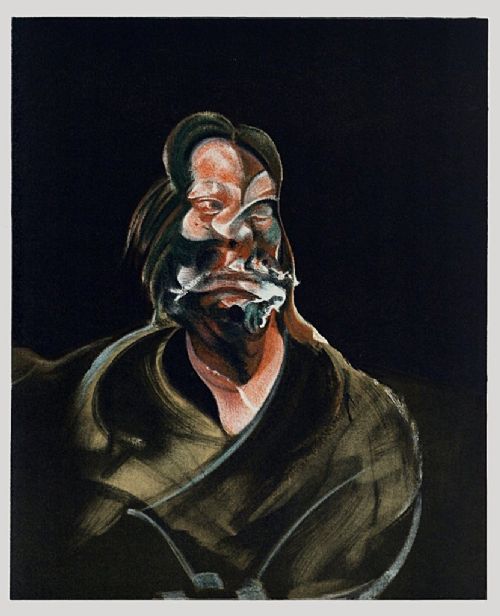
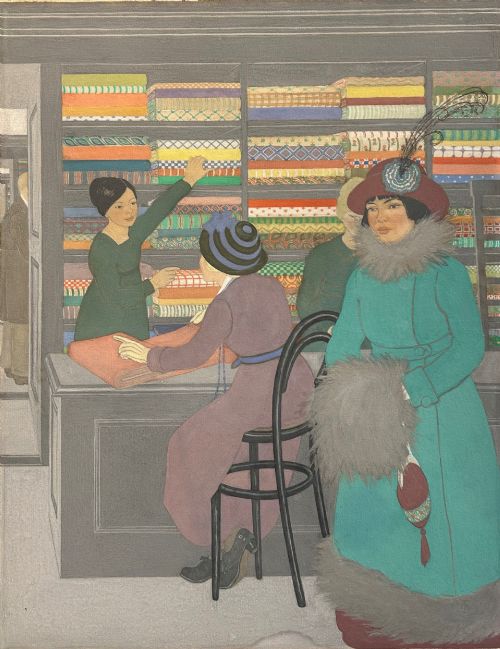
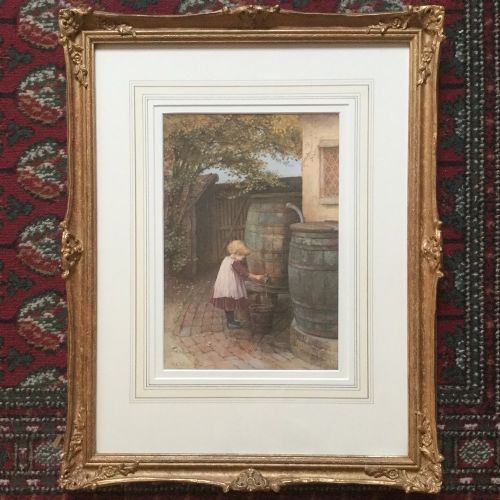
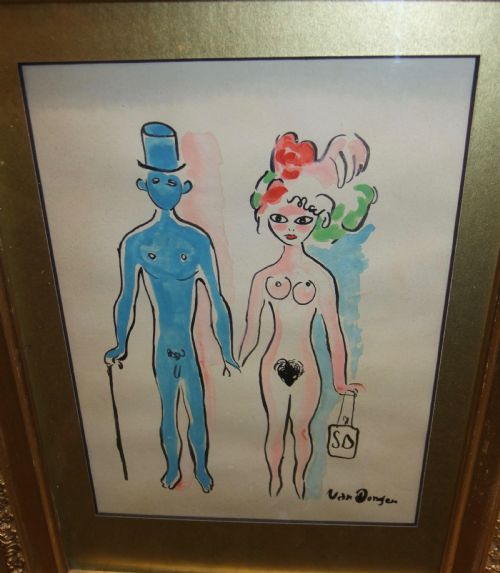
A paper figurative print encompasses works on paper that portray people, from traditional Victorian genre art to mid-century modernism and surrealism. When you search for paper figurative print, you encounter subjects ranging from ballet dancers and portraits to nudes and theatrical scenes.
The selections span numerous eras including the seventeenth century, Victorian period, and twentieth-century movements like art deco and surrealism. You find these works presented in various formats such as framed prints, etchings, lithographs, and woodblock prints.
The nineteenth century and the decades around the nineteen-thirties are particularly well represented among these listings. Each piece brings a distinct historical perspective on the human figure, rendered through diverse artistic interpretations.
Materials and methods
Makers utilised paper and card as the primary support for ink, watercolour, and pastel media. Printing techniques involve lithography, etching, mezzotint, and woodblock methods, reflecting the technological capabilities of their respective periods.
Framing materials commonly include wood, gesso, and gilt wood combined with glass to protect the delicate paper surfaces. These protective enclosures range from simple wooden surrounds to ornate gilded frames that complement the style of the artwork.
Sleeping companions and parading nudes rub shoulders with solemn Victorian portraits, proving historical art audiences enjoyed a varied guest list.
Factors of quality and execution
Quality rests in the precision of the printed line, the richness of the ink or watercolour application, and the preservation of the paper substrate. Stronger pieces display confident draftsmanship and clear tonal graduation that bring the human subject to life.
The integrity of the framing materials and the protection afforded by the glass contribute significantly to the overall presentation. Superior examples maintain the original harmony between the printed work and its period frame.
Kurt Lorein Victor Peiser·Francis Bacon·Charles Edward Wilson·Edward Stodart·John Merrifield·Kunisada·Pablo Picasso·Louis Icart·Kees van Dongen·Sonia Lawson
The Paper Figurative Print Glossary
- Lithography
- A planographic printing method using a stone or metal plate on which the image area is created to retain ink and repel water. This technique allows for delicate tonal variations and expressive line work.
- Etching
- A printmaking process where lines are incised into a metal plate with acid before ink is applied and transferred to paper. It produces fine, sharp details favoured by portrait and figurative artists.
- Mezzotint
- A tonal printmaking method of the intaglio family where the plate is roughened to achieve deep blacks and subtle gradations of light. It creates velvety textures particularly suited to romantic and theatrical subjects.
- Woodblock
- A relief printing technique where an image is carved into a block of wood, leaving the printing parts prominent. Japanese ukiyo-e works rely heavily on this traditional method.
- Gesso
- A plaster-like mixture applied to wood frames as a base for painting or gilding. It provides a smooth surface that enhances decorative framing details.
Paper Figurative Print: Frequently Asked Questions
How do I care for a paper figurative print?
Keep works on paper away from direct sunlight to prevent fading of inks and discoloration of the paper support. Maintaining stable humidity levels protects both the artwork and its historical frame.
Ensure that the glass does not touch the surface of the print to avoid moisture trapping and adhesion. Professional framing using acid-free materials preserves the longevity of these pieces.
What periods do these prints cover?
The available selection spans from seventeenth-century impressions through the Victorian era to twentieth-century modernism and surrealism. Each period utilises distinct printing techniques and stylistic approaches to the human form.
Twentieth-century examples frequently showcase modernist and art deco sensibilities, while earlier items reflect traditional etching and mezzotint practices.
Are these works usually framed?
Many examples come preserved in period wood, gesso, or gilt wood frames complete with glass protection. The framing often reflects the aesthetic of the era in which the print was created.
Some pieces are offered as loose prints or fine art sheets, allowing collectors to select bespoke framing that suits their interior display preferences.
How are different print techniques identified?
Examination under magnification reveals the telltale signs of etching lines, lithographic dot patterns, or the grain of woodblock printing. Each medium leaves a distinct physical impression on the paper surface.
Signatures, publisher marks, and paper watermarks further help identify the specific printmaking process and historical origin of the artwork.