


French Expressionist Oil Painting
A French expressionist oil painting brings raw emotion and bold brushwork to your walls, capturing twentieth-century scenes from Parisian streets to Mediterranean coastlines.
French Expressionist Oil Painting
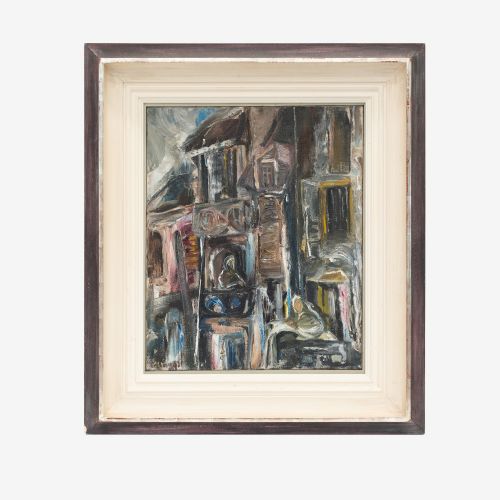
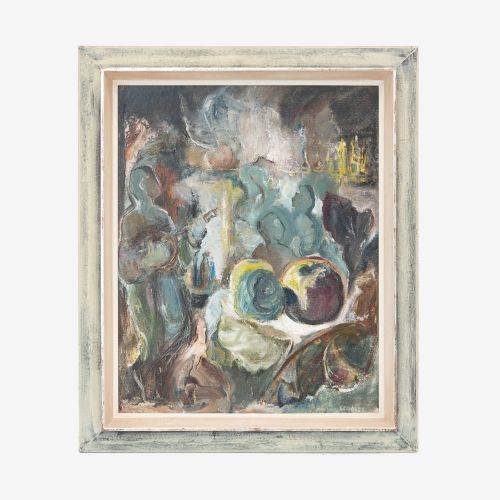
When you search for a french expressionist oil painting, you encounter works spanning the decades from the nineteen-twenties through to the nineteen-sixties. The pieces on this page include dynamic horse racing scenes, intimate female nudes, vibrant village landscapes, and atmospheric Parisian cityscapes. Most examples you meet here are oil on canvas or oil on board, reflecting the dominant mediums of mid-century European modernism.
The aesthetic bridges several movements, drawing on fauve colour palettes, post-impressionist brushwork, and mid-century modernist abstraction. You find works depicting both tranquil moments, such as picnics by boating lakes, and harsher climates in rugged landscapes. These paintings record the vision of artists working within French expressionism and its related avant-garde circles during periods of social and artistic transformation.
How they were made
Artists painted primarily with oil paint on stretched canvas or wooden board, occasionally utilising paper supports for intimate compositions. The technique relies on thick, expressive brushstrokes and vigorous application of pigment rather than smooth academic blending. Painters built texture directly onto the surface, creating visible relief that catches the light and emphasises the physicality of the medium.
Gilt frames frequently accompany these works, providing a traditional contrast to the modernist energy within the canvas. The materials reflect standard atelier practices of twentieth-century European studios, where rich oil binders preserved intense pigments over decades.
Represented periods stretch from the nineteen-twenties through to the nineteen-sixties, capturing decades of modernist exploration.
What varies in quality
Quality rests upon the confidence of the brushwork and the clarity of the composition, separating masterworks from routine studio output. A top-tier painting demonstrates assured mark-making where every stroke contributes to the emotional weight and structural rhythm of the scene. The handling of paint itself reveals the artist's command over colour harmony, depth, and the illusion of movement.
Provenance and documentation also distinguish exceptional pieces, particularly when works carry established gallery histories or notable exhibition records. The strength of the narrative within the canvas, whether a complex cityscape or a sensitive portrait, dictates its enduring artistic resonance.
Lilian Colbourn·Gaetan Dumas·Gabriel Dauchot·Mercedes Legrand·Jean Hippolyte Marchand·Pinchus Krémègne·ANDRE DELFAU·Pierre Peltier
The French Expressionist Oil Painting Glossary
- Canvas
- A heavy woven fabric stretched across a wooden frame to serve as a primary support for oil painting. It provides a flexible yet durable surface that accepts textured brushwork.
- Fauvism
- An early twentieth-century style characterised by wild, expressive uses of unnatural colour and vigorous brushwork. Artists working in this manner prioritized painterly qualities over realistic representation.
- Chiaroscuro
- The strong contrast between light and dark within a composition, used to create volume and dramatic emotional intensity. This technique defines forms against shadowed backgrounds.
- Provenance
- The documented history of ownership and exhibition for an artwork, establishing its authenticity and pedigree. A strong paper trail confirms the journey of a painting through time.
- Avant-garde
- Artworks that are experimental, radical, or innovative, pushing the boundaries of traditional aesthetic norms. These pieces often challenge contemporary conventions of form and subject.
French Expressionist Oil Painting: Frequently Asked Questions
What defines a french expressionist oil painting?
These works are defined by expressive brushwork, non-naturalistic use of colour, and an emphasis on subjective emotion over strict realism. Artists captured the psychological weight of their subjects, from Parisian street scenes to intimate nudes.
The style emerged strongly in the early twentieth century and evolved through the nineteen-fifties and sixties, incorporating elements of fauvism and mid-century modernism.
How should I hang a mid-century oil painting?
Display these works away from direct sunlight and fluctuating heat sources to protect the oil paint and canvas over time. Ensure the wall structure securely supports the weight of the stretched canvas and its frame.
Position the painting at eye level where adequate ambient light can illuminate the textured brushstrokes and rich pigment layers.
How can I tell the period of a canvas?
Dating relies on stylistic clues, stretcher construction, canvas types, and any inscribed signatures or dates on the reverse. Mid-century works often feature characteristic modernist abstraction or fauve colour application.
Examine the framing materials and labels on the back of the board or canvas for clues regarding exhibition history and approximate decade.
Where were these artists working?
The creators of these paintings worked primarily in France, centring around artistic hubs in Paris and regional landscapes like Provence and Brittany. Many foreign artists travelled to France to participate in the vibrant avant-garde movements.
Their subjects frequently document French daily life, cafes, coastal towns, and urban architecture during the mid-twentieth century.