


French Figurative Oil Painting
When you search for french figurative oil painting, you find works centring on people, from intimate domestic interiors to grand historical and mythological scenes.
French Figurative Oil Painting
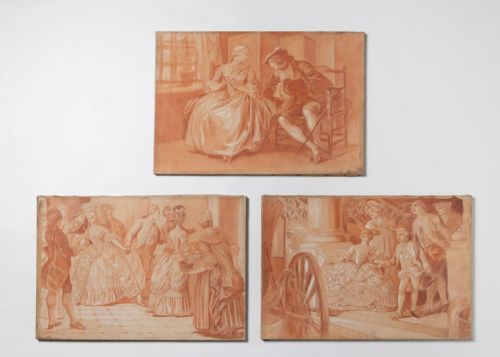
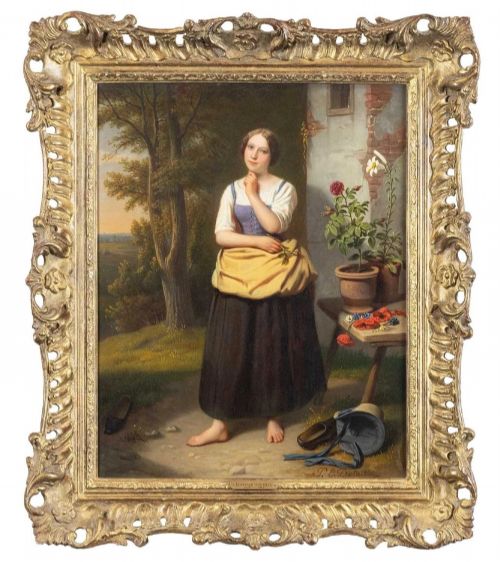
A french figurative oil painting captures human subjects within domestic settings, landscapes, or staged historical narratives. These works range from 18th-century compositions on copper and canvas to mid-century expressionist and post-impressionist canvases.
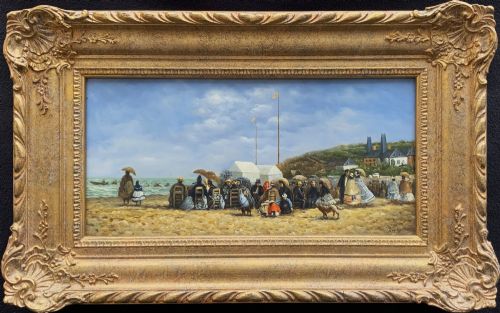
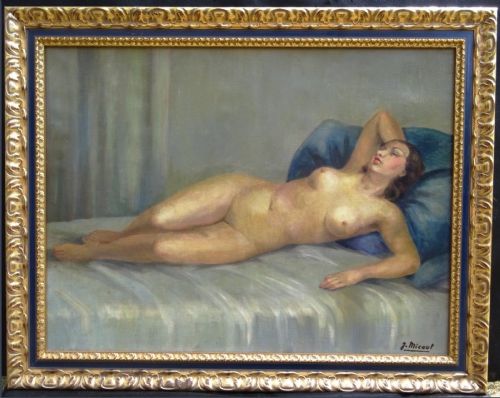
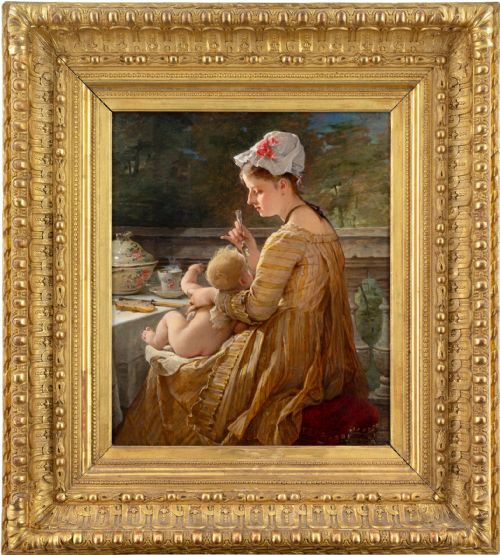
The most common examples encountered here date from the 19th century through the mid-20th century, encompassing academic portraits, Art Deco nudes, and intimate genre scenes. Figures appear singly or in groups, engaged in activities such as tea hours, seaside gatherings, and quiet domestic moments.
Works originate from various stylistic movements including Rococo revivals, Impressionism, Post-Impressionism, and avant-garde idioms. The primary focus remains the human form and character, whether depicted in a Versailles interior or a Montparnasse studio.
Materials and technique
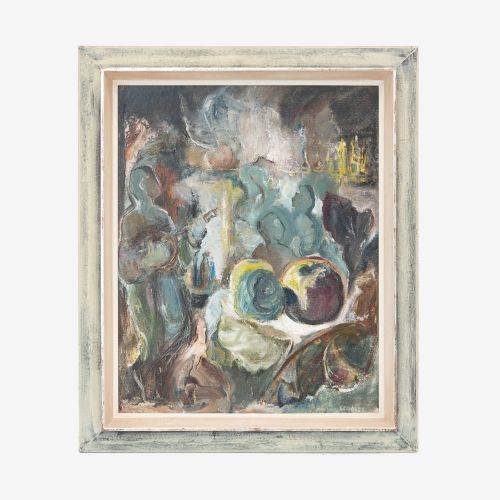
Artists painted primarily using oil paint on stretched canvas, wood panels, copper, and board. The handling of the medium shifts from the smooth, blended glazes of the academic and Rococo traditions to the visible, expressive brushstrokes of later post-impressionist and modernist works.
Support structures frequently retain original framing, often incorporating giltwood and gesso mouldings that complement the period aesthetic. Application techniques vary from fine chiaroscuro shading to thick, textured impasto in mid-century pieces.
The selection includes academic portraits, post-impressionist gatherings, and Art Deco nudes created by French and European artists.
Distinguishing quality
Quality depends upon the artist's mastery of anatomy, light, and composition, alongside the expressiveness of the brushwork. Works by recognised academic masters or documented avant-garde painters display superior draughtsmanship and psychological depth in portraiture.
The integrity of the physical support and the preservation of the original pigment layer significantly influence the standing of a piece. Finer examples retain their original surface tension on canvas or panel without extensive overpainting.
Adelaïde Salles Wagner·Charles Zacharie Landelle·Raymond Moritz·Henri Vincent Anglade·Antoine Calbet·Gabriel Dauchot·Jean Hippolyte Marchand·Albert Guillaume·Pinchus Kremegne·Yo Mayer·Christian Caillard·Edmund Alphonse Andre·James Bertrand·Albert de Belleroche·Frederick Bartman·Adolphe Alexandre Lesrel·Michel Katzaroff
The French Figurative Oil Painting Glossary
- Figurative art
- Art that derives its imagery from real-world objects and specifically human subjects. This contrasts with abstract art by maintaining recognizable forms such as portraits and interior scenes.
- Impasto
- Paint applied thickly to a canvas or panel, standing out in relief from the surface. This technique adds tactile dimension and captures light across the brushstrokes.
- Chiaroscuro
- The strong contrast between light and dark, used to give a sense of volume to figures and objects. Painters employ this method to create dramatic depth within interior and portrait settings.
- Genre painting
- The pictorial representation of scenes from everyday life, such as domestic interiors and market gatherings. These works depict ordinary people engaged in common activities rather than grand historical events.
- Provenance
- The chronology of the ownership of a work of art. Documented provenance establishes authenticity and traces the history of the piece through collections.
French Figurative Oil Painting: Frequently Asked Questions
What defines a French figurative painting?
These works place human subjects at the centre of the composition, recording everything from formal portraits to casual moments in domestic interiors. The style spans centuries of French artistic development, reflecting changing approaches to portraiture and genre scenes.
Subjects range from classical mythological figures and courtiers to modern nudes and bathers. The execution follows the prevailing aesthetic of its period, moving from academic precision to expressive modernism.
How do I care for an antique oil painting?
Protect the canvas or panel from direct sunlight and stable environmental humidity to prevent the oil paint from cracking or fading. Dust the surface gently with a soft, dry brush without applying pressure to the pigment layer.
Avoid using liquid cleaners on the paint or the giltwood frame. Professional conservation should be consulted if the canvas requires cleaning or structural stabilization.
How can I tell the period of the artwork?
Examine the materials of the support, such as the weave of the canvas, the type of wood panel, or the use of copper. Frame styles, stretcher bars, and old labels on the reverse often provide clues to the exact era.
Pictorial style, costume details, and hair styling of the human subjects also offer strong chronological indicators for dating the composition.
Where were these paintings displayed originally?
Earlier academic and Rococo works hung in salons, country houses, and official state rooms across France. Later modernist and post-impressionist pieces often came from urban studios and bohemian apartments in Paris.
Many paintings served as private commissions for domestic interiors, while others were created for public exhibition in historical salons.