





Seated Female Nude Artwork
These seated female nude artwork pieces capture the human form through oil paint, graphite, and pastel across periods from the Edwardian era to the mid-twentieth century.
Seated Female Nude Artwork
A seated female nude artwork represents the human figure using oil on canvas, graphite on paper, or pastel, originating from diverse artistic traditions. Buyers seeking these works encounter pieces executed in styles ranging from Edwardian academic realism to mid-century expressionism and modern British figurative art.
How they were made
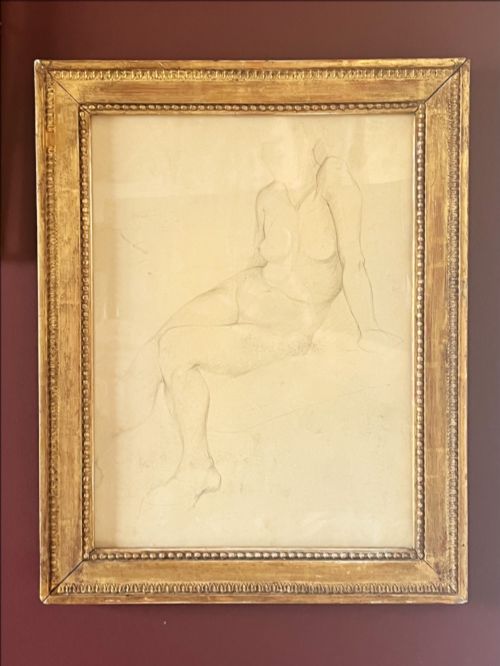
Artists utilised traditional media such as oil paint applied to canvas or board, graphite on paper, and pastel to capture the seated female form. Support materials include timber frames, gilt wood surrounds, and glass panes protecting delicate works on paper.
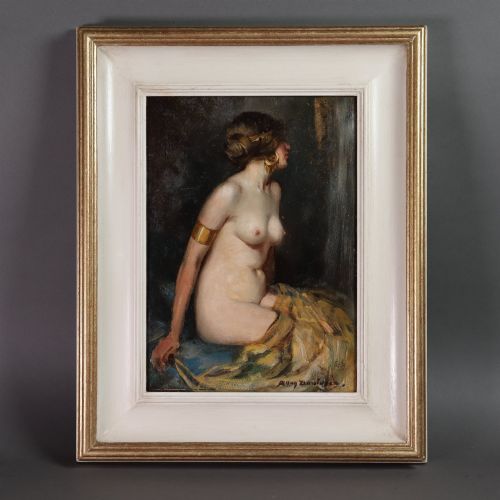
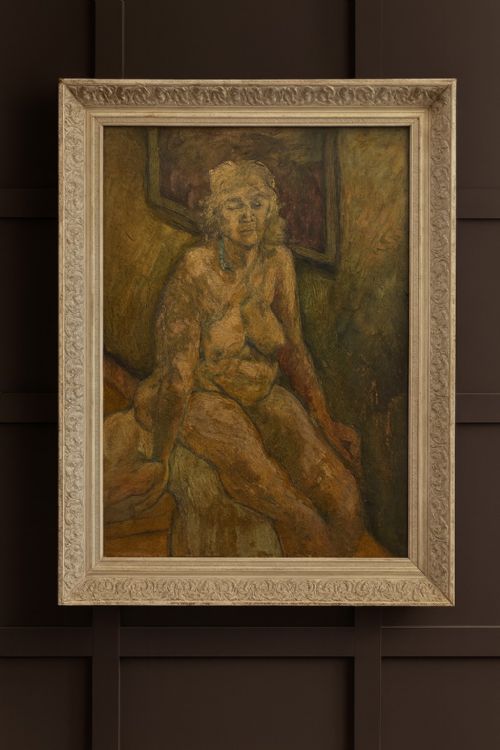
Techniques range from the careful precision of academic realism to the looser brushwork of expressionism and impressionist-influenced studies. These methods reflect the working practices of British and French artists operating during the early to mid-twentieth century.
Several models sat so long their poses entered twentieth-century art history.
What varies in quality
Quality in a seated female nude artwork rests upon the sureness of the line and the handling of tone and form. A skilled draughtsman or painter captures anatomical structure and posture with economy and precision, whereas lesser examples lose proportion or flatten the figure.
The integration of the subject within its medium distinguishes finer works, whether through confident oil application or expressive graphite marks. Original framing and the condition of the surface further delineate superior pieces from ordinary student studies.
Augustus John·Allan Douglas Davidson·Peter Jackson·Pinchus Krémègne·Raymond Arthur Roadnight
The Seated Female Nude Artwork Glossary
- Academic Realism
- A style of painting and drawing based on the rigorous standards of European academies, prioritising accurate anatomy and finished surfaces. It underpins many Edwardian and early twentieth-century life studies.
- Graphite
- A form of carbon used in pencils to create monochrome drawings on paper. It allows for subtle tonal gradations and precise linear work.
- Impressionism
- A nineteenth and early twentieth-century movement focused on capturing light and momentary visual effects with loose brushwork. Traces of this approach appear in later French academic figures.
- Mid-Century Expressionism
- An artistic movement from the middle decades of the twentieth century prioritising emotional intensity over literal representation. Works in this style employ vigorous application of paint.
Seated Female Nude Artwork: Frequently Asked Questions
What periods do these artworks cover?
The pieces span from the Edwardian period through the 1920s, 1930s, 1950s, and 1960s. This timeframe includes Art Deco and mid-century modern movements.
Represented styles move from academic realism to impressionist influences and mid-century expressionism.
What materials were used?
Common materials include oil paint on canvas or board, graphite on paper, and pastel. Works frequently feature timber or gilt wood frames.
Protected pieces often incorporate glass coverings over delicate paper drawings.
How should I display them?
Display these framed works on interior walls away from direct sunlight to protect pigments and paper from fading. Ensure hanging hardware matches the weight of the frame.
Pairing oil paintings and drawings with complementary wall spaces enhances their tonal qualities.
How do I distinguish academic styles?
Academic realism focuses on precise anatomical accuracy and detailed finish, reflecting traditional training. Expressionist and modern British works prioritize gestural marks and emotional resonance.
Brushwork and line quality clearly separate structured academic studies from looser mid-century pieces.