




Expressionist Figure Study
An expressionist figure study captures the human form through intense emotion and bold line, offering collectors a striking glimpse into twentieth-century artistic experimentation.
Expressionist Figure Study
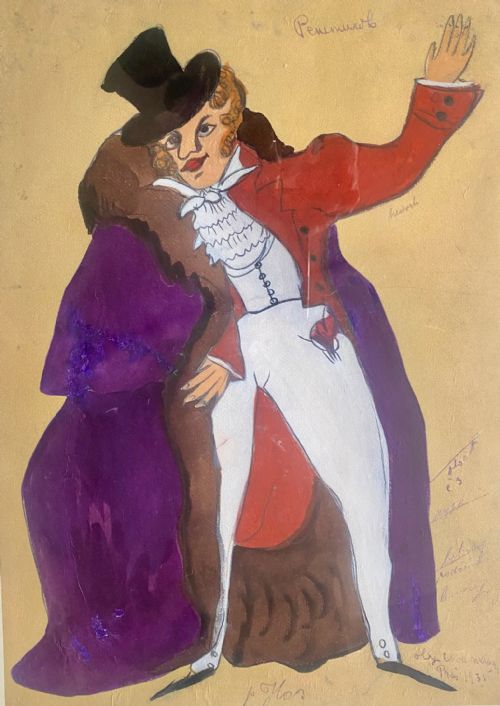
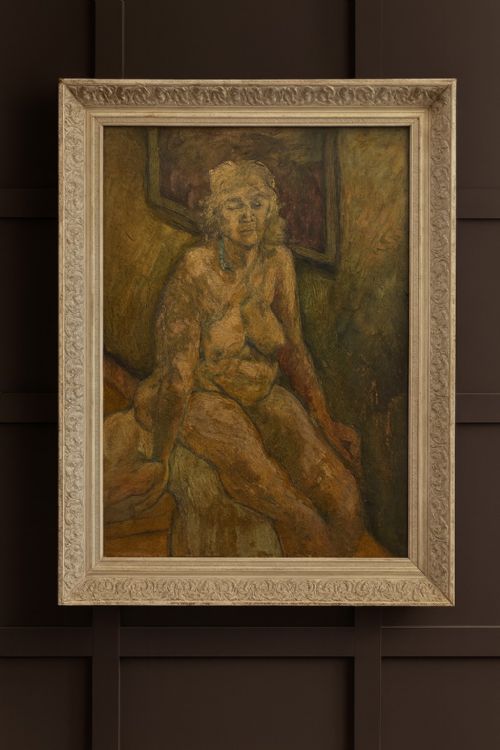
An expressionist figure study captures the human form through the lens of twentieth-century modernism, avant-garde surrealism, and mid-century expressionism. These artworks primarily depict nudes, women, and intimate scenes using dynamic gestures rather than strict academic realism.
Buyers browsing an expressionist figure study will most frequently encounter works dating from the 1920s through the 1960s. These pieces include framed canvas paintings, oil paintings on board, and delicate drawings on paper.
The subjects range from reclining nudes and seated figures to expressive portraits and coastal scenes with figures. French and British artistic influences are prominent among the selections available on this page.
Materials and Techniques
Artists working within this tradition rely on oil paint applied to canvas, paper, or board to create tactile depth and rich surface texture. Ink and gouache are also utilised for sharper line work and vibrant colour application on paper supports.
The physical construction of these pieces often involves oil paint laid directly onto canvas or layered onto board for structural stability. Framing under glass is common for works on paper to protect delicate ink and gouache mediums.
Cats occasionally sneak into mid-century artist studios, resulting in reclining nudes thoughtfully accompanied by watchful felines.
Judging Quality and Execution
Quality in these works rests upon the confidence of the brushwork and the strength of the compositional lines. A successful piece demonstrates deliberate control over distortion, where anatomy is shaped by emotional resonance rather than a lack of skill.
The interplay of light and shadow, such as stark chiaroscuro contrasts, elevates the visual impact of the composition. Superior examples maintain a cohesive energy across the entire surface, whether executed in oil on canvas or ink on paper.
Peter Jackson·Yetta Kane·Raymond Arthur Roadnight·Markey Robinson·Olga Choumansky
The Expressionist Figure Study Glossary
- Chiaroscuro
- Strong contrast between light and dark to give a sense of volume to modelling three-dimensional objects and figures. This technique heightens the dramatic tension within expressionist compositions.
- Gouache
- An opaque water-based paint that dries to a matte finish, offering rich colour saturation. It is frequently applied to paper in avant-garde and surrealist works.
- Board
- A rigid flat substrate used instead of canvas for oil paintings. Artists sometimes lay canvas directly onto board for added durability.
- Fauve
- A style characterised by strong colours and painterly qualities rather than realistic or representational values. This approach influences the bold palette seen in early twentieth-century figure studies.
- Mid-Century
- Pertaining to the design and art produced roughly between the nineteen-forties and nineteen-sixties. This era embraces modernist abstraction and expressive figuration.
Expressionist Figure Study: Frequently Asked Questions
What defines an expressionist figure study?
These works focus on human subjects through an expressive lens, prioritising emotional intensity and bold brushwork over strict realism. Artists distort forms and use vivid palettes to convey psychological depth rather than photographic accuracy.
The inventory includes pieces spanning several decades of the twentieth century, created across Britain and France using oil, ink, gouache, and canvas supports.
How do I care for works on paper?
Works executed on paper or board require protection from direct sunlight to prevent fading of ink and gouache pigments. Framing behind glass with acid-free mounts ensures the delicate paper remains stable over time.
Keep these pieces in environments with stable humidity levels to avoid warping the paper or degrading the integrity of the drawing materials.
How can I tell the period of a piece?
Dating relies on stylistic markers such as modernist abstraction, avant-garde surrealism, and mid-century expressionist tendencies, alongside framing materials and artist signatures. Works from the nineteen-twenties often exhibit fauve colour palettes or art deco influences.
Mid-century examples from the nineteen-fifties and sixties show looser brushwork and varied application methods, such as oil on canvas laid onto board.
Where were these artworks produced?
The pieces originate primarily from British and French artistic circles active during the twentieth century. Artists working in these regions participated in broader European modernist and expressionist movements.
Regional styles emerge through distinct approaches to portraiture, figure placement, and the handling of oil paint and ink.