
Post Impressionist Canvas Art
Post impressionist canvas art brings the bold brushwork, vibrant palettes and observational freedom of early twentieth-century modernism directly into domestic interiors.
Post Impressionist Canvas Art
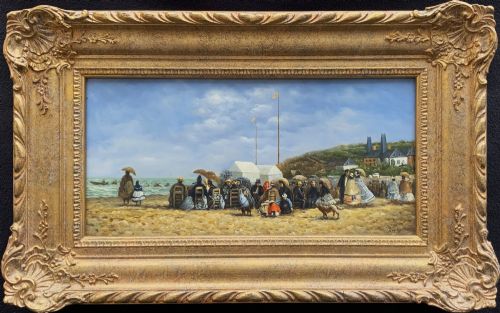
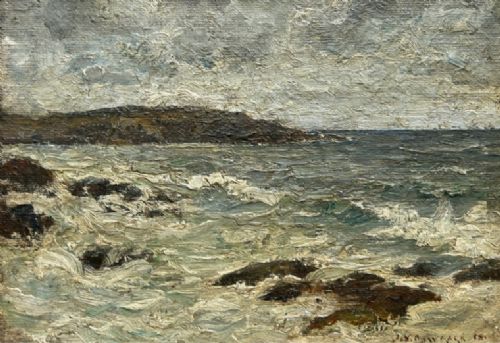
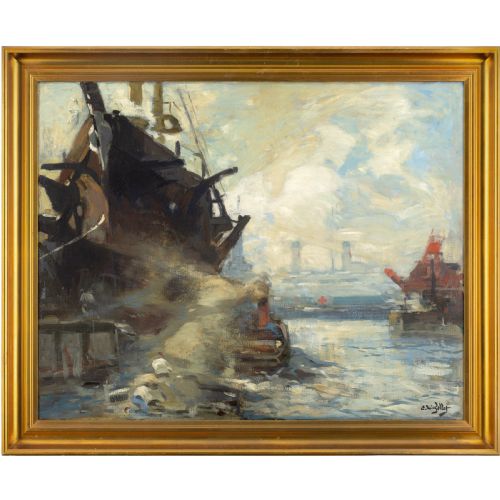
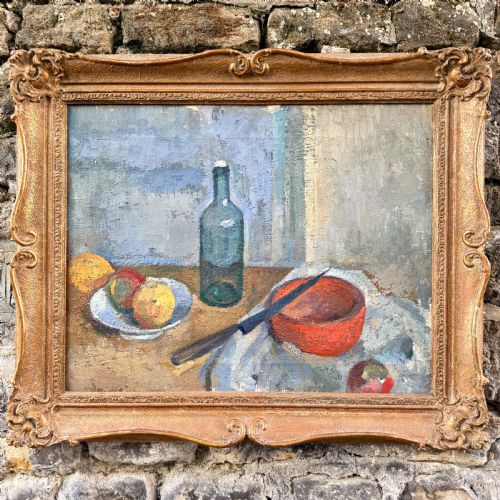
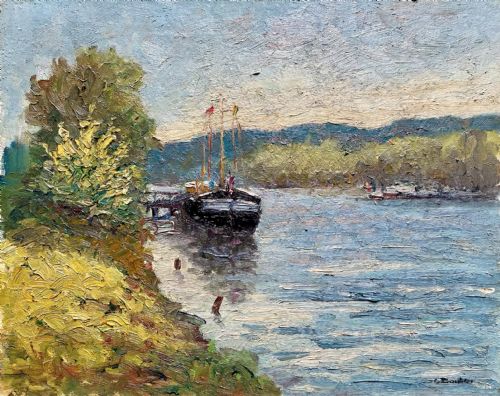
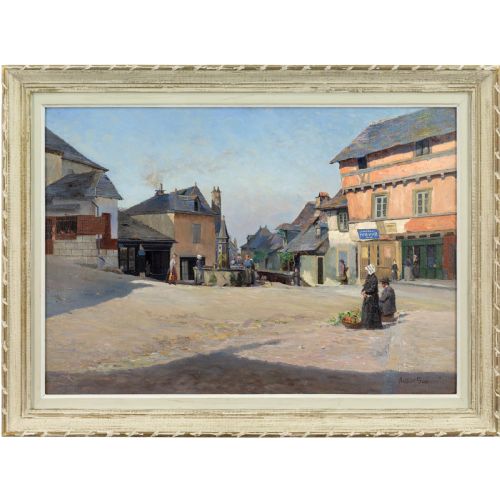
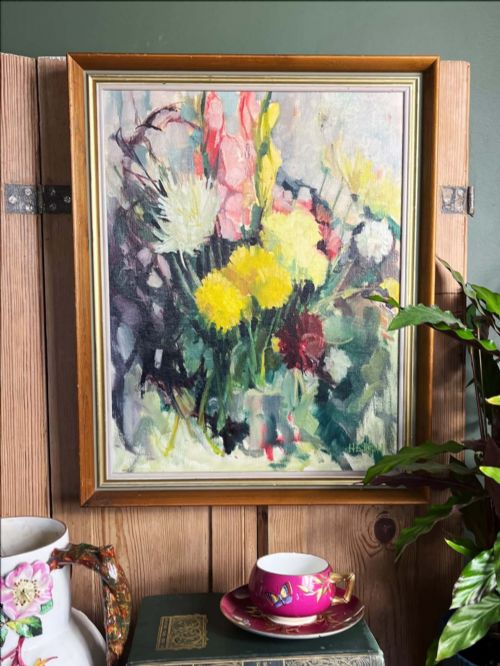
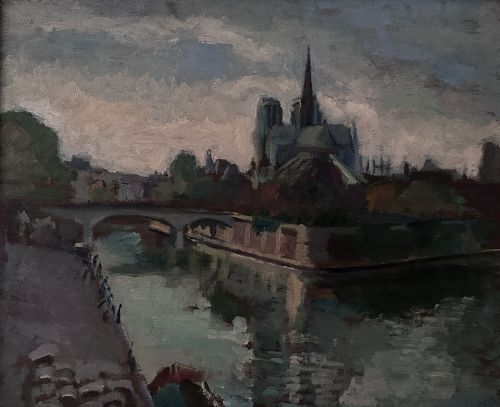
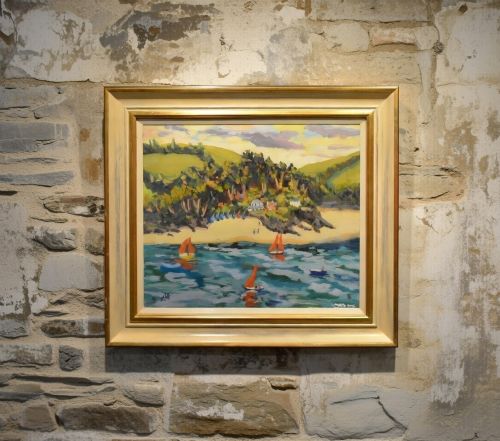
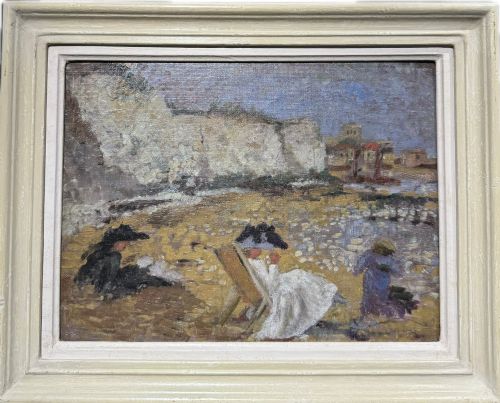
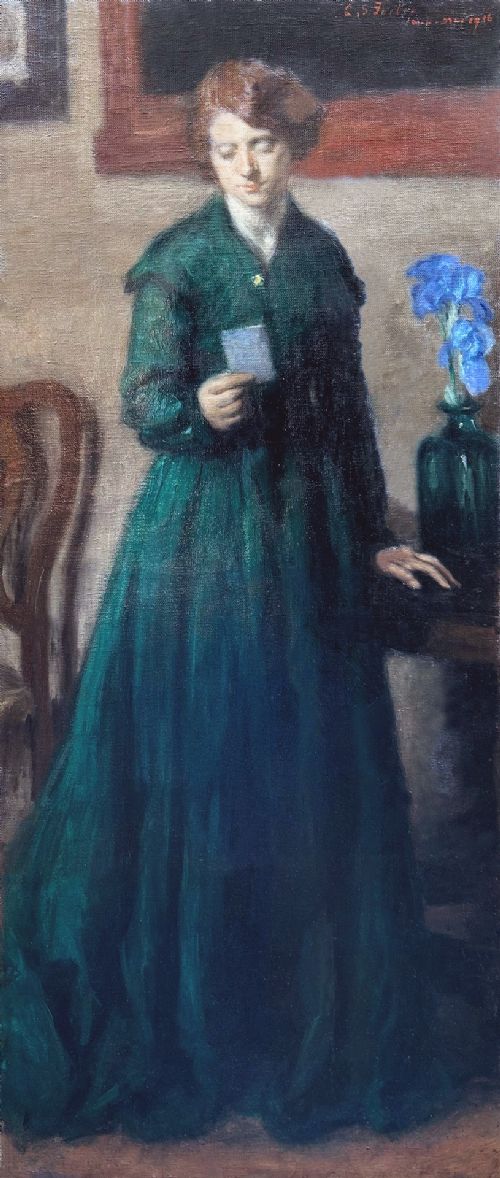
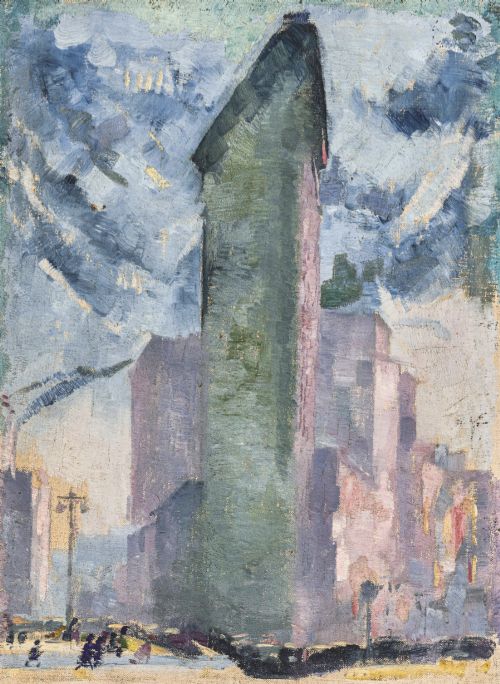
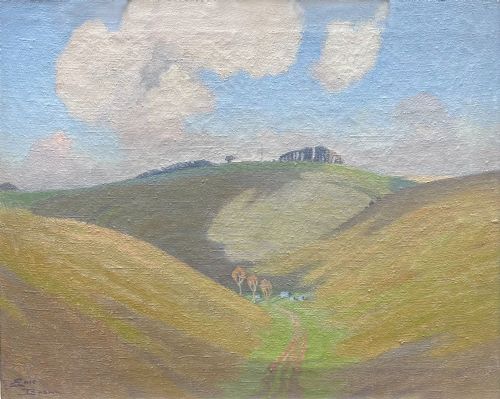
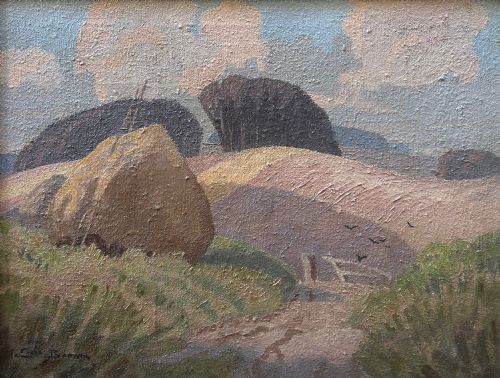
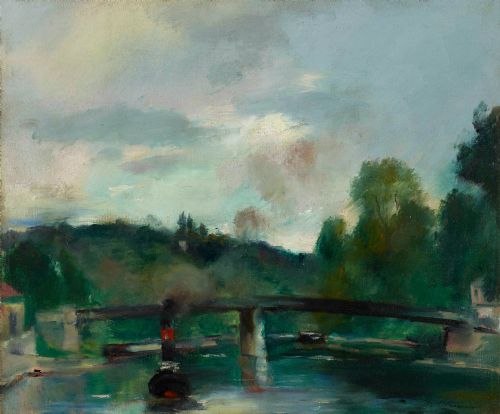
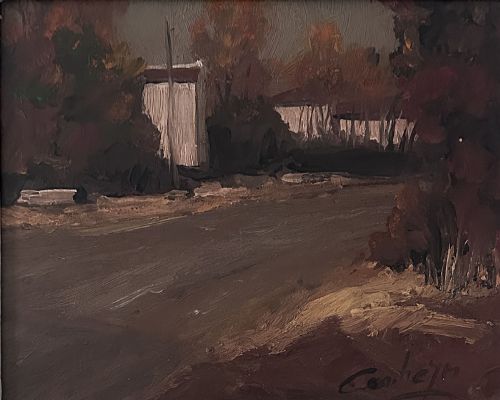
Post impressionist canvas art encompasses oils created during the late nineteenth and mid-twentieth centuries, reflecting the stylistic developments that followed traditional impressionism. These works frequently capture seascapes, urban street scenes, floral still lifes and figures caught in moments of everyday life.
The selections available here range from French coastal views and Parisian cityscapes to British landscapes linked to the St Ives and Bloomsbury circles. Buyers will encounter both intimate cabinet paintings and larger canvases executed across various decades of the modern period.
Works originate from diverse European schools, spanning French provincial scenes to Belgian compositions and mid-century British interpretations. Each piece records an artist's personal response to light, atmosphere and pigment during a transformative era in painting.
How they were made
Makers laid oil paint directly onto stretched canvas or occasionally wooden boards, often building texture through heavy impasto and visible brushstrokes. Pigments were mixed to capture specific qualities of natural light, from sunlit Mediterranean streets to muted northern coastlines.
Many canvases are housed within period wooden frames, occasionally accented with gilt finishes that complement the tonal warmth of the painted surface. Support structures rely on traditional wooden stretchers that hold the woven textile firm.
Materials recorded across the inventory include oil paint, stretched canvas, wood panels, and gilt frames.
What varies in quality
Compositional confidence and the handling of light distinguish exceptional works from routine studio exercises. Masterful brushwork breathes life into a subject, whereas weaker pieces remain mechanical and flat in their execution.
Provenance and documentation elevate certain works, particularly when the hand can be linked directly to an established regional school or a documented exhibition history. The integrity of the original canvas and the stability of the paint layer also dictate the long-term standing of any given painting.
Eugène-Louis Gillot·Arthur Gué·Ethel Sands·Charles Stuart Forbes·Alfred Wolmark·Eric Brown·Henri Ottmann·Donald McIntyre·Cecil Allan Mould·Rene Levrel·Ronald Ossory Dunlop·Victor Simonin·Paul-Jean Anderbouhr·Henri Vincent-Anglade·Louis Suire·Jean-Baptiste Olive·George Turland Goosey·André Prévot-Valéri·Merio Ameglio·Majorie Hoare·Charles Malfroy·Edward Seago·Doyly-John
The Post Impressionist Canvas Art Glossary
- Impasto
- Paint applied thickly to a canvas, leaving the physical marks of the brush or palette knife visible above the plane. This technique adds tactile depth and catches light across the surface.
- Canvas
- A heavy woven fabric stretched tightly over a wooden frame to serve as a foundation for oil painting. It provides a flexible yet durable ground for pigment.
- Gilt Wood
- Wood carved and coated with a thin layer of gold leaf or metallic gilt paint. It frequently frames period paintings to enhance their visual weight.
- Provenance
- The documented history of ownership and exhibition attached to an artwork. It establishes authenticity and traces the journey of a piece through time.
- Stretcher
- The internal wooden frame that holds a painted canvas under tension. Traditional corners utilise mortise and tenon joints to allow minor adjustments.
Post Impressionist Canvas Art: Frequently Asked Questions
What defines post impressionist art?
Post impressionism builds upon the lighter palettes of impressionism while pushing toward heavier brushwork, expressive forms and emotional resonance. Artists sought personal interpretation over strict optical realism.
These works prioritize structural brush marks and vibrant colour harmonies to convey the mood of a landscape, interior or figure study.
How do I hang these canvases?
Ensure your wall fixings match the weight of both the canvas and its wooden frame. Secure picture wire or sturdy D-rings directly to the stretcher bars.
Keep paintings away from direct sunlight and steady heat sources to protect the oil pigments and canvas substrate over time.
Are these paintings original works?
The listings feature original hand-painted oils executed directly on canvas or board by listed artists and regional painters. Each piece represents a unique physical creation rather than a modern reproduction.
Signatures, exhibition labels and stylistic markers help place each artwork within its historical context.
What subjects are most common?
Coastal scenes, maritime views, and French provincial landscapes dominate the regional selections. Urban street scenes and domestic still lifes also appear frequently.
Artists frequently painted en plein air, capturing the shifting light of Normandy, Brittany and the Mediterranean coast.