



Antique Cityscape Wall Art
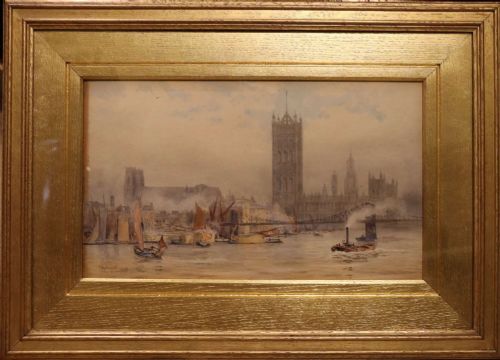
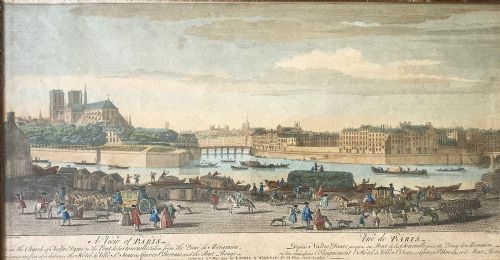
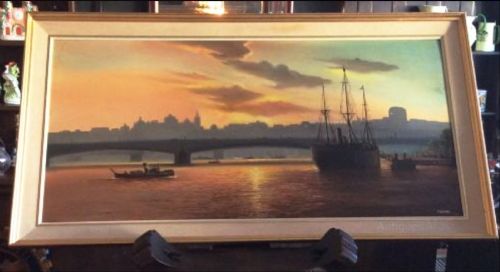
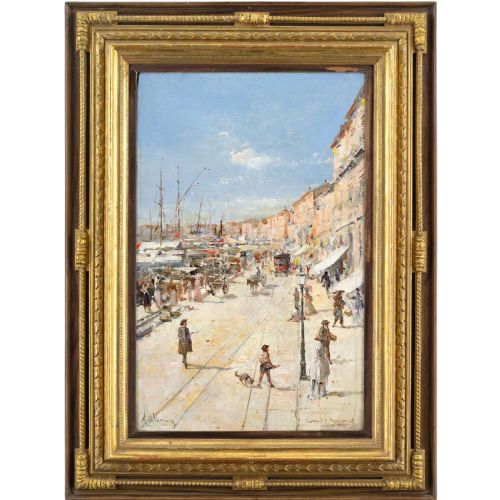
Antique cityscape wall art captures historic urban streets, canals and architecture through oil paintings, watercolours and prints.
Antique Cityscape Wall Art
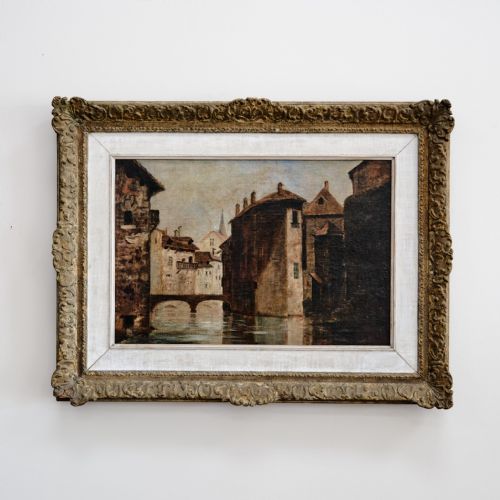
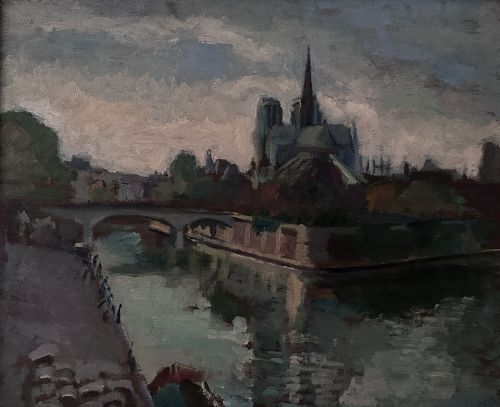
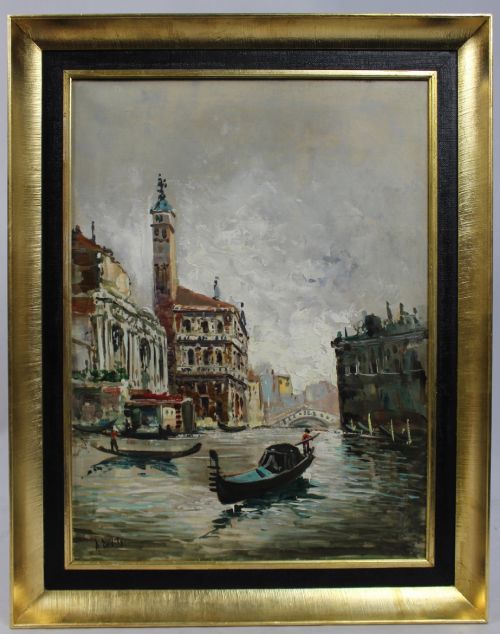
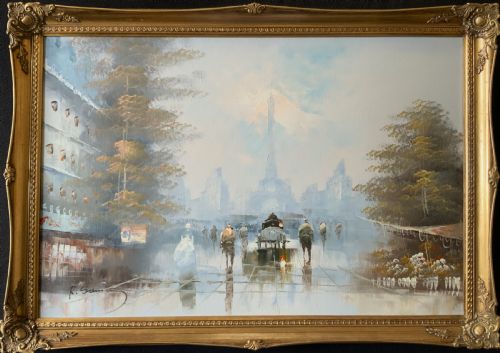
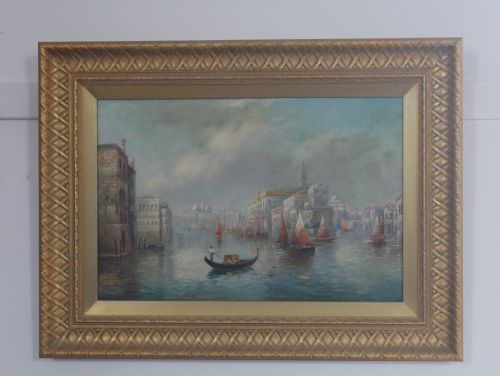
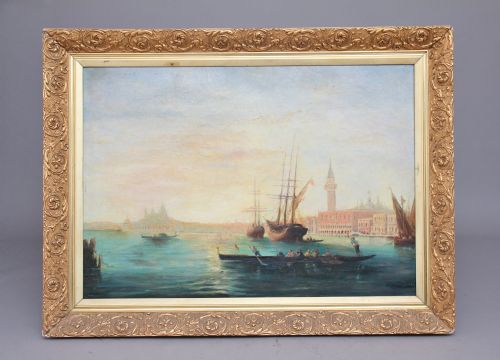
When you search for antique cityscape wall art, you encounter views of capital cities, bustling ports and historic canals spanning several centuries. These works record historic urban environments, from London waterways and Parisian streets to Venetian lagoons and Italian piazzas.
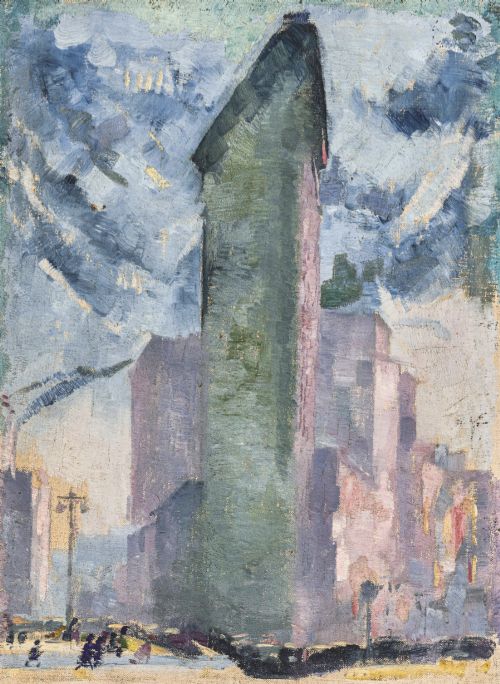
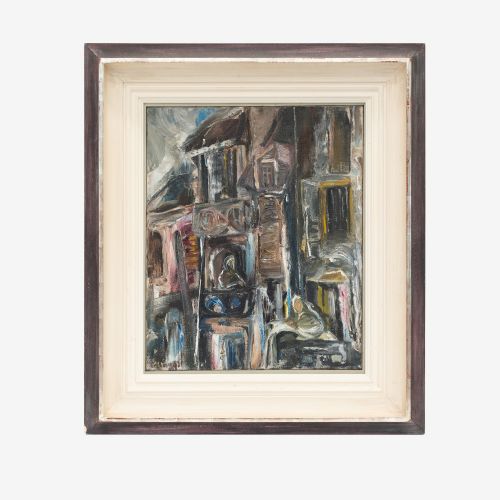
The selections on this page are dominated by oil paintings and watercolours, alongside period engravings, etchings and coloured prints. Many pieces focus on specific architectural landmarks, including cathedrals, bridges and grand palaces.
The dating of these works stretches from Georgian and Victorian periods into the early twentieth century, taking in Impressionist, Post-Impressionist and Edwardian interpretations of urban life.
Materials and methods
Artists painted primarily with oil paint on canvas or wood board, applying pigments to build texture and depth in urban scenes. Watercolours and pastels on paper also appear frequently, often finished with ink pen drawings or gouache highlights.
Framing materials reflect the period of creation, utilising wood frames, glass protection and traditional giltwood or gilt wood mouldings to house works on paper and canvas.
Listings feature oil paintings, watercolours, etchings and framed prints spanning the nineteenth century through the 1960s.
Distinguishing quality in urban works
Quality rests in the handling of light, atmosphere and perspective within the built environment. Superior works capture the bustling movement of a street or the stillness of water with confident brushwork and precise tonal control.
The distinction between standard decorative prints and master paintings lies in the artist's ability to render complex architectural detail while maintaining a cohesive compositional balance across the canvas or paper.
H. Medlycott·Augusto Alberici·Alfred Wolmark·Charles James Lauder·Claude Jousset·Hein Hoppmann·Frederick Tully Lott·William Raymond Dommersen·George Whyatt·Jane Vivian·Alfred Pollentine·WALTER DUNCAN·Pauline Boumphrey·Louis Icart
The Antique Cityscape Wall Art Glossary
- Giltwood
- Wood carved and coated with gold leaf or a gold-coloured metallic finish. It forms the decorative outer boundary for many historic paintings and framed prints.
- Watercolour
- A painting method where paint is made of pigments suspended in a water-based solution. These works are typically executed on paper and mounted behind glass.
- Etching
- A printmaking process where lines are incised into a metal plate with acid before ink is applied. This technique produces fine, detailed lines common in architectural views.
- Impressionism
- A nineteenth-century painting style characterised by relatively small, thin, yet visible brush strokes and an emphasis on accurate depiction of light. Artists applied this method to capture fleeting moments in busy streets.
- Gouache
- An opaque water-based paint method that creates solid blocks of colour. It is frequently combined with pastels and watercolour in works depicting water and skies.
Antique Cityscape Wall Art: Frequently Asked Questions
What is antique cityscape wall art?
These pieces comprise historical paintings, watercolours and prints depicting streets, rivers and architectural landmarks from past centuries.
They offer a visual record of how major cities and urban centres appeared during Georgian, Victorian and Edwardian times.
How were these artworks displayed?
Historic urban scenes were framed to protect the canvas or paper and hung in domestic interiors as focal points for rooms.
Original frames often feature carved wood or gilt finishes appropriate to the period of the artwork.
How do I care for antique watercolours?
Works on paper require protection from direct sunlight to prevent fading of the pigments and paper discolouration.
Maintaining stable indoor humidity helps preserve both the paper support and the traditional wooden framing.
How can I tell the period of a cityscape?
Dating relies on architectural styles depicted in the scene, clothing styles of figures in the streets, and framing materials.
Signatures, inscriptions on the reverse, and medium choices such as oil on canvas versus pastel on paper also indicate the era.