
Vintage French Oil Artwork
Vintage french oil artwork brings together canvas, pigment, and brushwork from centuries of continental studios to transform ordinary interior walls.
Vintage French Oil Artwork
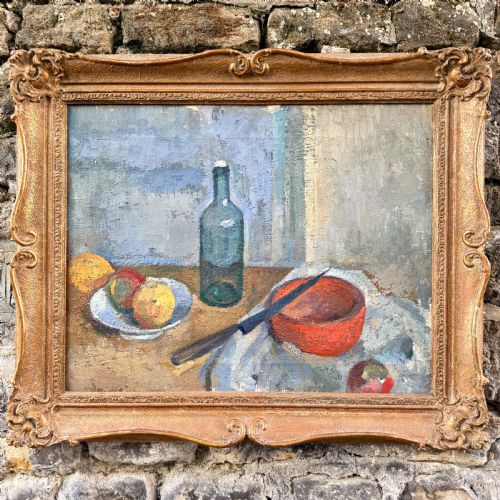
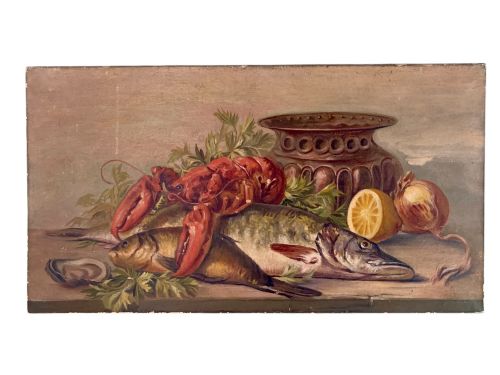
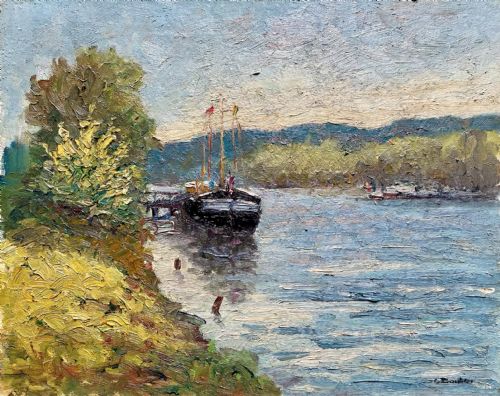
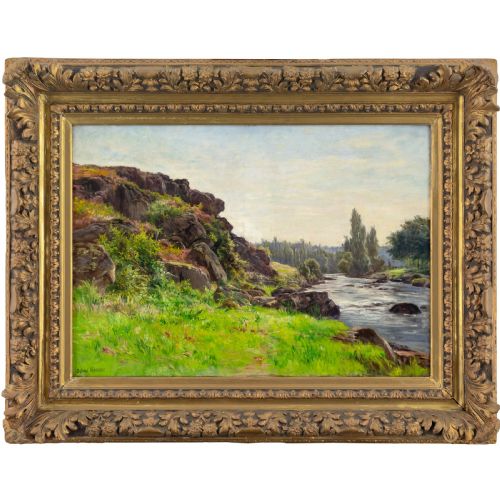
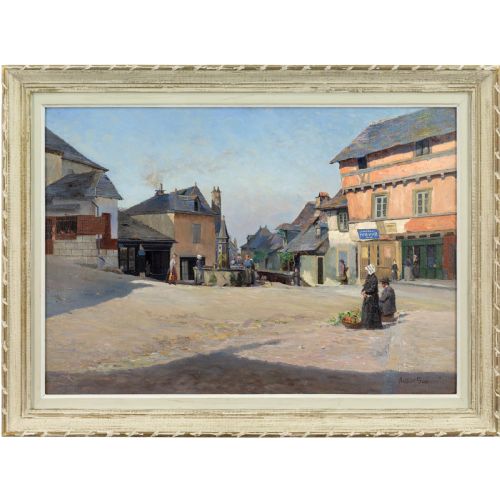
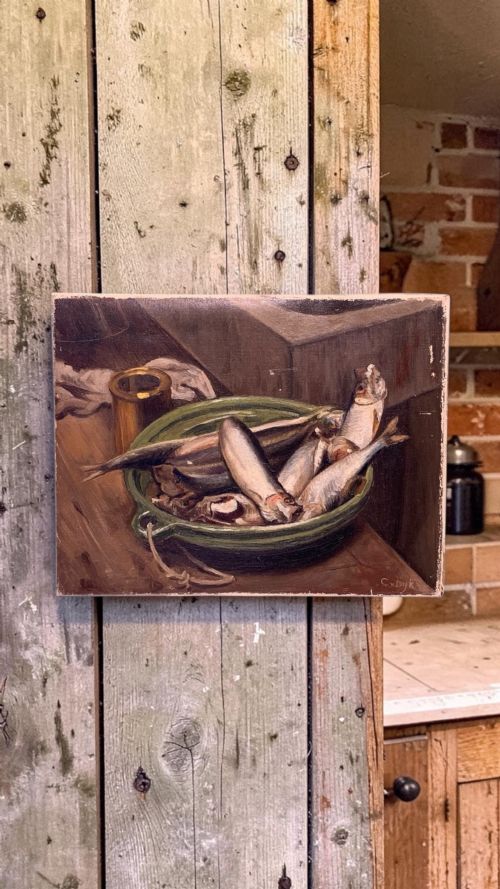
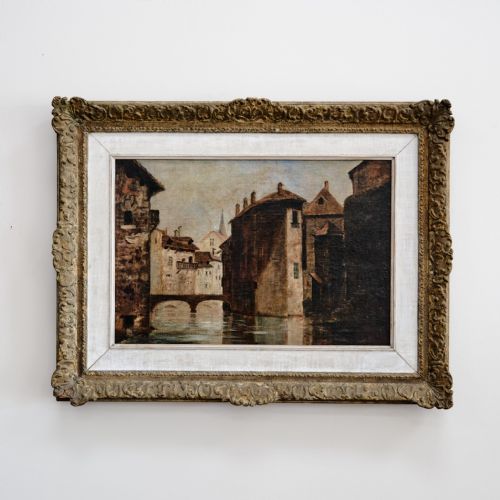
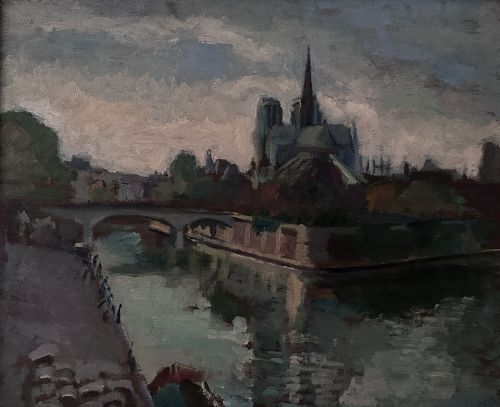
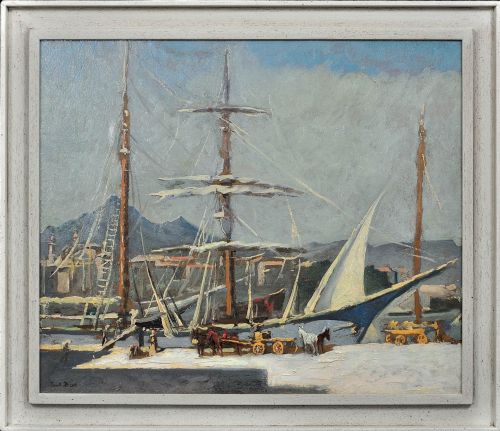
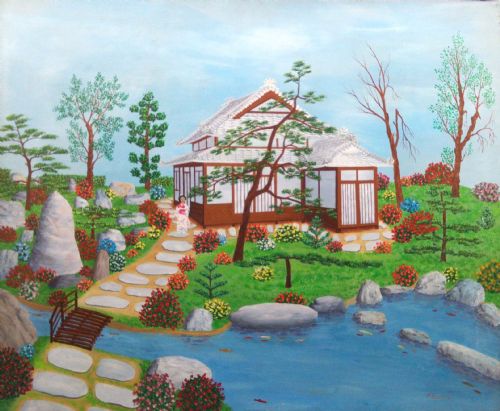
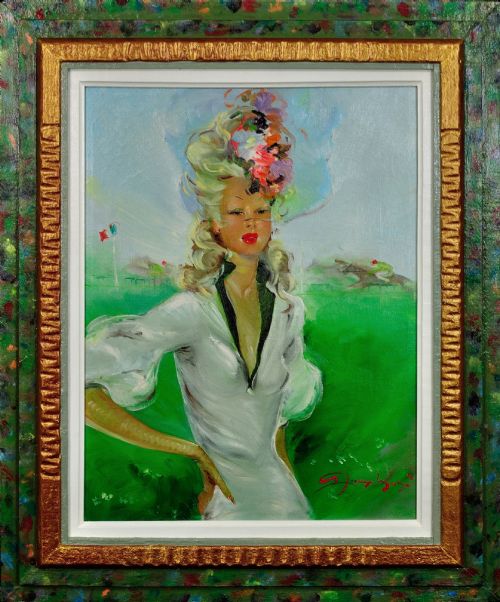
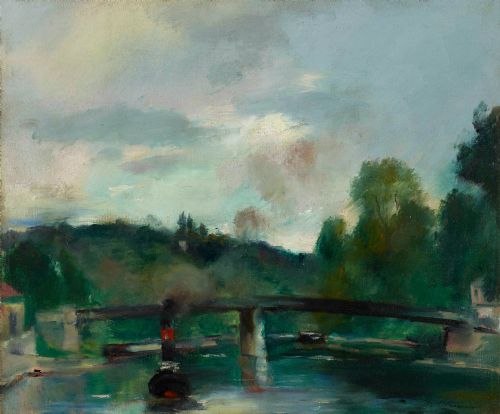
When you search for vintage french oil artwork, you encounter painted canvases, panels, and boards originating from nineteenth and twentieth-century France. These pieces range from intimate still lifes and pastoral landscapes to bustling Parisian street scenes and characterful portraiture.
The most common examples on this page span the decades between the late nineteenth century and the mid-twentieth century. You will frequently find works attributed to the broader French School alongside signed canvases by named regional artists.
Materials and methods
Makers applied oil paint using traditional bristle brushes and palette knives onto stretched canvas, wooden panels, or heavy paper boards. The medium relies on slow-drying vegetable oils bound with ground pigments, allowing artists to build rich textures and subtle tonal shifts.
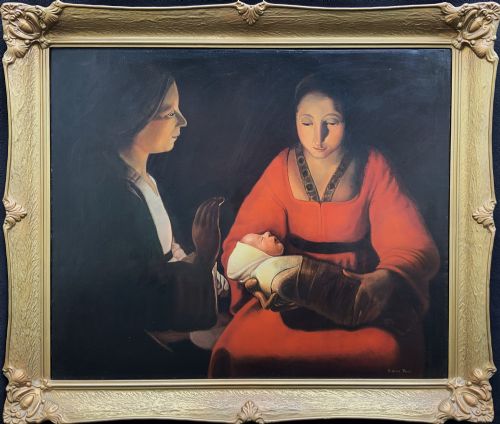
Surviving works are frequently housed within their original wooden frames, often finished with gilt or moulded plaster detailing that complements the composition of the painted surface.
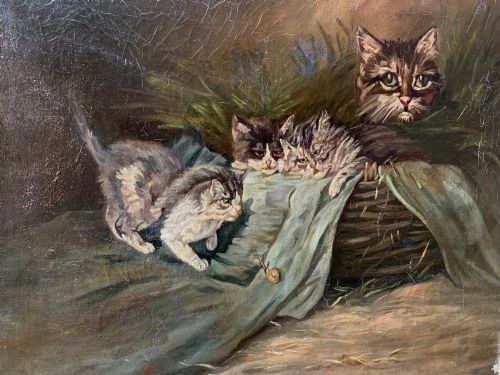
Several canvases capture everyday feline mischief, proving nineteenth-century artists found cats just as distracting as we do today.
Distinguishing quality
The distinction between standard decorative output and exceptional fine art rests upon the confidence of the brushwork and the management of light. Superior examples capture atmospheric depth and movement with economy of line, whereas lesser pieces rely on rigid outlines and flat colour application.
The integrity of the original paint layer and the absence of heavy overpainting also dictate the standing of a piece. Works that retain their unlined canvas support and original surface varnish preserve the intended chromatic balance created by the artist.
Eugène-Louis Gillot·Gabriel Mathieu·Arthur Gué·Paul Bret·Henri Ottmann·Rene Levrel·Achille-Fould·Alfred Arthur Brunel de Neuville·Paul Ehrenberg·Lilian Colbourn·Paul-Élie Gernez·Charles Clair·Henri Jaques Delpy·Paul-Jean Anderbouhr·Edouard Julien·Elisabeth Bardon
The Vintage French Oil Artwork Glossary
- Impressionism
- A nineteenth-century painting style characterised by relatively small, thin, yet visible brush strokes and an emphasis on accurate depiction of light.
- Post-Impressionism
- A predominantly French art movement that developed from about 1880 to 1910, extending Impressionism while rejecting its limitations.
- Grisaille
- A painting executed entirely in shades of grey or of another neutral monochrome colour, often used for decorative schemes.
- Impasto
- A technique where paint is laid on an area of the surface in very thick layers, usually thick enough that the brush or painting-knife strokes are visible.
- Provenance
- The chronology of the ownership, custody or location of a historical item.
Vintage French Oil Artwork: Frequently Asked Questions
How do I date a french oil painting?
Dating relies on stylistic markers, framing techniques, and stretcher construction. Canvas types and written inscriptions on the reverse often provide additional chronological clues.
Examining the pigment composition and the type of canvas weave helps specialists narrow down the decade of production.
Where were these paintings displayed originally?
These artworks hung primarily in domestic bourgeois interiors, provincial salons, and Parisian apartments. Many were created for private commission or urban exhibition spaces.
Over time, owners moved them between country houses and city townhouses, reflecting changing tastes in interior decoration.
How should I care for an oil painting?
Keep canvases away from direct sunlight and fluctuating humidity levels to prevent cracking of the oil paint layer. Dust the surface gently with a soft, dry brush without applying pressure.
Avoid using water or chemical cleaning agents on the paint surface, and consult a professional conservator for deep cleaning.
What is the french school designation?
The term denotes works produced by artists trained or working within the French artistic tradition without attributing the piece to a specific individual. It encompasses diverse regional practices and changing academic standards.
Anonymous works grouped under this heading often display the technical competence typical of professional French studios of their era.