



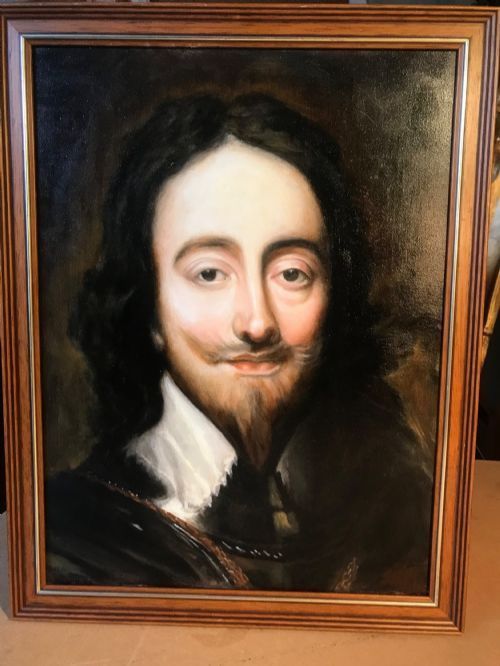
Dark Oil on Canvas
Dark oil on canvas comprises centuries of moody portraiture and atmospheric still life painted on woven fabric, prized for deep shadows and rich pigment depth.
Dark Oil on Canvas
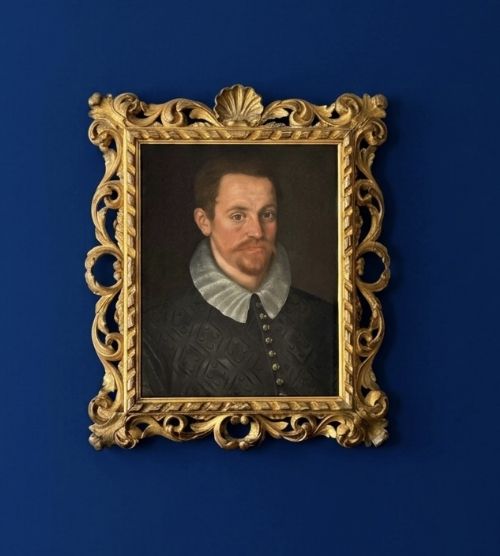
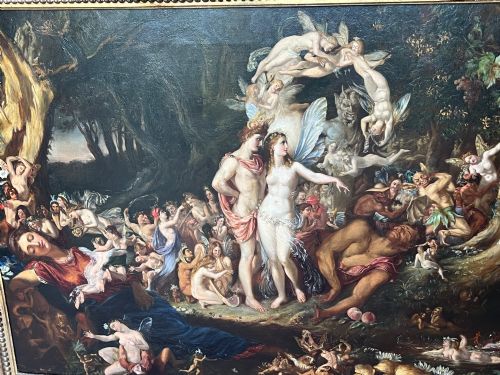
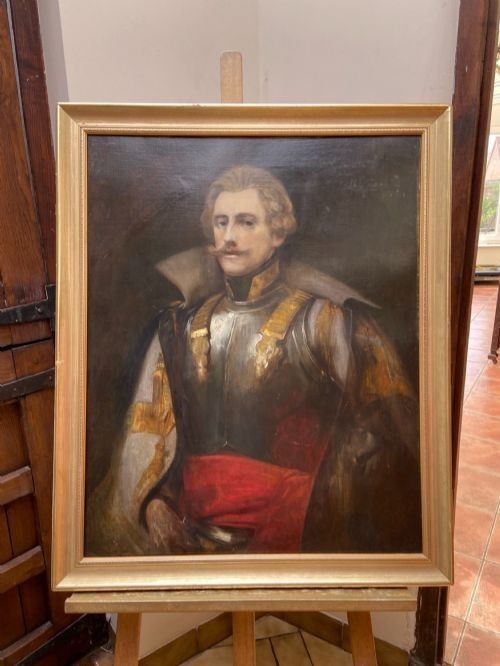
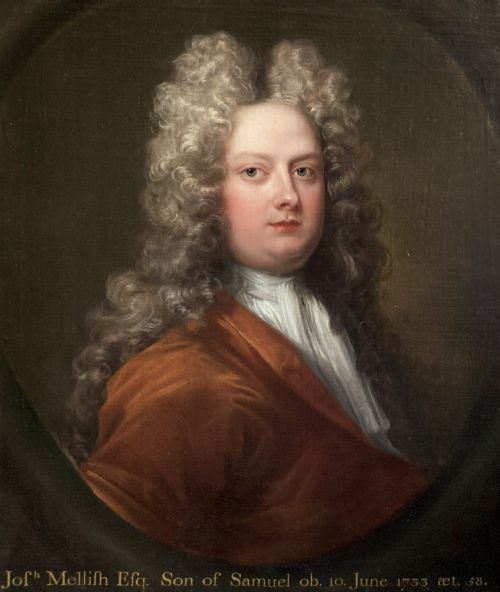
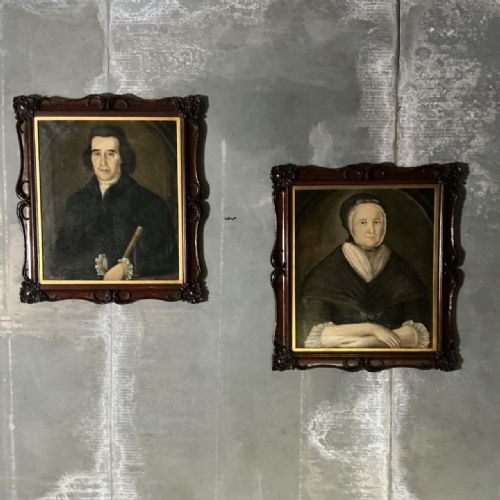
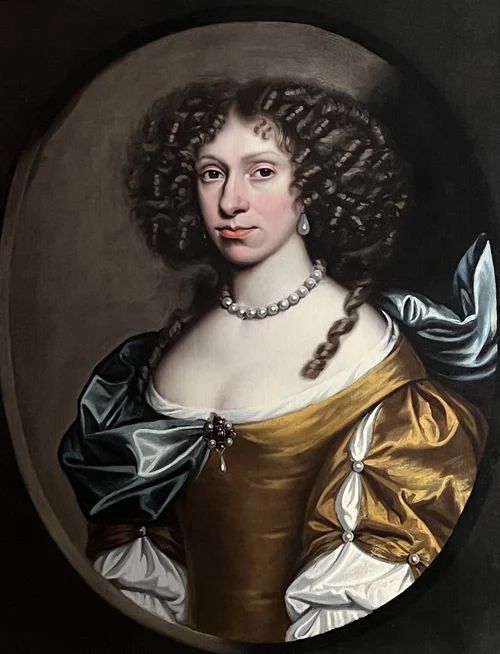
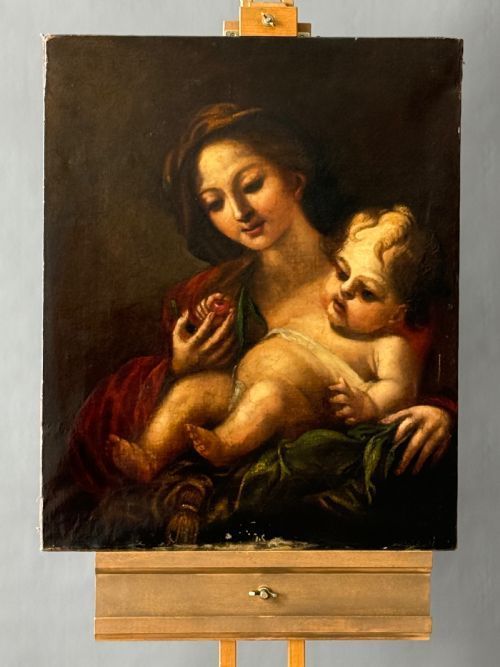
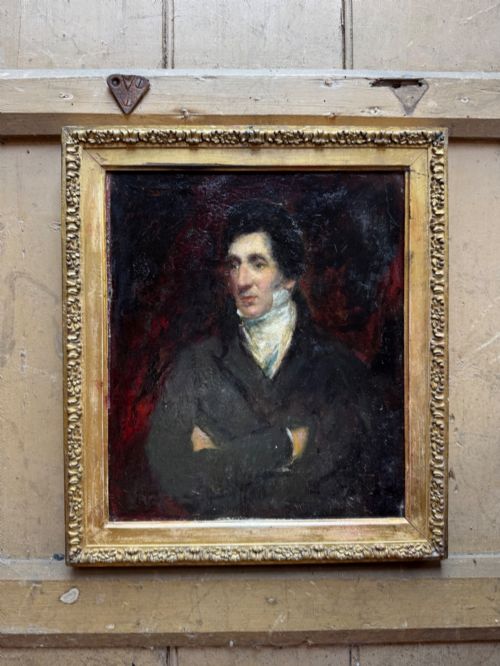
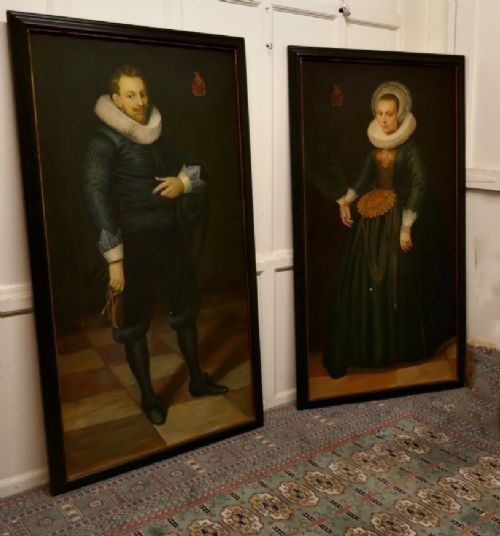
When you search for dark oil on canvas, you encounter centuries of historic portraiture, biblical scenes, and still lifes spanning from the 17th century through the 20th century. These works frequently employ dramatic chiaroscuro lighting, placing subjects against shadowy backgrounds that create a profound sense of depth and solemnity.
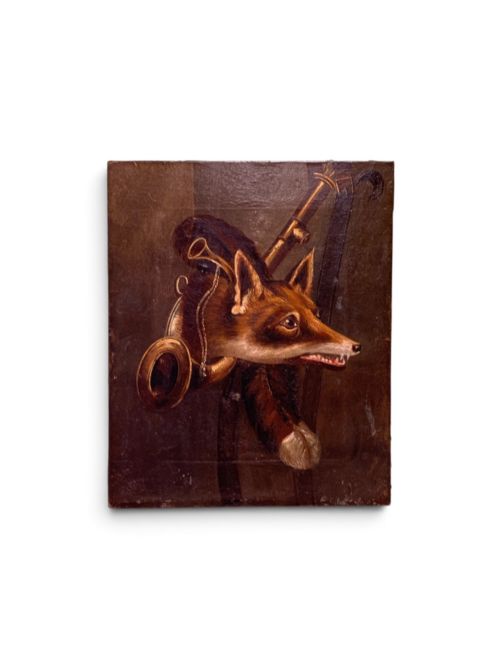
The most common examples on this page are 17th-century and 18th-century European portraits depicting noblemen, ladies, and military figures rendered in subdued, earthy palettes. Alongside these sit later 19th-century maritime and animal compositions that maintain the dark, atmospheric mood characteristic of old master traditions.
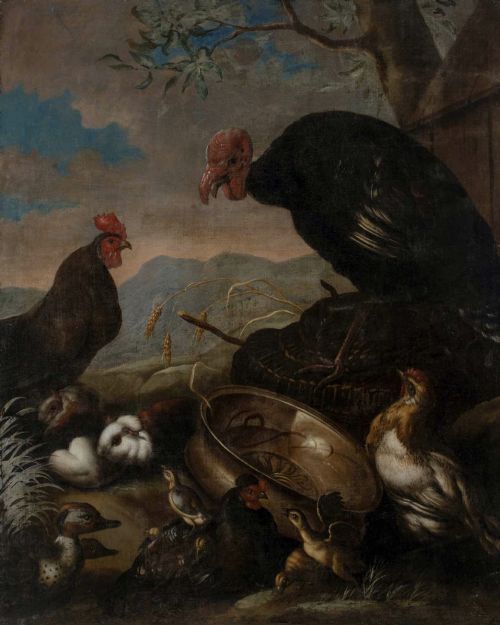
Originating predominantly from British, French, Italian, and Dutch schools, these paintings reflect the stylistic shifts of Baroque, Georgian, and Victorian periods. Whether capturing the solemn expression of a judge or the rich textures of fowl in a ruined landscape, each canvas carries the visual weight of its historical atelier.
Materials and construction
Artists painted primarily using oil paint applied to stretched woven canvas, occasionally utilising vinyl canvas or wood supports in later reproductions and variations. The ground layer typically consisted of a dark gesso or bole, which provided the sombre under-tone essential for achieving the characteristic deep shadows.
Pigments were mixed with drying oils such as linseed to allow slow blending and the creation of translucent glazes. These thin layers of dark pigment built up over time to produce rich tonal gradations and the characteristic shadowed depth seen in Baroque and Old Master compositions.
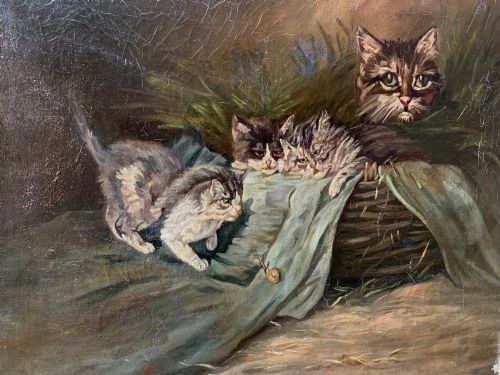
Cats, snails, racing pigeons, and foxes occasionally share the canvas with stern nobility, proving that historic painters loved animals just as much as we do.
Evaluating the work
The mastery of brushwork and anatomical precision separates the finest portraiture from standard workshop output. Superior pieces capture lifelike skin tones and fabric textures through confident, deliberate strokes rather than flat, uniform application.
Condition and originality dictate the standing of a canvas within its period. Works retaining their original giltwood frames and unlined supports command greater appreciation among collectors seeking untouched historical integrity.
Charles Jervas·David Scougall·John Hayls·Sir Godfrey Kneller·Mary Beale·Thomas Beach·John Greenhill
The Dark Oil on Canvas Glossary
- Chiaroscuro
- The use of strong contrasts between light and dark, usually bold contrasts affecting a whole composition. This technique defines the moody atmosphere of many 17th-century works.
- Old Master
- A term applied to European painters of skill born before about 1800. These artists produced the foundational dark canvases often seen in Italian and Dutch schools.
- Relining
- The process of attaching a new canvas to the back of an old, weakened original support to provide structural stability. Conservation records often note this intervention.
- Giltwood
- Wood that has been covered with a thin layer of gold leaf or gilt. Antique frames constructed this way frequently accompany period portraits.
Dark Oil on Canvas: Frequently Asked Questions
How do I date a dark oil painting?
Dating relies heavily on costume, hair styling, and the stretcher construction behind the canvas. Stylistic cues such as Baroque framing or specific portrait poses also point to particular centuries.
Secondary evidence includes inscriptions, artist signatures, or historical records matching the sitter to a known lifespan. Comparing the pigment handling to documented period works confirms the era.
Where should I hang dark oil art?
These pieces thrive in rooms with controlled lighting away from direct sunlight, which can degrade historic oil pigments over time. Placing them against neutral or dark walls enhances their dramatic chiaroscuro effect.
Ensure the mounting wall is dry and free from extreme temperature fluctuations to protect the wooden stretchers and canvas integrity.
How do I clean an antique canvas?
Surface dust should be removed very gently with a soft, dry brush by someone experienced in handling delicate antiques. Avoid using household cleaners, water, or solvents on the painted surface.
Professional conservators should handle any deep cleaning, varnish removal, or repair of craquelure to prevent permanent damage to the original pigments.
What is an old master painting?
An old master is a European artist of high skill working before the 19th century. Their paintings often feature religious, mythological, or portrait subjects rendered in dark, rich oil colours.
These works represent the academic traditions of Dutch, Italian, and French schools from the Baroque period onward.