
Impressionist Still Life Painting
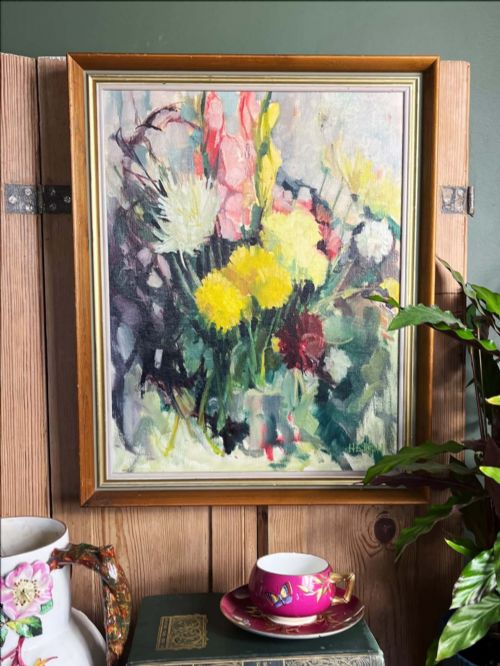
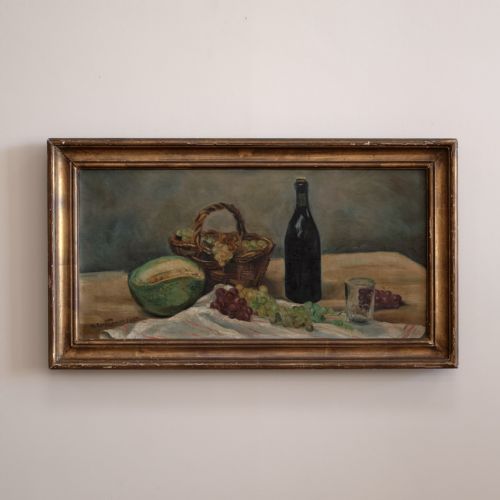
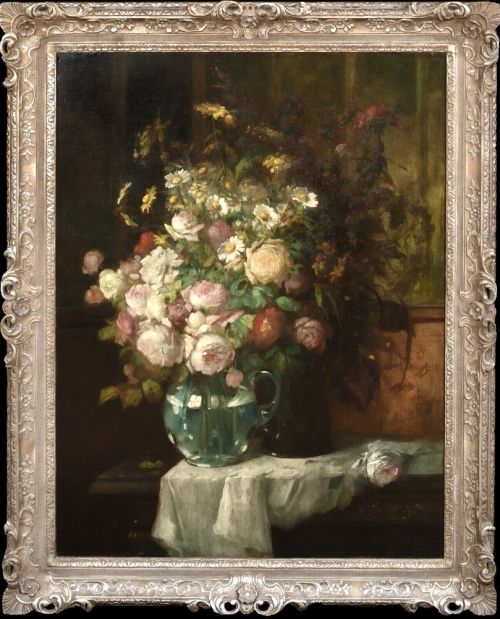
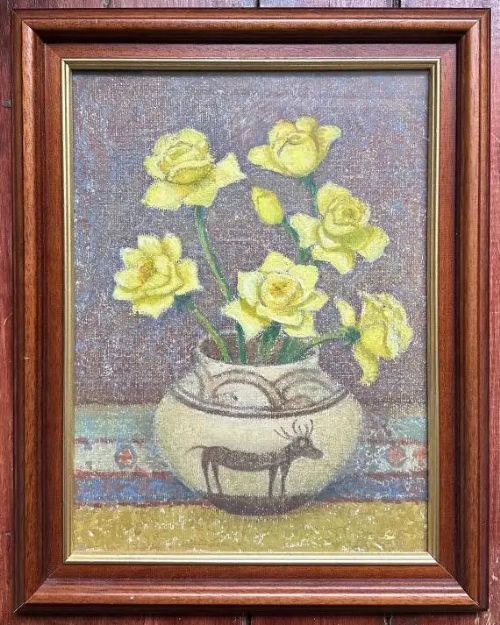
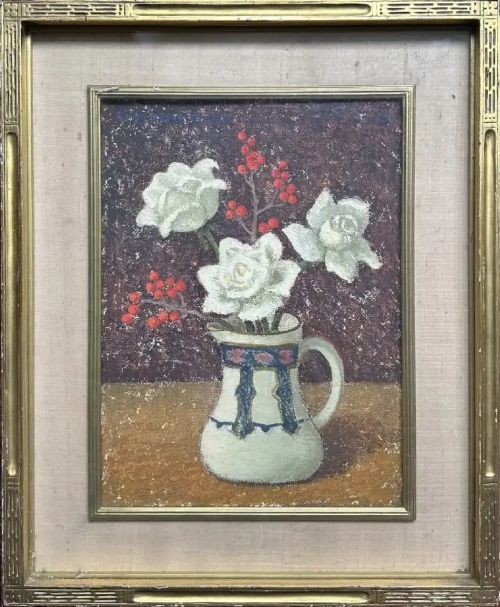
Impressionist still life painting captures transient arrangements of fruit and flora through loose, expressive brushwork on canvas or board.
Impressionist Still Life Painting
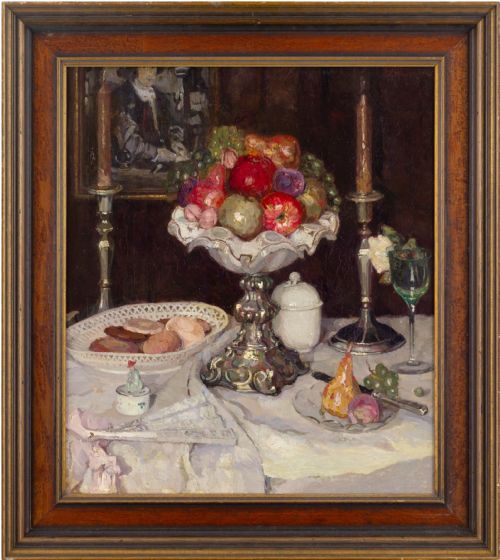
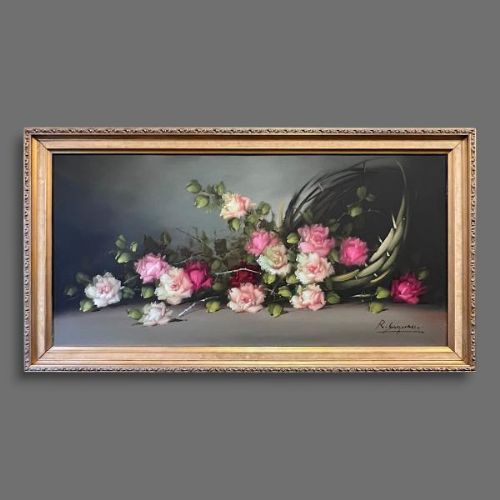
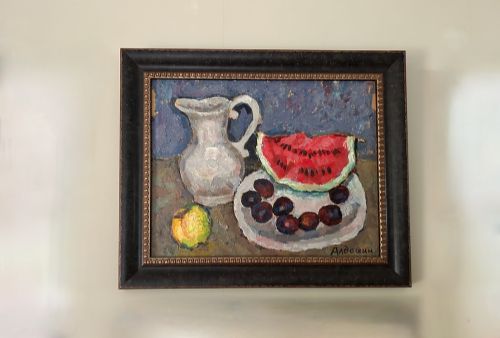
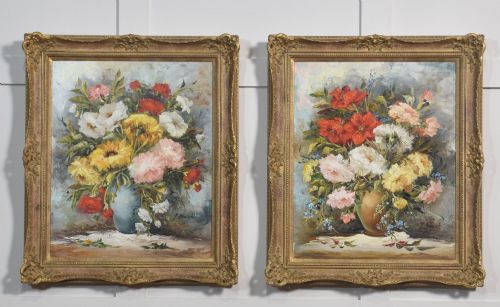
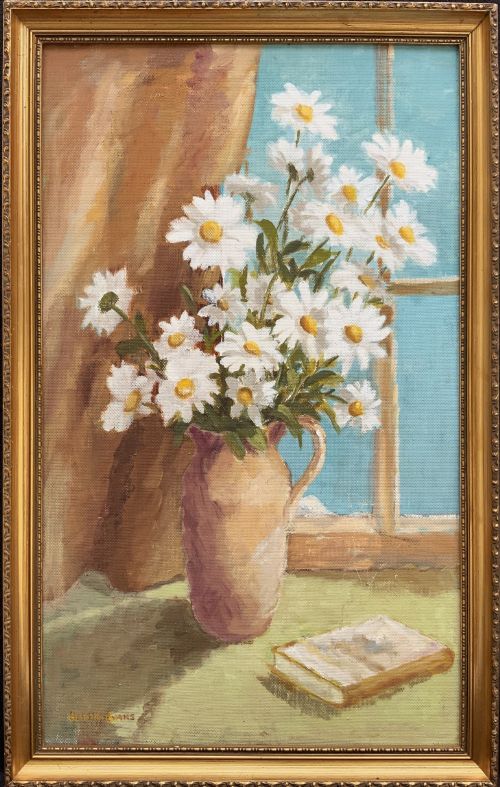
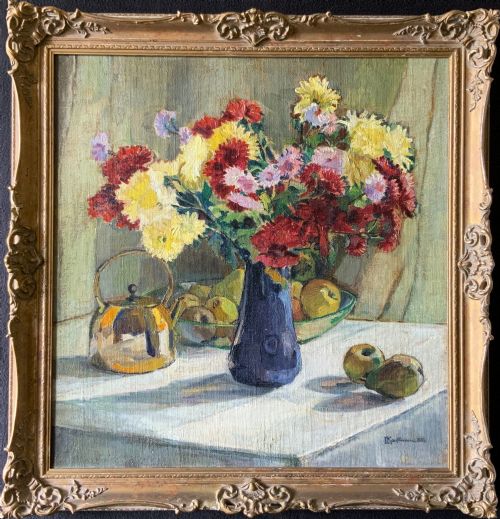
An impressionist still life painting records domestic arrangements of flowers, fruit and vessels through visible, energetic brushstrokes that prioritise light and atmosphere over rigid realism.
The selections available span from the late nineteenth century through to the mid-twentieth century, encompassing British, French, Belgian and American interpretations of the movement.
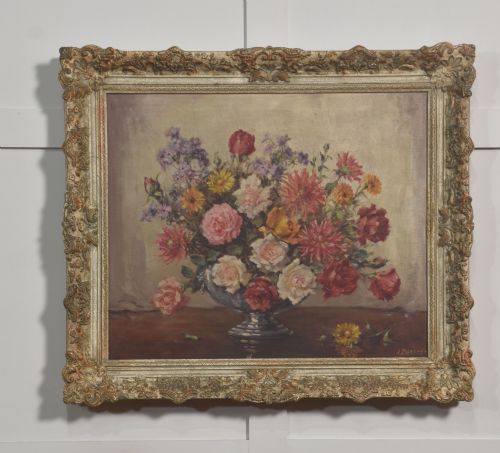
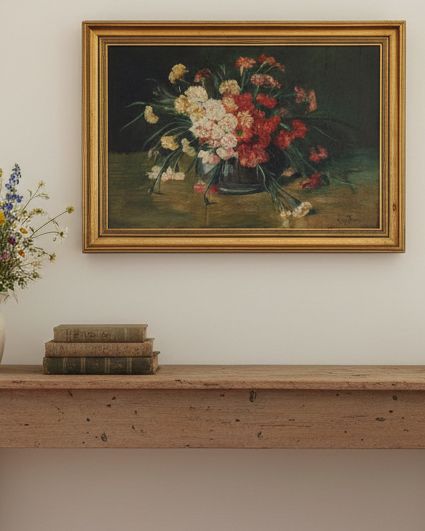
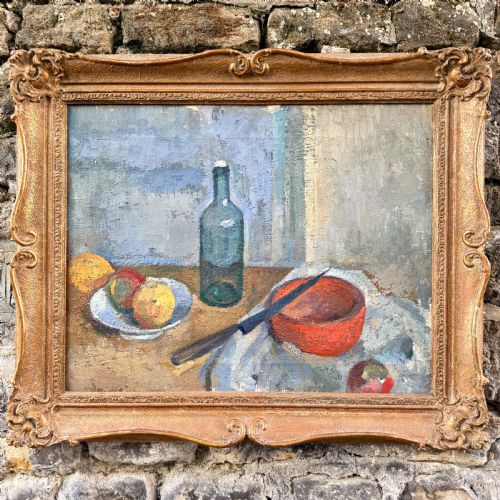
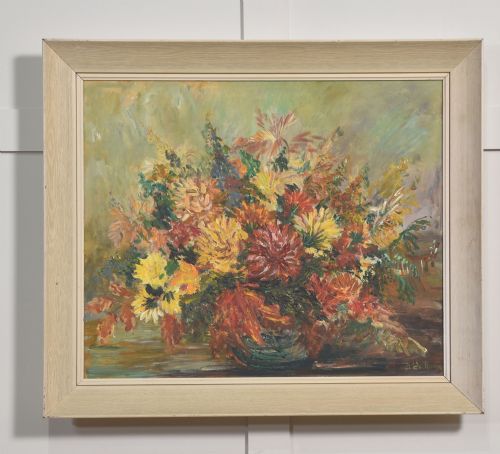
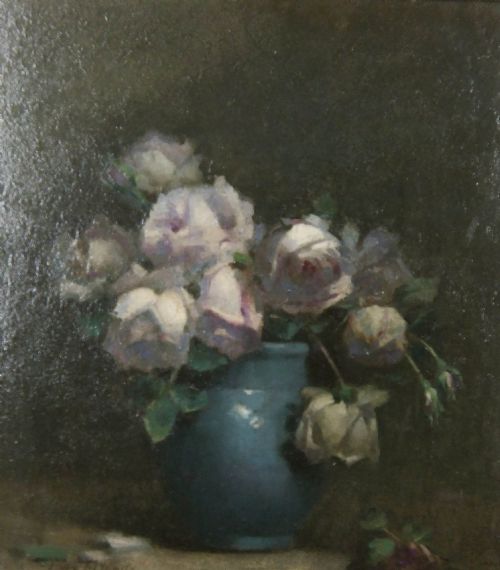
Most examples present botanical studies, such as roses, anemones and peonies contained within jars, baskets or pots, alongside occasional tabletop arrangements featuring fruit and candlesticks.
How they were made
Artists built these compositions primarily using oil paint applied to stretched canvas or wooden board, occasionally utilising watercolour or gouache on paper.
Makers shaped the surface texture through heavy impasto application or thinner washes, often securing the completed work within original gilt or gesso frames.
Impressionist Still Life Painting Retail Price Guide 2026
Typical asking prices for impressionist still life painting among the pieces listed under this phrase on Sellingantiques today, from the lower quarter to the upper quarter. They describe what is for sale here now, not the wider market.
Regional British artists from Staithes sit alongside Belgian, French and American painters across the selection of floral and tabletop studies.
What varies in quality
The strength of a piece rests in the confidence of the brushwork and the artist's ability to manipulate light across the planes of a tabletop or the petals of a bloom.
Compositional balance and the harmony of the palette distinguish accomplished works from more formulaic student studies or decorative outputs.
I. Berezny·D. L. Williams·Konstantin Stoitzner·Emma Fordyce MacRae·Else Preußner·Vladimir Aldoshin·Manuela Bonati·William Thomas Wood·Victor Simonin·Owen Bowen·Gertrude Hayes·Amile Coppieters·Florence Hess·Henri Joseph Pauwels·Lester Sutcliffe·Kershaw Schofield·Sir Matthew Smith·Rowland Henry Hill·John Gilbey Bowles
The Impressionist Still Life Painting Glossary
- Impasto
- Paint applied thickly to a canvas or board, standing out in relief from the surface so that the marks of the brush or palette knife remain clearly visible.
- Gesso
- A plaster-like mixture applied to wood panels or frames as a base before painting or gilding.
- Post-Impressionism
- An art movement extending the boundaries of impressionism while rejecting its limitations, focusing on more symbolic content and heavier structural forms.
- Pointillism
- A technique of painting where small, distinct dots of colour are applied in patterns to form an image, seen in certain luminist floral studies.
- Luminism
- An American landscape and still life style characterised by effects of light in landscapes and atmospheric clarity.
Impressionist Still Life Painting: Frequently Asked Questions
What subjects do these paintings feature?
The compositions predominantly depict domestic botanical subjects, including roses, carnations and chrysanthemums arranged in vases, pots or wicker baskets.
Other examples incorporate tabletop arrangements featuring fruit, jugs, bottles and candlesticks placed within domestic interiors.
How should I display an oil painting?
These works suit traditional or mid-century interior spaces, particularly when hung at eye level on neutral walls that allow the colours of the flowers to stand out.
Keep oil paintings away from direct sunlight and excessive humidity to protect the canvas, board and gilt frame over time.
Are these works signed by the artists?
Many of the pieces bear signatures or initials from the artists who painted them, ranging from listed regional painters to continental European figures.
Signatures typically appear in the lower corners of the canvas or board, aligning with standard academic and impressionist practices of the period.
What is the difference between canvas and board?
Canvas works are painted on woven fabric stretched across a wooden frame, offering a slight give and a traditional textured surface for oil applications.
Board paintings utilise rigid wooden or composite panels as a firm support, which was frequently favoured by artists working swiftly outdoors or on smaller studies.