
Vintage Flower Still Life
A vintage flower still life captures transient blooms through pigment on canvas, paper, or board, offering enduring botanical character for your interior walls.
Vintage Flower Still Life
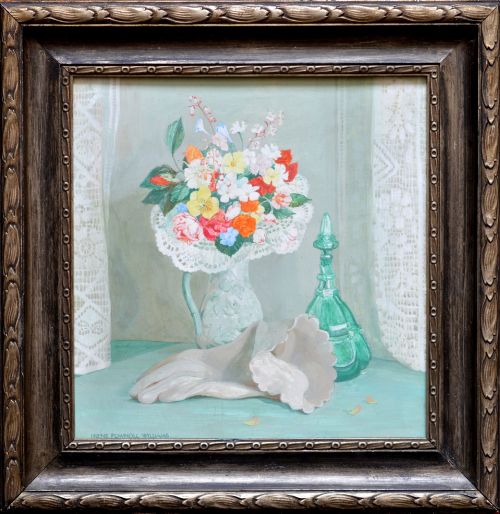
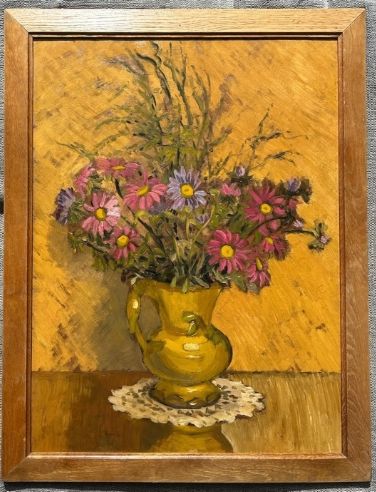
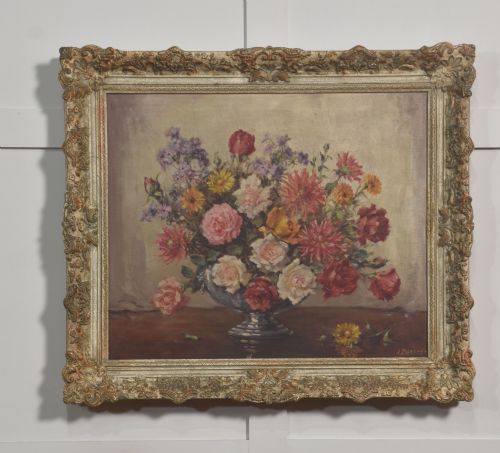
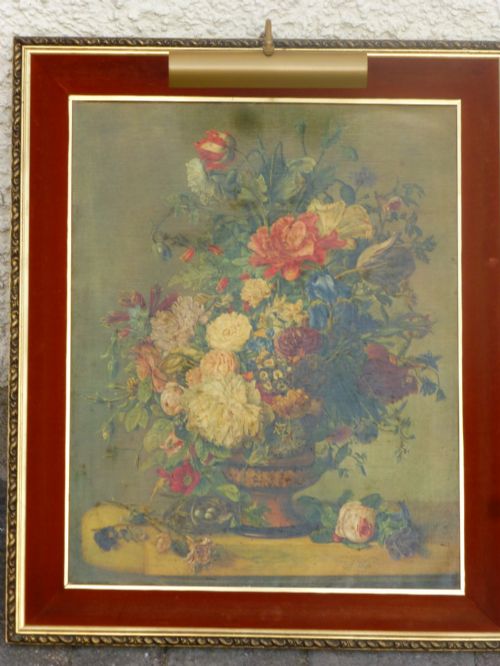
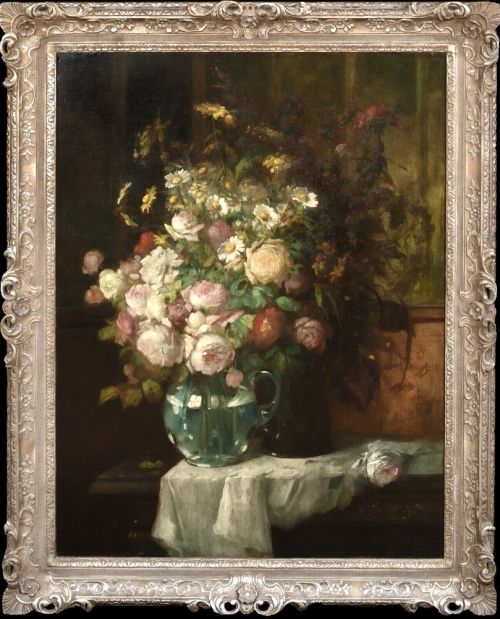
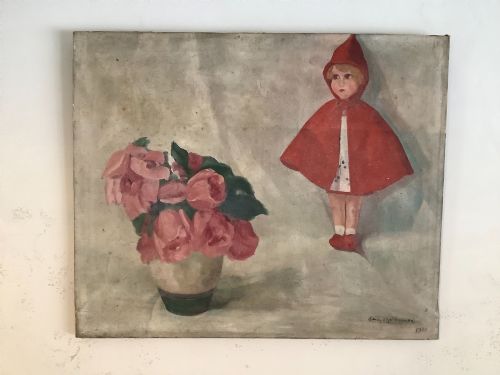
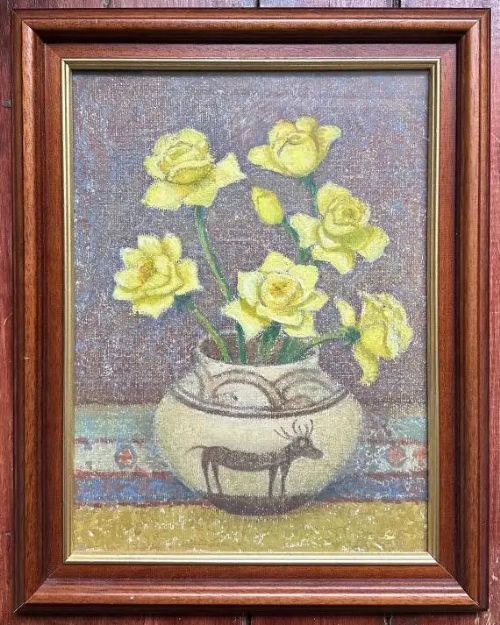
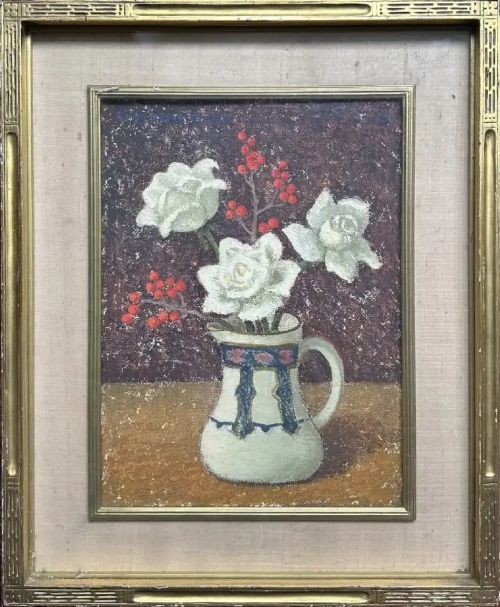
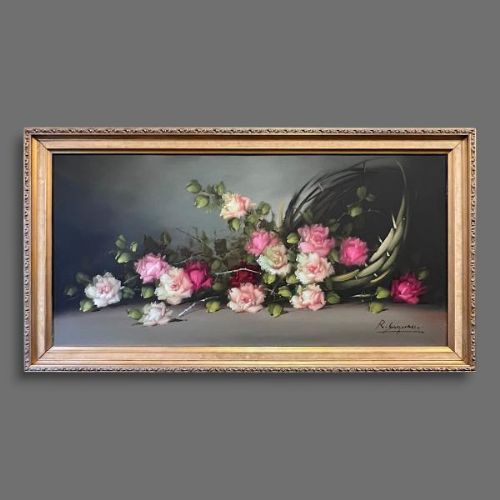
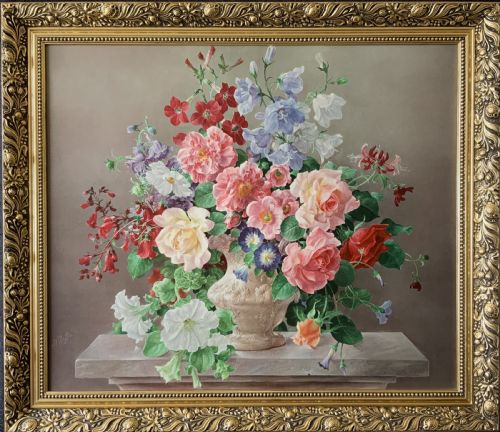
When searching for a vintage flower still life, you encounter painted and worked representations of cut blooms, often arranged in vases, jugs, or baskets. These pieces span multiple decades and centuries, touching upon Victorian, Edwardian, and mid-century aesthetics.
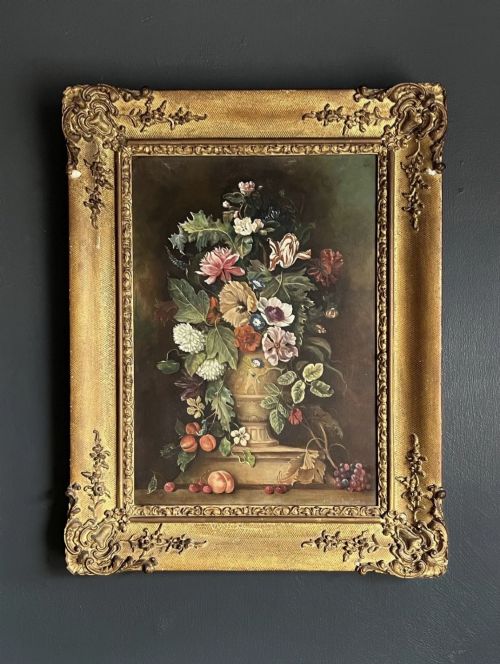
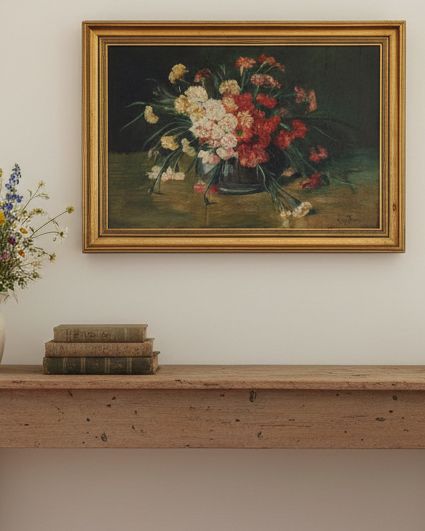
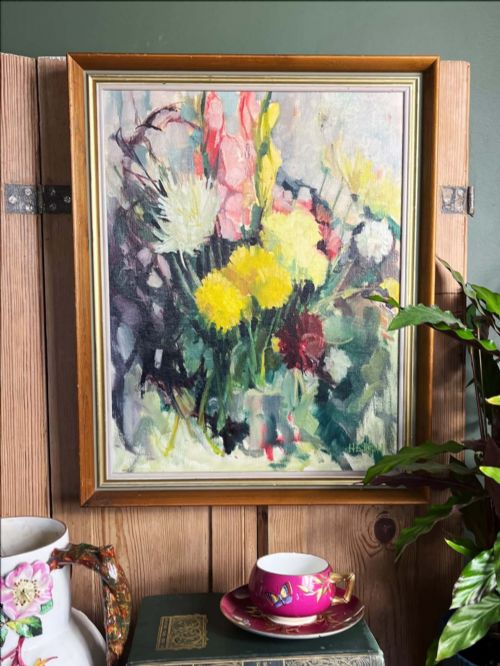
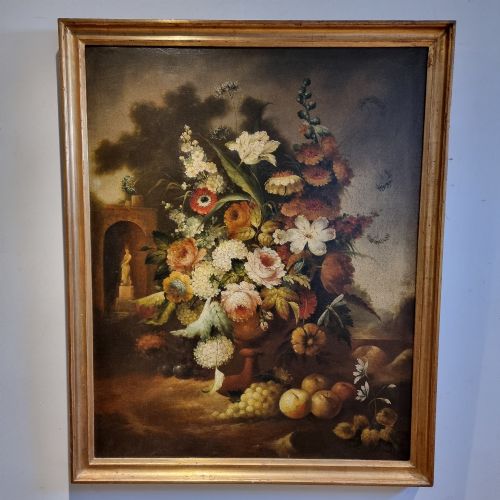
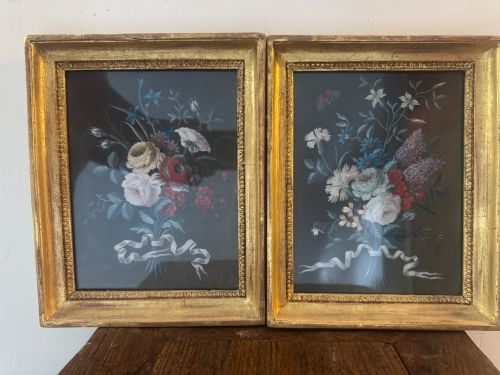
The most common examples on this page are mid-century oil paintings on board or canvas, alongside earlier watercolours and gouache studies. Subjects range from loose impressionistic floral displays to tighter, Dutch Golden Age style arrangements.
Works originate from British, European, and American hands, reflecting diverse regional approaches to colour and light. You will find both signed compositions by listed artists and anonymous decorative studies from the nineteenth and twentieth centuries.
How they were made
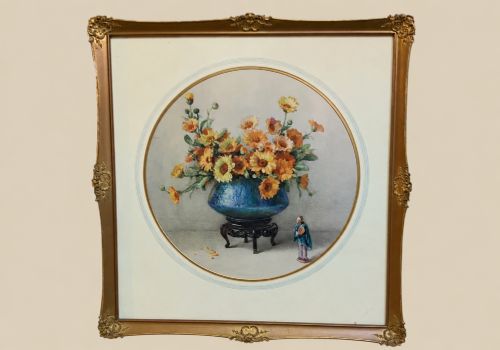
Artists built these compositions primarily using oil paint on stretched canvas, wooden panel, or board, often layering pigments to create depth within the petals and foliage. Watercolours and gouache on paper also appear frequently, capturing a lighter, more translucent botanical effect.
Supports frequently include original wooden frames, sometimes enhanced with gilt gesso moulding or enclosed behind glass. The physical construction relies on traditional artist materials from past eras, from copper and ceramic vessels depicted in the scenes to the wooden stretchers holding the canvas taut.
Vintage Flower Still Life Retail Price Guide 2026
Typical asking prices for vintage flower still life among the pieces listed under this phrase on Sellingantiques today, from the lower quarter to the upper quarter. They describe what is for sale here now, not the wider market.
Among the vases and bowls, artists occasionally tucked unexpected items into the foliage, including Chinese objects and fresh fruit.
What varies in quality
The distinction between ordinary and exceptional works lies in the handling of light, brushwork confidence, and compositional balance. Superior paintings demonstrate an acute sensitivity to tone and colour harmony, whereas lesser examples rely on formulaic repetition without atmospheric depth.
Material preservation also sets pieces apart, with intact original frames and stable pigment surfaces holding greater aesthetic integrity. The skill of the hand behind the brush ultimately dictates whether a floral arrangement feels vital or merely decorative.
Irene Christobelle Pownoll Williams·Kenneth Cozens·Konstantin Stoitzner·Emma Fordyce MacRae·Harold Clayton·Edwin Steele·Owen Bowen·James Tower·Amile Coppieters
The Vintage Flower Still Life Glossary
- Still life
- A painting or drawing featuring inanimate subject matter, typically everyday objects such as flowers, fruit, or vessels. This genre allows artists to focus heavily on light, shadow, and texture.
- Impressionism
- A style of painting characterised by relatively small, thin, yet visible brush strokes and an emphasis on accurate depiction of light. Artists working in this manner prioritize capturing the visual sensation of a moment.
- Gesso
- A plaster-like mixture used as a base coat for paintings on wood or canvas, or moulded to create decorative frames. Gilded versions provide the ornate metallic borders seen on many traditional artworks.
- Oleograph
- A mechanical print textured to imitate an oil painting, popular in the nineteenth and twentieth centuries. These reproductions replicate the appearance of canvas weave and brush marks.
- Tempera
- A permanent, fast-drying painting medium consisting of coloured pigment mixed with a water-soluble binder, usually a sticky material such as egg yolk. It produces a matte surface that resists darkening over time.
Vintage Flower Still Life: Frequently Asked Questions
What periods do these paintings come from?
The works span a broad timeline, stretching from eighteenth-century styles and nineteenth-century watercolours through to mid-century modern interpretations. You will encounter pieces created across the decades of the twentieth century alongside earlier historic revivals.
Each era brings distinct framing choices, material supports, and stylistic approaches to floral arrangement, allowing you to match a specific historical period to your interior space.
How should I hang and display these artworks?
These pieces suit domestic living spaces, hallways, or studies, often pairing well with natural wood furniture and traditional decor. Ensure you hang them away from direct sunlight to protect the pigments on canvas or paper from fading.
Many arrive housed in their original frames, which provide structural context and character. Consider the weight of the frame and the wall type before securing your hanging fixings.
What is the difference between oil and watercolour still lifes?
Oil paintings utilise slow-drying paint on canvas, panel, or board, offering rich texture, deep colour saturation, and visible brushwork. Watercolours employ water-soluble pigments on paper, resulting in a lighter, more transparent finish that usually requires glass protection.
Both mediums capture botanical subjects differently, with oils allowing for heavy impasto application and watercolours favouring delicate washes of tone.
How can I tell a signed work from an unsigned one?
Signed pieces bear the artist's handwritten signature or monogram, typically located in one of the lower corners of the painted surface. Unsigned works remain anonymous, often originating from amateur hands or decorative studio production.
While a signature provides a traceable history, unsigned compositions can still exhibit high technical skill and decorative appeal based on their execution alone.