


Post Impressionist Portrait
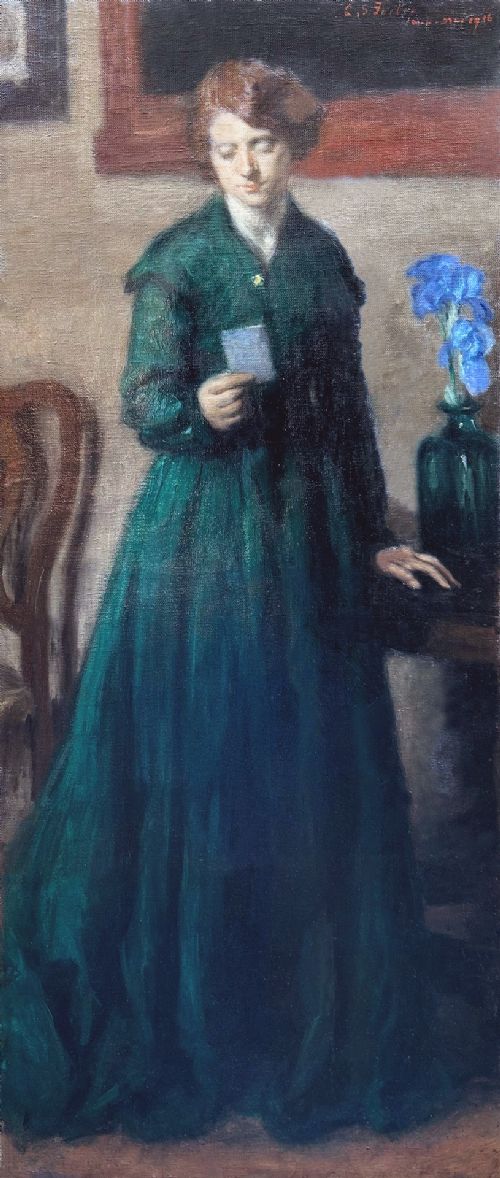
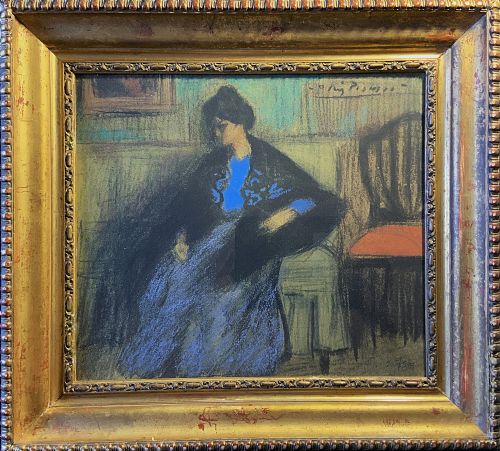
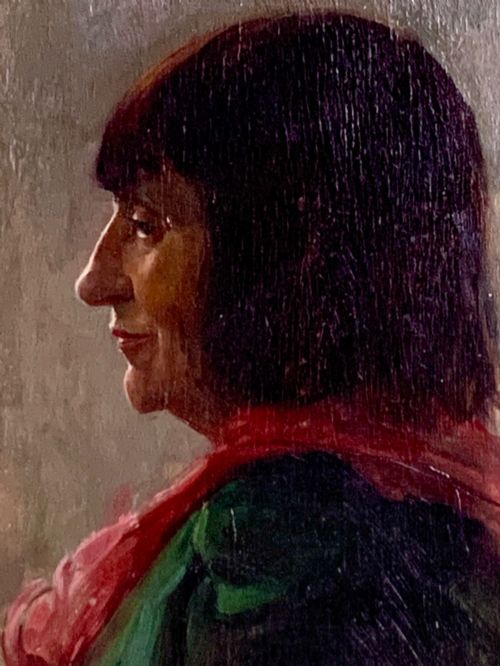
A post impressionist portrait brings character and rich brushwork to a room, capturing a sitter through colour and mood rather than rigid academic likeness.
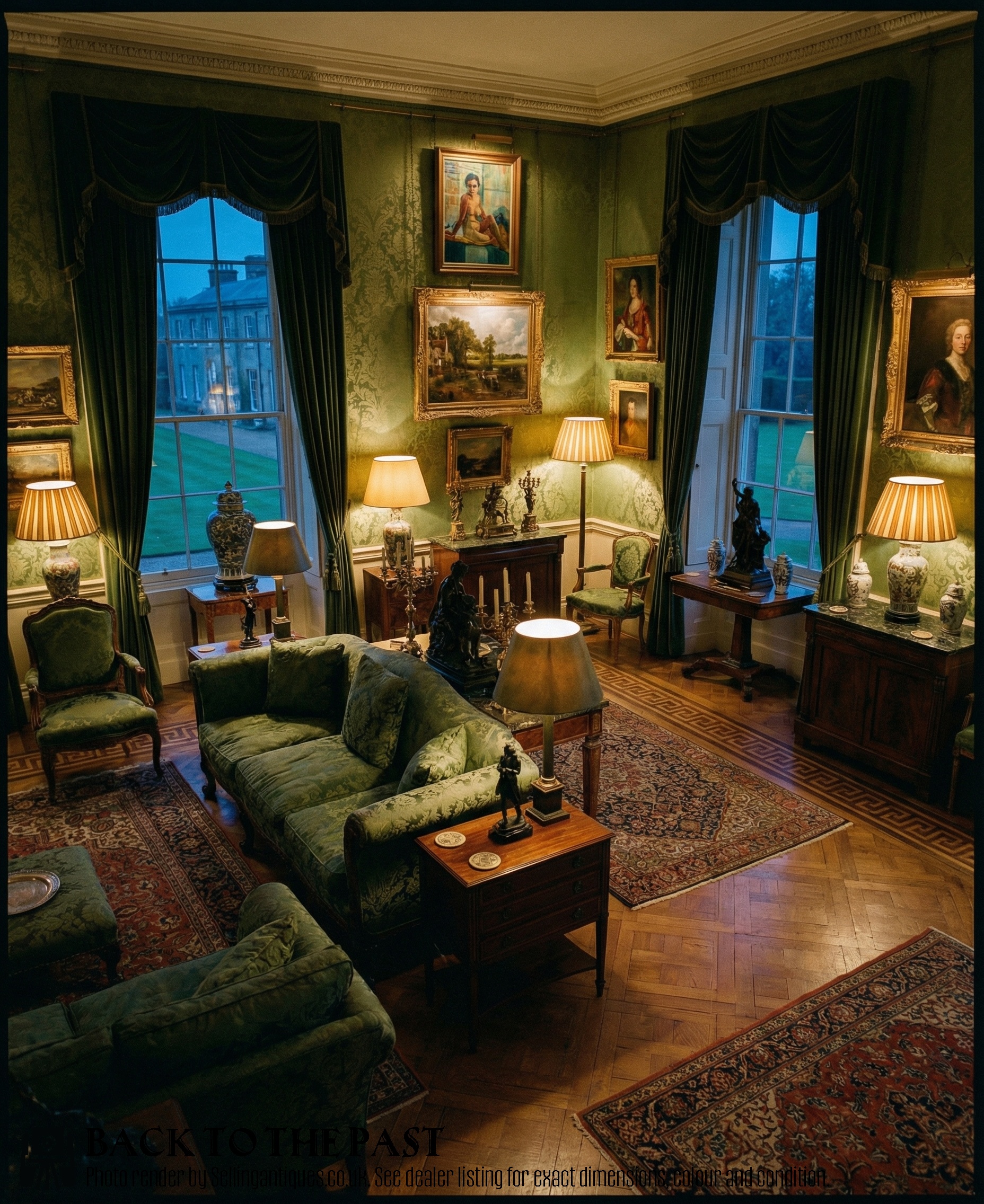
Post Impressionist Portrait
When you search for a post impressionist portrait, you encounter works spanning several decades from the early twentieth century onwards. The selection on this page ranges from intimate pencil studies on paper to large oil paintings on canvas and panel.
The pieces encompass distinct movements including Modern British, the Bloomsbury Group, Cubism, and Fauvism. You will find self-portraits, female figures, and character studies created across British and French workshops.
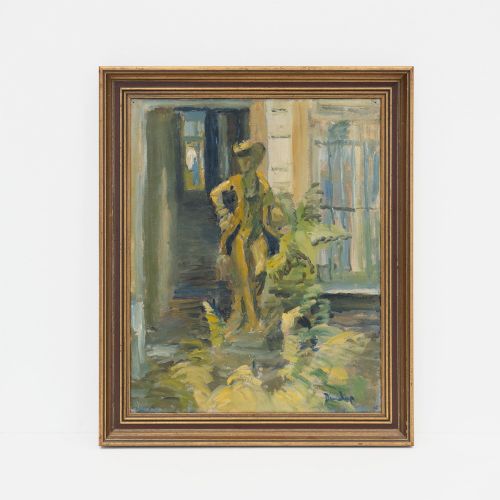
Most examples date from the nineteen-tens through to the nineteen-sixties, reflecting the enduring influence of the movement upon painters of the period. These artworks capture sitters in gardens, parks, and domestic interiors with expressive handling.
How they were made
Artists painted primarily in oil on canvas, board, and panel, applying pigment with visible brushstrokes that emphasise texture and form. Pastels and pencil on paper were also utilised for lighter, immediate figure studies and preparatory works.
Prints such as lithographs and pochoir capture graphic qualities of the period, while wooden frames often enclose the panels and canvases. The combination of oil paint, gilt, and glass protects and frames these diverse works on paper and canvas.
French and British artists dominate the selection, working on canvas, board, and paper.
What varies in quality
The strength of a composition lies in the surety of the drawing and the expressive handling of the medium, whether in oil paint or pastel. Works by established figures or those associated with known artistic circles demonstrate a more confident command of form and psychology.
Condition varies according to the original support, with oil on canvas and framed panels surviving differently from works on paper. The depth of the colour palette and the preservation of the painted surface distinguish the finest examples.
Charles Stuart Forbes·Pablo Picasso·Ronald Ossory Dunlop·Edouard Julien·Henri Vincent-Anglade·Augustus Edwin John·Jean Hippolyte Marchand·Yetta Kane·Christian Caillard·Bernard Meninsky·Allan Gwynne-Jones
The Post Impressionist Portrait Glossary
- Post-Impressionism
- An art movement developing from the late nineteenth century where painters rejected naturalism in favour of expressive colours and simplified forms. Artists used bold hues to convey emotion rather than strict optical reality.
- Bloomsbury Group
- An association of English writers, intellectuals, and artists associated with Charleston and London. Their paintings often featured domestic subjects rendered with flattened perspectives and vibrant palettes.
- Oil on Canvas
- A traditional painting medium where pigments bound in oil are applied to a woven fabric stretched across a wooden frame. This surface allows for rich texture and subtle blending of tones.
- Pochoir
- A stencil-based printing technique used to create crisp, brightly coloured graphic prints and illustrations. It was frequently utilised during the early twentieth century for limited edition plates.
- Fauvism
- An early twentieth-century style involving strong colours and painterly qualities over realistic or natural values. Practitioners valued individual expression and untamed brushwork.
Post Impressionist Portrait: Frequently Asked Questions
What is a post impressionist portrait?
A post impressionist portrait is a painting or drawing that depicts a person using the expressive colours and loose brushwork characteristic of the movement. These works prioritise emotional resonance and mood over strict photographic accuracy.
They emerged from early twentieth-century artistic circles in Britain and France, capturing sitters with notable individuality and painterly freedom.
How do I date a portrait?
Dating these portraits relies on signatures, gallery labels, framing materials, and stylistic markers recorded in the evidence. Works from the nineteen-tens display different handling compared to pieces from the nineteen-fifties or sixties.
Artist lifespans and recorded exhibition dates also provide a reliable framework for establishing when a piece was created.
Where should I hang one?
These portraits suit living rooms, studies, and hallways where adequate lighting allows the brushwork and colour palette to be appreciated. Pairing them with traditional or mid-century interiors creates a balanced setting.
Keep them away from direct sunlight to protect oil paint and paper supports from fading over time.
Are prints included?
The selection includes original oil paintings, pastels, and pencil drawings alongside limited edition prints such as lithographs and pochoir. Each listing specifies the exact medium and support used by the artist.
Original works on canvas or panel offer unique textures, while graphic prints provide alternative interpretations of portraiture.